REVIEW · TOKYO
Tokyo: Shibuya Bike Tour
Book on GetYourGuide →Operated by JAPANKART · Bookable on GetYourGuide
Tokyo turns playful on two wheels. I like the small-group feel (up to five people) and the option to wear a costume with a helmet, which makes the whole ride feel more like an experience than a chore. You’ll pedal through major areas like Shinjuku, Harajuku, and the Shibuya Crossing area, plus you’ll pause at the Meiji Shrine entrance for photos and a breather.
You should know one potential drawback first: the bikes have height and size expectations. The recommended height range is 160–185 cm, and riders over 185 cm may find the fit cramped, while shorter riders may still ride only if they can straddle safely and place both feet on the ground. The tour also has an age minimum (12+) and a weight limit guideline (up to 125 kg), so it’s worth checking your comfort level before you book.
In This Review
- Key Things to Know Before You Ride
- Why This Shinjuku–Shibuya Bike Tour Fits Tokyo So Well
- Getting Set Up at JAPANKART (And Why It Matters)
- Shinjuku First: The Warm-Up Before You Hit Shibuya
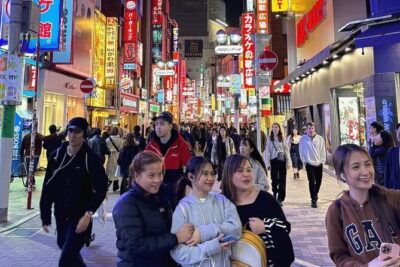
- Shibuya Crossing Area: Seeing the Icon From a Better Angle
- Meiji Shrine Entrance Stop: The Calm Reset You’ll Appreciate
- Harajuku Time: Fun Streets and Costume Energy
- Price and Value: Is $46 Worth It?
- Small Group Size and the Role of the Guide
- Bike Fit Rules: The Stuff You Should Check First
- What to Wear (And What Not to Wear)
- Timing: How to Plan Your Day Around 80 Minutes
- Who Should Book This Tour
- Should You Book This Tokyo: Shibuya Bike Tour?
- FAQ
- Where does the tour start?
- How long is the tour?
- Is the guide available in English?
- What sights are included in the route?
- Can I wear a costume and is a helmet included?
- What are the age, height, and weight limits?
- What should I bring, and what can’t I wear?
- Is the group size small?
Key Things to Know Before You Ride
- Up to 5 people means you get a more personal pace and clearer instructions at busy intersections
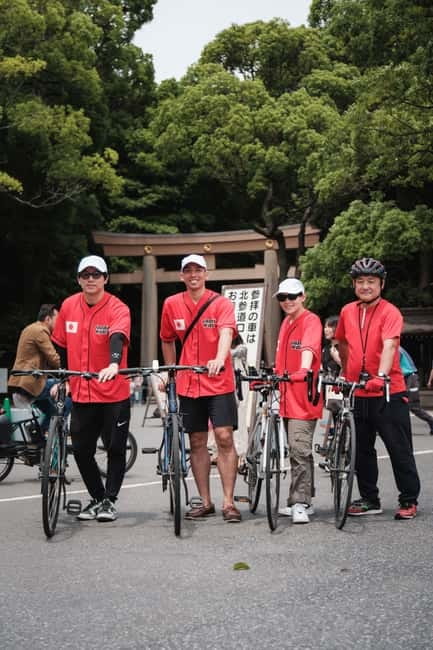
- Meiji Shrine entrance photo stop gives you a scenic break instead of nonstop city riding
- Shinjuku → Shibuya → Harajuku loop hits three Tokyo “must-see” neighborhoods in one go
- Costumes and helmets are free (helmets are strongly encouraged even though they’re not required in Japan)
- English-speaking live guide keeps the experience simple to follow
- Guide can adjust route options by fitness so you’re not stuck on a one-size-fits-all plan
Why This Shinjuku–Shibuya Bike Tour Fits Tokyo So Well
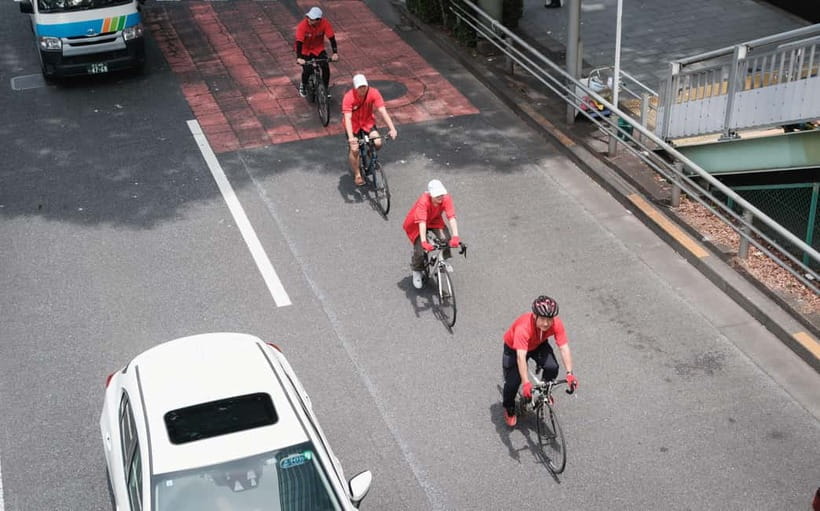
Tokyo can feel intense. Big crowds. Fast-moving streets. Too much to see on foot in one day. This tour solves a simple problem: it puts you on a bike with a local guide so you can cover ground without spending your whole time weaving through sidewalks.
I also like that the route is built around contrasts. You start in Shinjuku, you hit the Shibuya Crossing area, then you get a calmer moment at the entrance of Meiji Shrine, and you end with Harajuku. That mix helps your brain connect neighborhoods, not just landmarks.
The time format helps too. The ride itself is about 80 minutes, but you should budget 90–100 minutes total when you include check-in and bike setup. For a $46 experience, that’s a pretty efficient way to see a lot without committing to a full half-day.
You can also read our reviews of more cycling tours in Tokyo
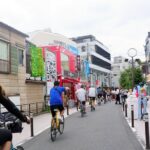
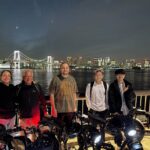
Getting Set Up at JAPANKART (And Why It Matters)
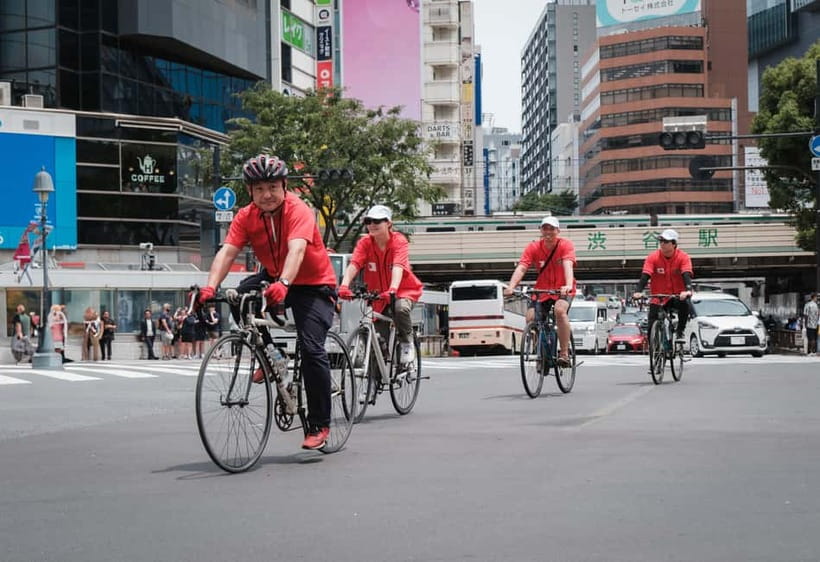
Your tour starts at the JAPANKART Shinjuku Branch, located near Kabukicho, with the nearest station listed as Shinjuku-sanchome. Even if you know Tokyo, this matters: you want a clear, central pickup point so your ride stays fun and not stressful.
Before you roll, plan on time for check-in, bike adjustments, and a quick fit check. One review specifically called out adjusting the bike to each rider’s size and doing a test ride. That small step is a big deal in Tokyo, because you want control before you get anywhere near the busiest crosswalk zones.
Also, if you’re considering the costume option, think of the costume as part of the fun rules. Helmets are available and encouraged, and costumes are offered free of charge. You can go for playful photos without sacrificing basic safety habits.
Shinjuku First: The Warm-Up Before You Hit Shibuya
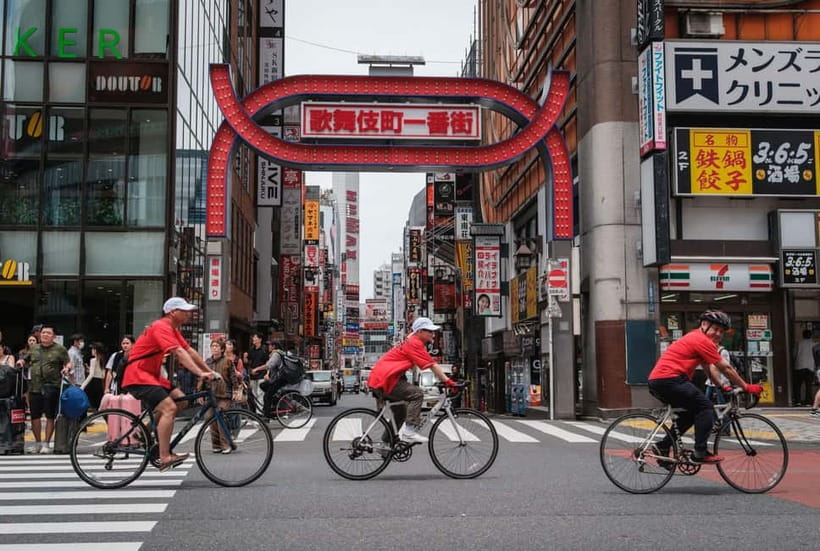
The tour includes about 20 minutes in Shinjuku at the start. This isn’t random. Shinjuku is a good warm-up neighborhood because you’ll quickly learn how your guide navigates the flow of the streets and how the group moves together on bikes.
In practical terms, Shinjuku early on helps you:
- get comfortable with bike handling after adjustments
- get used to the guide’s pace and signals
- pick up local rhythm before the famous Shibuya moments
If you’re even slightly nervous about riding in a city, this staging matters. You build confidence first, then you get the big headline sights.
Shibuya Crossing Area: Seeing the Icon From a Better Angle
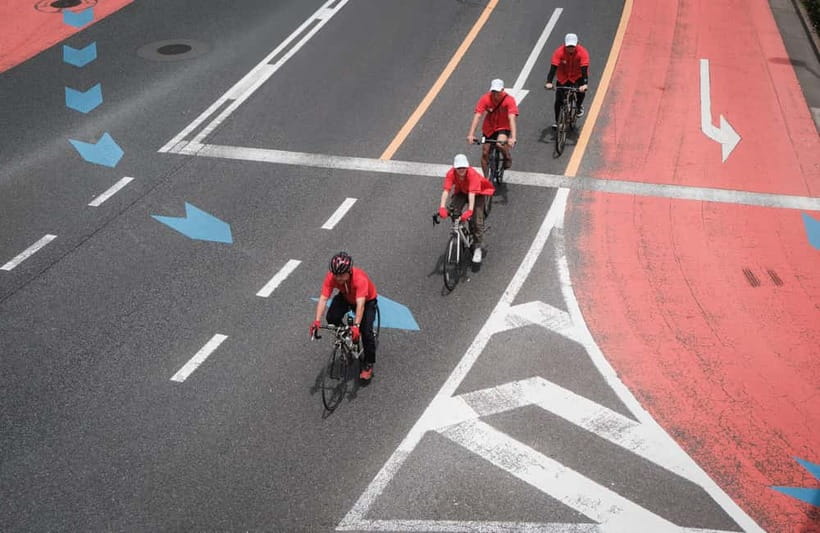
You’ll spend around 20 minutes at Shibuya Crossing, which is the headliner for most people. The value here isn’t just seeing it—it’s how you see it. On a bike, you get a moving viewpoint rather than only standing still in a crowd.
This is also where your guide earns their keep. The tour is designed to keep the experience relaxed and safe, and the small group size helps the guide manage spacing. The pace is important. One review noted an adrenaline boost and described the route as more intense than expected after the guide matched options to fitness levels. That’s a good sign that the guide is actually paying attention to how you’re doing, not just following a scripted checklist.
Want photos? You’ll get chances throughout the ride, including the planned shrine stop. But for Shibuya, expect mostly street-level action and quick snapshots rather than long wandering time.
Meiji Shrine Entrance Stop: The Calm Reset You’ll Appreciate
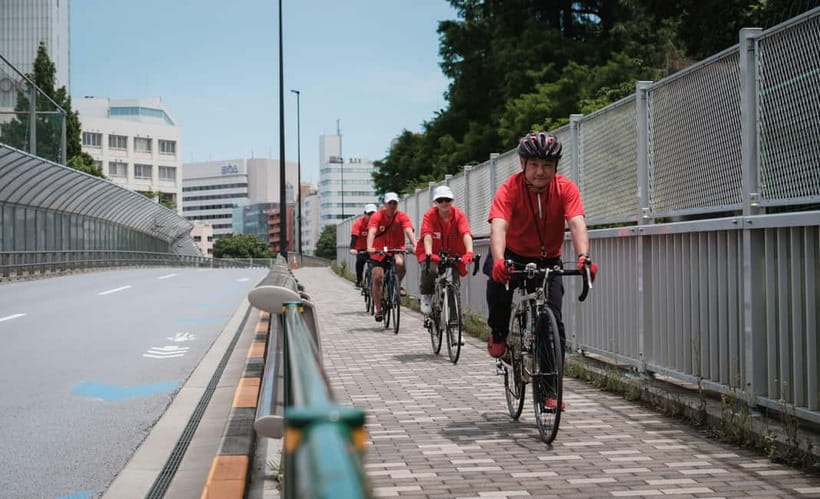
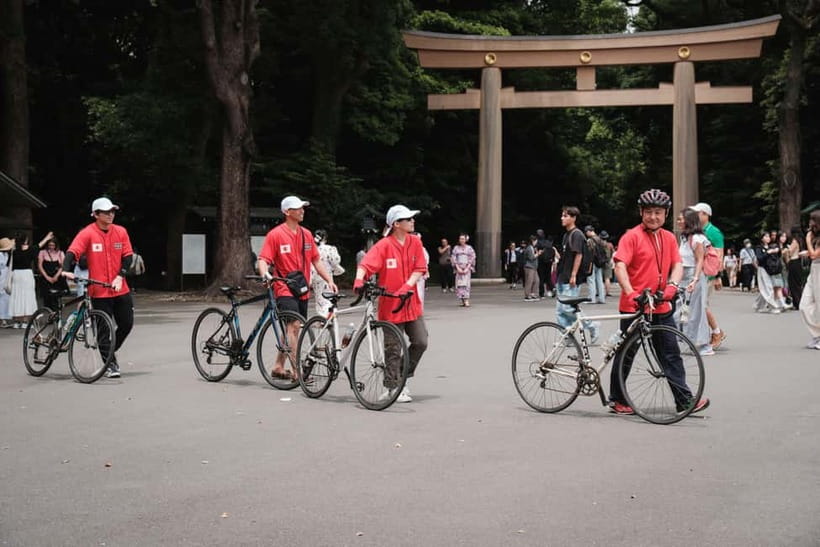
Next comes Meiji Shrine. The overall guidance says you’ll have a scenic stop at the entrance—about 5–10 minutes for photos—plus time to visit. The schedule block is listed as 20 minutes at Meiji Shrine, which usually means you’ll have a short scenic break and then a bit of time to settle in and take in the area.
Why this is valuable: Tokyo intersections can overload your senses. The shrine entrance break gives you a different tone. You get a visual pause, a photo moment, and a chance to reset before the ride continues toward Harajuku.
It’s also a smart timing choice. Putting the more peaceful stop in the middle helps the tour feel balanced. Instead of rushing past everything, you get one planned moment that’s about atmosphere, not speed.






Harajuku Time: Fun Streets and Costume Energy
You’ll have about 20 minutes in Harajuku. Harajuku is where the ride becomes playful. It’s a neighborhood many people connect with fashion and pop culture vibes, and the tour leans into that with the optional costume experience.
One review even noted red uniforms and described how the locals seemed to adjust around the riders. That points to something useful for you: if you’re wearing a costume and helmet, you might get a bit more notice than normal. Not in a bad way—more like you’ll look like part of a small organized group.
Harajuku time on a bike is also different from walking. You can move past storefront energy without spending too long stuck at foot-traffic bottlenecks. Since this is a short tour overall, those 20 minutes are a big chunk of how the tour ends on a high note.
Price and Value: Is $46 Worth It?
At $46 per person for an 80-minute guided ride (with 90–100 minutes total when you account for setup), the price feels reasonable for three reasons.
First, you’re not just renting a bike. You’re getting a live English-speaking guide, a route plan through major neighborhoods, and structured stop times at places like Shibuya Crossing and Meiji Shrine entrance.
Second, you get equipment benefits that normally cost extra elsewhere: costumes and helmets are included for free. Even if you don’t wear a costume, the helmet matters. Japan doesn’t require helmets by law, but the tour strongly encourages them, and I agree. It’s a simple safety layer.
Third, you’re buying convenience. Meeting near Shinjuku-sanchome keeps things central, and a small group capped at five makes the ride smoother than bigger tours.
Where you should be honest with yourself: if you dislike riding in busy city areas or you want long museum-style visits, this won’t be your match. This is for moving through neighborhoods and experiencing the vibe in a short window.
Small Group Size and the Role of the Guide
The tour is limited to five participants, which is one of the biggest quality signals. In Tokyo, smaller groups reduce confusion. They also help the guide keep everyone together and adjust on the fly when streets get hectic.
The guide is live and in English. That matters because you’ll actually want to understand what you’re seeing—especially at Shibuya and during the Meiji Shrine entrance stop. The ride stays relaxed, and the guide’s job is to help you follow the plan without feeling rushed.
One review mentioned guide Mikihiro (often referred to as Miki) sharing highlights like Shibuya Scramble, the Hachiko Statue, and even route stops through areas like Yoyogi Park and the Stadium. Not every second location is listed in the standard schedule, but it’s a helpful clue: the guide can sprinkle in extra local points of interest when time and conditions allow.
Also, that same review mentioned water being provided. Again, not everything is listed in the core details, but it’s a good sign that the ride isn’t just about pedals—it’s about keeping you comfortable enough to enjoy it.
Bike Fit Rules: The Stuff You Should Check First
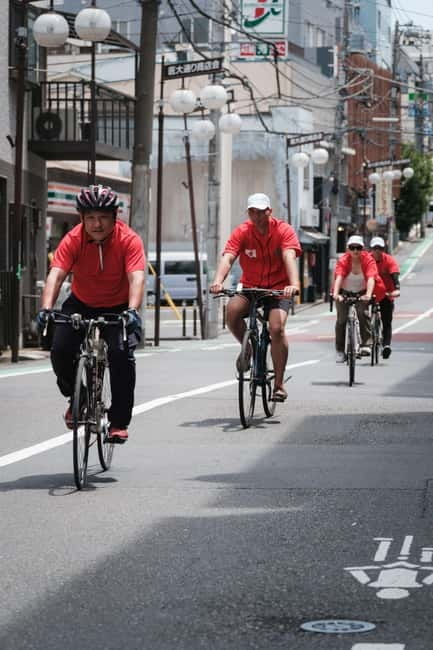
This tour is meant to be safe and comfortable, but the bike fit criteria are real. Here’s what you need to know from the tour details.
- Minimum age: 12 years old
- Recommended height: 160–185 cm
- Under 160 cm: you may still join if you can safely straddle the bike and place both feet on the ground
- Over 185 cm: the bikes may feel cramped
- Weight limit guideline: up to 125 kg
- Over 125 kg: not automatically disqualified, but comfort and safety may vary depending on body proportions
A practical tip: treat the recommended height and weight as a comfort score, not just rules. A tour built around city riding needs you to have confident control.
What to Wear (And What Not to Wear)
The tour gives clear packing rules, and you’ll want to follow them.
Bring:
- Comfortable shoes
- Comfortable clothes
- A helmet is listed as a bring item, but helmets are also provided free of charge as part of the activity—so either you’ll use one provided or you’ll bring yours if you prefer.
Not allowed:
- Sandals or flip-flops
- Short skirts
- Skirts (yes, skirts are included in the not-allowed list)
- Intoxication
This is one of those details that makes the ride smoother for everyone. Proper shoes help with control. The clothing limits keep riding safe and manageable, especially when you stop, start, and shift position.
Costumes are allowed and available. Just remember: costumes are fun, but you still need movement room.
Timing: How to Plan Your Day Around 80 Minutes
The bike ride itself is about 80 minutes, but the total time you should plan for is 90–100 minutes including check-in and prep. That’s a key scheduling detail. If you’re trying to cram this between other reservations, give yourself a buffer.
Also, the tour says duration is fixed but starting times vary with availability. If you’re coming with a tight itinerary, check multiple start times so you don’t end up rushing to the meeting point.
Who Should Book This Tour
This is a great fit if you:
- want a short, guided way to cover Shinjuku, Shibuya, and Harajuku
- enjoy street-level Tokyo rather than only indoor sights
- like the idea of a local guide controlling the pace and route choices
- are okay with the fact that it’s a riding experience first, not a long sightseeing crawl
It’s likely not the best fit if you:
- need long, slow stops at major attractions
- feel uncomfortable riding in a dense urban environment
- don’t meet the age/height/weight guidelines and can’t safely handle the bike fit
Should You Book This Tokyo: Shibuya Bike Tour?
Yes, you should book it if you want a fun, structured introduction to two of Tokyo’s most famous areas—and you’re open to doing it on a bike with a real guide. For $46, you’re getting more than movement. You’re getting a plan that includes Shinjuku, Shibuya Crossing, Harajuku, and a photo-friendly Meiji Shrine entrance break, plus a helmet and costume option.
Skip it (or at least think twice) if bike fit rules might put you in an uncomfortable position or if you expect a slow-paced, long-exploration style tour. This one is built for momentum and city energy, balanced by that mid-tour shrine reset.
If you’re ready to trade crowded sidewalks for a guided ride through the city’s highlights, this tour is an easy yes.
FAQ
Where does the tour start?
The meeting point is the JAPANKART Shinjuku Branch, located near Kabukicho. The nearest station listed is Shinjuku-sanchome.
How long is the tour?
The ride is about 80 minutes. Including check-in and bike prep, plan for roughly 90–100 minutes total.
Is the guide available in English?
Yes. The tour includes a live English-speaking guide.
What sights are included in the route?
You’ll cycle through Shinjuku and Shibuya, visit the Shibuya Crossing area, stop at the Meiji Shrine entrance for a break and photos, and ride through Harajuku.
Can I wear a costume and is a helmet included?
Costumes and helmets are available free of charge. Helmets are not legally required in Japan, but the tour strongly encourages wearing one for safety.
What are the age, height, and weight limits?
Participants must be at least 12 years old. The recommended height range is 160–185 cm, and the recommended weight limit is up to 125 kg. If you’re outside the recommendations, you may still be allowed depending on safety and comfort.
What should I bring, and what can’t I wear?
Bring comfortable shoes and comfortable clothes. The tour rules do not allow sandals or flip-flops, short skirts, or skirts, and intoxication is not allowed.
Is the group size small?
Yes. The tour is limited to a small group with up to 5 participants.