REVIEW · TOKYO
Tokyo: Zen Meditation at a Private Temple with a Monk
Book on GetYourGuide →Operated by Travel Japan Together · Bookable on GetYourGuide
Your mind finally gets quiet here. This private Zen meditation in Asakusa is interesting because you practice Zazen with a resident monk in a temple not open to the general public. I also love the way the morning-style calm carries into a matcha tea ceremony and an easy Q&A, with help from guides like Tamami-san. One possible drawback: it is only 90 minutes, so this is ideal for a grounding start, not a long, sit-all-afternoon retreat.
What makes this worth your time is the setting and the format. You get temple context, seated instruction, then hands-on practice, all in English with translation when it matters. For me, the best part is the chance to ask real questions and get real answers, with monk Namiki-san (and other monks, depending on the day) answering with patience and humor. Just be ready for a quiet, respectful pace where you’re not trying to fill every second with sightseeing.
In This Review
- Key highlights you’ll feel right away
- Finding the Private Temple in Asakusa Without Getting Lost
- What Zen Zazen Feels Like in a Temple You Don’t Share With Crowds
- How the Monk’s Instruction Shapes Your Posture, Breathing, and Focus
- Calligraphy and Sutra Chant: Meditation With a Pen
- Matcha Tea Ceremony: Closing the Loop on the Whole Practice
- Q&A With the Monk: The Advice That Sticks in Real Life
- Photo-Friendly Temple Memories (Without Turning It Into a Photo Shoot)
- Price and Value: Why $55 Can Feel Like a Lot (And Sometimes Like a Bargain)
- Who This Tour Suits Best (And Who Might Want Something Different)
- Practical Tips So You Get the Most From Your 90 Minutes
- Should You Book This Zen Meditation at a Private Temple?
- FAQ
- Where is the meeting point?
- How long is the experience?
- Do I need to speak Japanese?
- What do I do during the Zen meditation?
- Is there tea included?
- Can I take photos?
- What if I need to cancel?
Key highlights you’ll feel right away
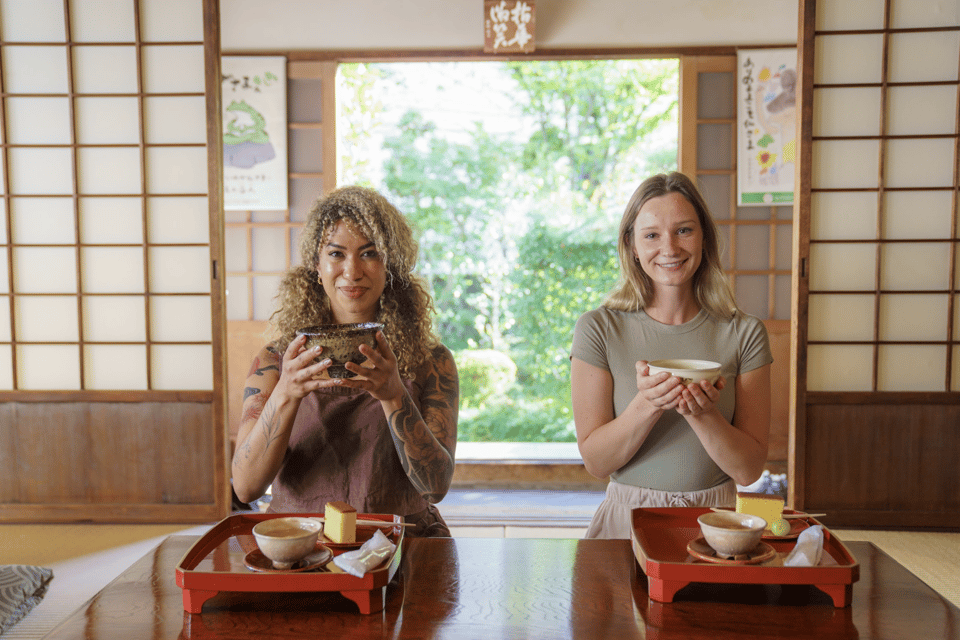
- A private temple in Asakusa with a calm you do not get at crowded public sites
- Guided Zazen (seated meditation) led by the resident monk, not a script read at you
- Tea ceremony + sweets that make the whole practice feel complete
- Calligraphy with chanting that turns focus into something you can hold onto
- Q&A with the monk where stress, ego, and daily life get practical answers
Finding the Private Temple in Asakusa Without Getting Lost
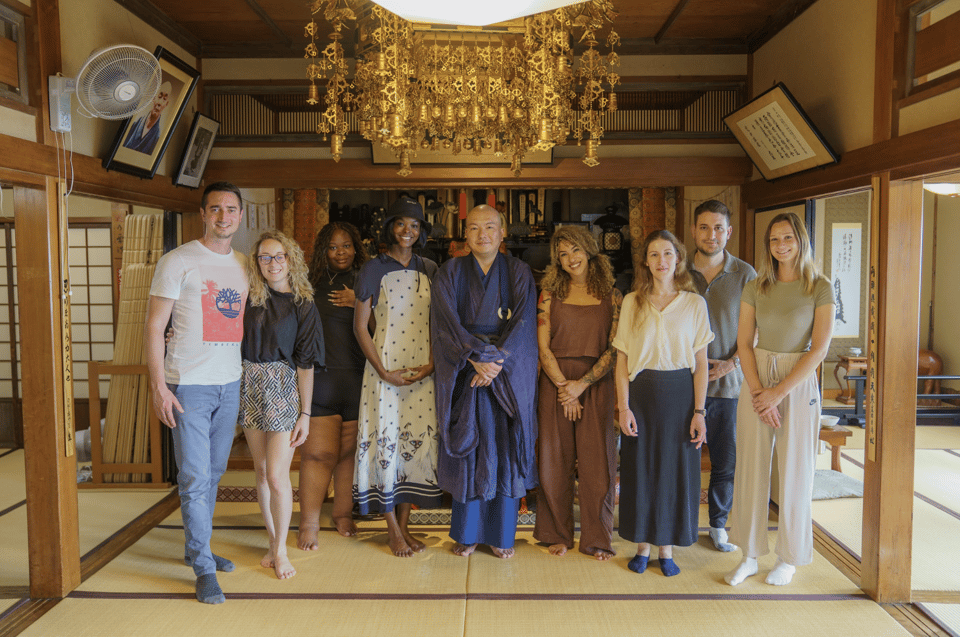
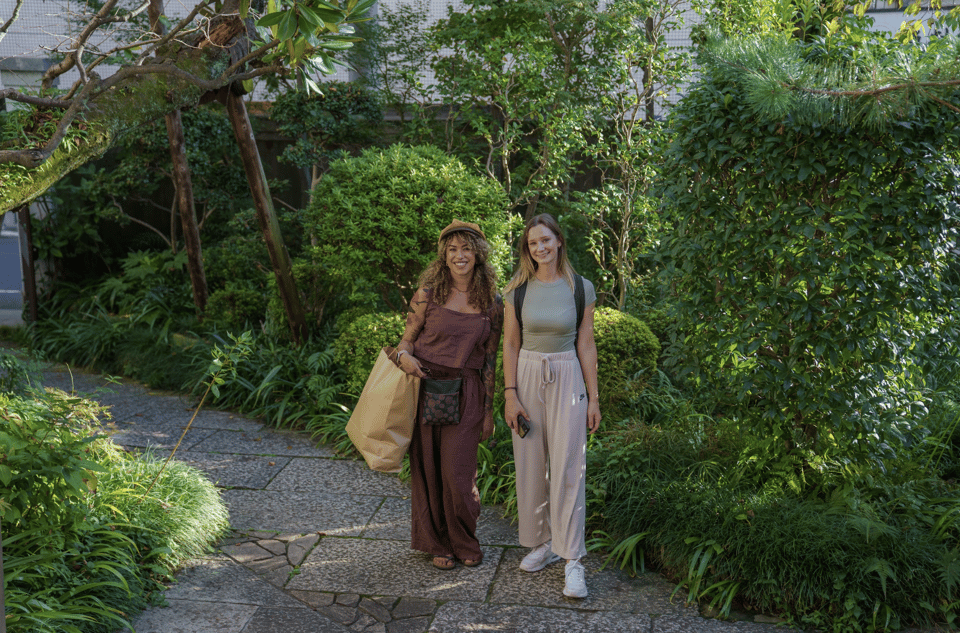
Start in Asakusa at a Family Mart—specifically the one in the area near Tawaramachi Station on the Ginza line. Plan on arriving a few minutes early. The tour info matters here: there are two Family Mart branches nearby, so make sure you’re at the correct one before your guide shows up.
You’ll meet a live English guide who coordinates through WhatsApp, so have the app ready before you go. This is one of those small details that makes the experience smoother. When communication works, you spend less time stressed and more time actually showing up for the session.
From there, the day shifts from Tokyo noise to temple quiet fast. You’re not just “visiting a temple.” You’re walking into a place that feels like someone’s everyday home—serene, lived-in, and respectful of silence.
You can also read our reviews of more private tours in Tokyo



What Zen Zazen Feels Like in a Temple You Don’t Share With Crowds
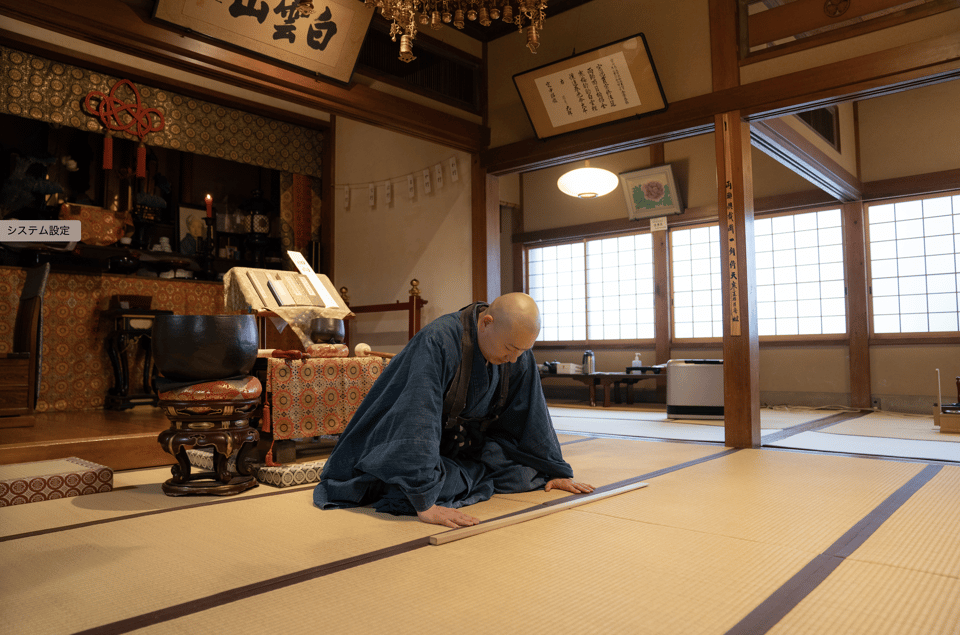
The core of the experience is Zazen, seated meditation in Zen Buddhism. You’ll begin with a short introduction, then a monk explains the principles and techniques of Zazen. This is the part that helps you stop treating meditation like a vibe and start treating it like a skill.
Then you actually sit.
In the sessions I saw described, the meditation can come in short rounds—some people report two sits of around 10 minutes each—while others describe a longer initial silent period. Either way, the structure is consistent: you get guidance, you practice, then you move into the next ritual without breaking the mood.
The atmosphere matters more than you might think. Many participants describe the inside scents, the stillness, and the sense of history. The temple setting is also tied to multiple generations of monastic life, which gives the whole experience weight without turning it heavy.
How the Monk’s Instruction Shapes Your Posture, Breathing, and Focus
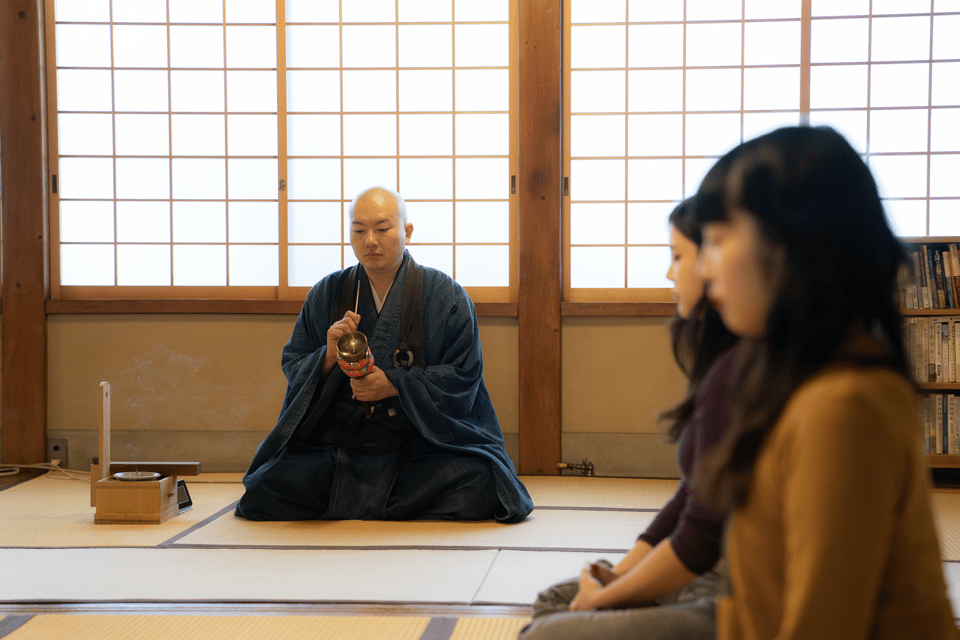
One of the most praised parts is how the monk teaches. It is not just, sit and good luck. You’ll get real pointers on what to pay attention to—how to settle your mind, how to sit, and how to use breath to stay rhythmic.
Expect a session that asks you to unify your mind and detach from ego and worldly concerns. That sounds lofty, but the practical version is simple: you stop narrating your day, then you return to breath and posture. For people who are new to meditation, that shift can feel like switching from scrolling to breathing.
A useful detail: you’ll have a guide translating the monk’s talk into English, and that translation seems to be a big reason people feel comfortable asking questions later. Guides mentioned include Tamami-san, and other guides like Kazu and Shota appear in the experience descriptions. When translation is clear, the meditation instructions land faster.
Also, this is not a lecture-only experience. One participant even noted the monk’s gentle humor during the session. That human touch can make it easier to let go of self-consciousness, especially if you worry about meditating in front of others.
Calligraphy and Sutra Chant: Meditation With a Pen
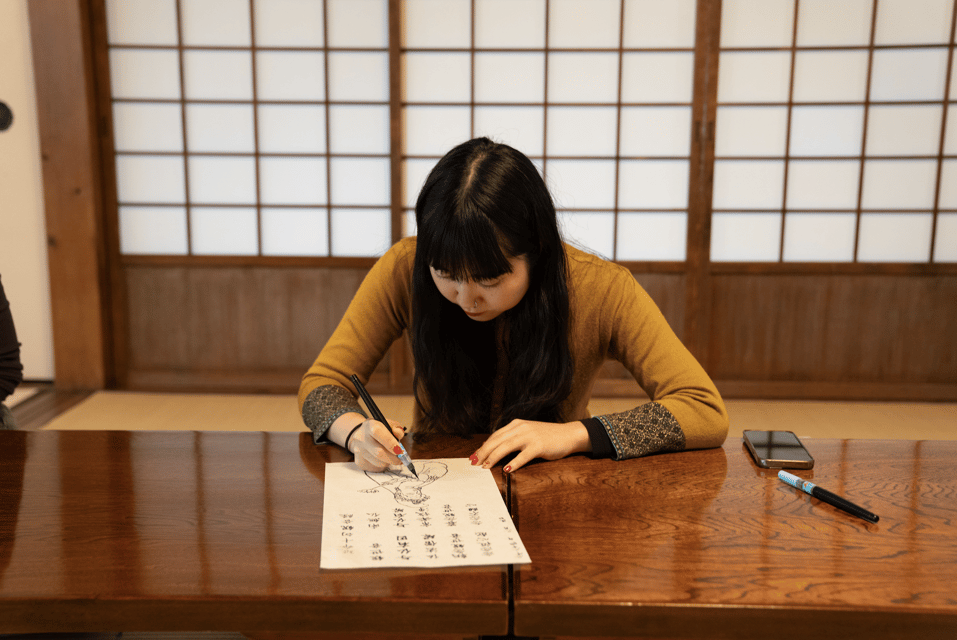
After Zazen comes something many first-timers do not expect: calligraphy. You might picture calligraphy as an art demo, but here it functions like a mental exercise. The hand moves, the mind follows, and you’re drawn into the same slow focus you use during meditation.
Participants describe calligraphy tied to chanting—like a sutra being chanted while you write. That combo makes the activity feel spiritual without being too mystical. It is still hands-on. You can get a feel for how Zen practice crosses over into everyday disciplines: breathing, attention, and humility.
There’s also a satisfaction in keeping what you make. Several people mention saving their calligraphy afterwards, hanging it up as a daily reminder. If you’re the type who forgets lessons the moment you return to city life, this is the kind of souvenir that actually works.
Matcha Tea Ceremony: Closing the Loop on the Whole Practice
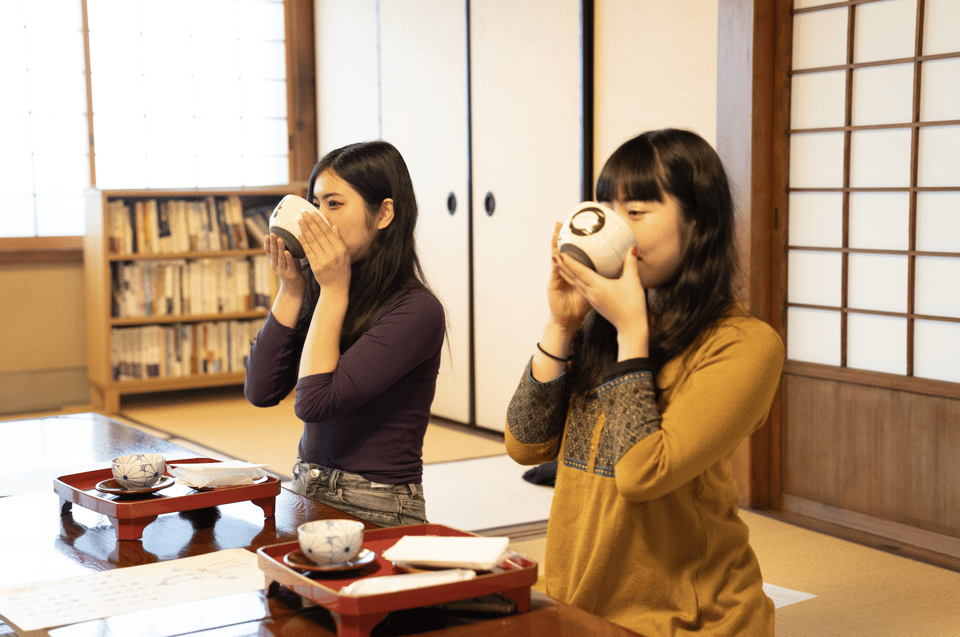
Then you slow down one more time. You’ll end with matcha tea and sweets, served as part of the ceremonial wrap-up.
Tea ceremony here is not just a snack stop. It’s the quiet punctuation mark after sitting and writing. People describe it as serene and grounding—exactly what you want at the end of a mindfulness experience. Even if you’re not a matcha person, it helps you transition out of temple mode and back into Tokyo with your head clearer.
And yes, you’ll drink the tea you’re taught to appreciate. Matcha is bitter for some people, sweetened for others, and served with care. The value is less about flavor perfection and more about practicing attention.





Q&A With the Monk: The Advice That Sticks in Real Life
The best part for many people is the free talk with the monk at the end. This is where the experience becomes more than cultural entertainment.
Questions can range from Zen basics to how to handle stress. One shared theme: the monk’s answers often focus on being present in small tasks and not comparing yourself to others. Another is the idea of looking at anger or stress from its root—seeing how unreasonable it can be when you zoom out.
That kind of advice is useful because it fits normal life. It is not framed as something you do only during meditation. It’s framed as something you can do while walking, tying shoes, peeling potatoes, or answering emails.
This Q&A can also make you feel less like you’re watching a tradition and more like you’re learning from someone who lives it. Guides like Tamami-san are also praised for helping translation feel smooth during these questions, so you’re not stuck guessing what you missed.
Photo-Friendly Temple Memories (Without Turning It Into a Photo Shoot)
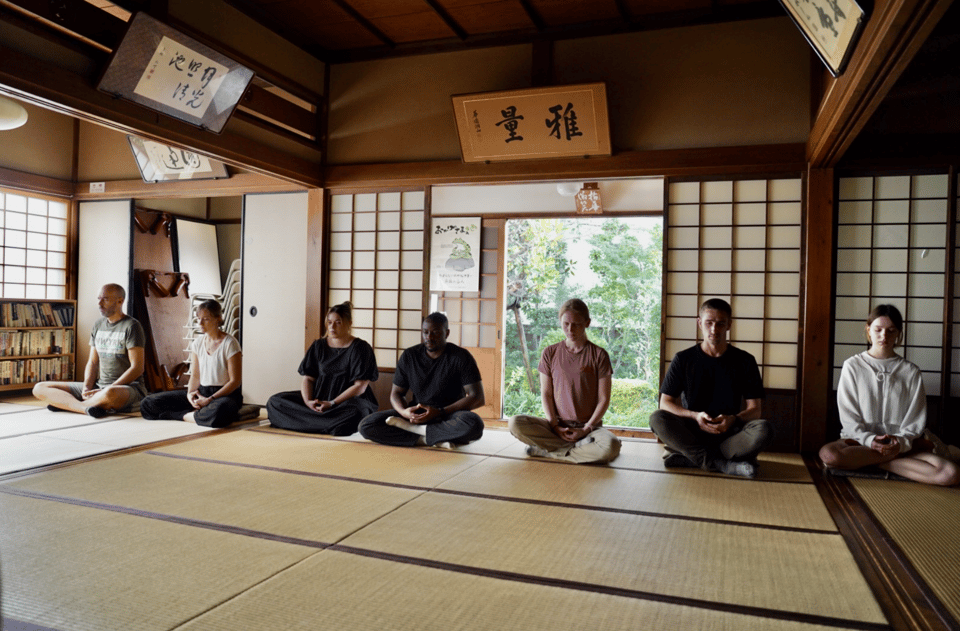
Many participants mention that photography is allowed—photos and videos inside the temple, and even with the monk. That’s a relief if you worry you’ll have to choose between a respectful experience and capturing the moment.
That said, keep your phone use calm. You’re inside a sacred space, and the whole point is quiet focus. Think: a few respectful photos at the right times, not constant filming.
If you want something specific to remember, aim to get photos during the temple segments when you’re not in the middle of sitting or writing. Ask your guide when it’s appropriate.
Price and Value: Why $55 Can Feel Like a Lot (And Sometimes Like a Bargain)
The price is $55 per person for 90 minutes. On paper, that sounds short. But value in experiences like this comes from intensity and access.
You’re paying for:
- A private temple experience in Asakusa rather than a generic public visit
- English guidance plus translation during the monk’s teaching
- Entry to the temple via a separate entrance (so you’re not stuck waiting)
- Zazen instruction and supervised practice
- Calligraphy and matcha tea with sweets
- Time to ask questions directly to the monk
If you’ve done “group tours” in Tokyo, you know how often the experience is: walk fast, look quick, move on. Here, the session is built around slow attention. That takes more coordination and more staff time, which is part of why people call it intimate.
So is it a bargain? For anyone who wants depth instead of checklists, it can feel like one. If you only want a quick cultural stop and you’re not interested in meditation or tea, you might feel like the time is too structured. For the right mindset, though, it’s a strong use of a couple hours.
Who This Tour Suits Best (And Who Might Want Something Different)
This is a great match if you:
- want a calm break from Tokyo’s pace
- are curious about Zen Buddhism, meditation, or Japanese rituals
- like learning directly from a monk, with translation support
- enjoy practical experiences you can repeat at home
It might be less ideal if you:
- want an all-day retreat-style experience
- dislike quiet activities or sitting still
- expect temple sightseeing to be the main event
That said, even people who didn’t know what to expect often describe it as the most grounding part of their trip. The format tends to work because it gives you a guided on-ramp.
Practical Tips So You Get the Most From Your 90 Minutes
A few things that can help you settle quickly:
- Wear comfortable clothes. You’ll be sitting and paying attention to posture and breath.
- Arrive on time at the Family Mart meeting point near Tawaramachi Station. The meeting is close, but easy to miss if you’re at the wrong branch.
- Bring an open mind about meditation. Zazen can feel different from meditation styles you’ve tried elsewhere, and that difference is part of the learning.
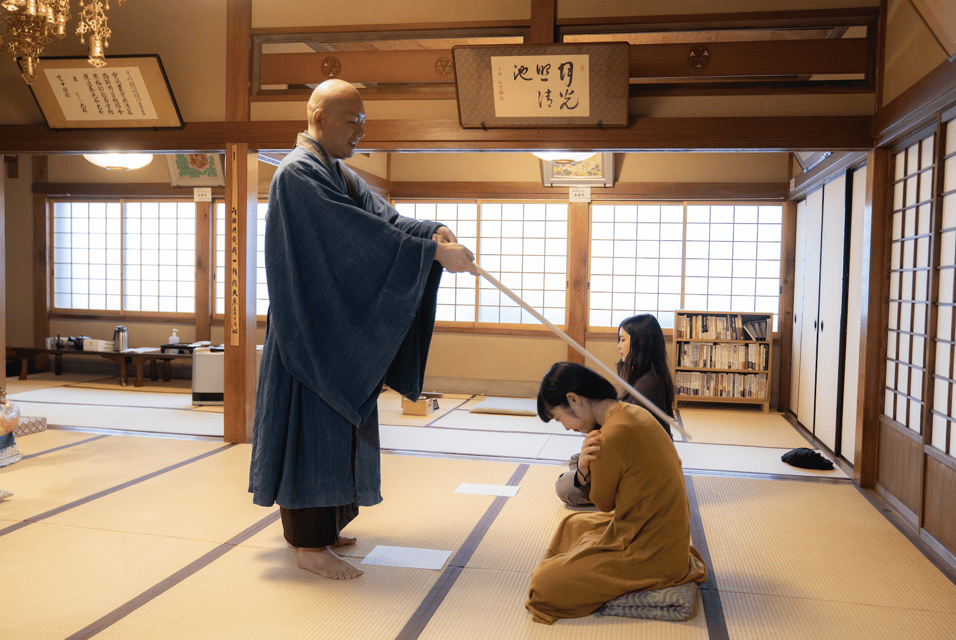
- If you want the playful rhythm cue some participants mention, ask the monk or guide about how they keep timing during the sit. One tip shared is to ask about a stick used during meditation to help with rhythm.
- Don’t rush the Q&A. Ask what you genuinely want to understand about practice and daily life.
Should You Book This Zen Meditation at a Private Temple?
If you’re looking for a real cultural experience with direct contact, this is one of the best uses of time in Tokyo. For a short price and a tight 90-minute window, you get access to a monk, hands-on Zazen practice, calligraphy, and matcha tea—plus the chance to ask questions and leave with something practical.
Book it if you want calm you can carry out of the temple. Skip it only if you want something fast, loud, or purely sightseeing-focused.
FAQ
Where is the meeting point?
You meet in front of a Family Mart in the Asakusa area, about 2 minutes from Tawaramachi Station (Ginza line). There are two Family Mart branches nearby, so make sure you go to the correct one.
How long is the experience?
The tour runs for 90 minutes.
Do I need to speak Japanese?
No. The tour is in English, and the guide helps with translation during the monk’s explanation and Q&A.
What do I do during the Zen meditation?
You’ll receive an explanation of Zazen, then practice seated meditation with guidance. The session focuses on breathing rhythm and mental calm.
Is there tea included?
Yes. The experience includes matcha tea, along with sweets.
Can I take photos?
Photographs and videos are allowed inside the temple, including taking photos with the monk (as described in the experience information).
What if I need to cancel?
Free cancellation is available up to 24 hours in advance for a full refund.