REVIEW · TOKYO
Tokyo: Private Japanese Cooking Class with a Local Chef
Book on GetYourGuide →Operated by comburger · Bookable on GetYourGuide
Dinner plans in Tokyo can be loud. This one feels personal. You’ll cook Japanese food in a small Shinjuku apartment with Chef Sato, then eat what you make, with a short Tokyo walk in the morning option.
Two things I like a lot: the focus on seasonal ingredients (the logic behind Japanese cooking actually makes sense once you’re chopping), and the relaxed, friendly teaching style that turns the class into real conversation, not just a scripted lesson.
One consideration: because the menu changes by day and you cook only 2 to 4 items, it’s best if you pick a day when you’re excited about the food options (think ramen/gyoza/curry rice on popular days, or traditional teishoku-style sets on standard days).
In This Review
- Key highlights you’ll feel fast
- Shinjuku apartment cooking with Chef Sato
- How the menu changes by day (and why that matters)
- What you’ll cook: from teishoku sets to ramen and gyoza
- The 3-hour rhythm: meet, cook, eat (and ask questions)
- Optional morning after-walk: 1PM to 3:30PM
- Drinks and meals: barley tea, plus what you cook
- Price: is $120 worth it for a private cooking lesson?
- Who should book this, and who might skip it
- My booking call
- FAQ
- What time are the morning and evening cooking classes?
- Where do I meet Chef Sato, and is pickup included?
- What do I cook during the class?
- Does the menu change depending on the day?
- Is the class private, and is it taught in English?
- What’s included, and are there cancellation options?
Key highlights you’ll feel fast
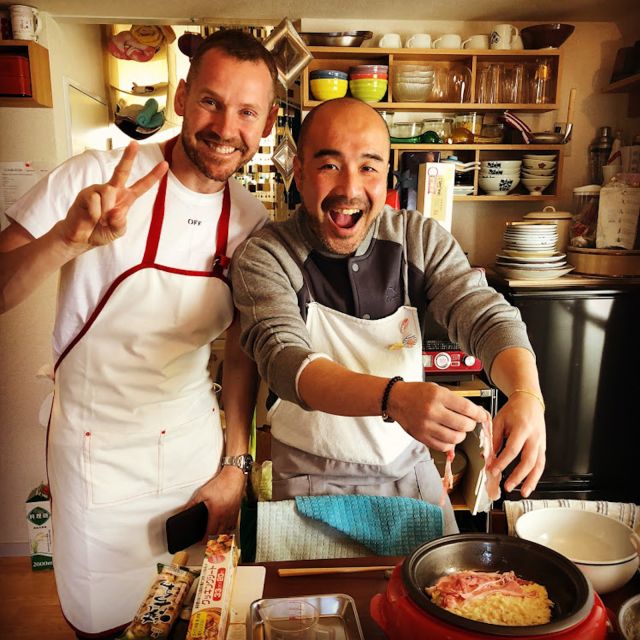
- Chef Sato’s home-kitchen teaching: you learn by doing, not watching from the sidelines
- Season-by-season menu logic: the dishes are built around what Japan considers fresh and appropriate
- 2.5 hours of cooking plus optional after-walk: morning includes a short trip from 1PM to 3:30PM
- Shinjuku local vibe: you start at Shinjuku Station and end in neighborhood life
- Practical results: you can recreate what you make at home, not just take photos
Shinjuku apartment cooking with Chef Sato
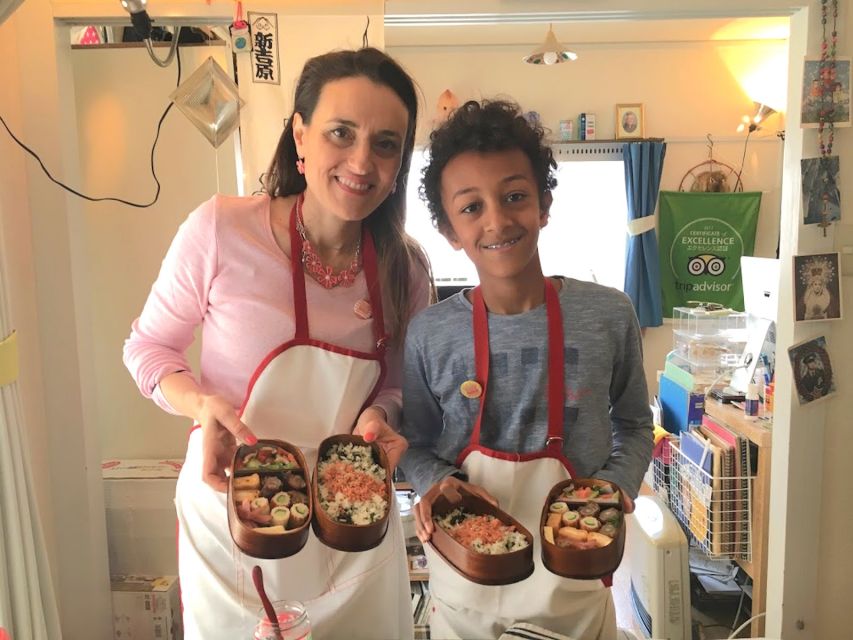
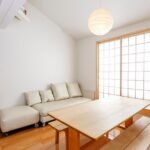
This class is built around a simple idea: the best way to understand Japanese food is to cook it with someone who actually lives that food. You meet at Shinjuku Station’s east exit police box, then you’re picked up and brought into a small apartment kitchen in Shinjuku.
Chef Sato teaches in English, and the tone is easy. From the way people describe the experience, it’s the kind of lesson where you can ask questions, compare notes, and talk about ingredients without feeling rushed. The kitchen isn’t staged for tourists. It feels like a real home cooking space.
And yes, this is private. That matters. You won’t be stuck waiting your turn while everyone else mills around. You’ll chop, prep, and cook, with attention to how you’re doing it.
You can also read our reviews of more private tours in Tokyo



How the menu changes by day (and why that matters)
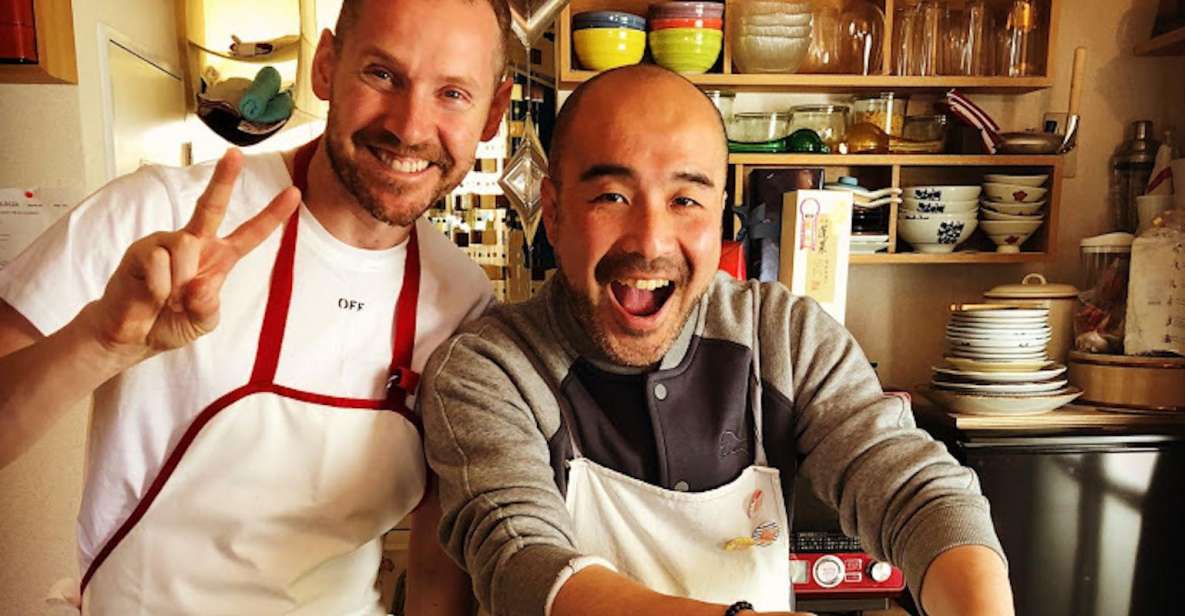
The menu is different depending on whether you come on a standard day or a popular day. The schedule breaks down like this:
- Saturday, Sunday, Monday, Tuesday (standard meal days)
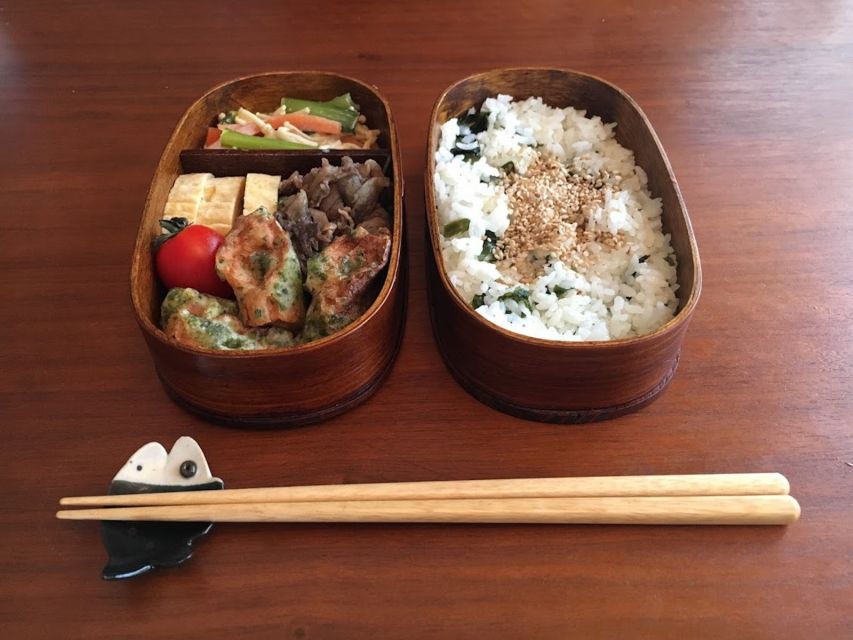
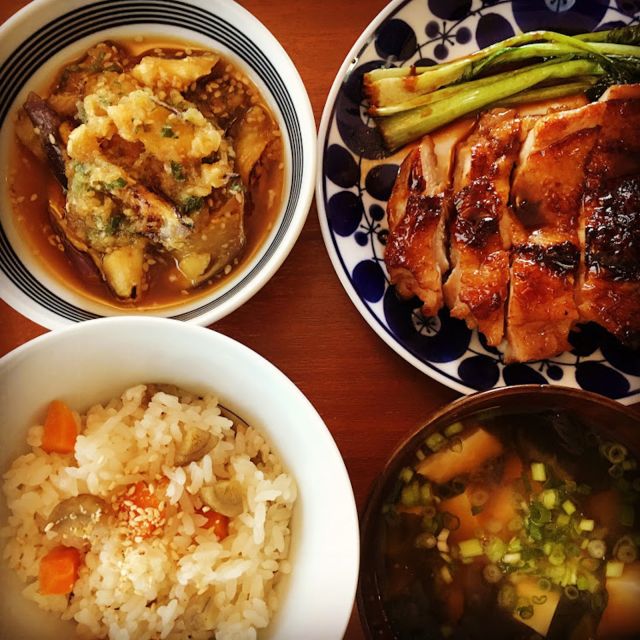
Expect dishes in the teishoku spirit—a set meal with rice, a seasonal main dish, and two seasonal side dishes. Other options can include donburi, obento, tonjiru (Japanese pork and vegetable soup), and rice balls.
- Wednesday, Thursday, Friday (popular food days)
You’ll still get seasonal-focused cooking, but the main dishes are more “hit list” Japanese comfort foods: curry rice, okonomiyaki, gyoza, ramen, rice burger, kara-age, yakisoba, and more.
In every case, you’ll cook 2 to 4 items, not an overwhelming buffet of dishes. That’s a good thing. You get to focus on technique—how Japanese seasoning works, how ingredients are handled, and what “seasonal” actually means on the plate.
One more detail that shows up again and again in people’s comments: Chef Sato doesn’t just hand you steps. He explains why Japanese kitchens treat seasonality like a baseline principle. Once you hear that logic while you’re cooking, the food choices stop feeling random.
What you’ll cook: from teishoku sets to ramen and gyoza
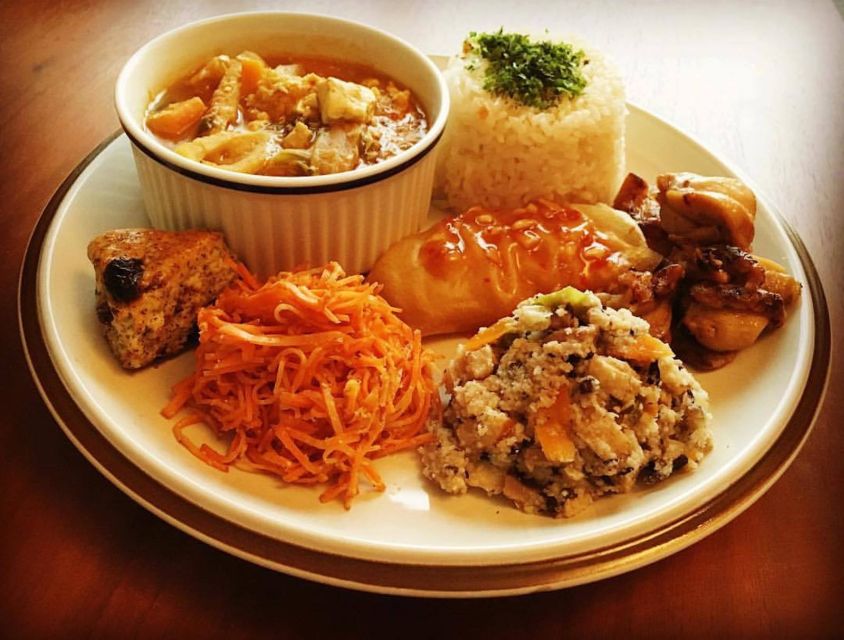
You’ll be cooking one of the day’s menus, and the exact mix depends on what’s on the schedule. But the themes are very consistent.
On standard days, the teishoku format is the backbone. You can expect a meal built around:
- rice as the anchor
- a seasonal main dish
- two seasonal side dishes
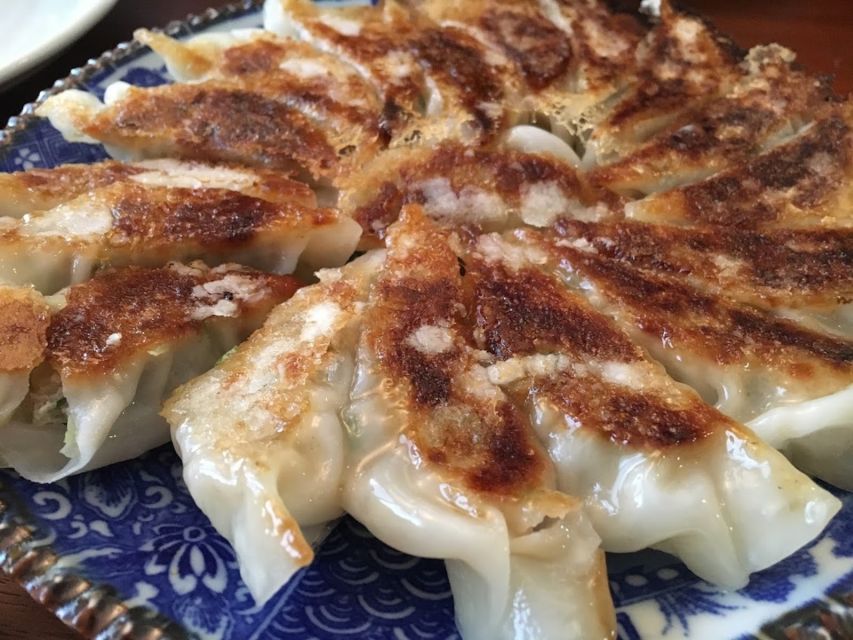
On popular days, you’re more likely to make things like gyoza or ramen-style dishes, plus sides like miso soup or other small plates depending on the menu for that day. Several accounts specifically highlight ramen and gyoza as standouts, and people love the hands-on element—making the components rather than just assembling a final bowl.
If you’re trying to decide which day to book, use this rule:
- Want classic Japanese “how meals are organized” learning? Choose the standard days.
- Want recognizable favorites and more variety in textures? Choose the popular days.
Either way, you should go in expecting seasonal ingredients to be central. Even when the dish is familiar, Japan does it with a different balance of taste and freshness.
The 3-hour rhythm: meet, cook, eat (and ask questions)
Timing depends on whether you pick the morning or evening class.
- Morning class: 10:30AM to 1:00PM
- Evening class: 6:00PM to 8:30PM
A typical flow looks like this:
- Meet at Shinjuku Station east exit police box
- Get moved toward the apartment kitchen (pickup is included)
- Start with prep and cooking instruction from Chef Sato
- Cook 2 to 4 items
- Eat the meal you made
People consistently describe the class as stress-free and welcoming. That’s not just a nice vibe thing. It affects learning. When you’re calm, you pay attention to small technique points like cutting, seasoning, and timing.
Also, Chef Sato is English-friendly. In several accounts, people mention clear explanations and plenty of space for questions. You’ll also get practical guidance that goes beyond the final dish—little handling tips that make the food easier to recreate later.
Optional morning after-walk: 1PM to 3:30PM
If you choose the morning class, you can join a short trip after cooking, from 1PM to 3:30PM. It’s described as a walk to several amazing places that you won’t necessarily find on typical guidebook routes.
This is the part that turns the lesson from “one great dinner” into a more complete Tokyo experience. Instead of spending the rest of the day hopping between major attractions, you get to see everyday neighborhood Tokyo.
Some accounts also mention an extended feel around Shinjuku and even toward Nakano. Even if you don’t map it like a checklist, the value is that you see how local areas feel after the morning crowd and how food shows up in daily life.
The after-walk is also a chance to ask Chef Sato for practical recommendations. People mention getting suggestions for desserts and other things to do, which is exactly what you want after spending hours with someone who knows the city from inside.
You can also read our reviews of more cooking classes in Tokyo


Drinks and meals: barley tea, plus what you cook
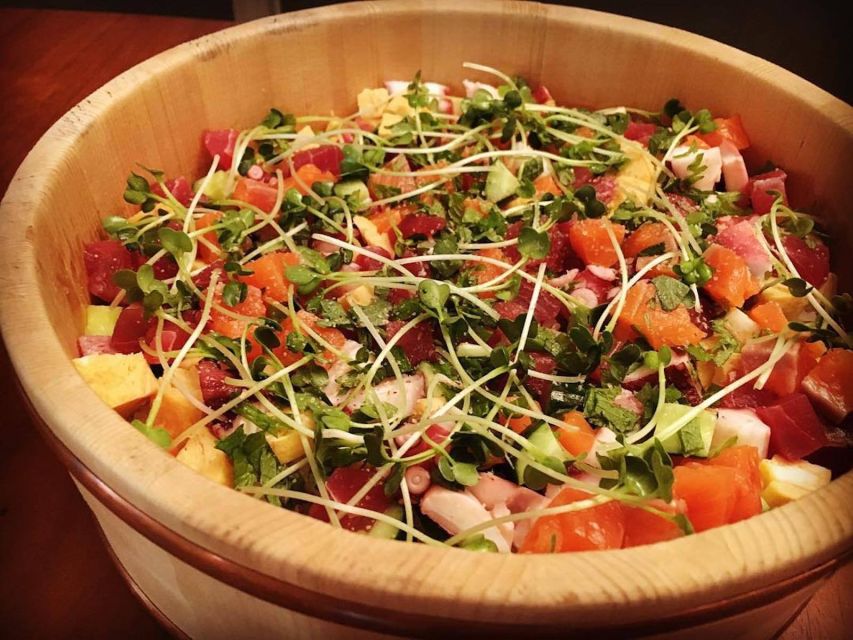
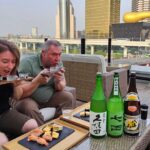
You’ll have a free drink of Japanese barley tea during the class. It’s a simple add-on, but it helps set the tone: this feels like a real meal moment, not a rushed activity stop.
Meals are included. And because you eat what you cooked, you’ll understand your own food choices. That sounds obvious, but it’s one of the biggest reasons cooking classes work so well as cultural learning. When you taste your own ramen-style dish or seasonal set, you immediately notice what’s different from what you’re used to eating back home.
It’s also why the class sticks in your memory. The cooking isn’t separate from the eating. It’s one experience.
Price: is $120 worth it for a private cooking lesson?
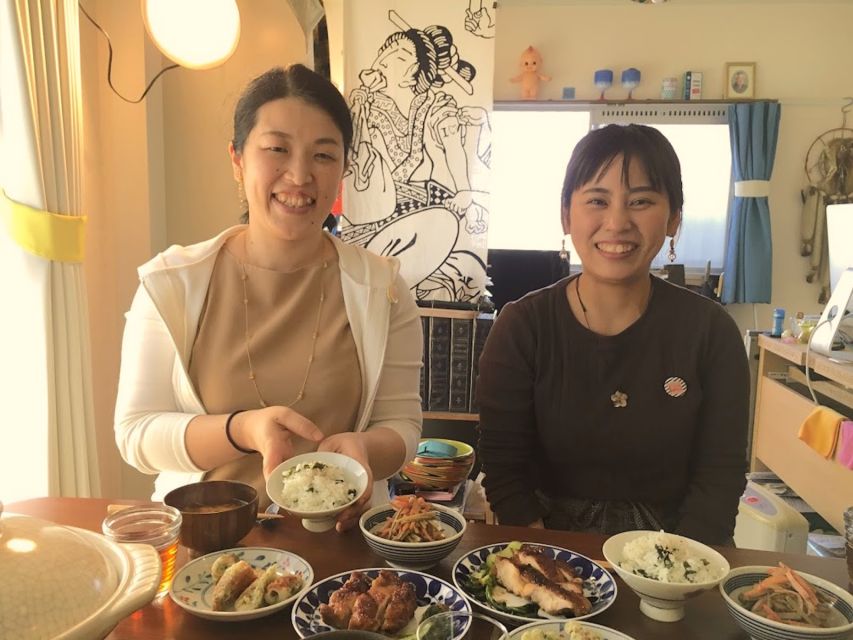
At $120 per person, this is not a budget activity. But private, home-based cooking in central Tokyo with a dedicated English-speaking chef isn’t cheap anywhere.
Here’s where the value shows up:
- You’re paying for a private group format, not a big class where you do one tiny task
- You cook 2 to 4 items, so you actually produce food, not just learn theory
- The menu is tied to Japanese seasonal cooking logic, which is hard to learn from restaurants
- You get instruction from Chef Sato, plus a short Tokyo walk in the morning option
If you compare this to what you’d spend on a nice multi-meal food plan, it’s closer than you might think. The difference is that you leave with technique and recipes you can reproduce, not just souvenirs of taste.
If you’re a couple or a small group, this price can feel more reasonable because you’re splitting the experience of a private home lesson. If you’re traveling solo, it can still be worth it, but I’d book it only if cooking is genuinely your kind of activity.
Who should book this, and who might skip it
This class is a great match if you:
- want hands-on Japanese cooking with a local chef in a home-style setting
- like seasonal food and want to understand the logic behind it
- enjoy learning through conversation and small technique tips
- want an authentic Shinjuku experience without doing it all by yourself
It might not be ideal if:
- you only want the most famous “must-eat” Tokyo foods and don’t care about seasonal technique
- you prefer very structured, large-group tours where every minute is scheduled
- you’re uncomfortable cooking (even though the class is described as relaxed, you are still actively cooking)
My booking call
Book it if you want more than another dinner out. This is a chance to learn how Japanese meals are built, from seasoning to timing to how seasonal ingredients show up in a balanced plate. Chef Sato’s teaching style, plus the optional morning walk, makes it one of those Tokyo experiences that feels like you spent time with a local, not just paid for an activity.
Skip it only if cooking doesn’t sound fun to you, or if you’re chasing a specific dish and your travel dates don’t line up with the menu type you want (standard teishoku-style days vs popular ramen/gyoza-style days).
FAQ
What time are the morning and evening cooking classes?
The morning class runs from 10:30AM to 1PM. The evening class runs from 6PM to 8:30PM.
Where do I meet Chef Sato, and is pickup included?
Meet at Shinjuku Station east exit police box (3-38-38-1, Shinjuku, Shinjuku-ku, Tokyo, 160-0022, Japan). Pickup at the meeting point is included.
What do I cook during the class?
You cook one menu based on the day of the week, typically 2 to 4 items. The options range from teishoku-style set meals to popular dishes like curry rice, okonomiyaki, gyoza, ramen, kara-age, and yakisoba.
Does the menu change depending on the day?
Yes. Saturday through Tuesday are standard meal days (teishoku set meals and similar items). Wednesday through Friday are popular food days with dishes like curry rice, okonomiyaki, gyoza, ramen, and other favorites.
Is the class private, and is it taught in English?
Yes, it’s a private group experience, and the instructor speaks English.
What’s included, and are there cancellation options?
Included are Japanese barley tea (free drink), meals, and pickup at the meeting point. Free cancellation is available up to 24 hours in advance for a full refund, and you can reserve and pay later.