REVIEW · TOKYO
Tokyo: Tsukiji Fish Market Sushi Making Class with Pro Chef
Book on GetYourGuide →Operated by Japan Wonder Travel · Bookable on GetYourGuide
Sushi starts at the fish counter. This Tsukiji class puts you right in the action, with a friendly English-speaking host and a sushi master using real market ingredients and pro-level tools.
What I like most is the way you go from technique to eating, step by step, instead of doing a quick demo and letting you guess the rest.
One thing to plan for: the classroom is on the third floor with only stairs, and it’s not set up for wheelchair users or mobility impairments.
Here are the two standout wins. First, you see fish prep up close, including a disassembly show and guidance on Japanese knives. Second, you actually make nigiri and maki yourself, then eat it with simple pairings like dashi soup and green tea.
In This Review
- Key Reasons This Tsukiji Class Works
- Tsukiji’s Sushi Culture, Up Close and Practical
- Stairs, Meeting Point, and What to Bring
- Fish Prep First: The Disassembly Show and Knife Talk
- Making Nigiri and Maki: Step-by-Step, Not Guesswork
- The Wasabi, Dashi, and Tea Pairing That Completes It
- Value Check: Does $63 Make Sense for Tokyo Sushi?
- Who This Tsukiji Class Is Perfect For
- The Logistics That Matter Most on the Day
- Should You Book This Tsukiji Sushi-Making Class?
- FAQ
- What’s included in the Tsukiji sushi making class?
- How much sushi will I make and eat?
- Is the class taught in English?
- Do you cover fish preparation before making sushi?
- How long is the experience?
- Where does the class take place?
- Is there hotel pickup or drop-off?
- Is this experience accessible for wheelchair users?
- Can the class accommodate vegetarian, vegan, halal, or kosher gluten-free diets?
- What should I do if I have allergies?
Key Reasons This Tsukiji Class Works
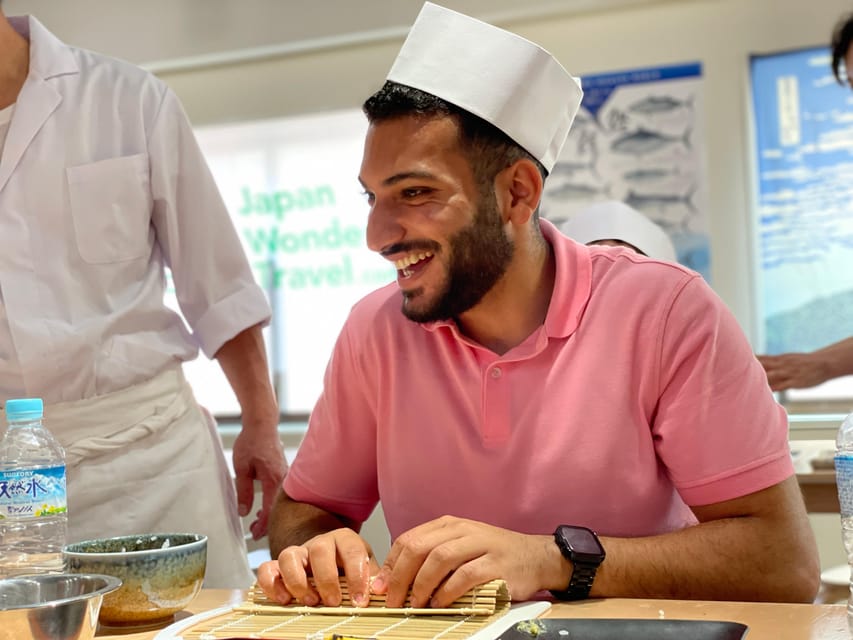
- Pro sushi master instruction: you’re taught directly by someone who works fast and clean.
- Fish disassembly show: you see how sushi-ready fish starts.
- English-speaking guidance throughout: you’re not left decoding gestures.
- Authentic utensils and tableware: the tools match the food culture.
- Your sushi to eat: 4 nigiri and 1 maki, plus extra from the master.
- Tsukiji location for exploring: you can browse the outer market before or after.
Tsukiji’s Sushi Culture, Up Close and Practical
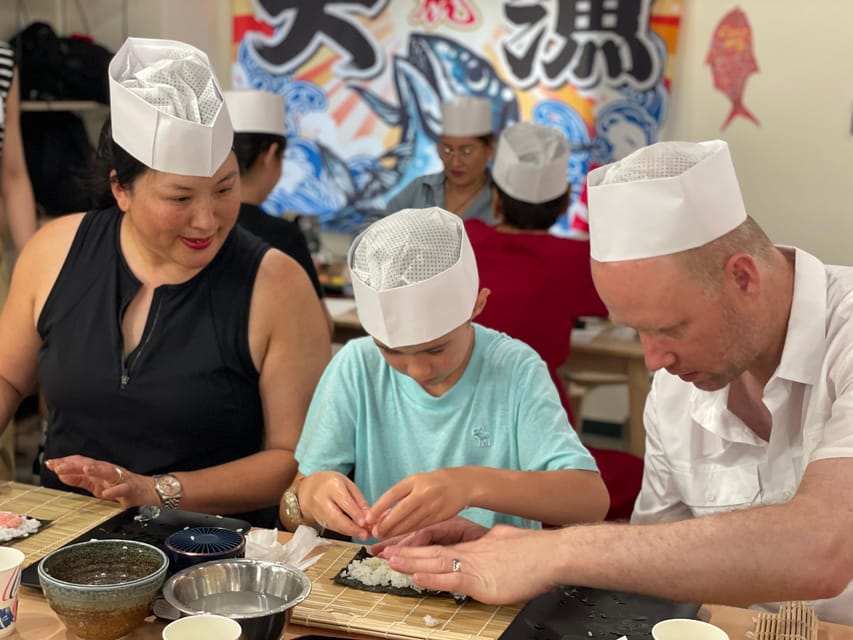
Tsukiji has a reputation, sure. But what makes this experience feel real is the way it’s built around work: fish prep, knife basics, then making sushi the way professionals think about it. You’re not just buying a souvenir or copying a template on a cooking show.
The workshop happens in Tsukiji’s outer fish market area, so you’re surrounded by the sights and smells that actually belong to the trade. That location also helps you start your day with context—then finish by doing the technique.
And yes, you’ll get the class in a traditional-style setting, in a hidden local building in the center of the outer market. It’s a small detour from the “look-but-don’t-touch” tourism style.
You can also read our reviews of more shopping tours in Tokyo


Stairs, Meeting Point, and What to Bring
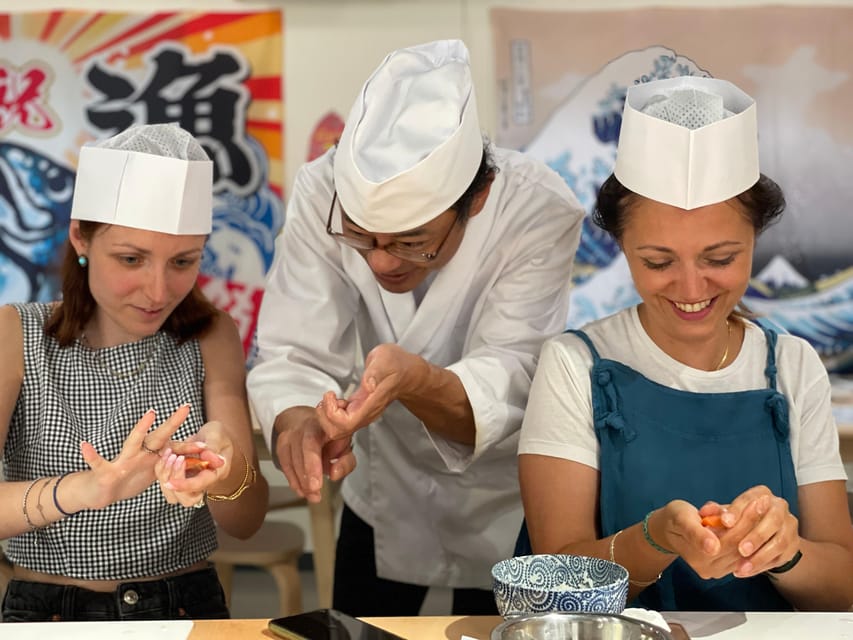
Plan for getting upstairs. The classroom is on the third floor, and there are only stairs. If you have mobility constraints, this is the part that matters most—this experience isn’t designed for wheelchair access.
Wear shoes you can stand in. Even if you’re only there briefly, the market area can be uneven, and you’ll likely do some walking before the workshop begins.
You’ll also receive a hat as part of the workshop. That’s a small thing, but it signals the culture: neat, practical, and ready to work.
Meeting point can vary depending on what option you book. So don’t assume it’s one fixed address—double-check your confirmation so you’re not doing detective work while hungry.
Fish Prep First: The Disassembly Show and Knife Talk
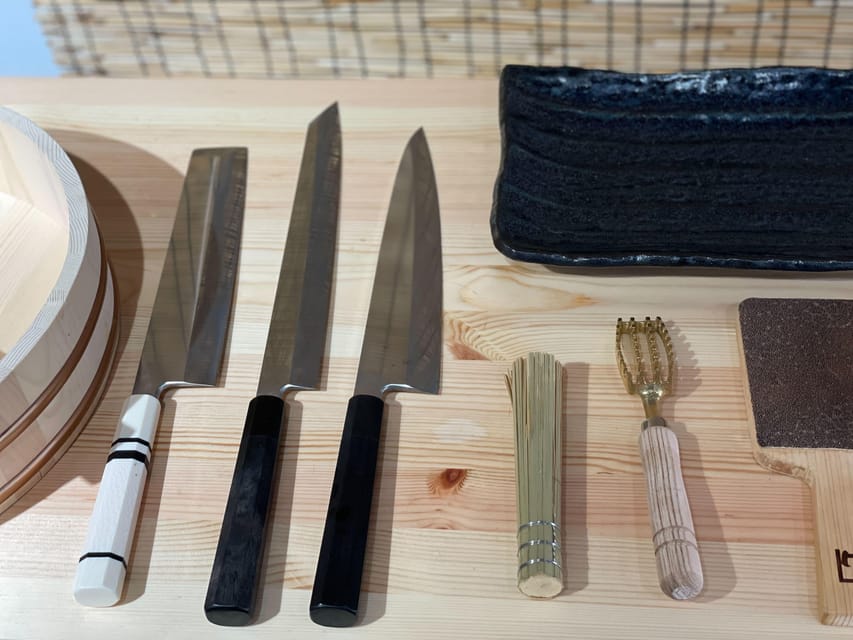
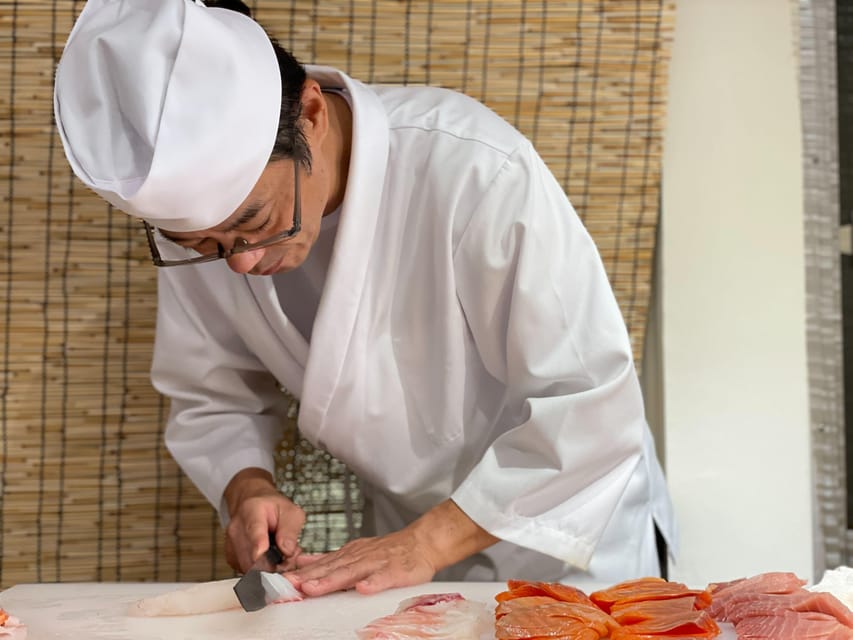
Most sushi classes focus on rolling and shaping. This one starts earlier, with a fish disassembly show by the sushi master. You get to see the work behind sushi—how fish becomes something you can confidently serve.
They also explain Japanese knives as part of the process. That matters because sushi isn’t just about taste; it’s also about control. When someone explains what the knife is doing, you understand why certain cuts happen and why speed and precision are connected.
This section is a big reason you’ll feel like you learned culture, not just cooking. Sushi is built on sourcing and preparation. Seeing the prep firsthand helps you understand what makes sushi different from most seafood dishes.
And if you worry you won’t like raw fish: the class is taught in a friendly way, and multiple people who said they don’t normally eat raw fish still found the experience enjoyable and approachable. The key is that the focus stays on technique and quality.
Making Nigiri and Maki: Step-by-Step, Not Guesswork
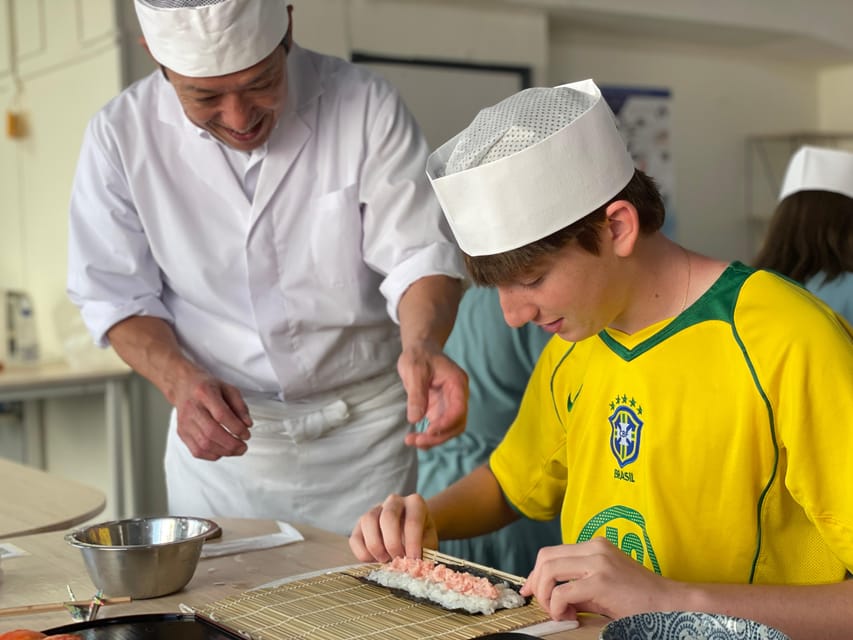
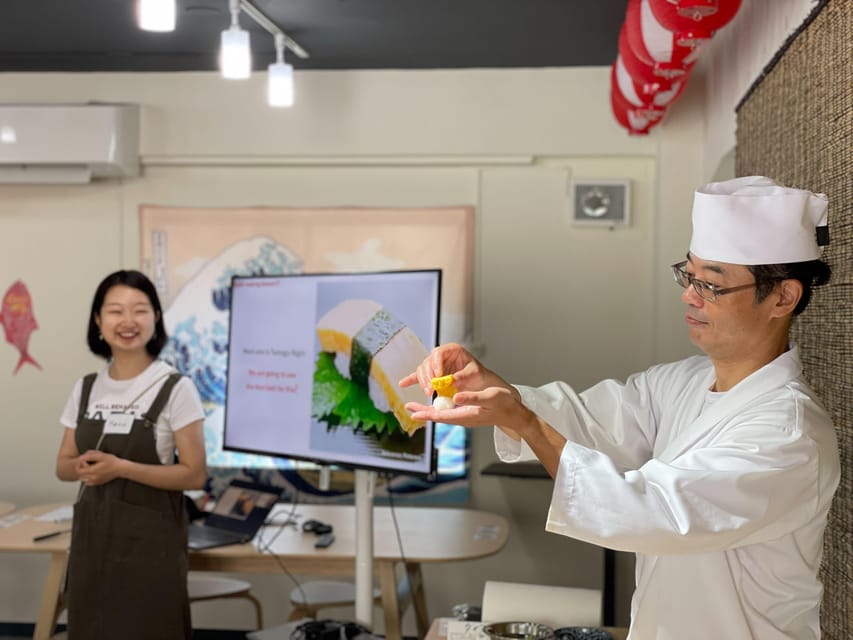
After the prep show, you move into what sushi actually is and how the pieces are made. You’ll learn the proper steps for nigiri and rolled sushi.
The hands-on part is where this class earns its price. You’re not watching someone else do everything. You’re guided step by step while using proper sushi-making utensils and authentic tableware provided through local shops.
What you’ll make is clearly defined:
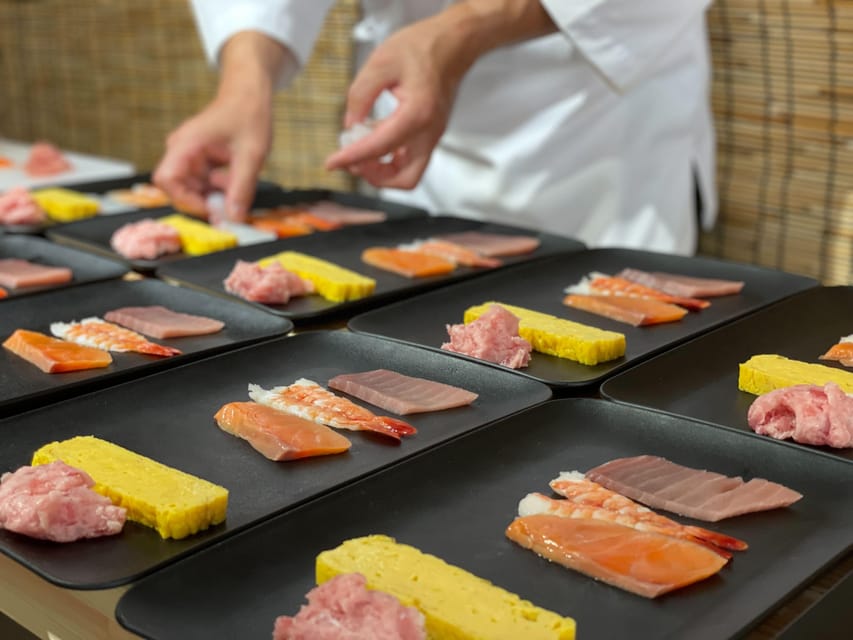
- 4 different nigiri sushi
- 1 maki sushi (rolled)
Because the class is structured around those outputs, it’s easier to measure progress. You can tell yourself: by the end, I’ll have made five pieces I can replicate later.
The English-speaking host keeps things clear while the sushi master works on the technique side. In past sessions, instructors with names like Satoko, Yuko, and AJ have helped bridge the language gap, while chefs with names like Tanaka, Kana, and Kate have handled the craft. That combo tends to be the sweet spot: clear explanations, then sharp instruction at the counter.
Small touches also add value. People often mention how patient the staff is and how feedback is given during shaping and rolling. In other words, you’re not just handed tools and sent off.
The Wasabi, Dashi, and Tea Pairing That Completes It
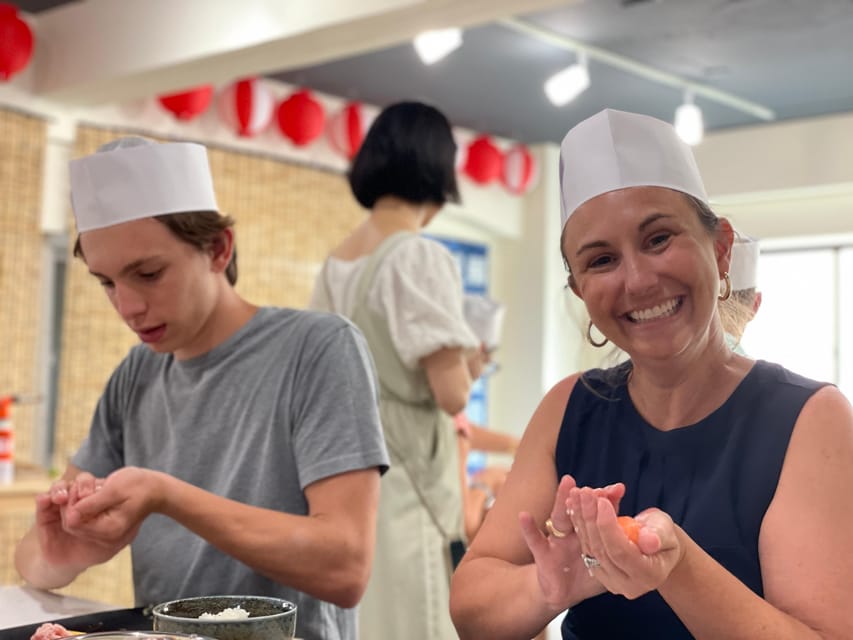
Then comes the best part: eating what you made.
You’ll eat your own sushi, and the sushi master will also prepare additional sushi. The master’s wasabi is described as fresh—so the flavor isn’t watered down or treated like an afterthought. You also get traditional dashi soup and finest green tea as a pairing.
This is the portion that turns technique into understanding. When you taste the rice, fish, and condiments together, you can connect what you learned—like preparation and handling—to what you actually like.
It’s also a good reset if you’re the kind of person who gets overwhelmed by the idea of making sushi. You’re not just practicing. You’re practicing and eating, in the same sitting, with a chef nearby to help you get it right.
You can also read our reviews of more tours and experiences in Tokyo


Value Check: Does $63 Make Sense for Tokyo Sushi?
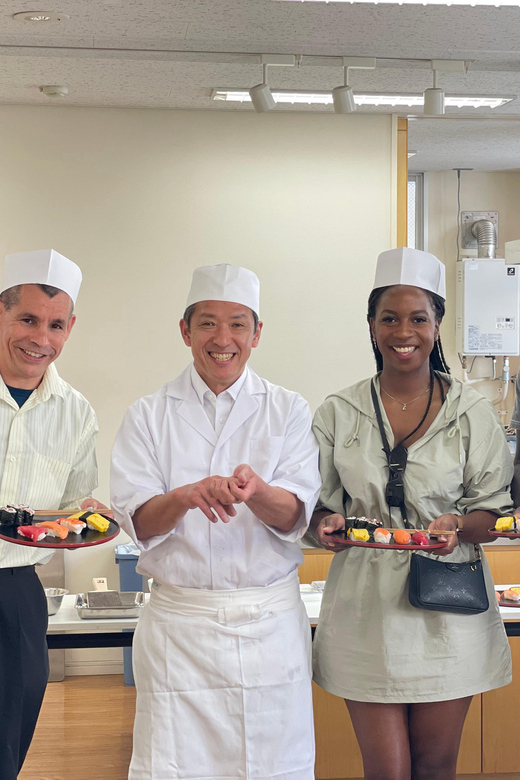
At around $63 per person, the big question is whether you’re paying mostly for the “market location” or for the instruction. In this case, you’re paying for instruction plus ingredients plus tools plus the meal.
Here’s what’s included:
- Fresh ingredients sourced from Tsukiji
- Proper utensils and tableware
- Sushi you make (4 nigiri and 1 maki)
- Additional sushi made by the master
- Tea and dashi soup
- An English-speaking host and a professional sushi master
- A hat
That package is why this feels like more than a novelty class. In Tokyo, sushi meals can get expensive fast, and a lot of cooking experiences don’t give you enough training to feel confident later. Here, the structure is built around real skill practice and a full tasting, not a light appetizer workshop.
Also, the fact it runs in a market area means you can turn it into a half-day plan. You can explore before or after without adding extra transportation time for a separate cooking studio far from the source.
Who This Tsukiji Class Is Perfect For
This is a strong fit if you:
- Love sushi and want the why, not just the how
- Prefer hands-on learning with a clear endpoint (you’ll make and eat specific pieces)
- Want an experience tied to Tsukiji’s real working environment
It’s family-friendly, and the setup can work well for older kids. The class is not suitable for children under 4.
It may be a tougher fit if you:
- Need wheelchair access (third floor stairs only)
- Are looking for vegetarian or vegan options (not accommodated)
- Need halal or kosher gluten-free meals (not accommodated)
- Have allergies (they try to accommodate allergy-related requests, but it may not be possible—so you must tell them when booking)
If you fall into the allergy category, don’t treat that as a side note. Communicate it clearly in advance so the team can tell you what’s feasible.
The Logistics That Matter Most on the Day
A few practical things will make your day smoother.
First: plan timing so you’re not racing off immediately after. The activity may go beyond the scheduled ending point, and it helps to tell them if you have an appointment right after.
Second: expect stairs. If you’re meeting the class after walking around Tsukiji, you’ll appreciate building in a little buffer time for the climb.
Third: don’t rely on hotel pickup. Hotel pickup and drop-off aren’t included. You’ll need to get yourself to the meeting point option shown on your booking.
Finally: don’t assume you’ll have a market tour built in. Guidance through the market isn’t listed as included, so if you want to browse, treat it as your own exploration around the class time window. The host will guide you through the experience itself, but you should plan for your own market walking.
Should You Book This Tsukiji Sushi-Making Class?
Book it if you want an authentic sushi skill session tied to Tsukiji, with a real chef teaching you nigiri and maki and then letting you eat your results. The combination of fish prep context, Japanese knife instruction, and hands-on making is what makes this feel worth your time.
Skip it if stairs are a problem for you, or if you need vegan/vegetarian/halal/kosher gluten-free options. And if you have allergies, book only after you’ve confirmed what can be accommodated.
If you’re a sushi fan, this is one of the cleaner ways to turn Tokyo’s food culture into something you can recreate at home—without turning it into a stressful scavenger hunt.
FAQ
What’s included in the Tsukiji sushi making class?
You get a family-friendly sushi workshop with an English-speaking host and a professional sushi master. Fresh ingredients, proper utensils, and authentic tableware are provided, and you eat the sushi you make (4 nigiri and 1 maki) plus additional sushi made by the master. Tea and dashi soup are included, along with a hat.
How much sushi will I make and eat?
You’ll make and eat 4 different nigiri sushi and 1 maki sushi. You’ll also eat additional sushi prepared by the sushi master.
Is the class taught in English?
Yes. The instructor and host are English-speaking, and the class is presented in English.
Do you cover fish preparation before making sushi?
Yes. The experience begins with a fish disassembly show by the pro sushi chef, including explanation of steps for preparing fish for sushi. There’s also discussion of Japanese knives.
How long is the experience?
The duration ranges from 90 minutes to 4 hours, depending on the starting time option available.
Where does the class take place?
The classroom is located in a hidden local building inside the Tsukiji outer fish market area. The meeting point can vary depending on the booking option.
Is there hotel pickup or drop-off?
No. Hotel pickup and drop-off are not included.
Is this experience accessible for wheelchair users?
No. The classroom is on the third floor with only stairs, and it is not suitable for wheelchair users or people with mobility impairments.
Can the class accommodate vegetarian, vegan, halal, or kosher gluten-free diets?
Unfortunately, it does not accommodate vegetarian, vegan, halal, or kosher gluten-free requests.
What should I do if I have allergies?
Let the team know when you make the reservation. They try to accommodate allergy-related requests, but it may not be possible depending on the ingredients.