REVIEW · TOKYO
Tokyo: Day Trip to Kamakura in Spanish – Spanish
Book on GetYourGuide →Operated by NIPONEANDO · Bookable on GetYourGuide
Old temples in Spanish, no stress logistics. I love the Spanish-speaking guides and the chance to ride an old tram toward Hase-dera Temple. The only real drawback is cost and carry-on: public transport and temple tickets are extra, and large bags are not allowed.
You start at Tokyo Station and spend an organized day moving by train, tram, and short walks, which keeps you from wasting time. I also like the small-touch extras: you get tips and recommendations so you know what to try for lunch and how to keep enjoying Kamakura after the tour ends.
The route isn’t for everyone: the tour is not suitable for wheelchair users, and hearing-impaired access may be hard. Language is Spanish as the main plan, but you might hear some English if a guide adjusts on the day.
In This Review
- Key things to know before you go
- Kamakura Feels Like Another Side of Japan (Not Just a Stop)
- Tokyo Station to Kamakura: the logistics that save your time
- Hase-dera by old tram: legends you can walk through
- Kotoku-in and the Great Bronze Buddha: size you have to face
- Main Street breaks: lunch, shopping streets, and a breather
- Spanish guidance: what it adds (and where you should be flexible)
- Price and value: what the $86 actually buys
- Accessibility and day-trip reality checks
- Who should book this Kamakura day trip in Spanish?
- Should you book NIPONEANDO’s Kamakura tour?
- FAQ
- Is the tour offered in Spanish?
- Where do we meet in Tokyo?
- How long is the Kamakura excursion?
- Is transportation included in the price?
- Are temple tickets included?
- Is this tour suitable for wheelchair users?
Key things to know before you go
- Spanish-first guidance with friendly, personalized explanations
- A tram ride to Hase-dera Temple that adds charm beyond the walking
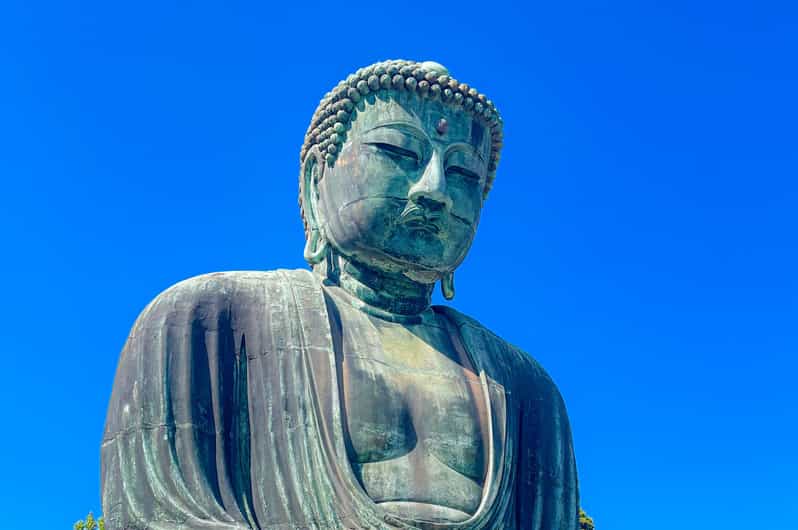
- Kotoku-in’s Great Bronze Buddha with serious size and weight (13 meters, 121 tons)
- Main street time for lunch and shopping, so the day doesn’t feel rushed
- Guides who adjust the pace for families and different group rhythms
- Light packing matters since large bags and luggage are not allowed
Kamakura Feels Like Another Side of Japan (Not Just a Stop)
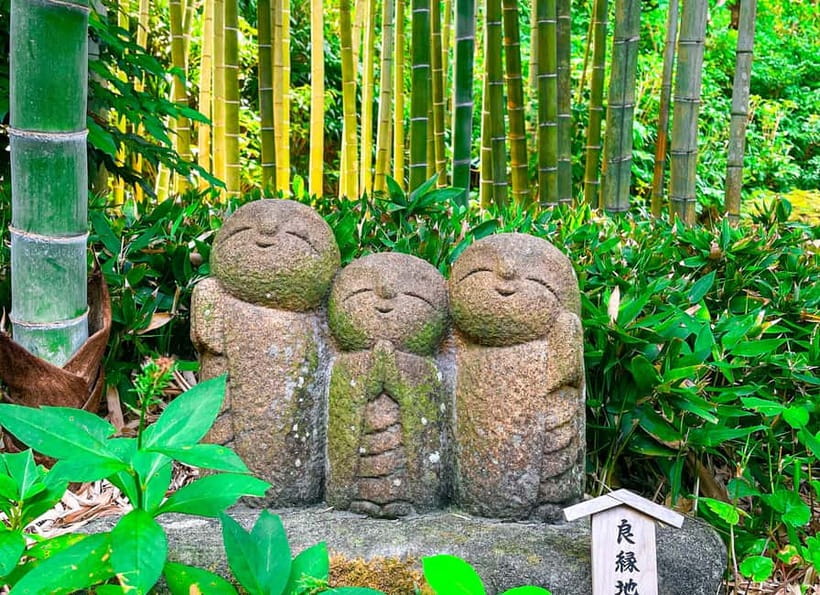
If Tokyo is your fast, bright baseline, Kamakura is your slower, older mood shift. This day trip is built around the feeling of sacred quiet—temple grounds, legend-heavy storytelling, and greenery that you notice the moment you step off the main transit flow.
What you’re really buying here is focus. Instead of trying to map out temples on your own, you get a clear order: first the myth-filled Hase-dera area, then the iconic Kotoku-in Great Buddha, then a breathing-space break on Kamakura’s main shopping street. It’s a simple route that makes sense in one packed day.
I also like that the tour is set up for learning without turning into a lecture. The guides weave history and legends into what you can actually see as you walk from stop to stop. That matters because Japanese temple sites are best understood with context, not just photos.
You can also read our reviews of more tours and experiences in Tokyo



Tokyo Station to Kamakura: the logistics that save your time
The tour meets in front of the Tokyo Station facade, at Marunouchi Square (central exit). From there, you take a train to Kamakura. It’s a straightforward start, and starting from Tokyo Station is a big advantage: it’s easy to find, easy to regroup, and you’re not hunting around multiple local stations.
One practical note: this isn’t a drive-by experience. Public transportation is part of the plan, and you’ll also use a tram once you’re in Kamakura. That combination is why the day feels efficient: trains handle distance, the tram handles the local hop, and walking handles the temple viewing.
You’ll also want to pack lightly. The tour doesn’t allow luggage or large bags. If you’re coming from another hotel with big suitcases, plan to store them before joining. Think day bag only, plus water and a light layer.
Finally, plan around the fact that temple tickets and transit costs are not included in the base price. The tour does the routing and guidance. You handle the add-ons.
Hase-dera by old tram: legends you can walk through
After the train ride, you board one of the oldest trams still in operation in Japan. That small detail makes the day feel more than “just another temple visit.” A tram ride in Japan has its own rhythm—quiet windows, short distances, and that sense that you’re traveling inside the town rather than just arriving at it.
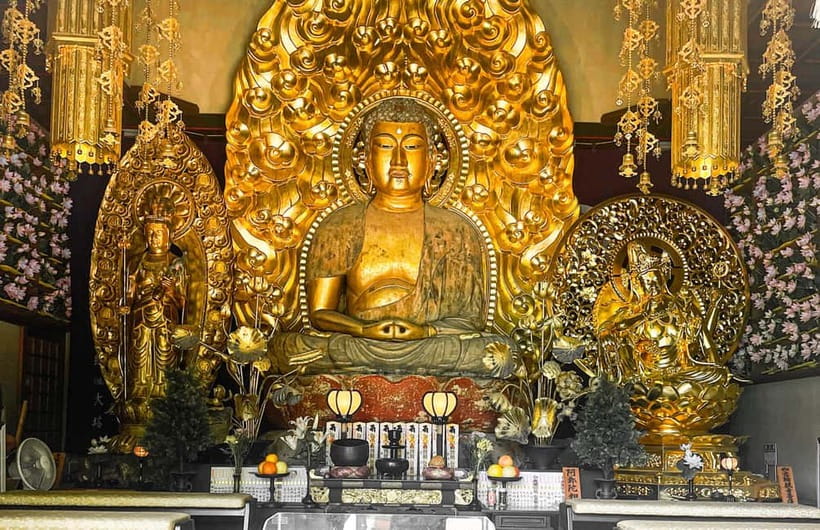
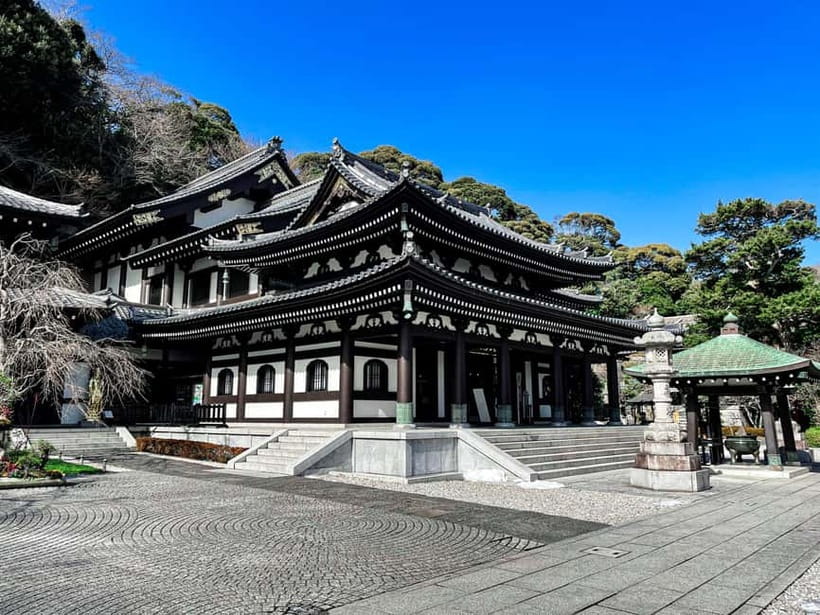
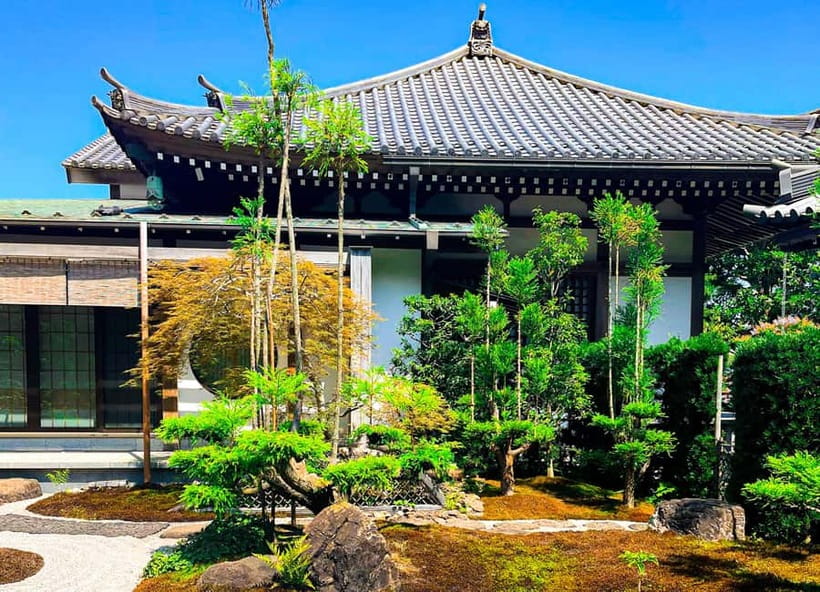
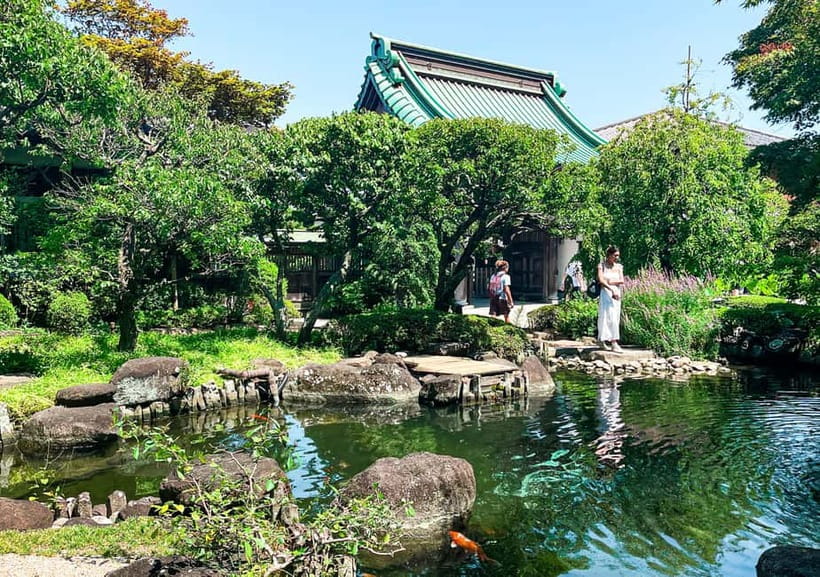
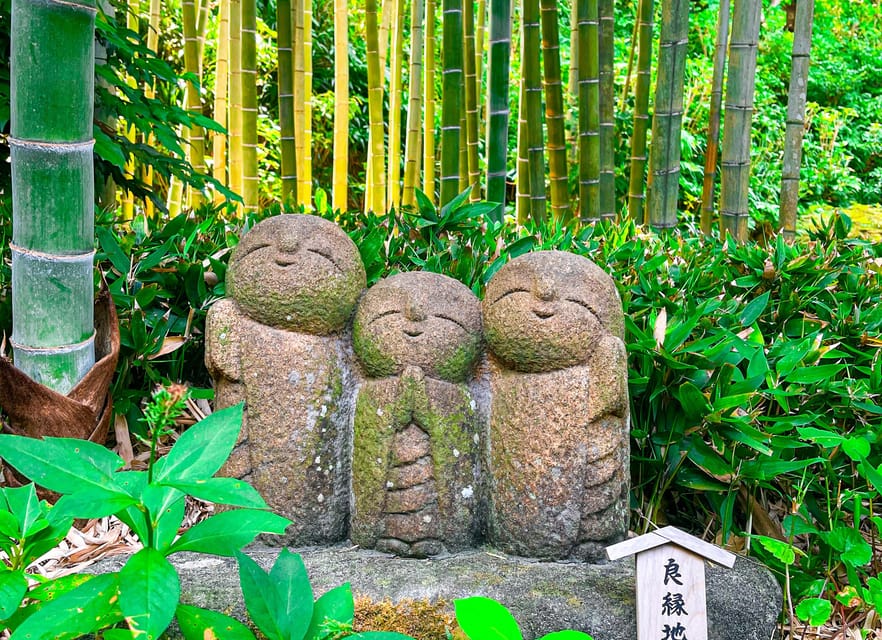
From there, you reach Hase-dera Temple, a stop specifically chosen for its myths and legends. This is the kind of temple where the story helps you see the place differently. You’re not only looking at architecture or statues; you’re learning what people believed, what the myths explain, and why certain spots matter. As you explore more, the site’s meaning starts to click.
What I like about starting here is the emotional tone. Hase-dera sets the pace for the rest of the day: serene, spiritual, and layered. If you enjoy temples with backstories (not just sightseeing), this is a good entry point.
A small consideration: because you’ll be walking around temple grounds and viewpoints, wear comfortable shoes. The tour is designed for a full day, so don’t count on long stretches of sitting.
Kotoku-in and the Great Bronze Buddha: size you have to face
Next comes Kotoku-in Temple, home to the second largest bronze Buddha in Japan. The numbers are the point: the Buddha measures 13 meters and weighs 121 tons. Those aren’t “museum exhibit” dimensions—they’re the kind you feel when you look up and realize scale in human terms.
You’ll walk over to Kotoku-in after Hase-dera. That walk is part of the experience: it keeps the day moving, and it lets the town’s atmosphere seep in. Kamakura isn’t only temples. It’s also streets, shops, and everyday life happening around the sacred sites.
At Kotoku-in, the guide’s job becomes very practical. With the right context, you notice details you’d miss on your own—how people approach the space, what the symbolism points to, and why this Buddha became such an anchor for the town.
If you’re the type who likes seeing one big icon properly, this stop will satisfy you. It’s the centerpiece feeling of the tour.
Main Street breaks: lunch, shopping streets, and a breather
After the temples, the tour shifts to the settlement itself: the main street lined with shops. This is when Kamakura shows its everyday personality. You get time for lunch and time to explore the shops before heading back to Tokyo.
I like this design because it prevents the classic day-trip problem: temples all day, then you’re starving and rushed. Here, the meal moment is built in. It’s also your chance to pick what fits your taste—snacks, small bites, and souvenirs—without being tied to one fixed restaurant.
Also, the guides provide recommendations and tips, so you’re not left staring at menus wondering what’s worth the effort. Even if you don’t follow every suggestion, it helps you get your bearings fast.
Budget tip: since drinks and food aren’t included, bring a rough plan for how much you want to spend on lunch. If you’re traveling with picky eaters, having guided input beforehand usually reduces stress.




Spanish guidance: what it adds (and where you should be flexible)
This tour is offered in Spanish, and the guides are a major part of the value. The day is set up so you can understand legends and historical context without translating in your head every minute.
The guides named for these tours—Emi, Camila, Nikita, Ori, Paula, and Nerea—are described as friendly and effective, with explanations that connect directly to what you’re seeing. You also get recommendations so you can keep enjoying the trip after the final train ride.
One practical thing to expect: Spanish is the stated language, but there was at least one instance where a guide also provided English. If you rely completely on Spanish only, you might still want a backup plan in your mind, like using simple temple vocabulary or being ready to ask for clarification.
If your Spanish is intermediate, this tour is still likely to work well because the scenery gives you clues while you listen. If you’re a true beginner, you’ll still pick up names of temples and story beats, but you may not catch every detail.
Price and value: what the $86 actually buys
The listed price is $86 per person, and the excursion is 8 hours. That base cost covers the core experience: Spanish-guided temple sightseeing and the organized flow of the day.
But here’s the part you should plan for: transportation (¥2,300) and temple tickets (¥700) are not included. Drinks and food also aren’t included. In other words, you’re not paying only for narration—you’re paying for someone to plan the route, guide you through the key sights, and manage the day so you don’t have to do the temple logistics yourself.
Is it good value? For me, the answer is yes if:
- you want Spanish explanations,
- you’d rather not figure out tram stops and temple order on your own,
- you like getting tips for lunch and what to look for.
If you already know the route well, speak Japanese comfortably, and want maximum freedom, you might do it cheaper on your own. But you’d give up the structured story-telling and the time management of an 8-hour plan.
In short: the base price buys direction and context, and the added yen buys getting there and entering temple sites.
Accessibility and day-trip reality checks
This tour has clear limits. It is not suitable for wheelchair users and it is not suitable for hearing-impaired people. It also doesn’t allow luggage or large bags, and unaccompanied minors are not allowed.
If your group includes someone with mobility or sensory needs, you’ll want to consider a different format. The route is built on trains, a tram, and walking between temple areas and shopping streets. That creates natural barriers even on a smooth day.
If you’re coming as a family, the tour can still work well. One of the guides described was patient and adjusted pace for children, which is exactly what you want in a day like this where attention spans vary.
Who should book this Kamakura day trip in Spanish?
Book this if you match a few of these:
- You can enjoy temples more when you understand the stories in Spanish.
- You want a structured day that hits Hase-dera, Kotoku-in, and Kamakura’s main shopping street.
- You prefer friendly guides who offer practical recommendations for lunch and what to focus on.
- You like the idea of riding an older tram for a local feel, not just walking from one landmark to another.
Skip it if:
- you need wheelchair access,
- you need hearing support accommodations,
- you’re traveling with big luggage,
- you’re aiming for a highly independent, pick-your-own-tempo day with no guided pacing.
Should you book NIPONEANDO’s Kamakura tour?
If you’re craving the Kamakura vibe but want to do it without planning headaches, I’d lean yes. The biggest strengths are the Spanish-first guidance, the sensible order of stops, and the built-in break on the main street for lunch and shopping time. You come away with clear impressions of both the myths at Hase-dera and the sheer presence of the Great Bronze Buddha at Kotoku-in.
My decision rule is simple: if you value guided context and a smooth day flow more than saving a few yen by going fully on your own, this is a solid pick.
FAQ
Is the tour offered in Spanish?
Yes. The language for the excursion is Spanish.
Where do we meet in Tokyo?
You meet in front of the Tokyo Station facade in Marunouchi Square (central exit).
How long is the Kamakura excursion?
It’s an 8-hour excursion.
Is transportation included in the price?
No. Transportation is not included. It’s listed as ¥2,300.
Are temple tickets included?
No. Temple tickets are not included and are listed as ¥700.
Is this tour suitable for wheelchair users?
No. It is not suitable for wheelchair users.