REVIEW · TOKYO
Tokyo: Sumo Morning Practice Viewing Tour at a Real Stable
Book on GetYourGuide →Operated by Local Guide Stars · Bookable on GetYourGuide
Waking up for sumo feels like time travel. This 2-hour tour puts you inside a real Tokyo training stable in the historic sumo area, where you’ll see the sport as work, not a performance.
I especially like the up-close viewing right beside the ring, plus the way your English guide (names like Mao, Yuki, Kawa, and Tomo have led groups) explains what you’re seeing so it actually clicks.
The main drawback is the strict, early-morning etiquette: you have to stay for the full practice window and follow rules like staying quiet, phones on silent, and not standing up.
In This Review
- Key points before you go
- Why a Tokyo sumo stable tour feels different from a show
- Getting to Kiyosumi-Shirakawa and the short hop to the stable
- Inside the stable: what the morning practice really looks like
- The guide’s role: rules and rituals that turn chaos into understanding
- The stable rules: small behavior changes that make a big difference
- Meeting and talking with wrestlers outside training hours
- Price and value: is $98 worth it for a 2-hour morning?
- Who this tour suits best (and who should skip it)
- What to expect on the timeline (and how not to lose your time)
- Should you book this sumo morning practice viewing tour?
- FAQ
- How long is the sumo morning practice viewing tour?
- Where do I meet the guide?
- How do I get to Kiyosumi-Shirakawa Station?
- Is the tour guided in English?
- Can I speak with the wrestlers?
- What are the rules during the practice?
- Is it suitable for children?
- What happens if I arrive late?
Key points before you go
- Real stable access: normally closed to the public, so this feels genuinely rare in Tokyo
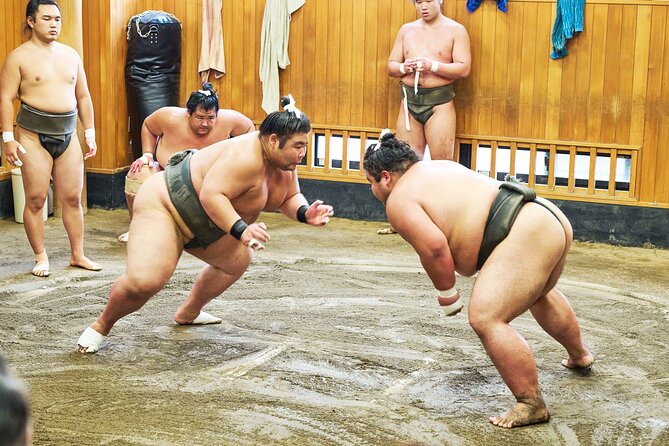
- Close to the action: you watch from the side of the ring, with training happening just feet away
- English explanations: your guide walks you through rules, rituals, and meaning behind movements
- Off-training conversation: you get a chance to speak with wrestlers outside practice hours
- Early start behavior: modest clothing, no noise, and you must stay until the practice ends
Why a Tokyo sumo stable tour feels different from a show
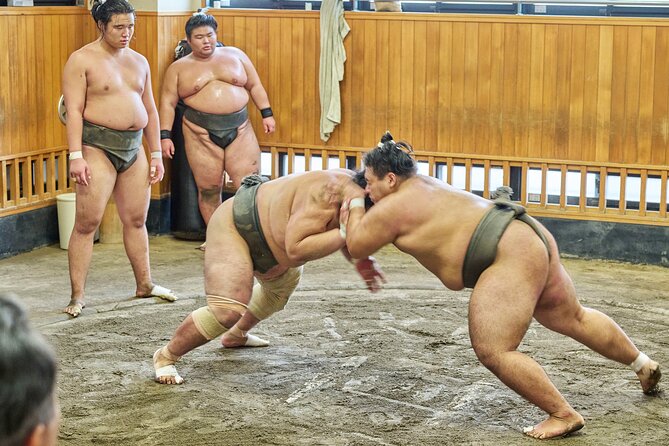
Tokyo has plenty of sumo-themed experiences. This one has a different energy because you’re stepping into a working stable—where wrestlers train, live by routine, and treat practice like serious business. The point isn’t spectacle. It’s discipline: repeated motion, controlled intensity, and ritual you can see with your own eyes.
I like that the tour leans into meaning, not just moves. Your guide explains why sumo looks the way it does: the rules that decide bouts, the cultural and spiritual roots behind the ceremony-like actions, and how training connects to tournament life. When you understand the purpose behind each step, even a long drill turns from random workout into a clear system.
The other big advantage is access. Stable visits are not something most people can just walk into. This tour is built for that rare opening, which is exactly why it’s worth getting up early and following the stable’s rules.
You can also read our reviews of more tours and experiences in Tokyo

Getting to Kiyosumi-Shirakawa and the short hop to the stable
The meeting point is at Kiyosumi-Shirakawa Station, Exit A1. You can reach it using the Toei Oedo Line or the Hanzomon Line. From there, you’ll meet your guide (they’re holding a sign that says Local Guide Stars) and then you may take a train to the sumo stable.
This matters because it affects how early you should arrive. The tour is time-sensitive: if you’re late, entry may not be possible. Also, the practice window is tied to a specific morning routine—your schedule is built around it. If you hate rushing, this is still doable, but you’ll want buffer time and calm logistics.
Practical tip: plan to arrive at least 30 minutes early. Not because you’ll be bored, but because late arrivals can shrink your time at the stable, and once you’re in the stable area you’re expected to be fully present.
Inside the stable: what the morning practice really looks like
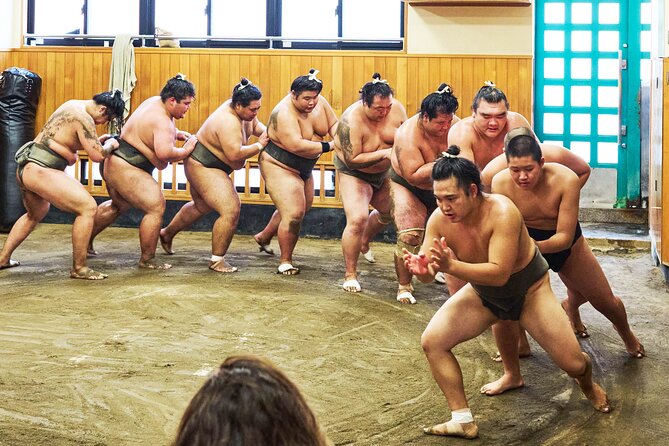
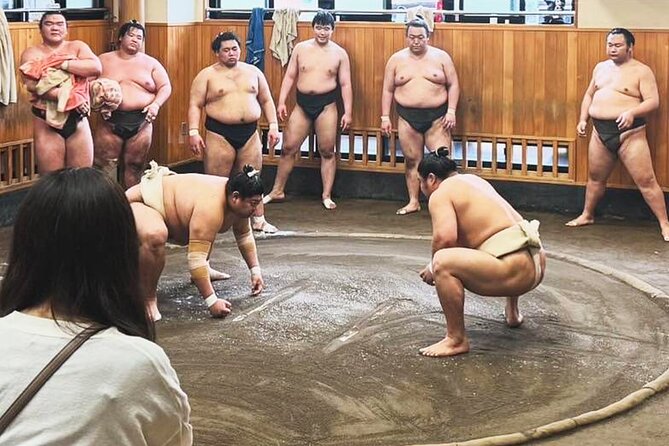
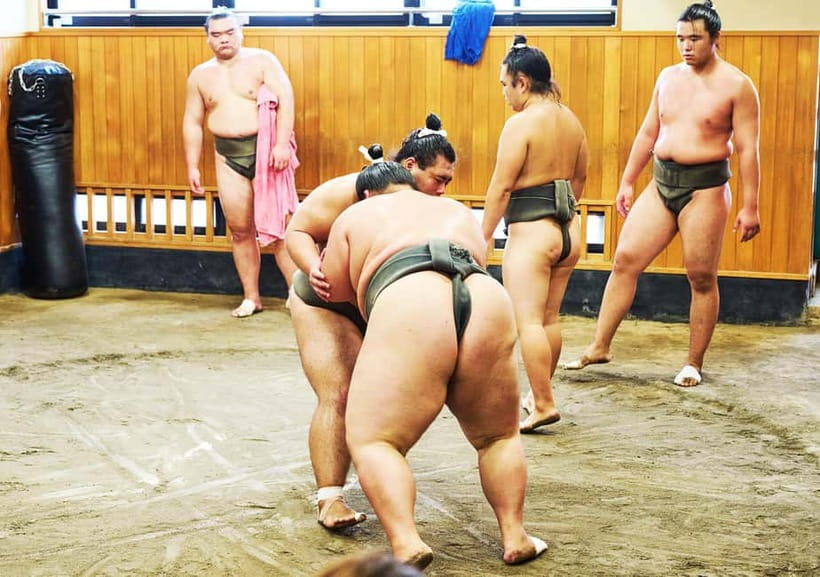
The heart of the tour is watching morning practice up close. Depending on the day’s schedule, practice runs roughly 09:00 to 10:00, and you’ll need to stay until the end. Once you leave the stable, there’s no re-entry. That’s not a “maybe” rule—it’s a hard boundary.
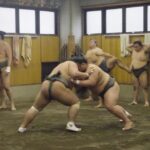
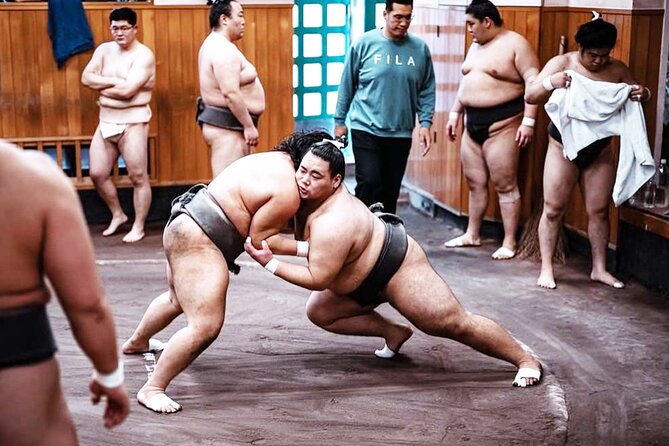
You’ll sit or stand to view from the side of the ring, so your view isn’t distant. You’re close enough to notice the details that make sumo feel physical and fast: the force, the close contact, and the way wrestlers shift their balance in tiny increments that look almost invisible until you’re right there.
This is also where you learn the sport’s basic win condition in a real way. Matches are won by forcing your opponent out of the ring or by making any part of the body touch the ground. Seeing wrestlers push for that exact outcome turns the rules into muscle memory.
One theme that comes through strongly in how this experience is described: the wrestlers treat it like training. You aren’t the center of their morning. They’ll keep working. That’s exactly what makes it feel authentic.
The guide’s role: rules and rituals that turn chaos into understanding
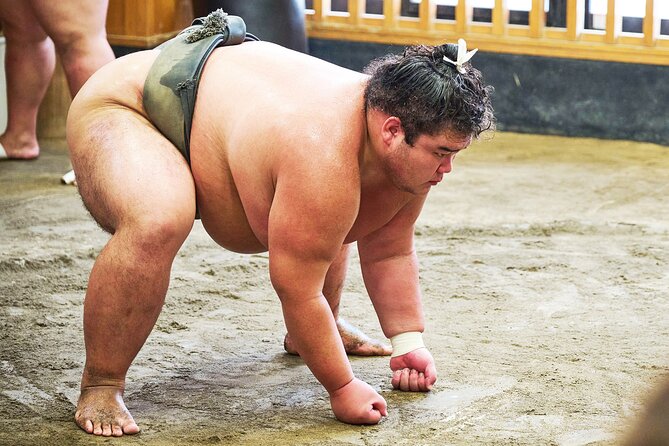
A sumo stable can look confusing if you only catch a few minutes. That’s why the guide portion matters so much. Before practice, your English-speaking guide explains sumo rules and rituals in a way that helps you follow along rather than just watch hard work from the sidelines.
Guides with this tour have been praised for being clear and patient, including when latecomers have caused some schedule strain. That tells you something important: your guide isn’t just reciting facts. They’re managing the group so the stable’s work can continue smoothly.
During the explanations, you’ll also hear about sumo’s spiritual and cultural connections. Sumo is rooted in Shinto beliefs, and that shows up in the way rituals sit alongside training. You might see ceremonial aspects tied to tradition, and your guide helps connect what you’re seeing to why it matters.
If you care about culture beyond food and photos, this is the best part. You leave with a framework for what happens in the ring—so watching a tournament on TV later won’t feel like watching strangers exercise.
The stable rules: small behavior changes that make a big difference
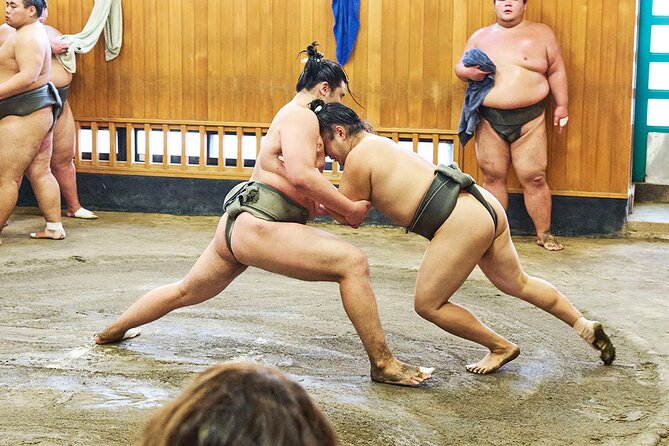
This is a workplace. The tour is run inside a training environment, so etiquette isn’t optional. Here are the rules that affect your comfort and your ability to enjoy the session:
- No noise during practice
- Modest clothing only
- Don’t stand up or move around during the practice
- Phone on silent
- You may also be asked not to eat or drink while you’re in the stable area (water is typically the only acceptable exception, but follow what staff indicate)
Why this matters: if you’re scanning around, speaking, or treating it like a sightseeing stop, you’ll disrupt the entire flow. And the wrestlers do not train slower just because you’re there.
Also, you must plan your timing. You’ll need to stay until the end of practice. If you have a commitment right afterward, let the operator know in advance because the practice/tour can run a bit shorter or longer than expected.




Meeting and talking with wrestlers outside training hours
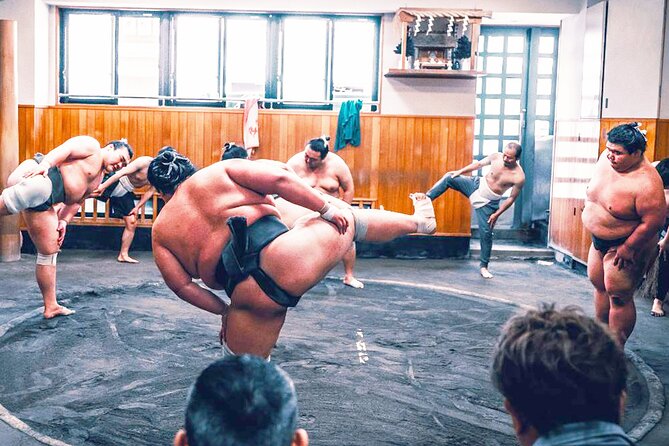
One of the most meaningful benefits here is the chance to speak with wrestlers outside training hours. You’re not just observing; you get an opportunity to ask questions and get a more human view of the sport and its demands.
You should come with a couple of simple, respectful question themes. For example:
- what training focuses on each morning
- how rituals connect to mindset
- what it takes to work up the ranks through tournaments
Some groups have also been able to take photos during the off-training interaction, but the key point is that this part depends on the stable’s schedule and how training day flows. Stay flexible and follow your guide’s cues.
Remember: the wrestlers are working. If a moment is brief, don’t push for extra time. Quick, thoughtful questions land better than a long interview vibe.
Price and value: is $98 worth it for a 2-hour morning?
For many Tokyo activities, you pay for convenience, views, or a guide. This one includes those things, but the value is deeper: it’s access to a real stable that’s typically closed to the public, plus guided context so you’re not just paying to “watch wrestling.”
At $98 per person for 2 hours, you’re paying for three core ingredients:
- Rare entry into a training stable in the historic sumo district area
- An English guide who explains rules and rituals before you watch
- A chance to speak with wrestlers outside training hours
If what you want is a quick culture photo stop, this may feel like a lot. If what you want is to understand sumo as tradition and training—and see it with your own eyes near enough to feel the intensity—then the price starts making sense fast.
The value also depends on your willingness to follow rules. If silence, modest clothing, and staying seated are uncomfortable for you, the experience will feel harder to enjoy. But if you’re game for that, the payoff is real.
Who this tour suits best (and who should skip it)
This tour is not suitable for children under 11. That makes sense because the stable rules are strict (silence, no moving around, and a full practice window). If you’re traveling with kids, this is one of those Tokyo experiences you’ll likely need to plan around.
This tour is a great fit if you:
- want a culture-forward Tokyo morning, not just a checklist activity
- like sports when you understand the rules and training logic
- enjoy learning from an English guide and asking questions
- appreciate authenticity over staged spectacle
It may be less ideal if you:
- dislike early starts
- struggle to stay seated quietly for the duration
- need frequent breaks during time-sensitive events
What to expect on the timeline (and how not to lose your time)
Plan for a tight morning rhythm. You’ll meet at Kiyosumi-Shirakawa Station Exit A1, then head toward the stable. Practice takes place around 09:00 to 10:00, and you must stay for the full session end point.
Two practical notes from the tour’s format:
- The practice/tour can run a little shorter or longer than you expect. If you have a commitment after, tell the operator ahead of time.
- The ending location may differ from the meeting place, depending on the day’s schedule.
If you like your itineraries simple, this still works. Just don’t schedule a train connection that leaves you sweaty with stress.
Should you book this sumo morning practice viewing tour?
I’d book it if you want the closest thing to a real sumo training day experience that’s still readable for a visitor. The best part is not just seeing wrestlers move—it’s understanding the rules and rituals that give the movements meaning, while watching training that stays focused on work.
Skip it if you hate strict behavior rules or you can’t comfortably sit quietly and stay until practice ends. Also skip if you’re relying on easy flexibility; the schedule is built around the stable’s routine, and late arrivals can affect entry or shorten your time.
If you’re in Tokyo and you want one activity that feels genuinely “inside the world,” not just beside it, this is the kind of morning tour that makes the city feel real.
FAQ
How long is the sumo morning practice viewing tour?
The tour is about 2 hours total, with the sumo practice itself typically running around 09:00 to 10:00. You must stay until the end of the practice.
Where do I meet the guide?
You meet at Kiyosumi-Shirakawa Station, Exit A1. The guide will be holding a sign that says Local Guide Stars.
How do I get to Kiyosumi-Shirakawa Station?
You can reach Kiyosumi-Shirakawa Station via the Toei Oedo Line or the Hanzomon Line.
Is the tour guided in English?
Yes. The tour includes an English-speaking live guide.
Can I speak with the wrestlers?
Yes. You’ll have an opportunity to speak with wrestlers outside training hours.
What are the rules during the practice?
You must follow stable rules, including staying quiet (no noise), wearing modest clothing, keeping your phone on silent, and not standing up or moving around during practice.
Is it suitable for children?
No. This tour is not suitable for children under 11 years old.
What happens if I arrive late?
If you arrive late for the meeting time, entry may not be possible. Also, once you leave the stable, there is no re-entry.
You Might Also Enjoy
 Daikoku cars meet experience by Porsche Macan
 Mount Fuji Full Day Sightseeing Tour from Tokyo
![[electric bicycle tour]: 6-hour travel course by electric bicycle Asakusa, Ueno Park, Edo-Tokyo Museum, and Sky Tree. (There is a support car.) - Meeting point, pickup options, and how to plan your arrival](https://e.thetokyoexplorer.com/wp-content/uploads/electric-bicycle-tour-6-hour-travel-course-by-electric-bicycle-asakusa-ueno-park-edo-tokyo-museum-and-sky-tree-there-is-a-support-car-400x266.jpg) [electric bicycle tour]: 6-hour travel course by electric bicycle Asakusa, Ueno Park, Edo-Tokyo Museum, and Sky Tree. (There is a support car.)
[electric bicycle tour]: 6-hour travel course by electric bicycle Asakusa, Ueno Park, Edo-Tokyo Museum, and Sky Tree. (There is a support car.) Authentic Onsen Experience Tattoo Friendly Hidden Gem in Shinjuku