REVIEW · TOKYO
Private Tokyo with Exceptional Guide Tailored to Your Needs
Book on Viator →Operated by OMAKASE · Bookable on Viator
A custom Tokyo day beats aimless wandering.
This private tour lets you shape the route around your interests, with an expert English-speaking guide and the option to move by public transit or a private car.
I especially like the flexibility: you choose 2–3 stops for a 4-hour day or 4–5 stops for an 8-hour day, so the day doesn’t feel like a checklist.
And I like the practical help—hotel pickup, bottled water, and real guidance so you can reuse Tokyo transit after the tour.
One thing to watch: it’s weather-dependent and you’ll need to budget for lunch and any entrance fees (even if a site itself is free, there may be choices and guide-covered access costs).
In This Review
- Key things that make this Tokyo private tour work
- What you’re really buying: a Tokyo plan that adjusts to you
- Choosing 2–3 stops for 4 hours vs 4–5 for 8
- Tsukiji Fish Market: seafood energy without the tourist fog
- Senso-ji Temple in Asakusa: red lantern photos plus real atmosphere
- Meiji Jingu: trees, quiet, and a break from the city pulse
- Shibuya Crossing and the Hachiko moment: modern Tokyo in 30 minutes
- Imperial Palace: moats, stone walls, and the Edo-era footprint
- Akihabara: anime and games, plus the fun of having a route
- Omotesando and Takeshita Street: architectural street styles and a sugar break
- Yanaka Ginza and Ueno area options: the calmer Tokyo you can still shop
- Extra choices: Weather shrine, Maneki Neko, Murakami Cafe, and Teishakuten
- Public transport strategy: you’ll leave Tokyo knowing how to move
- Private car option: when it’s worth it
- Price and value: why $151.54 can make sense
- Guides and the personal touch: Miyuki, Hitomi, Kaz, and Miho
- Who should book this private Tokyo day
- Should you book this private Tokyo tour?
- FAQ
- FAQ
- Is this a half-day or full-day tour?
- How do I choose the places we visit?
- Does the tour include hotel pickup?
- Do I have to use public transportation?
- Is lunch included?
- Are entrance fees included?
- What’s included in the price?
- Do I need to buy subway tickets?
- How soon will I get confirmation after booking?
- What happens if the weather is bad?
- Is it really private for my group?
Key things that make this Tokyo private tour work
- Pick your own mix of neighborhoods (2–3 stops in 4 hours, 4–5 in 8 hours)
- Hotel pickup to cut out the hardest part of your first day
- Public transport coaching so you stop guessing routes after the tour
- A local-feeling route built around places that aren’t always on standard day-one plans
- Optional private car when you want speed or less walking
- Guides who plan with you in advance, often through WhatsApp
What you’re really buying: a Tokyo plan that adjusts to you
Tokyo can feel like two cities at once. The official sights are easy to find, but the good day is about timing, foot traffic, and what you actually want to learn or taste. This private tour is built for that reality.
The heart of the experience is simple: you tell your guide what you care about, and you get a route that fits. Maybe you want temple atmosphere and old-street wandering. Maybe you want modern Tokyo energy and shopping. Maybe you want a balance. Either way, you’re not stuck with a rigid script.
The tour also has a practical advantage: you can move like a local by using public transport, and your guide helps you do it without stress. That matters because Tokyo navigation isn’t just about getting from A to B—it’s about knowing which train exit, which timing, and which street level makes sense.
You can also read our reviews of more guided tours in Tokyo
Choosing 2–3 stops for 4 hours vs 4–5 for 8
Your time budget changes how the day feels. With 4 hours, I’d treat the tour like a highlight reel: one big cultural stop, one food or street stop, and one modern neighborhood. With 8 hours, you can slow down a bit and add breathing space between areas.
Here’s how you can think about it when you’re choosing stops:
- If you’re doing a 4-hour day, pick places that don’t fight each other. Central Tokyo areas can be close on a map but long on foot. A good guide keeps transit time and walking time balanced.
- If you’re doing an 8-hour day, you can stack contrasts: historic shrine + shopping street + iconic crossing + a quieter neighborhood to end the day calmly.
A pro tip: ask the guide for recommendations once you share your must-sees. The itinerary options include classic landmarks, but the guide can steer you toward the version that fits your pace and interests.
Tsukiji Fish Market: seafood energy without the tourist fog
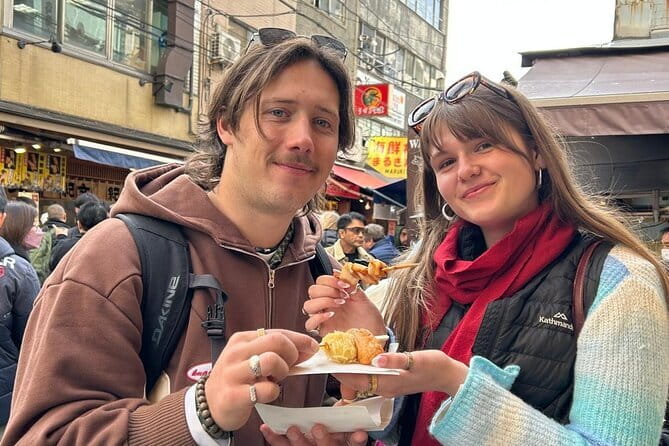
Tsukiji Fish Market is famous for a reason. Even if you’re not a hardcore foodie, the atmosphere hits fast: fresh seafood, quick tasting opportunities, and people who seem to know exactly what they’re doing.
In a private format, the value is how you approach it. Instead of rushing, you can ask what to try, where to stand, and how to time your visit so you’re not walking through emptiness or peak crowd crunch. This stop is listed as about 1 hour, so it works well as your morning anchor.
What to consider: it’s active. If you’re sensitive to crowds or long-standing time, you may want to set expectations with your guide early so you can keep the pace comfortable.
Senso-ji Temple in Asakusa: red lantern photos plus real atmosphere
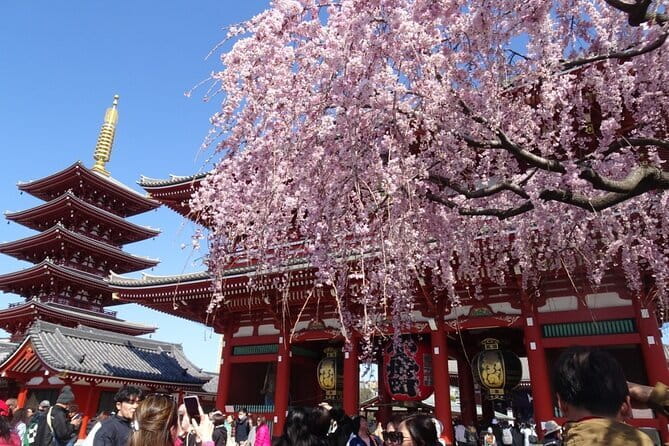
Senso-ji is the face of traditional Tokyo. The huge red lanterns are iconic for a reason, but the deeper win is how the area feels—lively, human, and full of small moments you’d miss if you only cared about the postcard shot.
With a private guide, you can turn it into something more than a photo stop. You can plan around when you want to browse snack stands and when you want to step back and actually absorb the temple setting. This is scheduled as about 1 hour.
If you like interactive, do-it-now cultural stuff, Asakusa often offers that kind of experience through fortune and temple traditions. In past days with this guide team, people have enjoyed trying fortune-style activities and then hanging their results for luck—small, memorable, and very Tokyo.
Meiji Jingu: trees, quiet, and a break from the city pulse
After the city noise, Meiji Jingu is a reset button. The tour description calls out the lush tree landscape and the sacred atmosphere—and that’s exactly what makes it worth including. You’re not just seeing a shrine. You’re switching gears.
This stop is also listed as about 1 hour, and it’s a great choice in the middle of the day when you need a breather. It’s especially useful if your morning is market-heavy and your afternoon is shopping-heavy.
A practical note: if you’re walking more than you’re used to, Meiji Jingu can feel like a longer experience than expected because it’s easy to slow down once you’re there. Plan your next stop with that in mind.
You can also read our reviews of more private tours in Tokyo


Shibuya Crossing and the Hachiko moment: modern Tokyo in 30 minutes
Shibuya Crossing is the iconic intersection, and the guide adds useful context so you’re not just filming traffic. The tour highlights also mention the bronze statue of Hachiko nearby, which gives you a human anchor to place the scene in story.
This is scheduled as 30 minutes. That time works best when you treat Shibuya as a quick hit: see the intersection, grab the statue moment, and then move on before you get swallowed by the shopping crowd.
If you’re the type who hates crowds, you’ll still likely enjoy it here because the stop is short and private pacing helps you avoid the longest lines for viewpoints.
Imperial Palace: moats, stone walls, and the Edo-era footprint
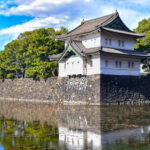
Even if you’re not into palaces, Imperial Palace grounds offer a different Tokyo mood. The description notes the former site of Edo Castle and the park-like setting with moats and massive stone walls.
This stop is listed as about 1 hour. That time gives you room to walk, take photos, and enjoy the fact that central Tokyo can still feel spacious.
What to watch: this is less of a “thrill” stop and more of a calm-walk stop. If you’re building a day that already has many slow cultural sites, you might want to balance it with a shopping or food-heavy block.
Akihabara: anime and games, plus the fun of having a route
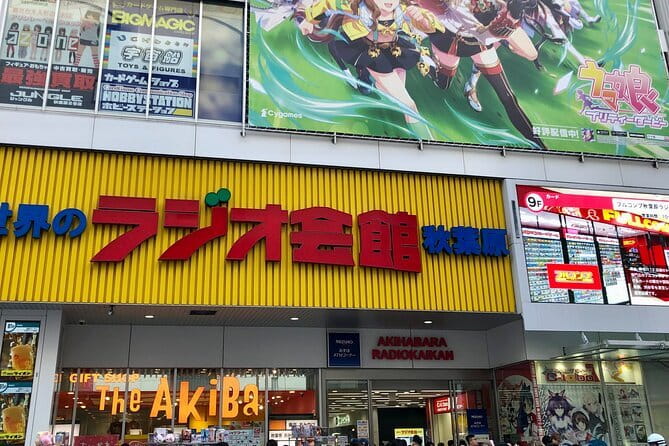
Akihabara is famous for otaku culture—anime, games, manga, and the kind of shop density that can overwhelm you if you’re wandering alone.
This itinerary includes Akihabara as about 30 minutes. In that small window, the private guide’s role is practical: you can choose what you actually want to browse rather than getting lost in the sheer number of stores.
A consideration: if you’re not into anime/games, you may feel rushed. Still, even non-fans often like the people-watching and the distinct shopping vibe—just make sure you tell your guide your level of interest so they don’t push you into the wrong alley.
Omotesando and Takeshita Street: architectural street styles and a sugar break
Omotesando is styled as Tokyo’s answer to a grand avenue: the description compares it to the Champs Elysees vibe, but with Tokyo’s architect-forward streetscape. If you like modern design and want shopping that feels more fashion-forward, this stop fits.
Takeshita Street is a different mood: the highlight calls it a paradise for cute things, with photo-friendly energy like Rainbow Cotton Candy. This is listed as about 30 minutes.
These two together make sense if you like contrast: calm architectural avenue on one side, playful youth fashion and snacks on the other. If that’s your vibe, you’ll enjoy the variety.
One thing to consider: Takeshita can be crowded. Private timing helps, but if you don’t enjoy close-quarters browsing, plan to keep it short and focused.
Yanaka Ginza and Ueno area options: the calmer Tokyo you can still shop
Yanaka Ginza Shopping Street is often described as a place that retains traces of the past. The tour highlight notes narrow streets, locals mingling, and the pleasure of eating and drinking standing around. This kind of place is what makes Tokyo feel human instead of manufactured.
This stop is listed as about 1 hour, which is just right for wandering slowly and stopping for snacks without turning it into a forced shopping marathon.
Ueno Park is listed as a flexible option too. The description calls it famous for cherry blossoms, but also points out there’s more to see: seven museums and Ueno Toshogu, the Tokugawas’ Golden Mausoleum. If your timing matches cherry blossom season, this area can feel especially special. If not, it still works as a cultural-and-walk stop.
Extra choices: Weather shrine, Maneki Neko, Murakami Cafe, and Teishakuten
This tour doesn’t just stick to the headline attractions. It also includes optional stops that add flavor and a bit of play.
Here are a few of the included options mentioned in the route material:
- The weather shrine idea: you can do a light, fun prayer for sunny weather tomorrow. It’s quirky and very Tokyo.
- Maneki Neko (beckoning cats): the guide points out the birthplace story tied to beckoning cats lined up around temple grounds.
- Takashi Murakami’s Cafe: a break focused on contemporary art in a place you might not find on your own.
- Teishakuten Temple: known for sculptures and a Japanese garden, with a note about seeing scenery connected to an old movie and having dumplings at a tea-house style stop.
One consideration: these are the kind of stops where your mood matters. If you’re in a shopping and snack mode, they can be great. If you want only major landmarks, you might pick fewer of these and spend more time on the classics.
Public transport strategy: you’ll leave Tokyo knowing how to move
One of the strongest themes in the feedback is that this tour helps you understand Tokyo transit quickly. That’s not a small thing. Tokyo Subway tickets exist, but the real win is learning how to connect lines, where to exit, and how to move between neighborhoods without wasting time.
The tour specifically recommends buying Tokyo Subway 24-, 48-, or 72-hour tickets in advance. For your planning, that means you can treat the tour as a training day for the rest of your trip.
If you’re doing a first Tokyo visit, I’d schedule this early—day one or day two—so the rest of your days get easier. When you understand the system, you buy freedom, not just transportation.
Private car option: when it’s worth it
The tour offers a private car option if you choose it. That’s useful when you want to reduce walking time or when you’re moving between areas that are otherwise manageable but tiring.
I wouldn’t choose a car just to feel fancy. I’d choose it when:
- you have limited time and want less transit friction,
- you’re traveling with someone who walks slowly,
- you have photos and shopping stops that require frequent repositioning.
If you’re healthy and love walking, public transport keeps the experience more local and usually more flexible.
Price and value: why $151.54 can make sense
At $151.54 per person, the price sounds like a lot until you compare it to the real cost of a city day you can’t easily DIY: a private guide, hotel pickup, and the structure to cover multiple areas in a set time window.
What makes the value work:
- You’re paying for time efficiency and better decisions, not just directions.
- You get bottled water and an English-speaking guide who can explain what you’re seeing and help you avoid tourist-only pacing.
- You’re allowed to customize the day, so you’re not paying for stops you’d skip.
What may add to your budget:
- lunch is not included,
- entrance fees may apply if you want a guide to accompany you to facilities,
- and public transportation tickets aren’t included, so you’ll still plan for subway passes.
For groups, private tours can become an easy decision—one person’s eyes and planning equals less wasted time for everyone. Even if you’re traveling solo, if you want a confident first day and less stress, this is the kind of structure that justifies the cost.
Guides and the personal touch: Miyuki, Hitomi, Kaz, and Miho
The guide team behind this experience gets consistently strong feedback, and names come up often: Miyuki, Hitomi, Kaz, and Miho.
What stands out across those guides is the same practical style:
- they ask you what you want to see before you go,
- they set a schedule that fits the time you have,
- and they share context while you walk.
In some cases, guides have also helped with hard-to-get add-ons, like ticket efforts for the Ghibli Museum and connections for special experiences such as a Samurai sword practice with a master. These aren’t listed as guaranteed parts of the standard tour plan, but they show the level of support you can ask about when you’re building your Tokyo week.
If you like the idea of a guide who treats your day like a conversation, not a slideshow, you’ll probably vibe with this team.
Who should book this private Tokyo day
This tour is a good fit if you:
- want a first-day plan that feels confident,
- care about culture plus everyday Tokyo street life,
- prefer customizing rather than following a group pace,
- or want help using public transport so you can move independently later.
It may not be the best fit if you only want one super-famous landmark and you’re fine building everything else yourself. In that case, a self-guided plan might be cheaper. But if you want Tokyo’s variety within limited hours, private pacing is the difference between seeing a lot and feeling rushed.
Should you book this private Tokyo tour?
Yes, I think you should book it if you want a day that’s both structured and flexible. The key value is that you’re not stuck with a fixed route: you pick your mix of Tsukiji, Asakusa/Senso-ji, Meiji Jingu, Shibuya, shopping streets, and calmer neighborhoods like Yanaka and Ueno options. You also get the kind of guide support that helps you navigate Tokyo like you belong there.
Book it early in your trip if you can. Then use what you learn—especially transit basics—on the rest of your days. If your dates are weather-sensitive, keep an extra buffer day nearby, since the experience is described as requiring good weather.
FAQ
FAQ
Is this a half-day or full-day tour?
You can choose either a half-day or full-day private tour. The duration is listed as about 4 to 8 hours.
How do I choose the places we visit?
You can select 2–3 destinations for a 4-hour tour or 4–5 destinations for an 8-hour tour. You can ask your guide for recommendations.
Does the tour include hotel pickup?
Yes, hotel pickup is offered for added convenience.
Do I have to use public transportation?
You can travel like a local on public transport, or you can upgrade to a private car option.
Is lunch included?
Lunch is not included. The tour notes that lunch can be paid for together with the guide’s portion.
Are entrance fees included?
Entrance fees are not included. If you want a guide to accompany you to a facility, you may also need to pay for the guide as well.
What’s included in the price?
Included items are an English-speaking guide, bottled water, and private car service if you choose the private car option. You also get advice on future plans for your stay.
Do I need to buy subway tickets?
The tour recommends purchasing Tokyo Subway 24-, 48-, or 72-hour tickets in advance.
How soon will I get confirmation after booking?
Confirmation is received within 48 hours of booking, subject to availability.
What happens if the weather is bad?
The experience requires good weather. If it’s canceled due to poor weather, you’ll be offered a different date or a full refund.
Is it really private for my group?
Yes. This is a private tour/activity, and only your group will participate.