REVIEW · TOKYO
Tokyo Sumo Morning Practice Tour w/ Ring-Side Seat + Photo Shoot
Book on Viator →Operated by MagicalTrip Inc. · Bookable on Viator
Few things feel more real than morning sumo training. You’ll watch rikishi work up close at a Sumo stable in Tokyo, get guidance so it actually makes sense, and end with a short break at Kiyosumi Gardens. I also like that this tour is built for fans who want the sport—not a staged sideshow.
What I like most: you’ll have a guide accompanying you for clear explanations while you watch the practice, and Marie has been highlighted for passion and getting people answers in plain language. The other big win is the included photo shoot tied to the experience, plus a ring-side style viewing setup that brings you close to the action.
One thing to consider: seating inside the stable is first-come, first-served, and photo rules can vary by stable day, so showing up on time matters more than usual.
In This Review
- Key points
- Why a Sumo Morning Beats Match-Day Spectacle
- The 8:30 Meet-Up and Walk Into Kiyosumi
- Watching Sumo Practice Up Close (90 Minutes of Real Work)
- Seating reality: “ring-side” style, but first-come matters
- Stable rules you should respect (tatami only)
- The Photo Shoot: Included, But Follow Day-Of Rules
- Kiyosumi Gardens: Your Cool-Down Stop
- Price and Value: Why $99.10 Makes Sense for Fans
- Who Should Book This (And Who Might Skip It)
- Should You Book This Tokyo Sumo Morning Practice Tour?
- FAQ
- What time does the Tokyo sumo morning practice tour start?
- Where do I meet the guide?
- How long is the tour?
- Is there an admission fee for the sumo stable practice?
- Can kids under 12 join this tour?
- Is photography allowed during the practice, and is a photo shoot included?
- What happens if I’m late?
Key points
- Small group limit (10 people) keeps the experience focused and easier to manage at the stable
- Guide-led commentary helps you read what you’re seeing during training
- Photo shoot included so you’re not hunting for luck or figuring out a setup
- Close viewing during practice at a real heya, not a museum-style display
- Timing and stable rules are strict: be prompt, stay on tatami areas, follow staff directions
Why a Sumo Morning Beats Match-Day Spectacle
If you only associate sumo with tournament drama, a morning practice is the reality check. This is where the work happens: stretching, repetitive drills, and practice bouts that show the discipline behind the spectacle. Watching it in the early hours gives you that straight-line connection between tradition and training, without the noise of a full tournament day.
I especially like that this tour is designed around understanding. The guide’s role isn’t just to walk you from point A to point B. You’re there to ask questions and get context while the wrestlers do their thing. That matters because sumo can look cryptic at first—until someone explains the rhythm, the purpose, and why certain routines show up again and again.
And yes, the photo moment is a plus. Seeing sumo in motion is one thing; getting a properly planned photo is another. It turns the visit into something you can actually remember beyond a few shaky phone pictures from the back.
You can also read our reviews of more tours and experiences in Tokyo
The 8:30 Meet-Up and Walk Into Kiyosumi
The tour starts at 8:30 am at 3-chōme-11-1 Kiyosumi, Koto City, Tokyo 135-0024. The meeting point is described as near public transportation, and the plan is simple: meet your guide, then head to the sumo stable together.
From there, you’ll be taken to the practice location at 3-chōme-6-2 Kiyosumi. Expect a straightforward transition—this isn’t the kind of outing where you’re guessing how far you need to go or where you should stand. People in the reviews specifically called out smooth meetup and direct routing to the training.
Practical tip: use the restroom before you start, because restroom access may not be available during practice. Also, arrive early enough to settle in. This is one of those Tokyo mornings where punctuality helps you get the best seats.
Watching Sumo Practice Up Close (90 Minutes of Real Work)
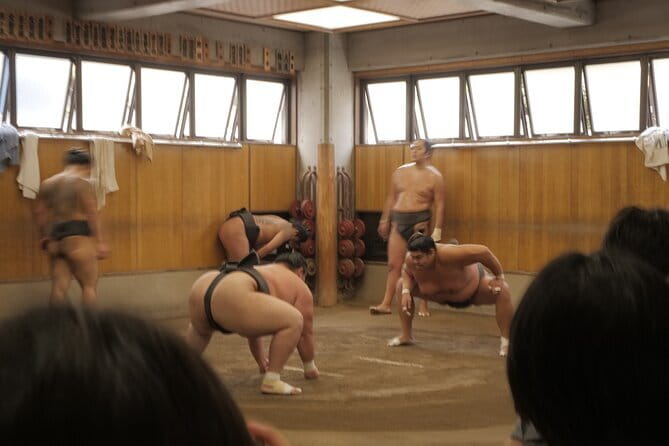
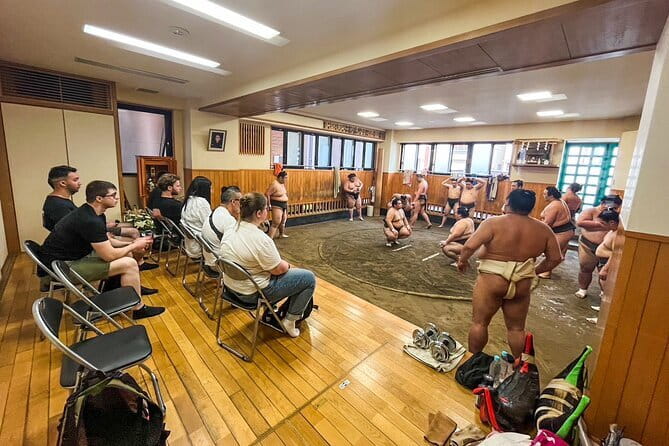
Your main event is watching practice at a Sumo stable for about 1 hour 30 minutes. There’s no admission fee for entry to the practice itself, so your money goes to the guide, the group experience, and the viewing/photo setup.
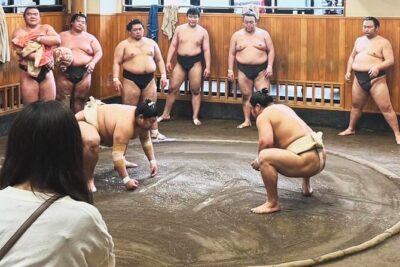
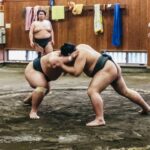
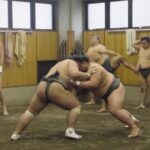
What you’ll notice right away is the seriousness. The wrestlers aren’t performing for a crowd. They’re training with focus. Reviews highlight a mix of stretching, repetitive exercises, and practice bouts—and the sense of reverence for the stable master and head trainer. Even when you’re not in the first row, you can still catch a lot, because the action is concentrated and the routines repeat enough for you to start following along.
Seating reality: “ring-side” style, but first-come matters
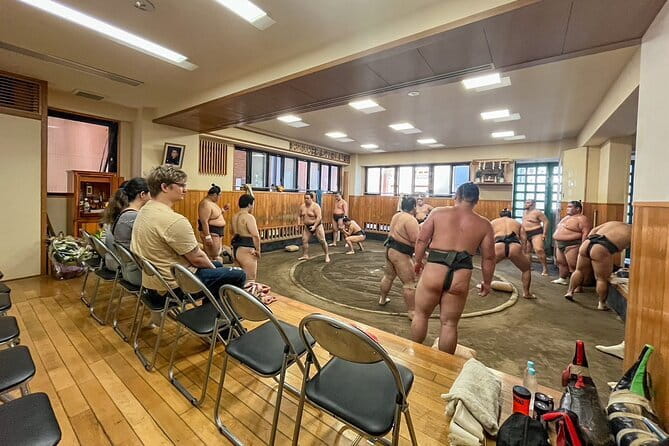
The tour title mentions ring-side seating, and the experience is clearly positioned for close viewing. Still, inside the stable it’s first-come, first-served. Depending on the day and how the group is arranged, you could end up closer or slightly farther back. In some cases the group may be divided into different stables, and later arrivals may have less front-row access.
Bottom line: if you want the best view, treat arrival time as part of the experience—not an admin detail.
Stable rules you should respect (tatami only)
This is where the “real” factor shows up. You’ll need to follow each stable’s regulations. You can only access tatami areas inside the stable; other areas are off-limits. If you get disruptive or disrespectful, entry or participation can be refused without a refund.
Also, practice photography is subject to stable policy. On some days you might be able to take photos of wrestlers or even with them; on others, it might be restricted. Don’t assume your phone is welcome in every direction. Follow what staff says on the day.






The Photo Shoot: Included, But Follow Day-Of Rules

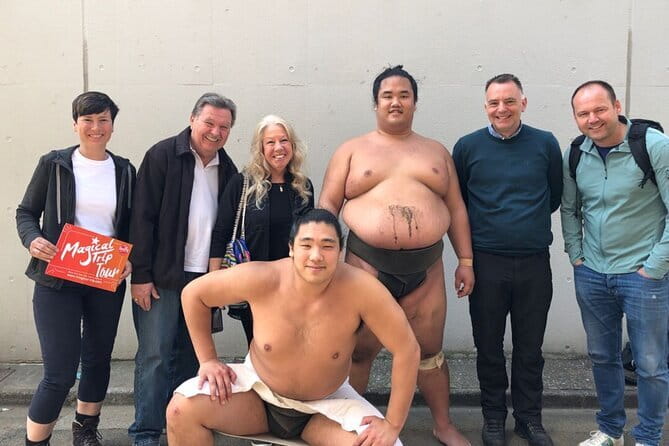
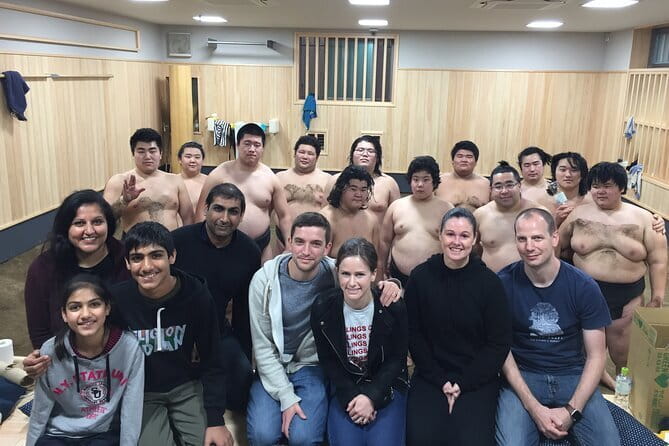
The tour includes a photo shoot with sumo wrestlers. That’s one of the strongest value points, because it reduces the usual travel headache of trying to coordinate photos in Japan: when to ask, where to stand, and how to do it respectfully.
At the same time, keep your expectations anchored to the stable’s rules. Photography during practice can be limited, and taking photos with wrestlers may or may not be allowed depending on the day. So think of the included photo shoot as your best bet for getting those images done properly.
If you’re a fan who wants something more than “I saw sumo today,” this is exactly the kind of add-on that makes it feel complete. And based on reviews, the guide support helped people make the most of the time and understand what they were seeing—so the photo moment doesn’t feel random or tacked on.
Kiyosumi Gardens: Your Cool-Down Stop
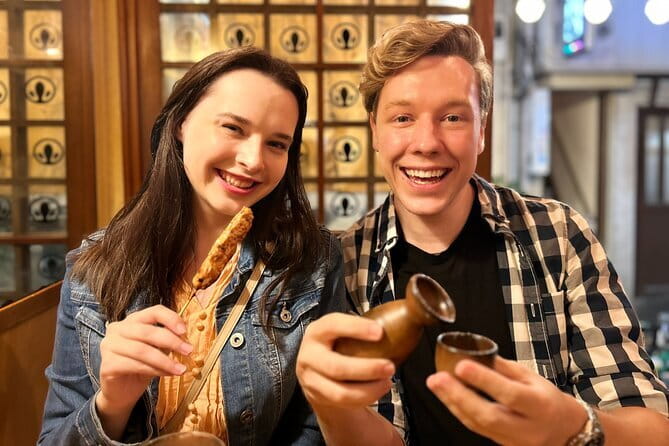
After the practice, you’ll cool down at Kiyosumi Gardens for about 30 minutes. This is a nice reset after a focused watch session. You get a bit of breathing room, time to regroup, and a chance to switch your brain from training mode to sightseeing mode.
The tour ends back at the meeting point. Admission for the gardens stop is not mentioned as required, and the main purpose here is simply an easy wrap-up after the stable experience.
Price and Value: Why $99.10 Makes Sense for Fans
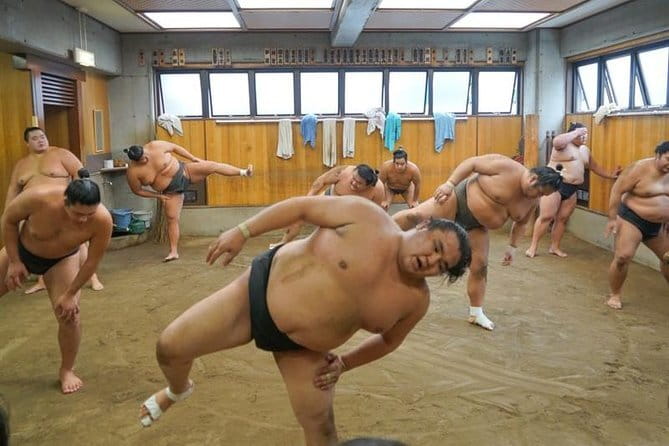
At $99.10 per person, this is not a bargain tour. But it’s also not trying to be one. Here’s what justifies the price in practical terms:
- Small group size (max 10) means more attention and a smoother experience at a place with strict rules
- A guided session turns what could be confusing viewing into something you can actually follow
- No separate practice admission fee is a real cost-saver
- A photo shoot is included, which adds value that a self-guided trip wouldn’t provide easily
- Morning access to training is the whole point. That’s the scarce item.
If you’re visiting Tokyo without plans for tournament days, this is a smart way to still see sumo in a grounded, authentic setting. If you’re chasing a hands-on gimmick like ring time or a carnival-style interaction, this doesn’t sound built for that. The focus is watching training, learning from a guide, and respecting stable culture.
Who Should Book This (And Who Might Skip It)
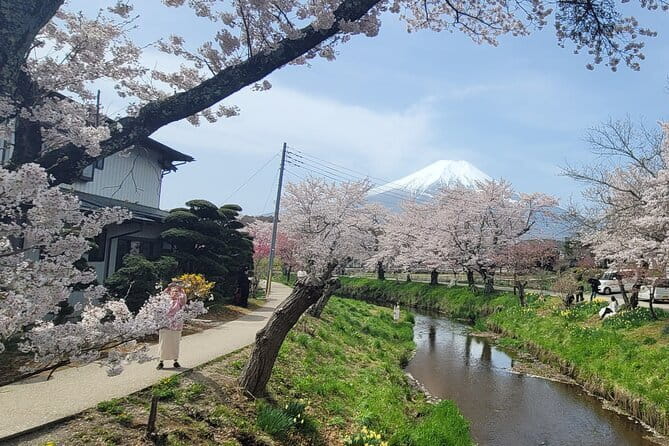
This tour is best for people who:
- love sports and want to see training, not just results
- want a structured way to understand sumo routines
- appreciate small-group experiences with clear rules
- care about getting a photo moment that’s part of the plan
You might want to skip or at least reconsider if:
- you’re traveling with kids under 12 (they’re not permitted inside the sumo stable, with possible refusal of entry without refund)
- you’re someone who can’t reliably arrive on time (the tour starts promptly and late arrival can mean you miss the tour)
- you dislike following strict on-site instructions, like tatami-only access
Also, Japan’s weather can be intense—summer can hit up to 40°C / 110°F, and winter lows can drop to -5°C / 20°F. Dress for the season because practice time is early, and you’ll be outdoors before and around the stable visit.
Should You Book This Tokyo Sumo Morning Practice Tour?
I think it’s an easy yes if you’re a sumo fan, a sports fan, or simply curious about Japan’s most ritual-heavy sport. The combination of close practice viewing, a guide who answers questions, and an included photo shoot makes it feel like a complete package rather than a quick stop.
I’d book it especially if your Tokyo trip doesn’t line up with tournament days. This is one of the best ways to get the intensity of sumo training on your schedule.
If you’re picky about photo opportunities, plan for variable rules and follow the staff guidance on the day. If you’re strict about punctuality and comfortable with stable etiquette, you’re set.
FAQ
What time does the Tokyo sumo morning practice tour start?
It starts at 8:30 am.
Where do I meet the guide?
You meet at 3-chōme-11-1 Kiyosumi, Koto City, Tokyo 135-0024, Japan.
How long is the tour?
It runs for about 2 hours total, with 1 hour 30 minutes at the practice and 30 minutes at Kiyosumi Gardens.
Is there an admission fee for the sumo stable practice?
No. There is no separate entrance fee for attending the sumo morning practice.
Can kids under 12 join this tour?
No. This tour is available only to guests aged 12 and over. Guests under 12 are not permitted inside the sumo stable.
Is photography allowed during the practice, and is a photo shoot included?
Photography during the practice depends on each stable’s policy, and it may be restricted. The tour does include a photo shoot with the sumo wrestlers.
What happens if I’m late?
The tour starts promptly. Late arrivals may not be able to join, and no refunds or rescheduling are provided for missed tours.