REVIEW · TOKYO
Tokyo Sumo History Tour with Chanko Nabe Lunch
Book on Viator →Operated by Maikel. T · Bookable on Viator
Sumo is easier to enjoy when you know why. This 3-hour Tokyo walk connects the dots from the Ekō-in Temple roots of sumo to the modern Kokugikan arena, with a real lunch payoff. You’re not hunting for random sights; you’re following the sport’s story step by step, so the symbols and traditions start making sense fast.
I love how the tour doesn’t rely on hype. You’ll learn the everyday logic of sumo—like the rituals before a bout (yes, salt-throwing)—and you’ll practice the parts that make sumo fun, not intimidating. I also love the meal design: the chanko-nabe lunch comes as an individual pot per guest, so it feels special without being complicated.
One drawback to plan around: the Sumo Museum isn’t guaranteed on every day. If it’s closed, the tour switches to two historic stables instead, which is still interesting, just a different flavor of stop.
In This Review
- Key things to know before you go
- A 3-hour Tokyo sumo walk that actually teaches the sport
- Starting in Ryōgoku Station: where the portraits do half the work
- Ryōgoku Kokugikan: famous stadium vibes, minus the seat access problem
- Ekō-in Temple and the Chikara-zuka Monument: where ritual meets real sport
- Sumo Museum vs. historic stables: flexibility that keeps the experience strong
- Edo Noren replica ring: learn rituals, then do the fun part
- Chanko-nabe lunch at your own pot: the taste of rikishi life
- Price and value: is $91.04 worth it?
- Who should book this sumo history tour
- Should you book it?
- FAQ
- FAQ
- How long is the Tokyo Sumo History Tour with Chanko Nabe Lunch?
- Where does the tour start?
- What time does it start?
- What’s included in the price?
- Is the Sumo Museum always part of the tour?
- Will I be able to enter the arena seating area during tournaments?
- What is the chanko-nabe lunch like?
- Are drinks included with lunch?
- How large is the group?
- Is there free cancellation?
Key things to know before you go
- Ryōgoku’s “sumo town” starting point sets the tone from your first minutes.
- Kokugikan context without tournament tickets: you’ll see what matters from the outside.
- Ekō-in Temple + Chikara-zuka Monument connects sacred origins to real sport history.
- Museum-or-stables swap keeps the experience going even when hours change.
- Edo Noren replica ring teaches rituals, then you get to pose for photos.
- Chanko-nabe with your own pot makes lunch feel like part of the show.
A 3-hour Tokyo sumo walk that actually teaches the sport
If you only know sumo as a TV spectacle, this tour helps you see the gears behind it. The format is simple: a guided walking route through Ryōgoku, with explanations at major stops and hands-on moments. You’ll finish full, but more importantly, you’ll leave with a working mental map of what you just saw and what it means.
You’ll also get a surprisingly “sports fan” experience, even if you’re brand new. The guide takes the time to explain terms and rituals in plain language, so you’re not left translating in your head. And when the tour includes the Sumo Museum, it adds artifacts and photos that help you connect the dots.
The pacing is built for attention, not endurance. Expect a mix of short walking segments and stop time—enough to learn without feeling like you’re constantly moving.
You can also read our reviews of more historical tours in Tokyo

Starting in Ryōgoku Station: where the portraits do half the work
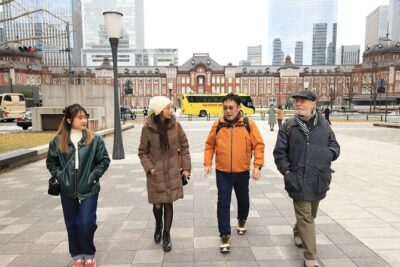
You begin at Ryōgoku Station, in the middle of what locals treat like sumo’s home turf. The area is loaded with champion portraits, and that matters more than it sounds. First, it gives you instant atmosphere. Second, it makes it easier to understand why Ryōgoku became the center of modern sumo life.
This start is also practical. It’s in the right neighborhood so you’re not spending energy traveling across town. You’re already in the right mindset—simple, but effective.
Even the stop timing helps. It’s short, so you’re not wasting prime guide time early on. You get oriented, then you move on to bigger landmarks.
Ryōgoku Kokugikan: famous stadium vibes, minus the seat access problem
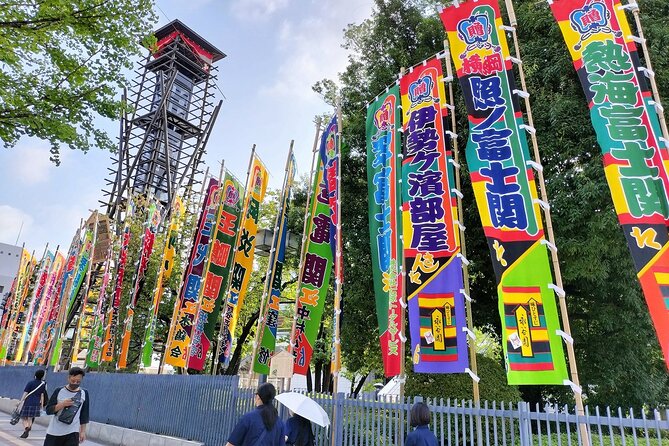
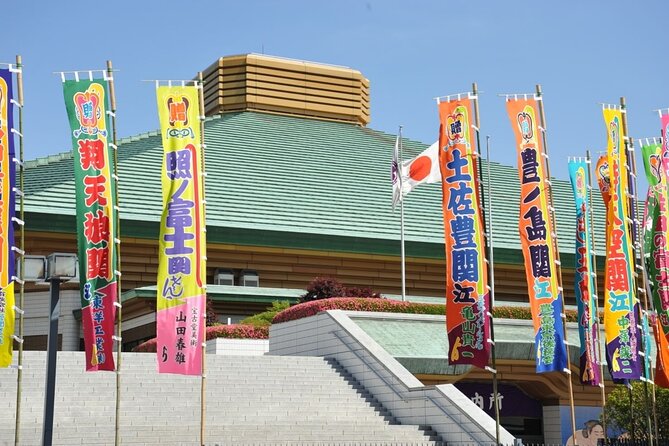
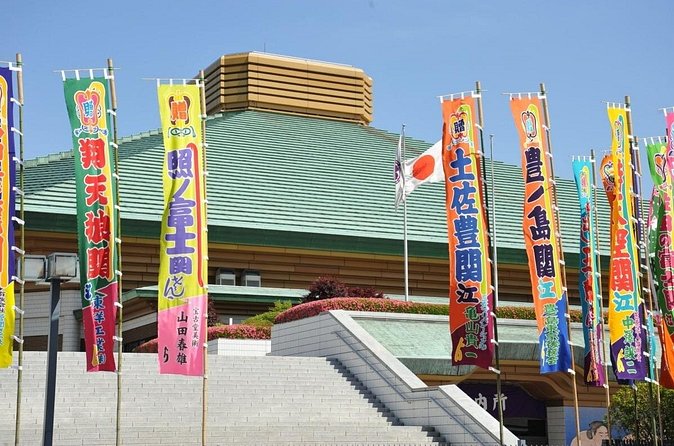
Next comes Ryōgoku Kokugikan, Japan’s best-known sumo stadium. You’ll see it from the outside, and that’s intentional. You get the bigger picture: where it sits in the yearly rhythm of sumo and how the arena visually communicates tournament info.
Here’s the key thing to understand: this tour does not include entry to the seating areas during grand tournaments. If you want to sit inside while bouts are happening, you’ll need tournament tickets. That limitation is normal, but it matters for planning—especially if you’re visiting during tournament dates and you’re hoping for a surprise seat.
The upside is that you still learn the language of the place. The guide explains how the stadium connects to the three grand tournaments held each year, and how the colorful banners fit into the storytelling of each event. You walk away knowing what you’re looking at, not just admiring a famous building.
Ekō-in Temple and the Chikara-zuka Monument: where ritual meets real sport
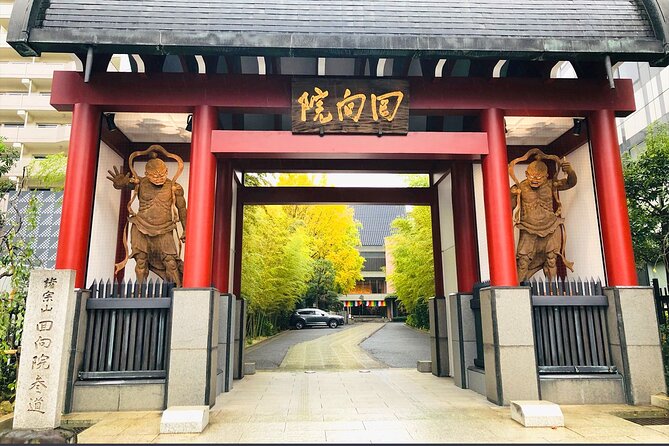
This is where the tour adds meaning. You visit the site of the former main gate of Ekō-in Temple, described as the place where organized sumo matches began. That’s a big claim, and it’s exactly why this stop is worth your attention. You’re stepping onto ground tied to the sport’s ceremonial roots, not only its modern era.
At the Chikara-zuka Monument, you’ll pay respect to past wrestlers and referees who helped shape the sport. It’s one of those details that makes sumo feel like a living tradition instead of a competition with uniforms. You see how people built the sport around ceremony, authority, and respect.
This stop can also help you appreciate sumo’s tone. Even if you don’t know every rule, you’ll understand why the pre-bout behavior feels formal. It’s not random; it’s part of the sport’s identity.
Sumo Museum vs. historic stables: flexibility that keeps the experience strong
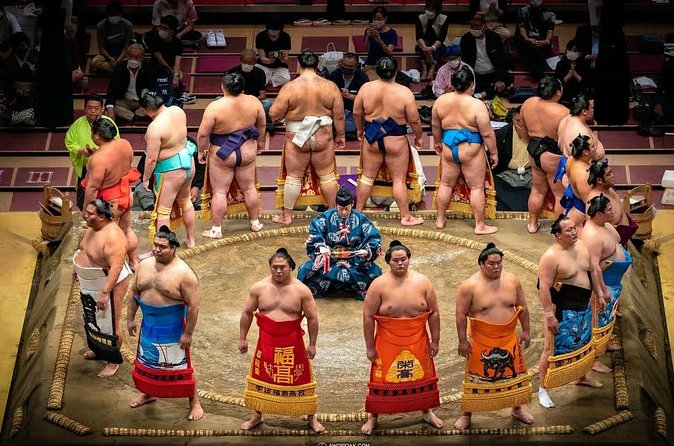
After Ekō-in, the tour branches depending on day-of access. When the Sumo Museum is open, you’ll get a compact but fascinating visit with exhibits tied to sumo’s ceremonial gear—like aprons used for tradition—plus photos and trophies. It’s a short stop, but it gives you a visual baseline for what you’ve been hearing.
If the museum is closed, the guide takes you to two historic stables instead. That option keeps things authentic and daily-life focused. Stables are where sumo wrestlers live and train, so you get a different kind of understanding: not artifacts behind glass, but the routines that shape the sport.
Either way, the goal stays the same: you’ll connect the past and present. And because the tour is built with a switch plan, you don’t feel like you paid for one thing that might vanish.
Tip for your mindset: treat the museum-or-stables change as a feature, not a compromise. You’ll still end up with the why behind sumo—just through different doors.
You can also read our reviews of more tours and experiences in Tokyo

Edo Noren replica ring: learn rituals, then do the fun part
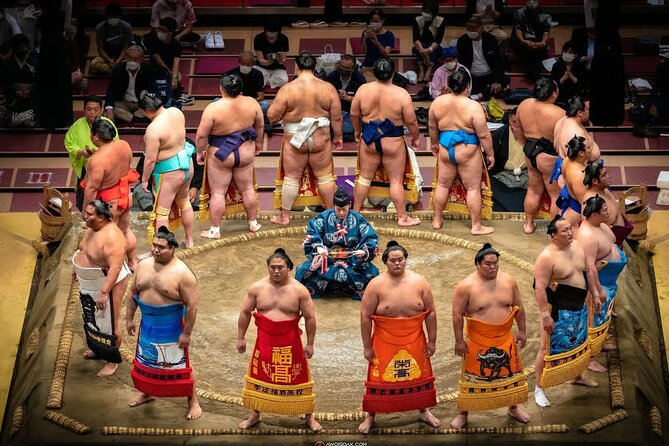
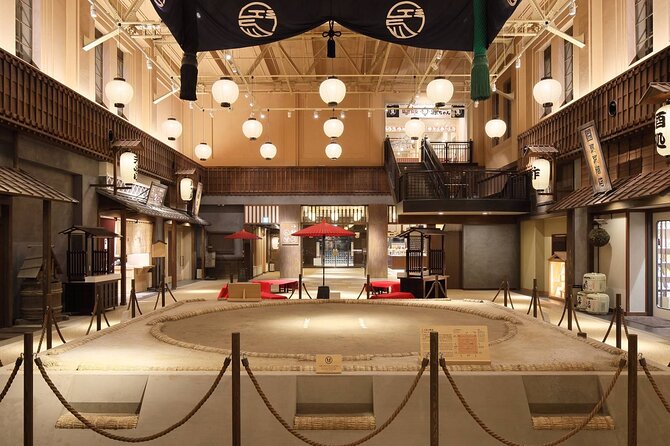
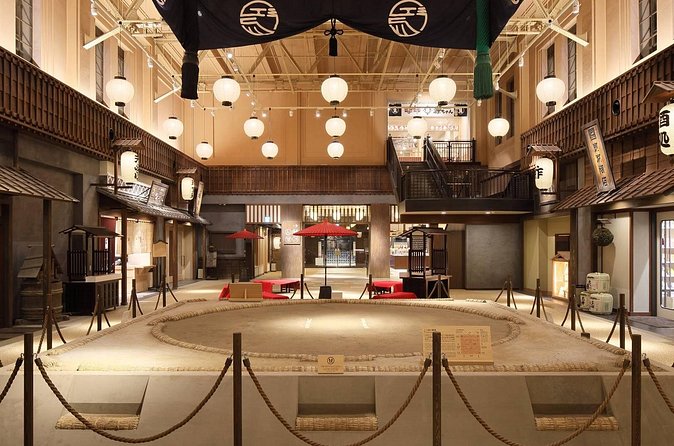
One of the most memorable stops is Ryōgoku Edo Noren, where you can stand beside a life-sized sumo ring replica. This is the moment the tour stops being only educational and turns playful.
The guide explains pre-bout rituals like salt-throwing and the sequence around the bout. Then you get to try sumo poses. That doesn’t turn you into a wrestler, but it does something better: it helps you understand the physical language of the sport.
Photos here tend to be your reward. But the real value is that you’ve learned the ritual first, so the posed moment actually connects to the meaning you just heard.
If you’re coming with friends or family, this stop works well for all skill levels. You don’t need athletic ability. You just need a willingness to look a little silly for good photos.
Chanko-nabe lunch at your own pot: the taste of rikishi life
The tour ends the way sumo does it best: with chanko-nabe, the traditional hotpot eaten by sumo wrestlers. You don’t just get a plate. Each guest enjoys their own individual pot, which makes the meal feel personal and more like the lived-in routine of rikishi than a cafeteria-style lunch.
The chanko-nabe set is included. What isn’t included is drinks and any extra food you might order. So if you drink tea, coffee, soda, or beer with lunch, plan to pay that separately.
Also note one practical point: the specific restaurant can vary depending on availability, even though the tour is associated with the Chanko Edosawa option. The important part for you is what stays consistent—chanko-nabe lunch as the included set, with that individual-pot setup.
This is a great stop for two reasons. First, you’ll refuel after walking. Second, you’ll leave with a sensory memory. Long after the stadium photos fade, the hotpot flavor sticks.
Price and value: is $91.04 worth it?
At $91.04 per person, you’re paying for more than a walk with a map. You’re paying for guided context, timed explanations at key sites, and a full lunch meal. You’re also paying for the “Plan B” element: museum visit when open, stables when the museum is closed.
Group size matters here. The tour caps at a maximum of 20 people, which helps keep the experience from turning into a rushed herd. You’ll get enough attention that terms and rituals don’t blur together.
One more value check: admission tickets at stops like Ryōgoku Station, Ryōgoku Kokugikan area viewing, Ekō-in Temple site area, Sumo Museum (when open), and the replica ring are included as part of the tour flow. That reduces surprise costs.
The part to watch is tournament-seat expectations. Since arena seating during tournaments isn’t included, your value is tied to the history-and-ritual experience, not to “getting inside a bout.”
If that matches what you want—sumo as culture, not just action—this tour looks like a solid deal.
Who should book this sumo history tour
This is a strong fit if you:
- Want a clear introduction to sumo that connects modern sport to older ritual
- Prefer guided explanations over trying to research every sign yourself
- Like hands-on moments (like posing at the replica ring) rather than only photos
- Want a included meal that feels culturally tied to the sport
It may be less ideal if you’re specifically chasing one thing:
- Live bouts inside the seating area during a tournament (this tour doesn’t include tournament seating access)
If you’ve followed sumo casually, you’ll leave with better instincts. If you’re a first-timer, you’ll still have enough structure to feel confident. And if you’re a real fan, the guided narrative helps you notice details you might otherwise miss.
Should you book it?
Book it if you want a guided Ryōgoku experience that turns sumo from confusing to readable. The mix is smart: Ekō-in Temple origins, Kokugikan context, a museum-or-stables option, the Edo Noren ring ritual lesson, and a chanko-nabe lunch that feels like an event instead of a snack.
Skip it only if your top priority is attending bouts from inside the arena. In that case, you’ll need tournament tickets separately.
If your goal is to understand sumo’s “why” and then taste a wrestler’s lunch, this tour is the kind of simple plan that pays off fast.
FAQ
FAQ
How long is the Tokyo Sumo History Tour with Chanko Nabe Lunch?
It runs for about 3 hours.
Where does the tour start?
It starts at the 7-Eleven Japan location at 130-0015 Tokyo, Sumida City, Yokoami, 1-chōme320 1階.
What time does it start?
The start time is 10:00 am.
What’s included in the price?
You get an English-speaking guided walking tour, explanations at major sites, a visit to either the Sumo Museum or two historic stables, time at the Edo Noren replica ring, and a chanko-nabe lunch set.
Is the Sumo Museum always part of the tour?
No. The tour includes the Sumo Museum when it’s open. If it’s closed, you visit two historic stables instead.
Will I be able to enter the arena seating area during tournaments?
No. Entry to arena seating during tournaments is not possible without tournament tickets.
What is the chanko-nabe lunch like?
You’ll have traditional chanko-nabe hotpot, with each guest enjoying an individual pot.
Are drinks included with lunch?
Drinks and any extra food beyond the chanko-nabe set are not included.
How large is the group?
The tour has a maximum of 20 travelers.
Is there free cancellation?
Yes. You can cancel for a full refund up to 24 hours before the experience’s start time.