REVIEW · TOKYO
Tokyo, Shibuya: Pro Photography in KIMONO / English-friendly
Book on Viator →Operated by Harajuku Kimono SHIBUI · Bookable on Viator
Kimono portraits, made easy. This English-friendly pro photo session in Harajuku mixes wardrobe help with picture-perfect backdrops, from Japanese-style studios to nearby streets and gardens. I like that you’re guided step-by-step by staff who can explain choices clearly, and you’ll leave with 30–40 professionally taken photos sent to your email.
One thing to plan for: hair styling isn’t included. You can add it for an extra 2000 JPY per person, and that’s worth budgeting if you want a full ready-to-go look.
In This Review
- Key highlights you’ll care about
- Why a Shibuya Harajuku kimono shoot makes sense
- Price and what you actually get for $91.79
- Meeting at SHIBUI Harajuku: where it starts and how to get ready
- Choosing your kimono and getting dressed without the chaos
- Studio, Harajuku Street, and nearby gardens: how the backdrops work
- What your 1-hour session feels like in real time
- How the photographer helps you look natural (fast)
- Getting your photos by email and using them right away
- Who should book this kimono photoshoot in Shibuya?
- The value question: is it worth it for your Tokyo trip?
- Should you book SHIBUI’s English-friendly kimono photoshoot?
- FAQ
- How long does the kimono photoshoot take?
- How much does the experience cost?
- What’s included in the price?
- Is hair styling included?
- How many photos will I get?
- Where will the photos be taken?
- Where is the meeting point?
- Is this a private experience?
- Do the staff speak English?
- What is the cancellation policy?
Key highlights you’ll care about
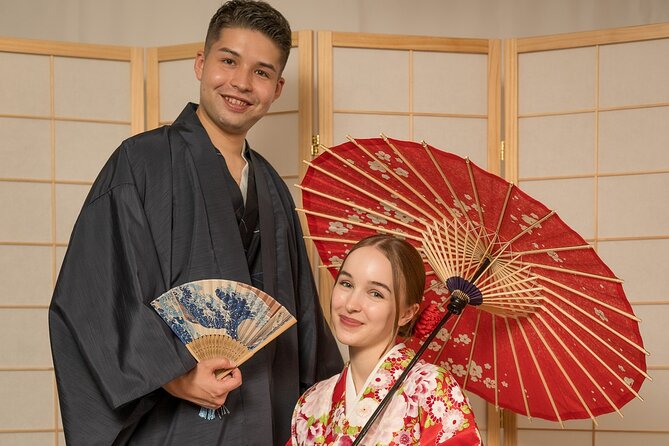
- English-speaking support so you can move quickly from kimono choice to posing
- Kimono + accessories included with one reservation
- Photo locations close together: studio, iconic Harajuku Street (2 minutes walk), and traditional gardens (3 minutes walk)
- 30–40 photos delivered digitally via email after you change back
- Private group format so the session feels less rushed and more personal
- Hair styling add-on available for 2000 JPY per person
Why a Shibuya Harajuku kimono shoot makes sense
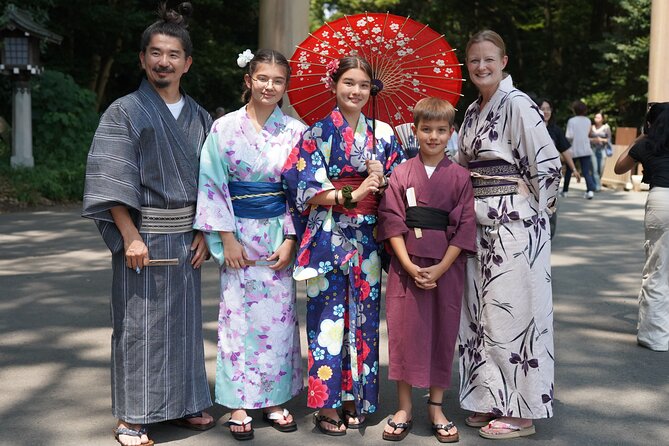
Harajuku is the kind of place where you can look around for hours, but a kimono photoshoot gives you a focused mission. You’re not just wearing the outfit and hoping for good photos. You’re doing the outfit, the posing, and the shooting plan in one tight session, which is exactly what you want when you’re on a schedule.
I also like that the experience is designed around photo outcomes. You start by selecting a kimono that matches your style, then you’re dressed by skilled staff, and then you shoot in either a studio or a short walk to outdoor options. That keeps the session feeling efficient, not scattered across the city.
The other smart angle is the language support. Tokyo can be tricky when you’re trying to communicate fit, preferences, and timing. With English-speaking staff guiding you through the process, you spend less time guessing and more time enjoying the moment.
You can also read our reviews of more photography tours in Tokyo

Price and what you actually get for $91.79
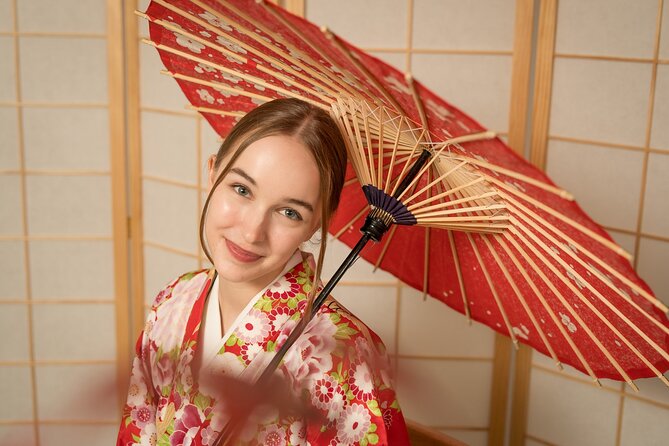
At about $91.79 per person for roughly 1 hour, this can look like a splurge until you break down what’s covered. You’re not paying just for a photographer. You also get kimono and accessory rental included, plus a guided photoshoot session with staff support.
Then you get the final deliverable: 30–40 photos and the photo data sent by email. That matters because digital photos let you pick your favorites right away, share them, and download copies for printing later if you want.
One practical value point: because it’s a private session for your group, you’re not competing with strangers for time. That usually means you’ll get more attention when choosing the kimono style and when adjusting poses during the shoot.
If you’re trying to keep costs down, the hair styling fee is the one predictable extra. If hair is important for your look, add the 2000 JPY so you’re not surprised later.
Meeting at SHIBUI Harajuku: where it starts and how to get ready
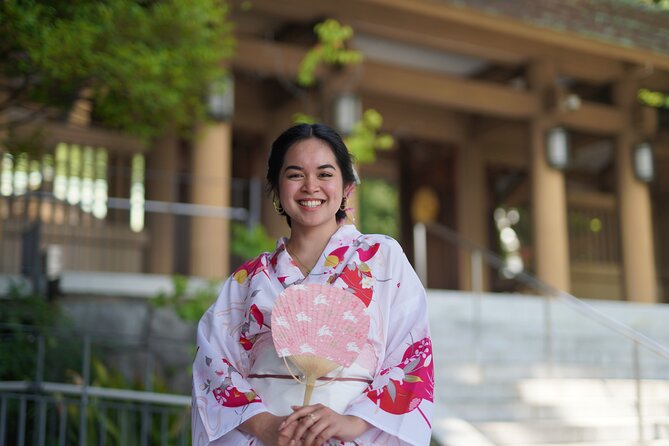
The session meets at Kimono Rental SHIBUI Harajuku Store, Room No. 413, Harajuku-Copo-Bekkan, Jingūmae, 1-chōme 10-34, Tokyo 150-0001. It ends back at the same meeting point.
This matters because you’re not figuring out transportation during the most time-sensitive part—getting dressed and starting your shoot. You can plan your day around a fixed start, then return to the same base to change back into regular clothes.
Plan to arrive with your reservation code and the number of people in your group. Check-in is straightforward: you show the code, then you go through service explanation and the location options.
Quick tip for your own comfort: wear something easy to change out of. You’re going to spend the session in traditional layers, and you’ll be happier if getting on and off your normal clothes is low-stress.
Choosing your kimono and getting dressed without the chaos
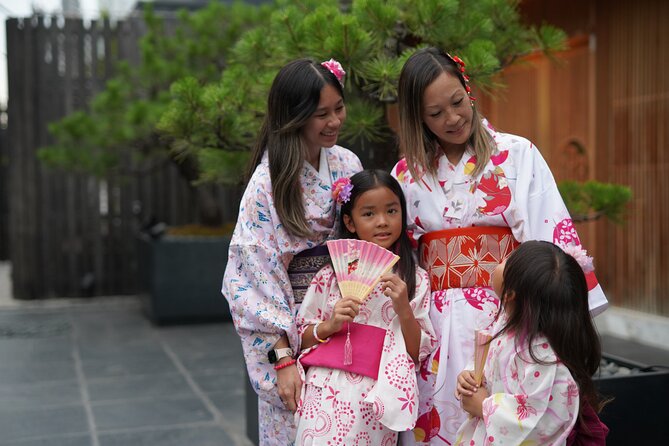
The process is built to keep you moving. After check-in, you’ll get a service explanation and consult location options. Then comes one of the best parts: choosing the kimono that fits your style.
Staff help you pick, and once you decide, they handle dressing. This is where you want to lean on their expertise. Kimono fit affects how the outfit drapes and how photos look—so it’s worth letting them adjust and refine during dressing rather than trying to micromanage.
One of the strong praises from past clients is how much time the photographer and staff spent helping with the overall look. For example, one review described the photographer taking time to fix hair and help select a kimono, plus picking great shooting sites. Another review highlighted that the photographer was amazing with a 2-year-old, which suggests the team can handle families and real-life pacing.
So if you’re going to bring kids, plan to go with the flow. A kimono shoot is not a quick grab-and-go fashion moment. It’s a styled experience, and the team’s ability to help with comfort can make all the difference.
Studio, Harajuku Street, and nearby gardens: how the backdrops work
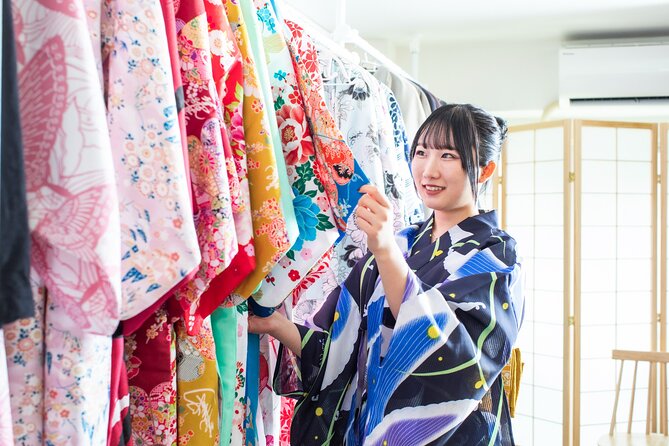
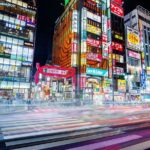
You’ll shoot either in a traditional Japanese-designed studio or outdoors. Outdoor options include iconic Harajuku Street (about 2 minutes walk from the store) and traditional gardens (about 3 minutes walk).
This setup is smart for two reasons.
First, you get variety without spending half the time traveling. A short walk is enough to shift your background from interior-style textures to outdoor greenery or street scenes.
Second, you can pick what matches your photo goals. If you want controlled lighting and a clean background, studio options are usually the safer bet. If you want that immediate Tokyo vibe—the feeling of being on-location—Harajuku street and gardens give you that.
Here’s the practical consideration: outdoor shooting depends on conditions on the day. You might find that you get different photo moods depending on weather and crowd levels. The good news is the studio option gives you an anchor if you want more predictable results.




What your 1-hour session feels like in real time
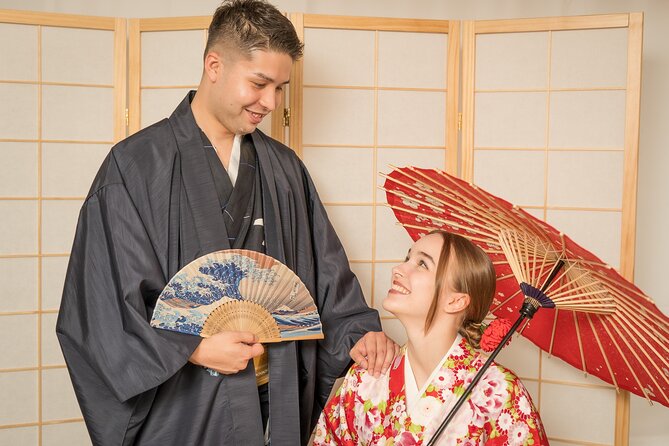
Expect a flow that moves in clear stages:
1) Arrive and check in with your reservation code
2) Service explanation and a quick consult on kimono and photoshoot location options
3) Choose your kimono for your style
4) Get dressed by skilled staff
5) Photoshoot in studio or outdoor locations (shrines or street provided by the photographer)
6) Change back into regular clothes
7) Receive the photo data by email
Even though it’s only about an hour, you’re doing a complete transformation plus a photo session. That’s why you’ll want to avoid scheduling anything rushed right before or after. The experience is designed to be compact, but your own day needs breathing room.
Also, you’ll take 30 to 40 photos. That’s a healthy range. It gives your photographer room to adjust your pose, angle, and kimono movement so you get options, not just a handful.
If you’re nervous about posing, you’ll likely relax once you start shooting. The session is built around a professional photographer guiding you through what to do and how to get your shots.
How the photographer helps you look natural (fast)
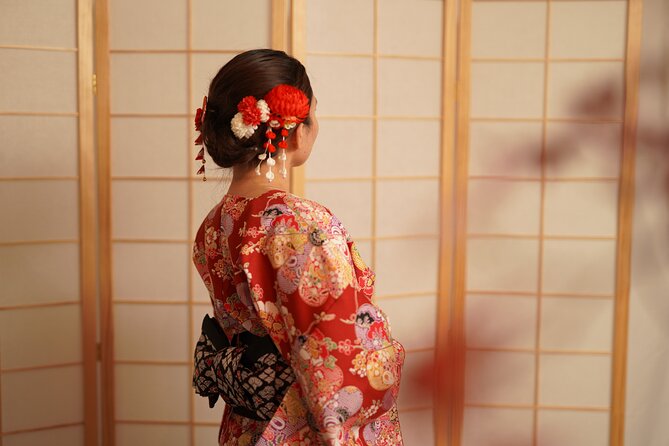
A great kimono shoot is partly the outfit and partly the direction. In the past feedback, the photographer was praised for actively fixing details—helping with hair, assisting with kimono choice, and selecting strong sites.
That combo is valuable because small details show up immediately in photos. The way hair sits, the way sleeves fall, and how you hold your posture all affect how the outfit looks on camera. When direction is clear and the staff know what works, you don’t waste time trying to figure it out yourself.
Since you’ll get 30 to 40 images, the direction also helps you get a range: one or two stronger poses, some softer moments, and angles that show the kimono clearly. You’ll be less worried about needing the perfect posture for every single shot.
This is also a good place to mention English-friendly guidance. If you want a certain vibe—more classic, more modern, more playful—you can usually communicate it faster when staff can explain options in English. That can shape how the photographer directs you.
Getting your photos by email and using them right away
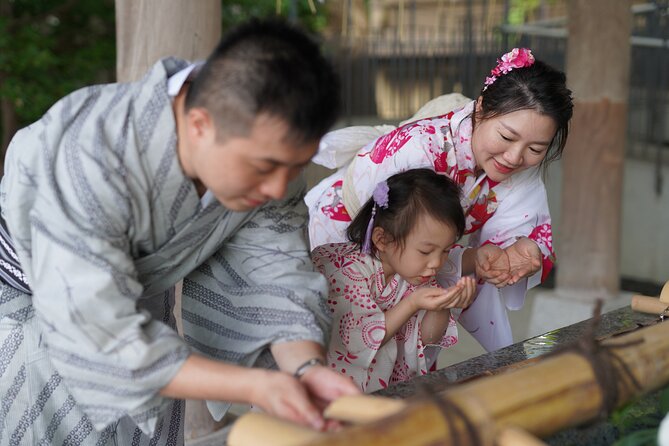
After the session, you change back into regular clothes, and then you receive the photo data by email. You’ll have 30–40 photos, which gives you choices for:
- Picking your favorites for social posts
- Making prints later if you want
- Sending copies to family or someone you surprised with the experience
The delivery method is important: digital photo data means you’re not locked into a print package. You can decide later what you want to keep.
Practical tip: once you receive them, download everything and back it up. Email attachments can be convenient, but they shouldn’t be your only storage plan.
And if you’re doing this as a gift, it’s a nice way to create a memory that doesn’t fade. One review mentioned surprising a wife with the session, and the photos landing well added to the impact.
Who should book this kimono photoshoot in Shibuya?
This works best if you want a classic Tokyo memory with professional help.
It’s especially good for:
- Couples who want dressed-up photos without planning a whole day around it
- People who want an English-friendly experience in a fast-moving neighborhood
- Anyone who likes the idea of multiple backgrounds—studio look plus outdoor Harajuku energy
- Families, since the photographer can adapt when you’re shooting with children (at least based on past experience)
It might be less ideal if:
- You hate changing clothes and want something ultra-lightweight
- You only want a quick photo and don’t care about kimono fit, styling, and direction
- You don’t want to budget for the optional hairstyling add-on
If you’re the type who likes control and clear guidance, you’ll probably enjoy this. If you’re the type who hates structure, you might find it more structured than you expected—but the flow is still designed to keep things smooth.
The value question: is it worth it for your Tokyo trip?
Here’s how I’d judge it. If you’re thinking about doing kimono rental by yourself and then taking your own photos, you’d need to solve for everything: outfit coordination, fit, finding good backgrounds, and getting someone to shoot you consistently. That’s a lot of moving parts.
This experience replaces those moving parts with a guided setup and a professional photographer. You pay for convenience, quality control, and outcomes.
The value gets even clearer because you get kimono + accessories included and a full shoot in a variety of nearby locations. You’re not spending your limited vacation time hunting for the right angle or waiting for a friend to take turns.
So for most people, it’s a smart use of money if you care about ending your trip with photos that look like they belong in a memory book.
Should you book SHIBUI’s English-friendly kimono photoshoot?
I’d book it if you want a clean, well-supported kimono experience in Harajuku/Shibuya, with a professional photographer and a realistic plan for backgrounds. It’s short enough to fit into your schedule, and the 30–40 photos delivered by email make it easy to enjoy the result without extra errands.
I’d think twice only if you’re not interested in the kimono styling piece or you’re trying to keep every cost at the minimum, since hair styling costs extra. Still, the add-on is optional, and the core package already includes kimono and accessories.
If you’re celebrating something, surprising a partner, or just want one day where you look like a main character in Tokyo photos, this is a strong choice.
FAQ
How long does the kimono photoshoot take?
It lasts about 1 hour.
How much does the experience cost?
The price is $91.79 per person.
What’s included in the price?
The package includes kimono and accessories rental, plus the photoshoot session.
Is hair styling included?
No. Hair styling is not included, and it costs an additional 2000 JPY per person.
How many photos will I get?
You can take 30 to 40 photos, and you will receive the photo data via email.
Where will the photos be taken?
You can shoot in a studio and also at nearby outdoor options such as Harajuku Street (about 2 minutes walk) and traditional gardens (about 3 minutes walk). Shrines or street provided by the photographer are also possible.
Where is the meeting point?
Kimono Rental SHIBUI Harajuku Store, Room No. 413, Harajuku-Copo-Bekkan, 1-chōme-10-34 Jingūmae, Shibuya, Tokyo 150-0001.
Is this a private experience?
Yes. Only your group participates.
Do the staff speak English?
Yes. There is an English-speaking staff member who guides you through the experience.
What is the cancellation policy?
You can cancel for free up to 24 hours in advance for a full refund. Cancellation cut-off times are based on local time.