REVIEW · TOKYO
Tokyo: Mt.Fuji & Lake Kawaguchiko 1-Day Bus Tour w/Optional Lunch
Book on Viator →Operated by VIP Japan Tours · Bookable on Viator
A clear view of Mt. Fuji can make a Tokyo trip feel complete. This 1-day bus tour strings together the best-known Fuji viewpoints and lake-time scenery without you wrestling trains or transfers on your limited schedule, starting and ending in Shinjuku. You get Mt. Fuji framing from multiple angles, plus crafts and a thatched-roof village to break up the photos.
I like how the tour handles the day for you: live commentary on the bus, organized stops, and a comfortable A/C ride. I also like the mix of iconic sights and calmer breaks, like Lake Kawaguchiko stroll time and the traditional village at Lake Saiko, which turns the day from only sightseeing into something more human.
The main thing to consider is that Mt. Fuji visibility can’t be guaranteed, and the big viewpoint stop involves stairs. If clouds roll in, you’ll still see the area, but the “wow” factor depends on weather.
In This Review
- Key highlights at a glance
- Why this Shinjuku-to-Fuji bus day works
- Mt. Arakurayama Sengen Park and the stairs behind Chureito Pagoda
- Lake Kawaguchiko Craft Park: where your lunch decision actually matters
- Fuji Sengen, craft museums, and the photo-stop rhythm in Fujiyoshida
- Oishi Park for flowers, reflections, and seasonal timing
- Saiko Iyashi no Sato Nenba: thatched-roof village time at Lake Saiko
- Price and value: is $77.96 worth it for a Fuji day trip?
- Weather reality, November maple upgrade, and how to plan like a pro
- What the best guides do with your day
- Should you book this tour or go DIY?
- FAQ
- How long is the Mt. Fuji and Lake Kawaguchiko day trip?
- Where do I meet, and where do I get dropped off?
- Is hotel pickup included?
- Is lunch included in the price?
- Will I definitely see Mt. Fuji?
- What are the main stops on the route?
- Is there a lot of walking or stairs?
- Can I bring luggage, and what are the limits?
Key highlights at a glance
- Central Shinjuku pickup and same-area drop-off keeps the day simple in Tokyo
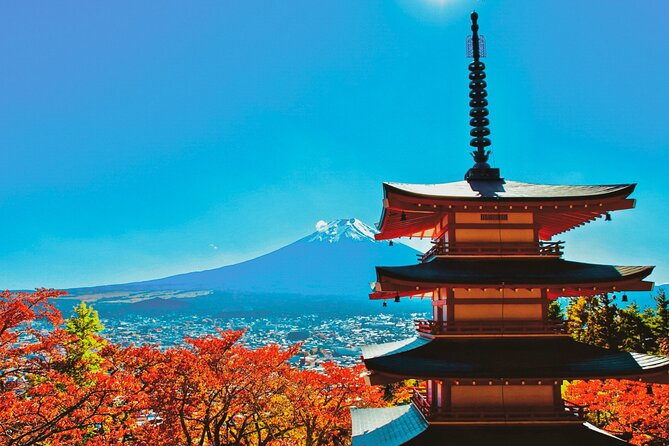
- Chureito Pagoda viewpoint delivers the classic Fuji-in-frame photo moment
- Lake Kawaguchiko time includes shopping and an optional lunch upgrade
- Oishi Park flower walk is built for reflections and seasonal color
- Saiko Iyashi no Sato Nenba gives you thatched-roof Japan vibes, with admission included
- Multiple photo angles across the day instead of one single viewpoint
Why this Shinjuku-to-Fuji bus day works
If you’re in Tokyo and you only have one day for Fuji, this kind of tour is the most efficient way to do it. You’re not figuring out bus routes, timing transfers, or switching lines while also trying to catch daylight for photos. You meet in a central spot, get driven around in an A/C vehicle, and return to the same area for dinner.
This matters because Fuji day trips can get stressful fast. The tour is designed around timing: you’re back in Shinjuku in time to eat, and you’re not spending your afternoon glued to schedules. The tradeoff is you are on a set route, so you’ll want to like that style of sightseeing.
Group size tops out at 94. That’s big-bus energy, but it’s also why the day stays organized and why you don’t lose hours to getting everyone to the right places.
You can also read our reviews of more tours and experiences in Tokyo


Mt. Arakurayama Sengen Park and the stairs behind Chureito Pagoda
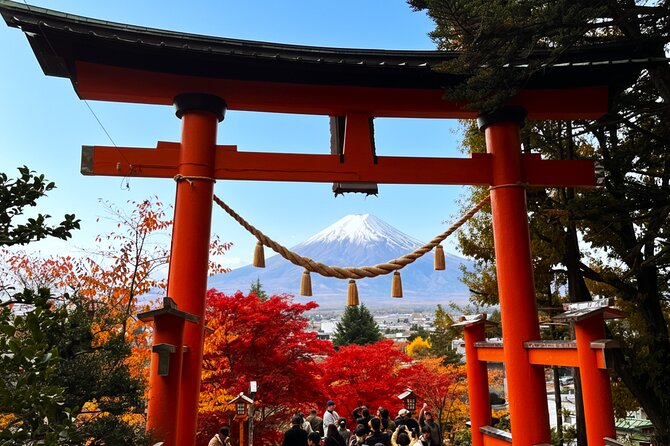
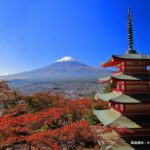
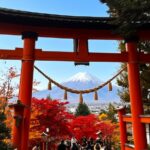
The day starts with the Fuji photo that most people recognize immediately: Chureito Pagoda with Mt. Fuji in the background. The viewpoint sits at Arakurayama Sengen Park (in Fujiyoshida), and you climb stairs to reach the top. Admission at this stop is listed as free, so your real cost is time and energy.
What I like here is the payoff. Even if you’re not a “pagoda person,” the sightline is iconic for a reason, and the angle lets you frame Fuji without needing special planning. The area is also one of the best ways to understand how Mt. Fuji dominates the region’s skyline.
The consideration is physical effort. The tour notes moderate fitness and specifically calls out stairs near Chureito Pagoda. If you’re traveling with knee issues or you hate climbing when you’re cold, plan to move slowly and give yourself buffer time at the viewpoint.
You may also see an additional observation-deck style stop on this route, like the Niikurayama Asama Park Observation Deck, which is reached via 398 steps. That’s the “still worth it” option if you can handle stairs and want a higher perspective.
Lake Kawaguchiko Craft Park: where your lunch decision actually matters
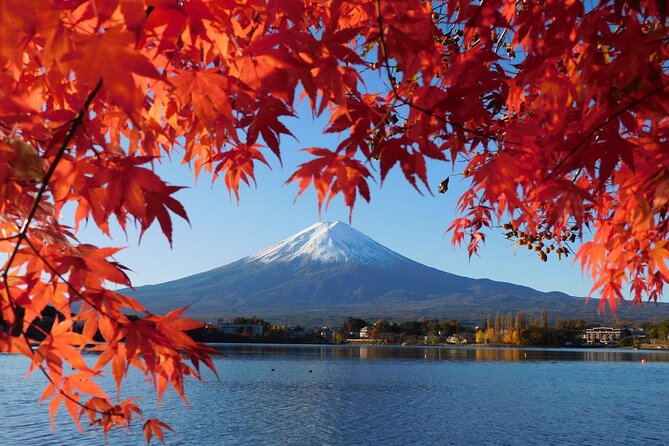
After the first big Fuji moment, the tour heads toward the northern side of Lake Kawaguchiko. This is where your day turns from “one viewpoint rush” into a more relaxed lakeside loop.
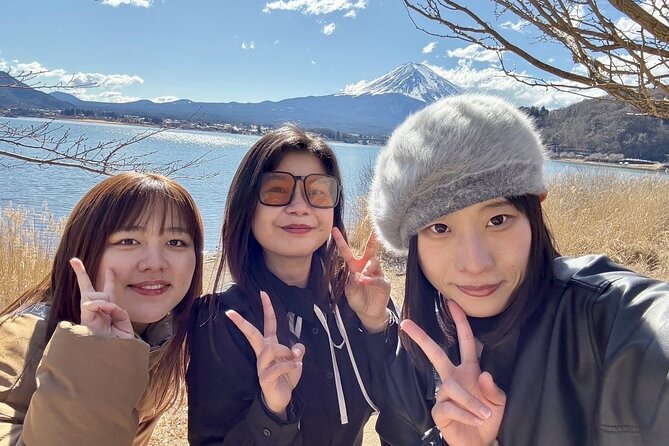
At Kawaguchiko Craft Park, you get about 2 hours. Admission is free, and the lake setting gives you room to breathe, browse, and grab photos with a less intense crowd feel than the main pagoda area. The tour also places the lunch moment here, with options depending on what you choose when booking.
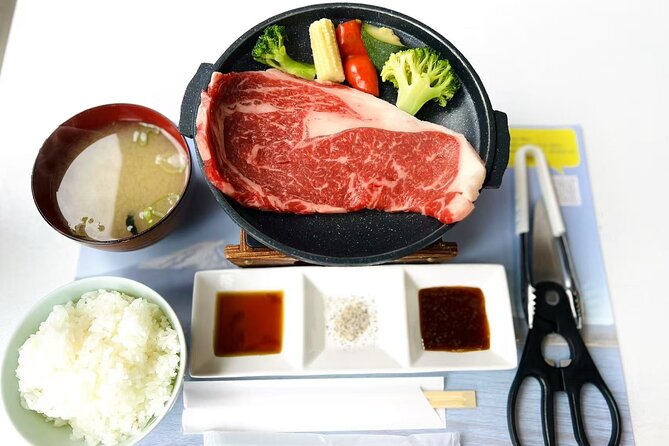
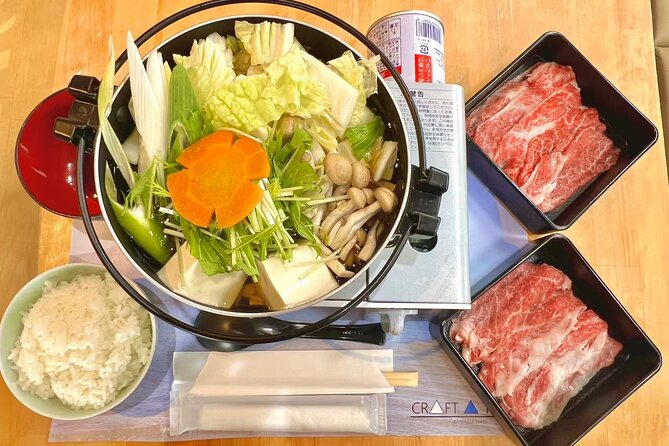
Here’s my value angle: if you choose the lunch upgrade, you’re reducing decision fatigue during a tight day. One highlight from the experience is that lunch can include choices like Kobe beef (in the examples provided), and people are generally happy with the food quality. If you skip the lunch option, you’re on your own for timing and can end up spending extra time searching.
If you’re the type who likes trying local sweets or gifts, this is also where you can slow down. You’ll see region-focused items and a sense of place tied to the lake, not just tourist trinkets.
Fuji Sengen, craft museums, and the photo-stop rhythm in Fujiyoshida
Between Kawaguchiko and Oishi Park, the tour includes a set of cultural and craft stops around the Fujiyoshida area. The list can feel like a “greatest hits” sampler of small places, and that’s exactly what you’re buying with a guided bus day: variety without having to manage logistics.
A few stops included on the route:
- Shinkura Fuji Sengen Shrine, founded in 750 AD, which gives context to how long Fuji has been part of Japanese religious life
- Shimoyoshida Station Blue Train Terrace, a rail-themed stop that adds a different kind of atmosphere
- Oishi Tsumugi Traditional Craft Museum, where you can see the history behind Oishi Tsumugi silk and purchase fabrics
- Kawaguchiko Music Forest, a music-themed park with a European Alps-style setting under Fuji views
- Itchiku Kubota-related museum, tied to the dyeing artist Itchiku Kubota and his Tsujigahana works, with the museum positioned for scenic views
What I like about this segment is the pacing. You’re not only chasing “the one best Fuji shot.” You get breaks to look at crafts, exhibitions, and themed spots, which makes the day feel like more than a drive-by.
A potential drawback is that these stops can feel a bit “stop-and-go.” On a single day, you’ll get enough time to enjoy each place, but not enough to become a deep expert on any one museum. If you like browsing without being rushed, you’ll want to focus on what you care about most—silk, trains, music, or art—and let the rest be bonus value.
Also note that the tour is designed to respond to weather conditions. Guides often manage timing based on what the sky is doing, which is a smart way to protect your Fuji-photo chances.
Oishi Park for flowers, reflections, and seasonal timing
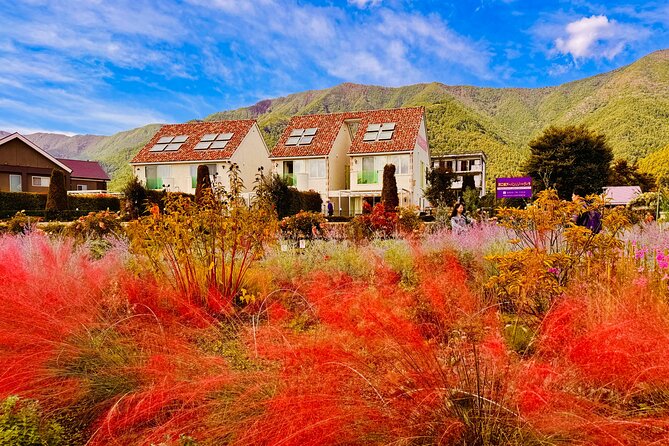
Oishi Park is the next major scenery stop: about 30 minutes with free admission. This is where your photos get more “postcard lake” than “pagoda skyline,” with a focus on flowers and the possibility of Mt. Fuji reflected in the water.
If you’re visiting in a season when flowers are at their best, this stop can be a highlight. The tour’s emphasis on seasonal scenery means you’re not just passing time; you’re hitting another prime angle designed for the look people travel for.
There are also nearby shopping and souvenir chances around the park area, including Fuji Oishi Hana Terrace and the Kawaguchiko Natural Living Center. You can use this as your flexible window: if you got short on time earlier, you can still find gifts here without feeling like the day is over.
The practical consideration is the short duration. Thirty minutes is enough for a walk and photos, but not enough to linger if it’s crowded or if Fuji’s in and out of clouds. Treat this stop as a sprint with style: choose your photo spots quickly, then enjoy what’s around you.
You can also read our reviews of more tours and experiences in Tokyo





Saiko Iyashi no Sato Nenba: thatched-roof village time at Lake Saiko
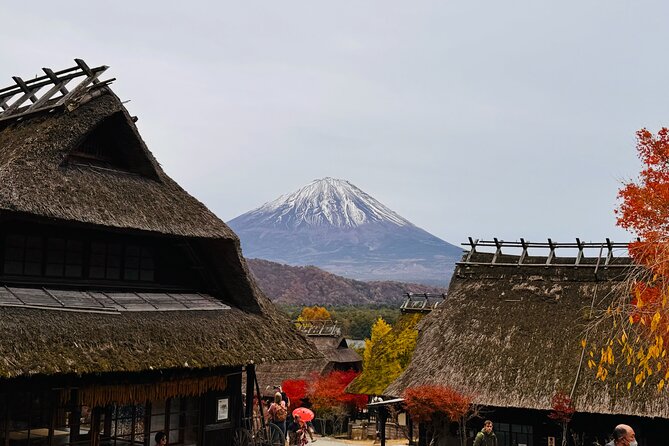
The final “wow for non-photo lovers” stop is Saiko Iyashi no Sato Nenba. It’s a traditional village of thatched-roof houses on the shore of Lake Saiko, and admission is included. You get about 1 hour, which feels right for wandering at an unhurried pace while you still have energy for the return ride.
This stop adds something important. Earlier in the day, Fuji and lake views dominate. Here, the focus shifts to traditional architecture and the feeling of daily life in older Japan, which makes the tour feel more balanced than just hitting viewpoints and leaving.
It’s also a good mood changer late in the day. You’re coming down from the earlier stair climbs and photo angles, and a gentle walk through the village helps the day feel complete.
If your Mt. Fuji views are limited earlier, this village often still delivers a strong “this is Japan” memory even on a cloudy day. The tour notes that Mt. Fuji visibility can’t be guaranteed, and that matters most for the viewpoint-heavy parts. The village is less dependent on sky conditions, which is why I like it as a closing stop.
Price and value: is $77.96 worth it for a Fuji day trip?
At $77.96 per person for about 9 to 10 hours, you’re paying for four things:
1) central Tokyo transfers
2) an air-conditioned coach
3) live guide commentary
4) a full day route that strings together multiple major sights
For many first-time visitors, the time cost of DIY is the real expense. Even if public transit sounds cheaper on paper, Fuji day trips can swallow your day with transfers and waiting. This tour buys you back that time and reduces the mental load.
Also, the tour isn’t just “drive and drop.” You get several free-admission stops, plus at least one paid-included admission (the Saiko village) and multiple chances to look for Fuji from different angles. That photo variety is the kind of value you can’t recreate easily without planning.
Lunch is the swing factor. If you choose the lunch option, you’re likely to feel better about value because the day’s strongest “food timing” moment is handled for you. If you skip it, the tour still gives you time, but you’ll spend more energy coordinating your own meal.
So is it worth it? If you want a straightforward Fuji day with less hassle and you’re happy following a set route, yes. If you prefer maximum flexibility and you’re comfortable building a day around buses and trains, you might do DIY for less, but you’ll pay in time and uncertainty.
Weather reality, November maple upgrade, and how to plan like a pro
Mt. Fuji days run on weather luck. The tour explicitly warns you that visibility can’t be guaranteed. In practice, that means you should treat the day as both a sightseeing plan and a weather plan.
Dress for layers. Even when Tokyo feels mild, Fuji viewpoints can be chilly, especially if you’re standing outside and climbing stairs. Bring gloves if you get cold easily, and plan for wind near open lakes and observation areas.
Two timing notes you should know:
- The schedule can change due to weather, road traffic, and other unforeseen conditions.
- Dec. 14 may face traffic delays because the Mt. Fuji Marathon is held nearby.
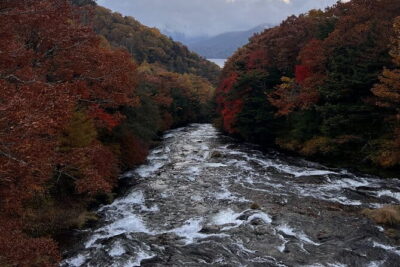
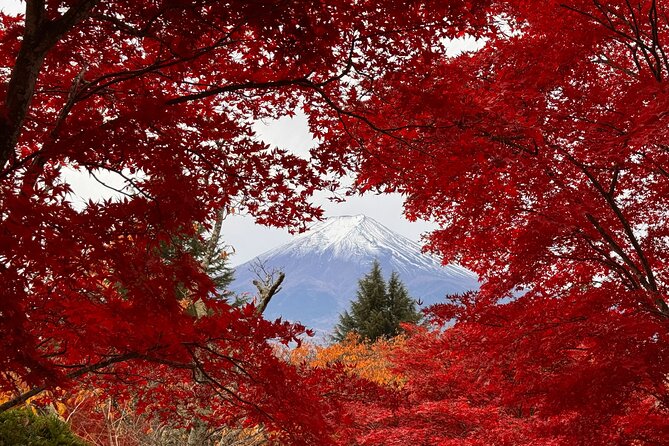
If you’re visiting in November, the route includes a seasonal tweak. After Kawaguchiko Craft Park, you’ll move to a corridor with more than 400 maple trees for autumn views. That’s a nice reminder that the tour isn’t locked to one look year-round; it’s built to match the season’s best visuals.
Finally, if your biggest goal is Mt. Fuji in full view, I recommend focusing on guides’ timing choices at the stops. Guides often try to position you for the clearest windows, and some are known for sharing photo tips on less crowded angles.
What the best guides do with your day
The “you get a guide” part can be the difference between a great day and a forgettable one. In the examples tied to this tour, guides such as Mitsuko, Eric, Chen, and Omar show up repeatedly, and the common thread is real effort: clear explanations, good pacing, and help finding strong photo spots.
You’ll notice it most when timing gets tight or weather shifts. A good guide helps you decide where to spend your time first, when to move, and how to get the view you came for without wasting steps.
Some guides also handle language well, with examples including English and Chinese commentary on the same bus depending on participants. That makes the day feel easier if you don’t want to rely on reading signs at every stop.
My advice: show up early, scan the correct QR code for your meeting point, and confirm your name with the guide when you arrive. The tour is strict about departing on time, and it’s based on assigned meeting locations.
Should you book this tour or go DIY?
Book it if you:
- want a one-day Mt. Fuji plan that minimizes Tokyo logistics
- like photo stops with short guided context
- prefer an A/C bus and live commentary over figuring out transit
- don’t want to spend your vacation researching stair routes and bus timing
Skip it or consider a DIY approach if:
- stairs and crowds stress you out
- you need total schedule flexibility
- you only care about one specific view and you’re comfortable building the route yourself
If you’re on the fence, here’s my simplest way to decide. If your priority is seeing Fuji while protecting your time in Tokyo, this tour is a strong value at $77.96. It’s structured, efficient, and built to give you multiple chances at the views that make a Fuji day unforgettable.
FAQ
How long is the Mt. Fuji and Lake Kawaguchiko day trip?
It runs about 9 to 10 hours, with transfer times that are approximate and depend on traffic and the time of day.
Where do I meet, and where do I get dropped off?
You meet at Shinjuku Post Office (Shinjuku Station West Exit area) in Nishishinjuku, Tokyo. The only drop-off location is back at the same Shinjuku Post Office area.
Is hotel pickup included?
No. Hotel pickup and drop-off are not included.
Is lunch included in the price?
Lunch is included only if you select the lunch option during booking. If you don’t choose it, lunch is at your own expense.
Will I definitely see Mt. Fuji?
No. Visibility of Mt. Fuji depends on weather conditions, and it cannot be guaranteed.
What are the main stops on the route?
Key stops include Chureito Pagoda at Arakurayama Sengen Park, Lake Kawaguchiko/Kawaguchiko Craft Park, Oishi Park, and Saiko Iyashi no Sato Nenba by Lake Saiko.
Is there a lot of walking or stairs?
You should expect walking and stairs. The tour notes that reaching the viewpoint near Chureito Pagoda requires climbing stairs, and it’s listed as requiring moderate physical fitness.
Can I bring luggage, and what are the limits?
You’re allowed one piece of luggage per person during the excursion. It must be manageable and fit in the vehicle trunk, with a maximum combined size of 155cm (height + width + depth). Items in the trunk aren’t accessible between stops, so keep valuables with you.