REVIEW · TOKYO
Tokyo: Samurai Sword & Archery Class from Samurai Descendant
Book on GetYourGuide →Operated by Toyama-Ryu BIZENKAI · Bookable on GetYourGuide
A samurai class you can actually try, not watch. This Tokyo experience pairs swordsmanship and traditional Japanese horseback archery in one 3-hour training session, taught in a real dojo setting by a master of both arts. You’ll hear the story of how the samurai’s main weapons changed over centuries, then go straight into hands-on cutting drills, sparring, and bow-and-arrow practice.
I love that it’s built like training: you start with etiquette and technique, then you practice proper form with the tools you’re meant to use. I also like that the archery is not a cheap demo—the class includes shooting arrows with a real horseback archery bow, plus hands-on sword work like Iai handling and gekken timing.
One drawback to consider is the physical side: this is not a sit-and-smile activity. If you have mobility limits, back or heart issues, epilepsy, or are pregnant, the class isn’t suitable, and even healthy beginners often feel the workout the next day.
In This Review
- Key Things You’ll Remember
- Entering Toyama-ryu Bizen-kai: The Dojo Start That Sets the Tone
- The 3-Hour Flow: Iai, Gekken, Cutting Drills, and Horseback-Style Archery
- Iai Lesson: Handling and Swinging a Mock Sword
- Gekken Lesson: Timing, Defense, and Friendly Sparring
- Cutting Work: Slash Multiple Targets While Moving
- Archery Block: Real Horseback Archery Bow, Real Arrow Shooting
- Historical Lecture Moments and Hands-On Props
- What Makes This Class Worth the Money: The “Train Like a Student” Factor
- Sword Etiquette and Safety: The Details That Keep It Legit
- The Instructor Pair: Master and Assistant Working in Sync
- Getting the Most Out of Your Session (Without Fighting the Process)
- Who Should Book This and Who Should Skip It
- Where It Fits in Your Tokyo Itinerary
- Price and Value: What $193 Buys You Here
- Should You Book Samurai Sword & Archery from Samurai Descendant?
- FAQ
- How long is the Samurai Sword and Archery class?
- Where does the class meet in Tokyo?
- What is included in the training?
- Do I need to speak Japanese?
- What should I bring?
- Is the class shared or private?
- Is this class suitable for children?
Key Things You’ll Remember
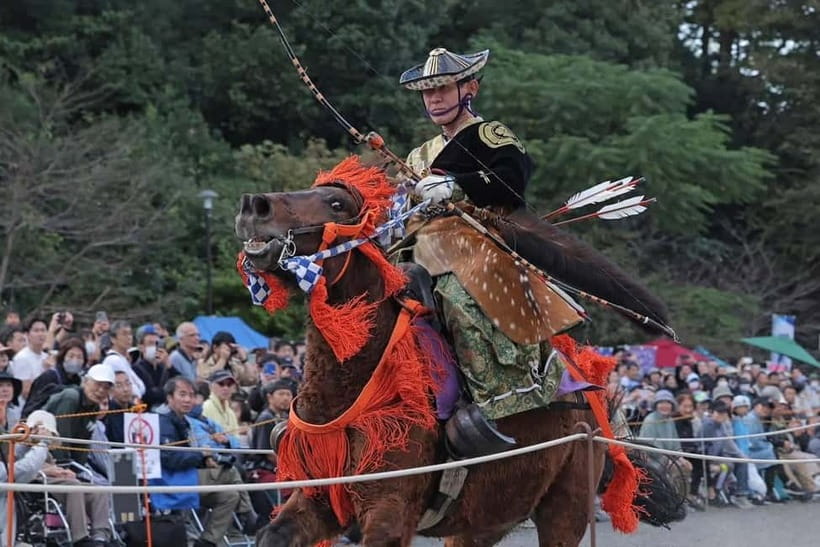
- Sword cuts you practice, not just see: Iai handling and gekken sparring with a practice sword
- Move-and-cut drills: you slash multiple targets while moving, which is harder than it looks
- Horseback archery bow shooting: you try real arrow shooting using the Japanese horseback style
- Dojo culture first: short lectures, correct techniques, and a real sense of discipline
- Small class size: capped at 15 people for a more hands-on feel
- Extra historical touchpoints: blade-line checks and even holding an antique matchlock gun
Entering Toyama-ryu Bizen-kai: The Dojo Start That Sets the Tone

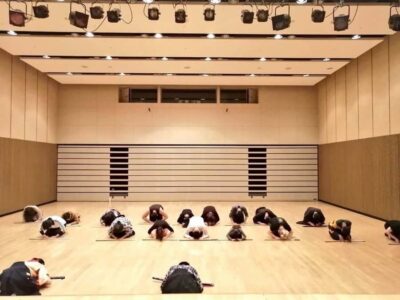
Your session begins at Toyama-ryu Bizen-kai, a dojo space reached by a 10-minute walk from JR Machida Station. The dojo is on the third floor, and the stairs you want are at the back between a sword shop and vending machines on the first floor. It’s the kind of place where you immediately feel the difference between training and performance.
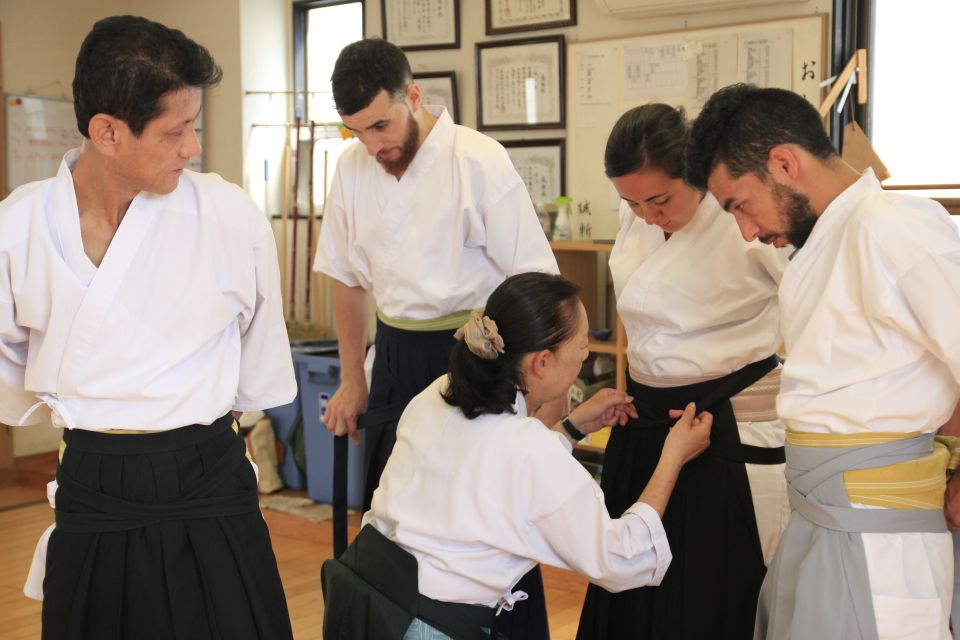
When you arrive, you’ll get a short lecture and then change into training wear provided by the class. You’ll need to tell them your height and weight so they can fit the uniform properly. That little detail matters, because the whole day runs on correct posture and safe movement.
The instructor’s vibe also matters. Based on what I’ve seen in the way this class is taught, the atmosphere is respectful but serious—kind corrections, not a show. One of the most repeated themes from participants is how clearly the instructor explains, adjusts your form, and insists on safety and fundamentals.
You can also read our reviews of more tours and experiences in Tokyo



The 3-Hour Flow: Iai, Gekken, Cutting Drills, and Horseback-Style Archery
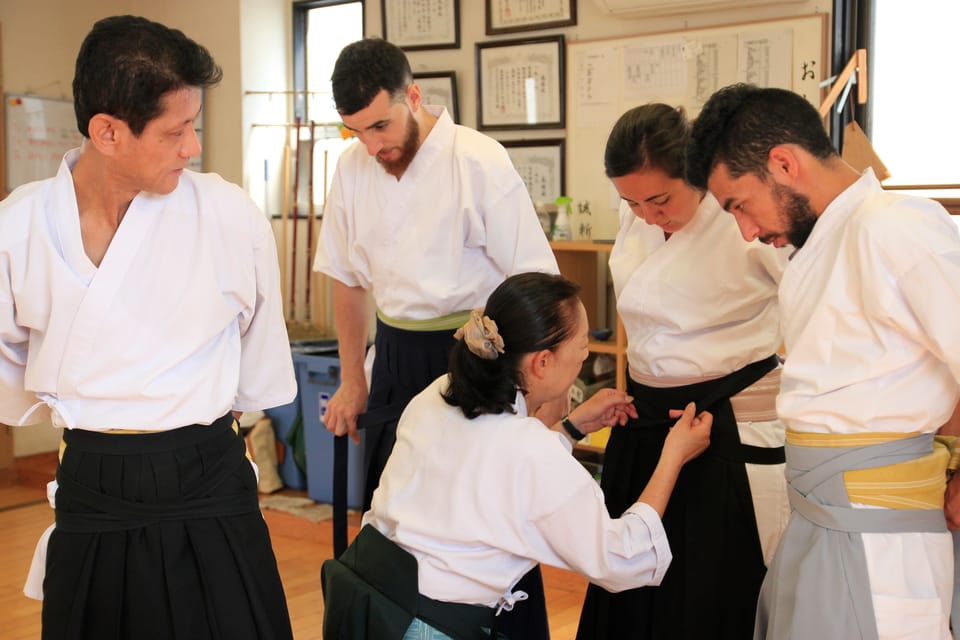
This class is structured around multiple skill blocks, and each one builds toward the next. Expect a mix of lecture, technique coaching, and practice time with real equipment designed for training.
Iai Lesson: Handling and Swinging a Mock Sword
You’ll start with the Iai part focused on how to handle and swing the sword correctly. Even if you’re brand new, the point isn’t to impress anyone—it’s to learn the basic mechanics safely so your body remembers the right pattern. A lot of the learning here is about timing and control, not speed.
You’re using a mock sword for the Iai lesson, which helps you practice movement without the risks of live cutting. You’ll also learn how to keep your body aligned so your swing comes from technique, not flailing.
Gekken Lesson: Timing, Defense, and Friendly Sparring
Next comes gekken, where you work on the timing of attack and defense. This is also where sparring enters the picture, using a practice sword. The emphasis is on responding correctly, not just swinging hard. For many people, sparring is the moment where it feels real—because you stop thinking in theory and start reading distance, angles, and rhythm.
If you’re left-handed, you might notice the class is oriented for right-handed movement patterns. One participant called out the archery adjustment in particular, and while they still did well overall, it’s worth planning mentally for some adaptation.
Cutting Work: Slash Multiple Targets While Moving
The highlights call out something tough: slashing multiple targets while moving. That’s not “movie swordplay.” It’s controlled footwork plus sword line plus coordination, all at once. Even if you only get a few good reps, it’s the kind of training that sticks because you can feel the complexity in your muscles.
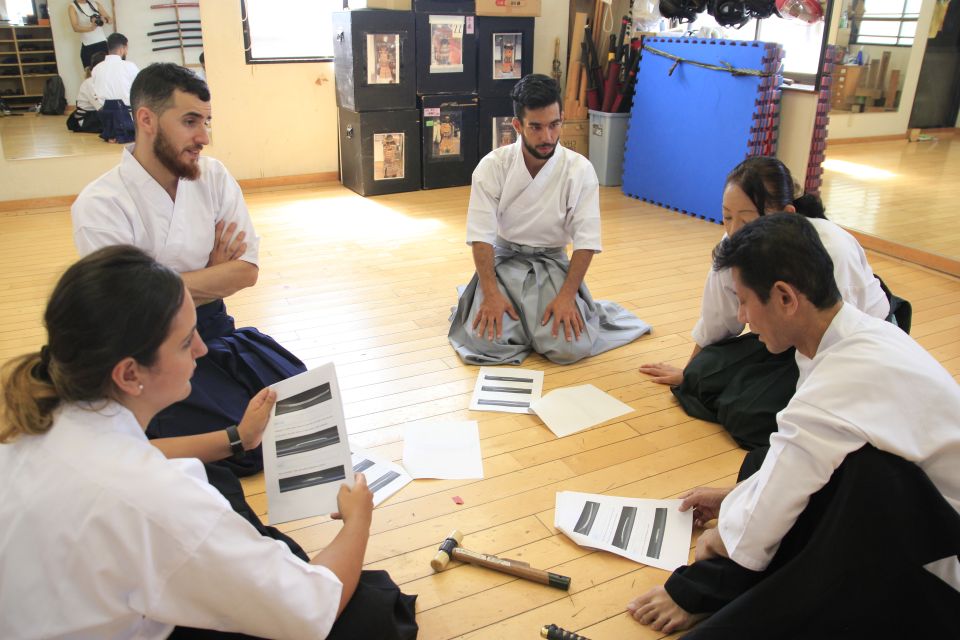
You’ll also have an activity to check the blade line. That’s a practical way to learn whether your cutting path matches the technique, instead of relying on guesswork. And yes, you’ll likely realize quickly why form matters—small errors show up immediately.






Archery Block: Real Horseback Archery Bow, Real Arrow Shooting
Then you switch gears to archery, using a real horseback archery bow. You’re not just holding the bow for a photo—you’re learning how to shoot arrows using the Japanese style. If you’ve never done archery, start with the mindset that accuracy takes practice time, and your first shots are part of learning the process.
Some people recommend filming with a wide lens for the bow-and-arrow portion. That’s useful advice because you’re moving and rotating through shots, and wide framing helps capture more of the action without shaky close-ups.
Historical Lecture Moments and Hands-On Props
You also get a lecture that places samurai weapon history in a timeline: roughly 1000 years ago the bow is central, about 450 years ago the matchlock gun becomes more powerful, and around 400 years ago, after the civil war ends, the sword becomes the main weapon. The class also includes the chance to hold an antique matchlock gun in your hands. That kind of tactile moment can be surprisingly powerful, because it turns “history” into an object you can feel.
Finally, there’s a live demonstration of Toyama-ryu (7th grade). That adds a sense of tradition and lineage, not just a single lesson plan.
What Makes This Class Worth the Money: The “Train Like a Student” Factor
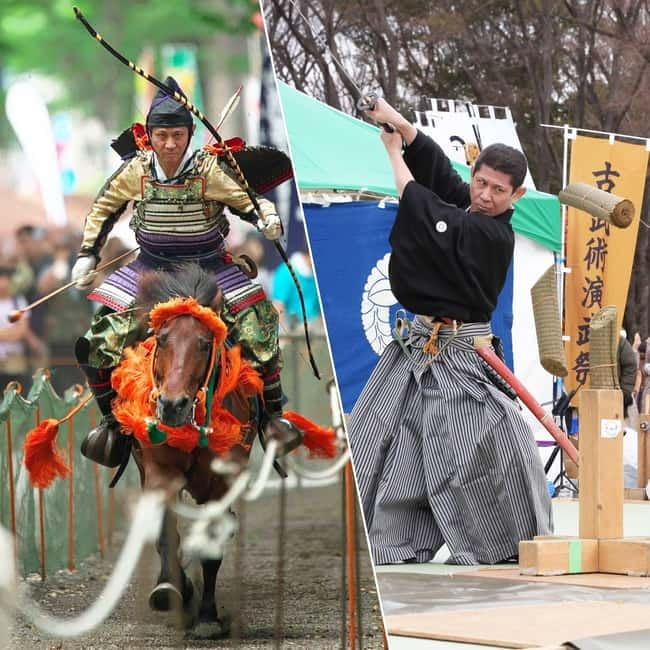
The price is $193 per person for 3 hours, and yes, it’s not the cheapest thing you can do in Tokyo. The value comes from the way the time is used. You’re not paying mostly for stories or stage-style demos—you’re paying for real practice opportunities with trained instruction.
In practice, that means:
- You handle the sword in structured ways (Iai with a mock sword, then practice cutting and sparring).
- You shoot arrows with a real horseback-archery bow.
- You get corrections based on form, timing, and safety, not just general encouragement.
It’s also a smaller group class, capped at 15 people, so the instructor can actually watch what you’re doing. Some participants got the feeling of a nearly private lesson when schedules aligned, which suggests your experience can be even more hands-on when the class is small.
If you like activities that leave you with muscle memory and a new skill, the cost starts to make sense quickly. If you’re only looking for photos and a light intro, you might find it too demanding for what you’re expecting.
Sword Etiquette and Safety: The Details That Keep It Legit
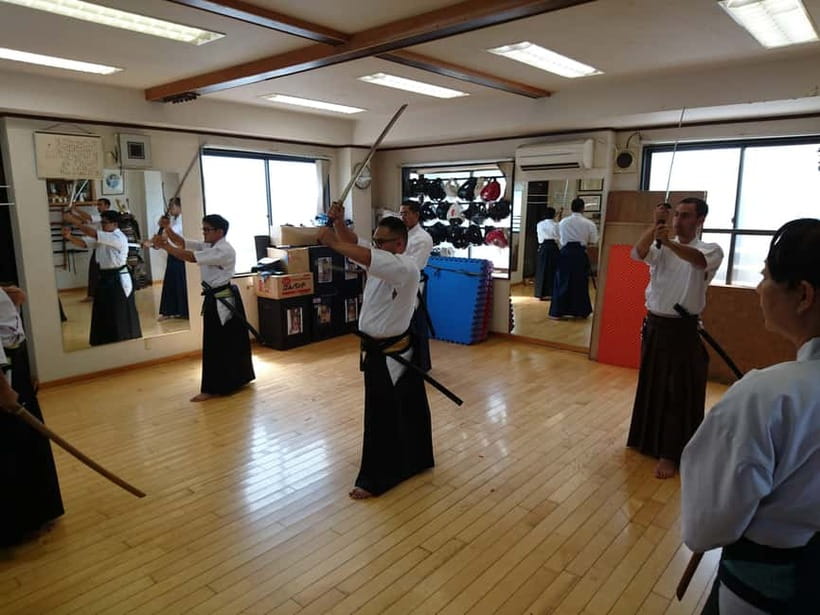
This is not “tourist sword combat.” The class is run as serious martial arts training in a dojo environment, and that shows in the way they teach.
You’ll see a strong emphasis on:
- proper stance and grip
- correct sword handling
- safety rules before practice starts
- repeated correction of your technique until it improves
Participants consistently mention that the instructor is patient but firm about form. One review noted that corrections come with kindness rather than harshness—more like a coach trying to stop bad habits early.
Dress matters here because the uniform helps you move correctly. You’ll be provided training wear, and you’ll just need to share your height and weight so it fits. Bring a camera if you want photos, and keep in mind this is active training, so you’ll likely take most photos between practice segments rather than nonstop filming.
The Instructor Pair: Master and Assistant Working in Sync
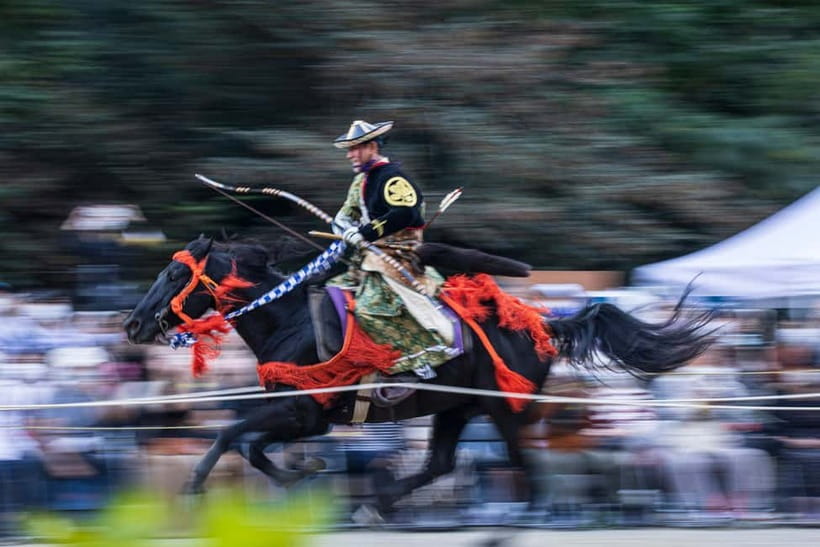
The head instructor is Yoshioki Sumida (also referred to as Yoshioki Sumida and Sumida-sensei). He’s presented as a master who has mastered both swordsmanship and horseback archery, and his teaching style reflects that focus. Multiple participants called out how clearly he speaks English and how he explains what to do, plus what not to do.
An assistant also supports the session (Harry was named by one participant). That matters because it usually means better safety supervision and more individual coaching in a small-group setting.
If you’re anxious about not understanding instructions, you should feel better knowing the class includes English support and that the teacher checks for understanding. Still, don’t plan on this being a casual conversation class. It’s training, and it moves.
Getting the Most Out of Your Session (Without Fighting the Process)
A class like this rewards the right attitude. Come in ready to listen, not ready to freestyle.
Practical tips that help:
- Arrive early so you can settle in and ask questions before the practice starts. One participant specifically suggested getting there about 30 minutes early for an extra demonstration.
- Wear your training uniform correctly once you’re fitted. Technique starts with your body alignment.
- When you get corrected, don’t defend your old way. Think of it as the instructor saving you time.
- If you’re interested in samurai culture beyond sword swings, pay attention during the lecture about how weapons changed over time.
Also, bring basic expectations: you might leave a bit sore. Sword work and controlled footwork are real movement, and even short sessions can fatigue your forearms, core, and legs.
Who Should Book This and Who Should Skip It
This is for you if:
- you want a hands-on samurai experience with real training tools
- you care about technique and discipline, not just a performance
- you like learning the connection between history and skill
It’s especially appealing if you’re the kind of traveler who dislikes “photo-op activities” and prefers something structured and authentic.
It may not be a fit if:
- you can’t do intense movement or you have restrictions listed by the class
- you have back problems, mobility impairments, heart problems, epilepsy, or are wheelchair-bound
- you’re pregnant
- you’re under 18 (kids require parental permission and supervision, plus enough muscle strength)
If you fall into one of those categories, take that seriously. The class is designed as active training, not a gentle cultural tour.
Where It Fits in Your Tokyo Itinerary
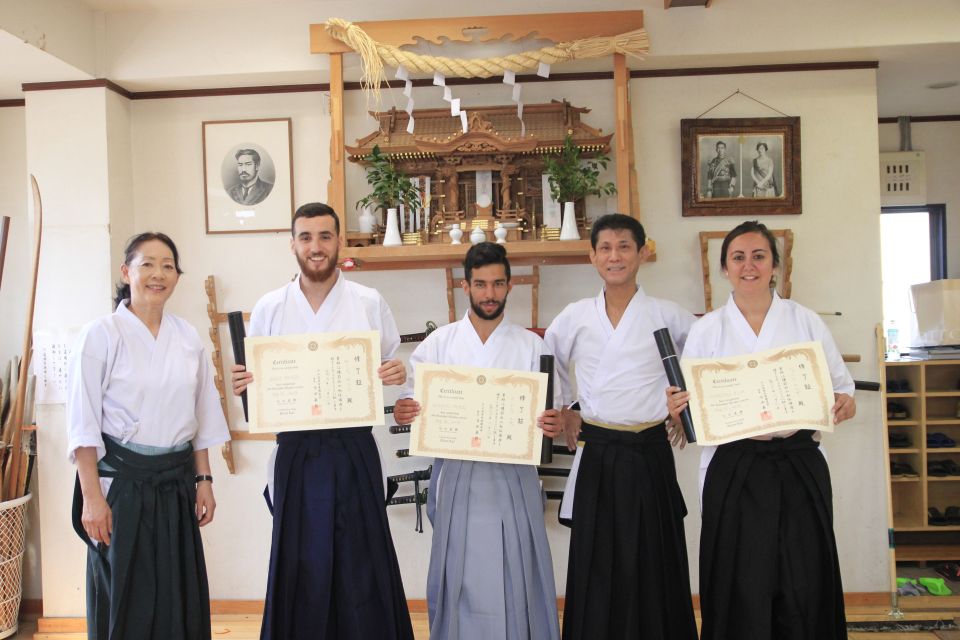
The experience lasts 3 hours, and it’s based around getting to Machida’s Toyama-ryu Bizen-kai dojo. Since it’s in a training setting, plan for the rest of your day to be flexible. You’ll likely want a light evening after, especially if you push hard during cutting and sparring reps.
If you’re staying in central Tokyo, you’ll likely need extra planning time to get there, plus time to find the correct stairs to the third floor. Leave buffer time and you’ll enjoy the class without stress.
Price and Value: What $193 Buys You Here
At $193 per person, the value is about access. You’re getting:
- swordsmanship instruction (Iai and gekken elements)
- practice cutting and structured drills
- sparring with a practice sword
- archery with a real horseback-style bow
- cultural lectures and a demonstration tied to Toyama-ryu
You’re also paying for the “true dojo” feel—small-group training, safety focus, and instructor corrections. That’s why participants call it worth it even when they admit it’s pricey. If you’ve tried cheaper “samurai experiences,” you’ll probably notice the difference fast: here you’re working through technique, not just posing with a sword.
Should You Book Samurai Sword & Archery from Samurai Descendant?
If you want Tokyo to include one training session that feels authentic and skill-based, I think you should strongly consider booking this class. It’s rare to find a setup where you practice both swordsmanship and horseback-style archery in a real dojo format within a single half-day block.
That said, be honest about your body and expectations. This is demanding training, not entertainment. If you’re physically capable and you’re excited to learn correct technique—then the session is likely to be one of your most memorable Tokyo stops.
FAQ
How long is the Samurai Sword and Archery class?
The class lasts 3 hours.
Where does the class meet in Tokyo?
You meet at Toyama-ryu Bizen-kai. It’s a 10-minute walk from JR Machida Station, and the dojo is on the third floor.
What is included in the training?
You’ll receive instruction and practice in Iai lesson sword handling, gekken lesson timing and defense, sparring with a practice sword, a cutting-related activity (including a blade line check), and bow and arrow practice using a real horseback archery bow. You also get a short lecture and a live demonstration of Toyama-ryu 7th grade.
Do I need to speak Japanese?
The instructor provides instruction in Japanese and English.
What should I bring?
Bring a camera and drinks.
Is the class shared or private?
It is a shared class, with a maximum of 15 participants.
Is this class suitable for children?
Children under 18 may participate with parental permission and supervision, and they need the muscle strength to swing the sword.