REVIEW · TOKYO
Tokyo: Instagram-Worthy Mt Fuji & Lake Kawaguchiko Day Trip
Book on Viator →Operated by Hakuu · Bookable on Viator
Fuji is a moving target in Japan. This day trip keeps you moving with a photo-focused route from Tokyo Station, aiming for the classic Mount Fuji angles around Lake Kawaguchiko. You’ll spend the day hopping between viewpoints locals actually chase, not sitting around guessing where to go next.
What I like most is how many different Fuji backdrops fit into one day—think Arakurayama’s Chureito Pagoda views, Oshino Hakkai’s crystal-clear springs, and even that famous convenience-store photo spot. I also appreciate the low-friction logistics: pickup from Tokyo Station, parking fees handled, and a small group capped at 21.
One thing to consider: this is a “see a lot, shoot a lot” trip. If you want slow walking, deep explanations, or unhurried time at each spot, the pace (and some guides’ styles) may feel rushed—especially when traffic nudges the schedule.
In This Review
- Key highlights to look for
- Why this Mount Fuji day trip feels efficient from Tokyo
- Price and what $161 really buys you
- The morning flow: 8:00 a.m. start and a “shoot-ready” pace
- Arakurayama Sengen Park: Chureito Pagoda and the Fuji hit
- The Hikawa Clock Shop skip: how schedule changes protect your time
- Oshino Hakkai: the eight springs that make Fuji feel close
- The Lawson Kawaguchiko Station photo stop: funny, quick, effective
- Lake Kawaguchi Ohashi Bridge and Oishi Park: flowers when Fuji cooperates
- Maple Corridor in late October and November: when the tour swaps the scenery
- Fuji visibility: cloudy days can still be magical
- Guide quality: why Hikari and Sakura’s style got so much praise
- Comfort, group size, and the practical rhythm of the day
- Who this day trip is best for (and who should skip)
- Should you book this Mount Fuji and Lake Kawaguchiko tour?
- FAQ
- What time does the tour start?
- Where do I meet the group in Tokyo?
- How long is the day trip including travel time?
- Which photo stops are included around Mount Fuji and Lake Kawaguchiko?
- Do you ever skip the Hikawa Clock Shop?
- When do you visit Maple Corridor instead of Oishi Park?
- Does the tour use a mobile ticket?
- What’s the group size limit?
- What fees are included vs not included?
Key highlights to look for
- Tokyo Station pickup that reduces morning stress and time loss
- Chureito Pagoda views at Arakurayama Sengen Park, including peak seasonal charm
- Oshino Hakkai’s eight springs for that iconic mirror-like Fuji reflection
- Lawson Kawaguchiko Station as a quick, high-reward Mount Fuji photo stop
- Seasonal swap to Maple Corridor in late October through mid-November
- Small group size (max 21) for a smoother day than giant buses
Why this Mount Fuji day trip feels efficient from Tokyo
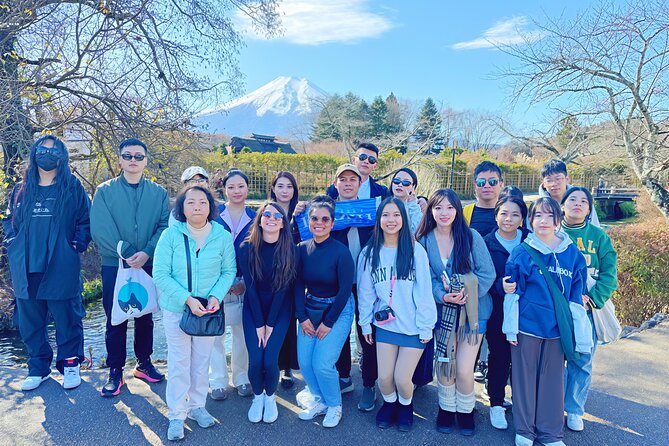
A Mount Fuji day trip is always a timing game. Clouds roll in, buses get delayed, and the mountain can be shy. This tour leans into that reality by planning multiple chances to spot Fuji instead of banking everything on one view.
You’ll also benefit from the format. It’s built around short photo windows at several stops, so you’re not stuck on a strict “one landmark, one hour, done” plan. The route clusters viewpoints in the Mount Fuji area so the day stays focused.
The other reason it works: it’s easy to start. Pickup is from Tokyo Station, and you don’t have to solve route maps, parking, or transfer plans before 8:00 a.m.
You can also read our reviews of more tours and experiences in Tokyo



Price and what $161 really buys you
At $161, you’re paying for two things: transportation with a driver plus guided coordination. You’re also paying for parking fees, which sounds minor until you try to do this on your own in peak season.
Is it cheap? Not really. But it can be good value if you want the heavy lifting removed. For most people, planning the whole day—choosing which lake-side viewpoint to prioritize, timing photos, and dealing with transit delays—costs time, energy, and sometimes money anyway.
One more practical detail: the tour is designed for photos, and photos require multiple location changes. That added driving and multiple stops is part of what you’re paying for, not a bonus.
The morning flow: 8:00 a.m. start and a “shoot-ready” pace
The tour starts at 8:00 a.m., and the total duration is about 10 hours including travel time. In real life, that means you’re not looking at a half-day outing—you’re committing to a full day of movement.
A lot of the positive energy from the experience comes from how the day is run. Multiple guides (like Sakura and Hikari) were praised for being helpful, clear, and focused on where to stand for the best angles. That matters because Fuji photos aren’t just point-and-shoot; a few meters can change everything.
That same pace can be a drawback. Some guides were described as rushing or offering less explanation than expected. So if you love commentary and slow storytelling, you might want to treat this as a photo-and-view tour first, information second.
Arakurayama Sengen Park: Chureito Pagoda and the Fuji hit
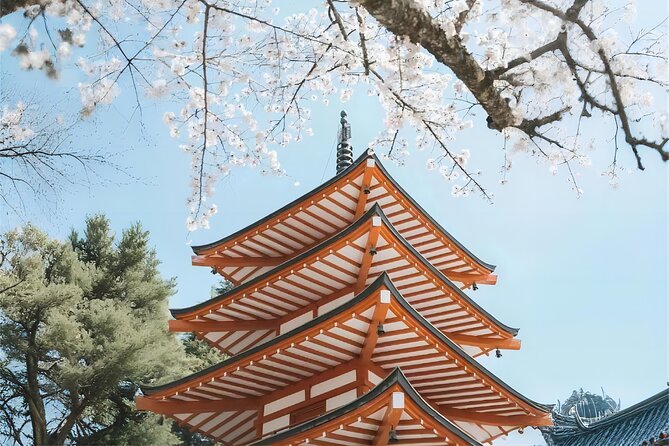
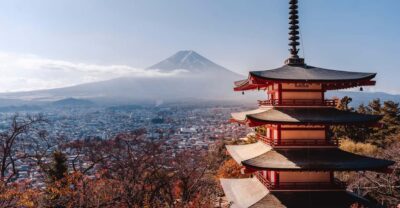
Arakurayama Sengen Park is the big opening statement. This is where you get the iconic Chureito Pagoda view—one of Japan’s most recognizable Fuji backdrops.
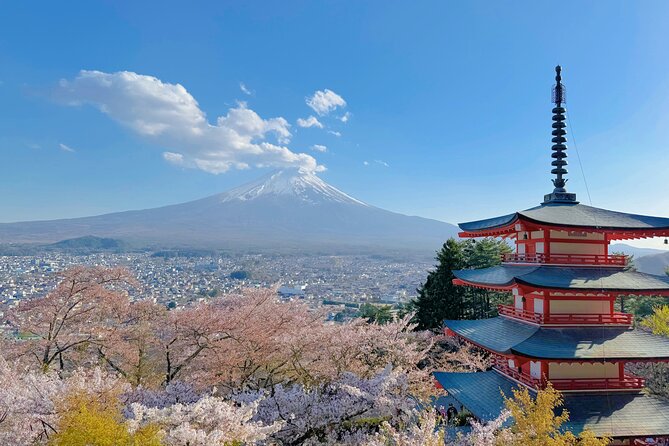
The timing can be seasonal. In mid-April, cherry blossoms make the scene extra dramatic. In November, autumn foliage turns the park into a warm-toned frame for the mountain. Even outside peak bloom, this stop is worth it because it’s designed for that classic “Fuji + pagoda” composition.
What I like about this stop in a guided day-trip format is the structure: you’re given about an hour here, and the entrance ticket is included. That’s long enough to find a good viewpoint spot, take multiple photos, and still move on without feeling like you’ll miss everything else.
Possible drawback: the “short hike” part. You’ll likely walk up and around for vantage points, so wear shoes you trust. If you’re the type who needs flat, easy paths, you may find this stop more effort than expected.
The Hikawa Clock Shop skip: how schedule changes protect your time
There’s a seasonal operational change that’s actually useful to know. During the cherry blossom period in 2025 (Apr 1–18), the tour skips the Hikawa Clock Shop. The reason is traffic regulations and extra walking from parking.
This is one of those cases where a “missing stop” can be a win. Instead of spending time fighting congestion and long transfers, you keep more of your day in the one place that really anchors your Fuji photo odds: Arakurayama Sengen Park.
If you’re visiting during early April, this also sets expectations. You may see the park included, but you shouldn’t count on the clock shop stop for that exact window.



Oshino Hakkai: the eight springs that make Fuji feel close
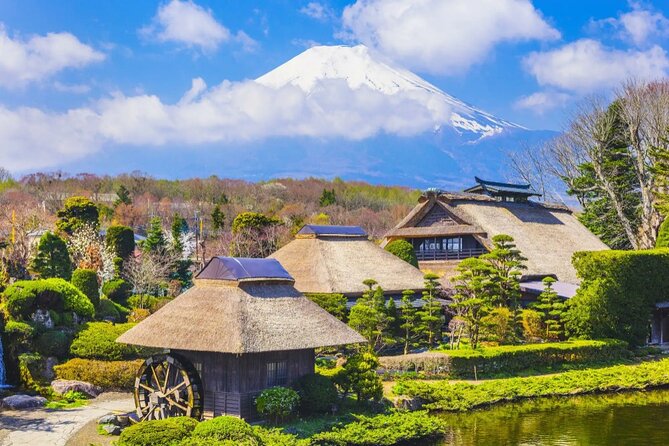
Oshino Hakkai is a different kind of Fuji experience—quiet water instead of big spectacle angles. This natural monument is made up of eight springs, formed by Mount Fuji snowmelt.
Why it’s special for a photo-focused day: the water can reflect the mountain. When the air cooperates, you get that crisp mirror effect. Even when Fuji is partially obscured, the area still feels like a scenic break from the busier viewpoint stops.
You’ll have about 1 hour 20 minutes here, and there’s no admission ticket noted for this stop. The time allotment matters. It’s enough to wander between viewpoints and still feel unhurried for a while, even on a day that’s otherwise schedule-heavy.
Practical note: this is a place where you’ll want to slow down a touch. Don’t rush through for just one shot. The best photos often come from standing still long enough to wait for light and reflection.
The Lawson Kawaguchiko Station photo stop: funny, quick, effective
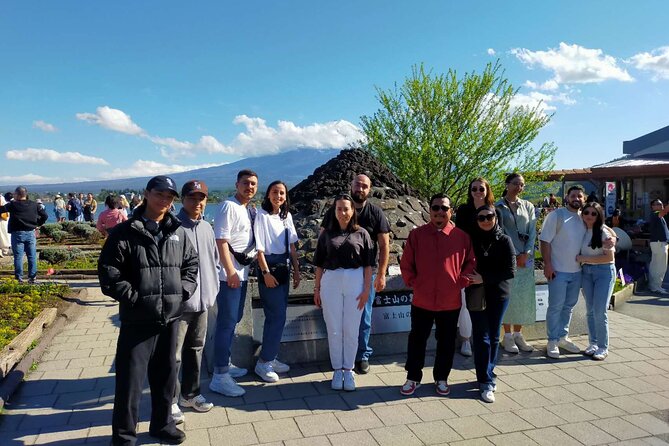
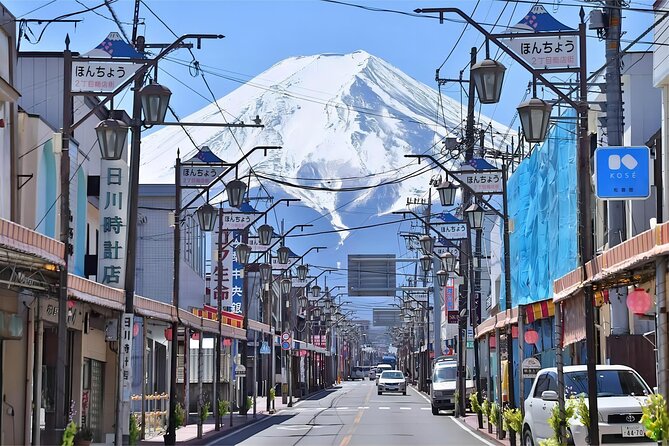
Yes, it’s a convenience store—and yes, it’s famous for a Mount Fuji view. Lawson Kawaguchiko Station is included as a 20-minute stop, and it’s positioned as a go-to photo spot.
Why this works on a day trip: it’s quick and low effort. You don’t need an elaborate plan. You just arrive at a spot where the angle is already established for Fuji viewing.
This is also the kind of stop where guide help shines. Some guides were praised for showing the best angles, and a stop like this is exactly where that kind of guidance can save you from wandering around looking for the “right place.”
Lake Kawaguchi Ohashi Bridge and Oishi Park: flowers when Fuji cooperates
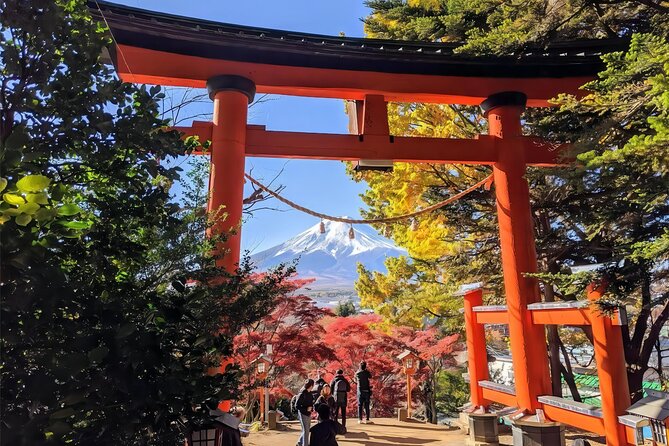
After Oshino Hakkai, the tour moves toward Lake Kawaguchi. The itinerary includes Lake Kawaguchi Ohashi Bridge for a 50-minute window, with Oishi Park as the usual finishing viewpoint during much of the year.
Oishi Park is known for flower fields. You’ll see seasonal blooms such as lavender, begonia, cosmos, and Japanese blood grass depending on the time of year. If you’ve ever felt like Fuji photos look too monochrome, flowers fix that fast.
The “bridge + park” pairing also helps. The bridge area gives you a sense of scale across the lake, while the park provides color and texture around the mountain line.
One consideration: summer to early fall can mean Fuji appears slimmer or less snow-draped. That doesn’t reduce the beauty, but it changes the look people expect when they imagine a snow-capped cone.
Maple Corridor in late October and November: when the tour swaps the scenery
From about Oct 30 to Nov 20, the tour visits the Maple Corridor instead of Oishi Park. This seasonal swap is meant to show off peak autumn colors.
The Maple Corridor is described as providing views of snow-capped Mount Fuji against fiery red maple leaves. If you’re traveling during late October or November, this swap is a big deal because you’re not just chasing Fuji—you’re chasing Fuji under the best seasonal color show.
You’ll also have about 50 minutes here, which is enough for multiple angles as the light changes a bit. And because this is a seasonal event timing, it’s worth arriving with a flexible mindset: those dates matter.
Fuji visibility: cloudy days can still be magical
Mount Fuji is famous for hiding, and cloudy days are part of the deal. In the experiences I saw reflected in guide reports, even when clouds showed up, Fuji sometimes appeared for short periods. That’s why hitting multiple viewpoints is a smart strategy.
Here’s the reality you should plan for: you might not get a perfect, clear view at every stop. But you can still have a great day. The lake area, the pagoda framing, and the water at Oshino Hakkai all offer beauty even when the mountain is shy.
So I’d mentally budget for a mix of conditions. Take photos when you can, but also enjoy the places themselves.
Guide quality: why Hikari and Sakura’s style got so much praise
The tour’s outcomes can swing with the guide. The strongest reviews repeatedly singled out guides like Hikari and Sakura for being funny, helpful, and clear—especially about where to stand for the best photo angle. That’s the kind of practical guidance you can’t easily DIY.
Hikari was also praised for keeping things moving and showing multiple locations for different shots. Sakura was mentioned as having good English and a sense of humor, which helps when you’re spending a full day in a moving schedule.
There was also at least one more critical note about a guide not explaining enough and rushing. Another issue described disorganization and communication problems around an add-on pickup time.
My advice: if you’re picky about narration and context, look for guides noted for clear explanations. And if you’re traveling on a tight personal schedule (dinner reservations, timed events), build in buffer time. This kind of day trip can run slightly long or finish earlier than you planned, depending on traffic and weather.
Comfort, group size, and the practical rhythm of the day
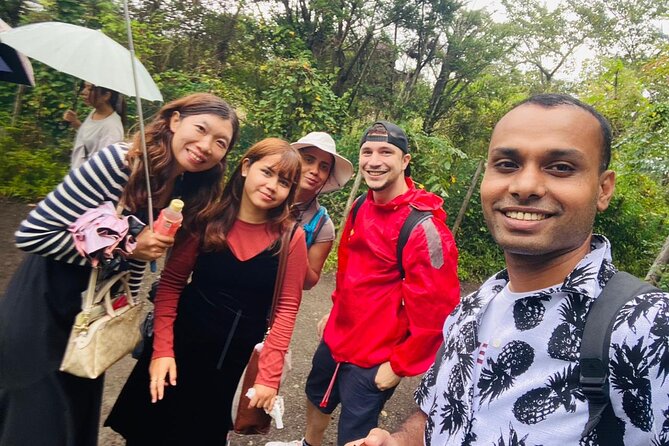
The group size max is 21 travelers. That’s big enough for energy on the bus, but small enough that you’re not constantly lost in a crowd. Several reviews also mentioned the bus ride being comfortable.
Because the tour is built around multiple photo stops, the day naturally follows a “move, shoot, move” rhythm. That’s great for getting lots of views quickly, and it’s also why the stop times matter.
- Arakurayama Sengen Park gets about an hour and includes the ticket.
- Oshino Hakkai gets about 1 hour 20 minutes and is described as free at the stop.
- Lawson Kawaguchiko Station is 20 minutes—short, focused, and easy.
- Lake Kawaguchi bridge and the next viewpoint together give you around 50 minutes.
- Maple Corridor is 50 minutes during the late-October window.
If you’re the type who wants long walks with lots of downtime, you may feel that squeeze. If you’re the type who wants to maximize your Fuji odds, this rhythm is exactly the point.
Who this day trip is best for (and who should skip)
You’ll likely love this if:
- You want Mount Fuji photos without spending hours planning routes and transfers.
- You like the idea of hitting multiple viewpoints in one day.
- You’re okay with a schedule that prioritizes time at the best angles.
You might want to skip or pair this with something else if:
- You want slow travel, deep cultural storytelling, or long stays in one place.
- You plan tightly timed dinner reservations and can’t rearrange.
- You get frustrated by pace changes when weather and traffic shift.
It’s also good to note that it’s described as suitable for most travelers and that children under 3 are free of charge without occupying a seat.
Should you book this Mount Fuji and Lake Kawaguchiko tour?
I’d book it if your priority is maximizing Fuji photo chances with minimal planning. The combination of Arakurayama Sengen Park, Oshino Hakkai, and Lake Kawaguchiko viewpoints gives you variety, not just one “hope and pray” stop.
I’d think twice if you’re strongly focused on lectures, history detail, or leisurely exploration. In that case, a slower itinerary (or adding your own time outside the tour) might feel better.
If you do book, pack for unpredictability. Fuji days can change fast, and this tour is designed to handle that with multiple stops. You’ll have a much better day when you treat the mountain like a surprise guest, not a guaranteed appointment.
FAQ
What time does the tour start?
The tour start time is 8:00 a.m.
Where do I meet the group in Tokyo?
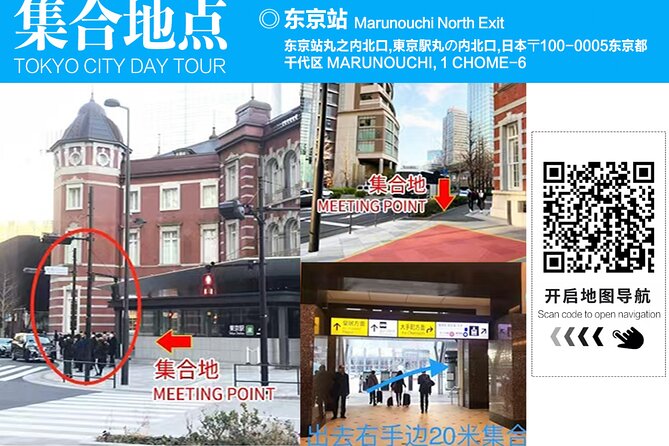
The meeting point is Tokyo Station, 1 Chome-9 Marunouchi, Chiyoda City, Tokyo 100-0005, Japan.
How long is the day trip including travel time?
The duration is about 10 hours, and that total includes travel time.
Which photo stops are included around Mount Fuji and Lake Kawaguchiko?
The itinerary includes Arakurayama Sengen Park (Chureito Pagoda area), Oshino Hakkai, Lawson Kawaguchiko Station, and Lake Kawaguchi areas. During the seasonal period, the tour swaps Oishi Park for the Maple Corridor.
Do you ever skip the Hikawa Clock Shop?
Yes. For 2025 cherry blossom season traffic regulations (Apr 1–18), the tour skips the Hikawa Clock Shop to maximize time at Arakurayama Park.
When do you visit Maple Corridor instead of Oishi Park?
From approximately Oct 30 to Nov 20, the tour visits the Kawaguchiko Maple Corridor instead of Oishi Park.
Does the tour use a mobile ticket?
Yes, it’s listed as having a mobile ticket.
What’s the group size limit?
The tour has a maximum of 21 travelers.
What fees are included vs not included?
Included items are parking fees and the driver and guide service fee, and children under age 3 are free without occupying a seat. The tour notes that dinner and other personal expenses are not included, and admission tickets aren’t listed as generally included—though the Arakurayama Sengen Park stop specifically includes its admission ticket.