REVIEW · TOKYO
Tokyo Okutama Day Trip Tour
Book on Viator →Operated by Tokyo Okutama Tour · Bookable on Viator
Leave Tokyo behind and walk underground. This small-group Okutama day trip swaps city neon for forest air, lakeside scenery, and the lit Nippara Limestone Caves. I like how the schedule mixes natural spots with local culture, and how the midday break centers on a kamameshi lunch box made with local vegetables.
That said, this is a long, active outing. You’ll spend 10 to 14 hours on mountain roads, with stairs, frequent getting in and out of the vehicle, and some spots where footing can be tricky—bring grippy shoes and plan for a lot of walking.
In This Review
- Key things that make this Tokyo to Okutama trip work
- Okutama on the edge of Tokyo: why this day trip hits differently
- Small-group driving day: expect a full 10 to 14 hours
- Ayumu’s role: why the day feels personal (and flexible)
- Nippara Limestone Caves: morning exercise with a real underground twist
- Lake Okutama and Tsukiyomi viewpoint: the picnic with actual mountain payoff
- Hinohara Village and Kyu Kobayashike Jutaku: steep access to a traditional home
- Kanoto Rock: a river walk between two big stone features
- Hossawa Falls finale: 60m in four steps, then the relax part
- Price and what you actually get for $165.13
- Practical packing: shoes, layers, and payment cash
- Is this worth it for you? Best fit vs. skip
- Should you book the Tokyo Okutama Day Trip Tour?
- FAQ
- What’s the total duration of the Tokyo Okutama day trip?
- Does the tour offer hotel pickup?
- Is lunch included, and what style is it?
- Are entrance tickets included?
- Will there be walking and uneven footing?
- Is coffee or tea included?
Key things that make this Tokyo to Okutama trip work
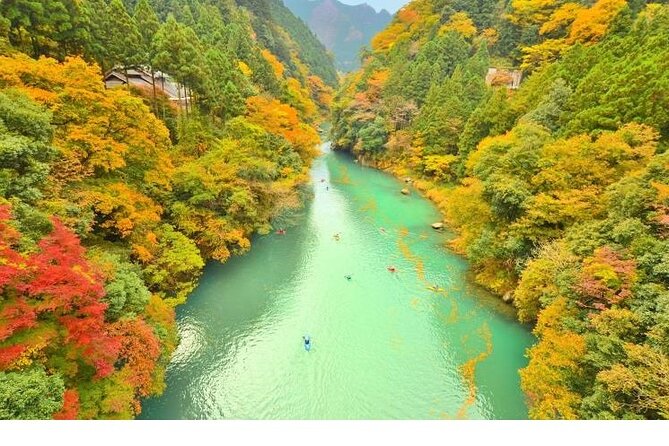
- Maximum 6 people keeps the day feeling calm instead of rushed
- Nippara Limestone Caves include a guided walk through sections with lights
- Lake Okutama + Tsukiyomi viewpoint gives big mountain-and-water views for your picnic break
- Kamameshi lunch box uses local vegetables, and the lunch is fixed (tell them allergies/preferences)
- Steep village access to a traditional house involves a special climbing rail setup
- Hossawa Falls is a 60m waterfall split into four steps, with time at the end of the day
Okutama on the edge of Tokyo: why this day trip hits differently
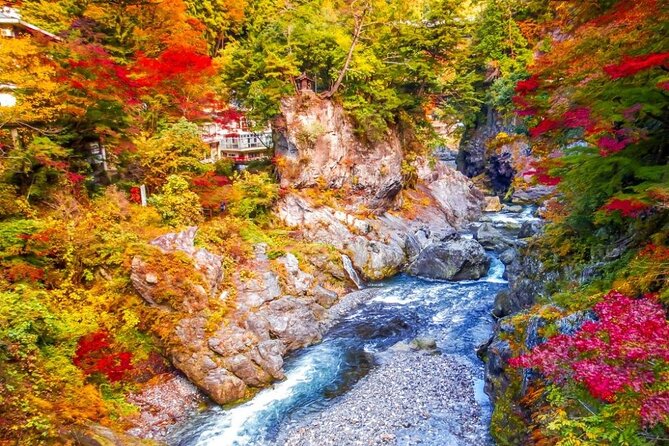
Okutama is one of those places that makes Tokyo feel like the main character—and then politely hands the spotlight to the mountains. You’re heading into Tokyo’s scenic mountain-and-river region, where the air changes fast the moment you’re out of the city center.
What I like most is the blend. You get underground limestone (Nippara), big water views (Lake Okutama), a traditional rural home, a river-and-rock walk, and then a waterfall finale at Hossawa Falls. It’s not just pretty scenery—it’s a full day of contrasts.
Also, this is designed for people who want a relaxed pace compared to large group tours. With up to 6 people and frequent stops for walking and views, you can actually look around instead of just moving through.
You can also read our reviews of more tours and experiences in Tokyo



Small-group driving day: expect a full 10 to 14 hours
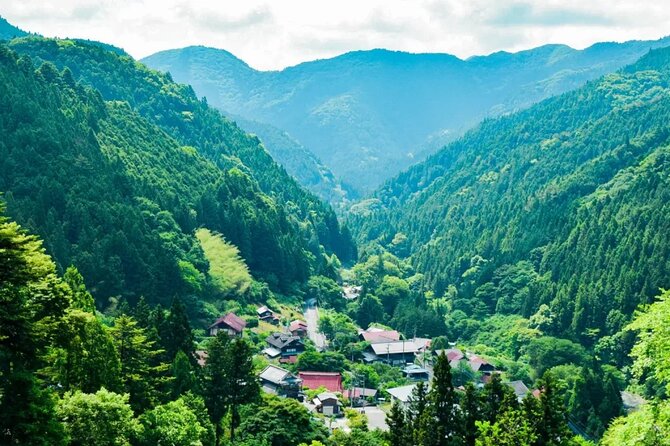
Plan for a long day on purpose. The tour runs about 10 to 14 hours, and most of the travel happens by air-conditioned car over mountain roads.
Two practical notes you should take seriously:
- Car sickness is real here. The route uses mountain roads, so if you’re prone to motion sickness, consider sitting in a spot that feels safest for you.
- You’ll be on the move often. Even when you’re resting between stops, you’ll still be getting in and out, plus climbing stairs at certain locations.
Good news: the small group size helps the driver-guide manage timing. One review called out how the guide (Ayumu) adjusts when things like landslides affect the plan—so you’re less likely to feel stranded with nothing to do.
Ayumu’s role: why the day feels personal (and flexible)
This tour is guided and driven by Ayumu (also shown in reviews as Ayumu Shinohara). That matters more than it sounds. When one person is both navigating the roads and guiding the stops, you tend to get tighter pacing and fewer awkward handoffs.
From the feedback, Ayumu comes across as attentive and willing to adapt if a site can’t be visited due to events like landslides. One review specifically mentioned that when an old historic house stop couldn’t happen, Ayumu offered an alternative plan.
If you’re the type who likes context—why a cave matters, what you’re looking at from a viewpoint, how people lived in harsher mountain conditions—this guide style should fit you well.
Nippara Limestone Caves: morning exercise with a real underground twist
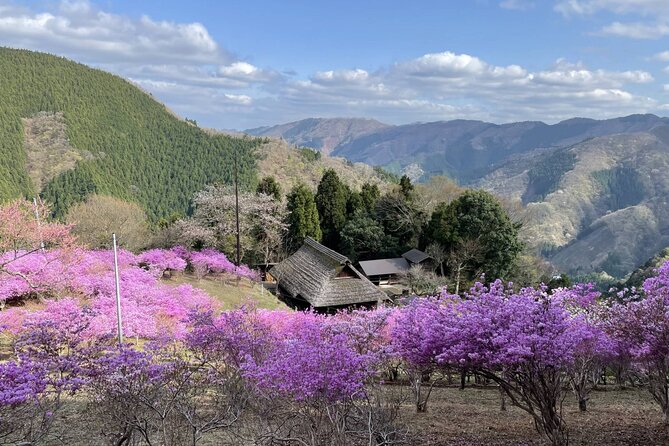
Nippara Cave is your first big on-foot stop. It’s about morning movement, with admission included, and it’s also one of the reasons this trip feels different from a typical countryside drive.
Here’s what to expect:
- A walk through limestone cave sections that represent the Kanto area’s cave style
- Lights in some areas, which makes certain turns feel like a mini light-show rather than a dark tunnel
- A cave environment where you’ll likely want a layer—one review noted it was chilly inside, even in warmer months
What to watch:
- Wear shoes with grip. Reviews mention wet spots, and caves are not the place for slippery soles.
- There are stairs. You’ll be fine if you’re comfortable with uneven surfaces and short climbs, but don’t underestimate this part.
This is also a great “tempo setter” for the day: start underground, then swap back to open mountain air afterward.
Lake Okutama and Tsukiyomi viewpoint: the picnic with actual mountain payoff
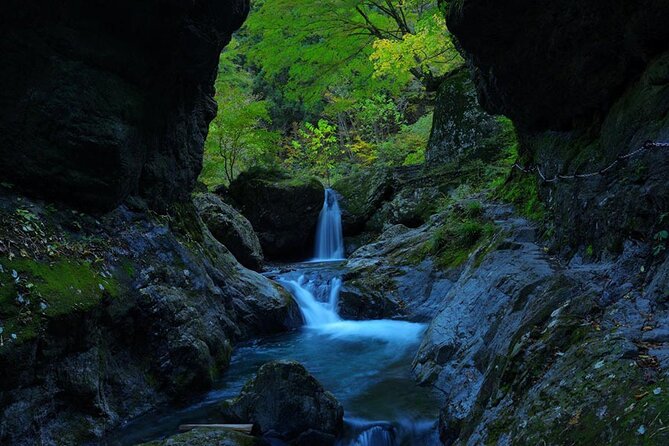
After the caves, the tour shifts to water and views. You’ll go around Lake Okutama, which is described as one of Japan’s representative lakes. The big win here is that lake scenery changes with the seasons—so even if you’ve seen lakes before, this one has a different mountain framing.
Then comes Tsukiyomi 1st Parking, a viewpoint where you can see the lake with mountains around it. The tour builds in an outdoor pause here with a simple picnic setup.
This is where the lunch moment really lands for many people:
- Your midday meal is a kamameshi lunch box with local vegetables
- Lunch is fixed, so you should tell the organizer about allergies or dietary needs ahead of time
- One review mentioned getting to keep the bowls, which is a nice little souvenir that isn’t just a plastic thing from a convenience store
If you care about views, aim to slow down here. Sit, look out, and let the setting do the work.




Hinohara Village and Kyu Kobayashike Jutaku: steep access to a traditional home
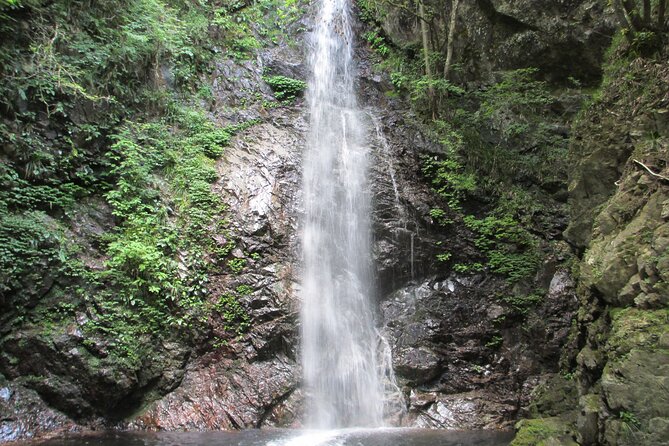
After lunch, the schedule uses car time as recovery—so you can save energy for the next stop. You then enter Hinohara Village, described as a lesser-known Tokyo village, even among people who know Tokyo well.
Next is Kyu Kobayashike Jutaku, a traditional Japanese house you visit to understand how people lived in a harsh mountain environment. The house access is a key detail: the tour uses a mountain climbing monorail style setup to reach the home.
Based on reviews, this climb can be quite steep (one person mentioned a 43-degree slope through cedar forest). That doesn’t mean it’s unsafe, just that it’s not “flatland tourism.”
Practical angle:
- If you’re not comfortable with stairs and short steep steps, consider telling the organizer ahead of time. They can sometimes adjust your seating and expectations.
- Expect more looking than heavy work once you arrive. The focus is atmosphere and history-in-place.
Kanoto Rock: a river walk between two big stone features
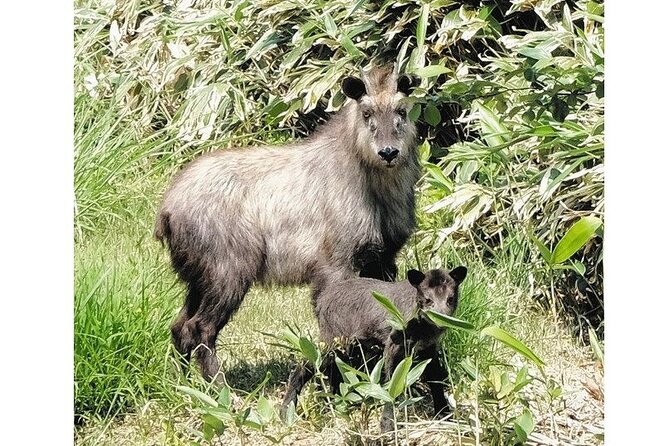
Next up is Kanoto Rock, described as two large rocks with historical surface. You’ll walk across the valley and then along the side of a river that flows vigorously between the rocks.
This is the part of the day where your legs do a bit more “work”:
- River-adjacent terrain can be uneven
- There can be places with metal chains referenced in reviews, so you’ll want to use them if offered and if you need extra balance
- The roads and paths can feel narrow in places, so good shoes matter even more than usual
What I like here is that you don’t just look at the rock formation from a distance—you experience it as a walk-through landscape. It’s also a good spot for photos, because the river’s motion gives you something dynamic even if clouds roll in.
Hossawa Falls finale: 60m in four steps, then the relax part
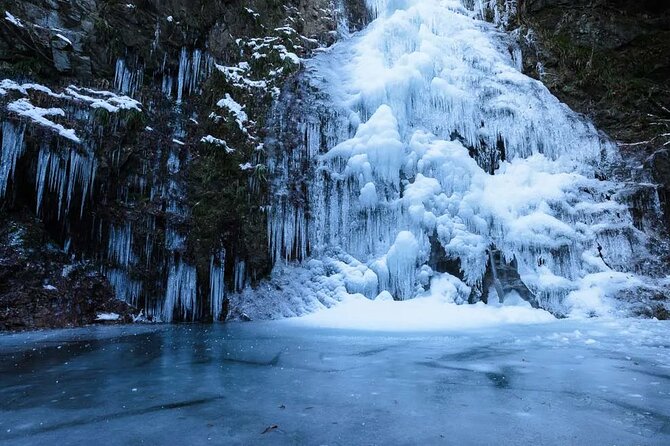
You end with Hossawa Falls, a representative Japanese waterfall. It’s about 60 meters long and divided into four steps, so you get multiple cascades rather than one single drop.
You’ll have around an hour here, which is enough time to:
- get your bearings
- watch water across different tiers
- take photos without feeling like you’re on a strict countdown
Depending on the day and flow, you may also have time for a public bath. The tour info notes the organizer plans to use a public bath during the private tour. Reviews also mention the option of an onsen versus a foot bath, including foot bath use for people avoiding tattoos.
If you’re planning around comfort:
- Bring a plan for warm-down. A hot soak (or even a foot bath) makes the long drive back much easier on your feet.
Price and what you actually get for $165.13
At about $165.13 per person, this isn’t the cheapest way to “see nature near Tokyo.” But it’s priced like something that pays for a long-distance day out of the city.
Here’s what’s included:
- Air-conditioned vehicle
- Lunch (kamameshi lunch box with local vegetables)
- Entrance fees included (at least for the cave stop)
- Car charge and expressway fee
What’s not included (so budget a little extra):
- Breakfast, dinner, snacks
- Coffee/tea (there is a scheduled coffee break, but you pay separately)
- Souvenirs
My value read: you’re paying for the hard part—transport plus guided access to multiple sites spread across mountain roads. If you tried to piece this together alone with transit and private taxis, the “cost” would likely shift from the ticket price to your time and transport expenses.
Practical packing: shoes, layers, and payment cash
If you do one thing well, do this: pack shoes with grip. This tour includes caves, river areas, and mountain paths with occasional bad footing. Reviews strongly reinforce that good shoes matter.
Next:
- Bring a light layer. Caves can feel chilly, even when it’s warm outside.
- Consider motion-sickness support if you get carsick on winding mountain roads.
- Bring some cash for extras. Souvenirs and snacks/drinks aren’t included, and coffee/tea during the break is pay-as-you-go.
Also remember lunch is fixed. If you have allergies or specific dietary rules, tell the organizer in advance so they can plan the right setup.
Is this worth it for you? Best fit vs. skip
This tour fits you if:
- you want a nature day without the stress of driving or figuring out rural connections
- you enjoy a mix of scenery + small walks + cultural stops
- you like the idea of a small group and a guide who can adjust when conditions change
You may want to skip (or ask hard questions first) if:
- you’re not comfortable with stairs, frequent getting in/out of the car, and uneven surfaces
- you’re highly prone to car sickness
- you need very flexible meal options beyond what’s offered in the fixed lunch setup
Should you book the Tokyo Okutama Day Trip Tour?
I’d book it if you’re craving something real beyond Tokyo’s usual sightseeing circuit. The combination of Nippara Limestone Caves, Lake Okutama viewpoints, a traditional house accessed by a climbing rail setup, and Hossawa Falls is exactly the kind of day that feels like a different world.
But be honest about the logistics: this is a long day with real walking and cave/river terrain. If your body handles that, you’ll likely feel like the trip was worth every hour of driving.
FAQ
What’s the total duration of the Tokyo Okutama day trip?
The tour runs about 10 to 14 hours.
Does the tour offer hotel pickup?
Pickup is offered on request, and there is also a designated meeting point you can use if you prefer not to add pickup.
Is lunch included, and what style is it?
Yes. Lunch is included, and it’s a fixed kamameshi lunch box made with local vegetables. If you have allergies or dietary preferences, you should notify the organizer in advance.
Are entrance tickets included?
Yes. Entrance fees for facilities are included in the price. Nippara Limestone Caves specifically includes an admission ticket, while other stops listed include free admission.
Will there be walking and uneven footing?
Yes. The tour includes stairs, getting in and out of the vehicle frequently, and some spots with bad footing. Good shoes are important, and the tour is recommended for people with moderate physical fitness.
Is coffee or tea included?
A coffee break is scheduled, but coffee and tea are not included. You pay for drinks separately.