REVIEW · TOKYO
Tokyo: Rice Ball Making Class
Book on GetYourGuide →Operated by Tokyo Rental Bicycle · Bookable on GetYourGuide
Rice, nori, and a bike ride in Tokyo. I love the hands-on onigiri making lesson and I love eating what you shape at Hamarikyu Gardens. You’ll learn real technique, then get a calm, beautiful setting to enjoy the results.
The one thing to consider is the cycling. This isn’t a gentle stroll, and it’s not suitable if you can’t ride a bike or if you have mobility, back, or fitness limits.
In This Review
- Key highlights you’ll actually care about
- Rice Ball Skills in One Lesson: What You Learn and Why It Matters
- Your Onigiri Ingredients and Fillings: Choosing Like a Local
- Hamarikyu Gardens Picnic: The Perfect Place to Eat What You Made
- Cycling Through Tokyo: How the Bike Adds Real Value
- Small Group, Big Attention: What Limited to 6 Changes
- Price and Time: Is $51 Good Value for This Tokyo Day?
- Who This Onigiri + Bike Combo Fits Best (and Who It Doesn’t)
- Practical Tips Before You Go: Wear, Pack, and Eat Smart
- Should You Book This Tokyo Onigiri Making + Bike Tour?
- FAQ
- FAQ
- How long is the Tokyo Rice Ball Making Class experience?
- How much does it cost per person?
- What is included in the tour price?
- What’s not included?
- Is the tour guide available in English?
- What group size should I expect?
- Where do I meet the guide?
- What should I bring?
- Is this activity suitable for children?
- Is there free cancellation?
Key highlights you’ll actually care about
- Real onigiri technique: season and shape freshly steamed rice, then try classic fillings
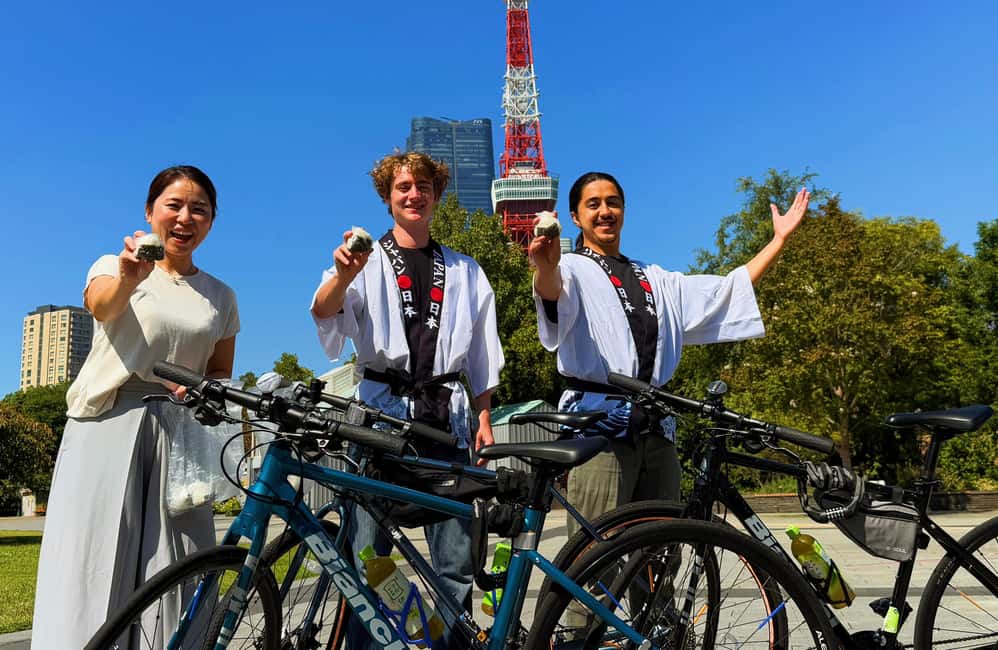
- Warm picnic moment: eat your handmade onigiri on the grass at Hamarikyu Gardens
- A bike tour, not a bus ride: pedal through backstreets and riverside paths with an English guide
- Tokyo Bay views: waterfront lanes for panoramic sights, plus Tokyo Tower and Imperial Palace views
- Small group energy: limited to 6 participants, so you’re not lost in the crowd
Rice Ball Skills in One Lesson: What You Learn and Why It Matters
Tokyo has plenty of food you can buy in seconds. Onigiri is different. This experience teaches you the “how,” not just the “taste.”
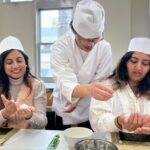
You start with a guided lesson led by a friendly local expert (English-speaking). You’ll work with freshly steamed rice, then learn how to season it and shape it so it actually holds together. The classic part is fillings: you’ll experiment with options like savory salmon, tangy pickled plum, or creamy tuna-mayo. It’s the difference between eating onigiri and understanding why people keep making it.
Here’s what I like about this kind of class: you’re not just following steps. You’re learning the basic logic. How much filling to use. How to form the rice so it stays neat. How to keep it comfortable to handle while it’s still warm. That’s the practical skill you can bring home and repeat when you want a snack that feels a bit more like Japan than just food you ate.
Two quick reality checks. First: it’s rice, so expect a little stickiness and messy fun. Second: it’s easiest if you wear clothes you don’t mind getting slightly rice-adjacent. After all, onigiri shaping is more hands-on than it sounds.
You can also read our reviews of more tours and experiences in Tokyo


Your Onigiri Ingredients and Fillings: Choosing Like a Local
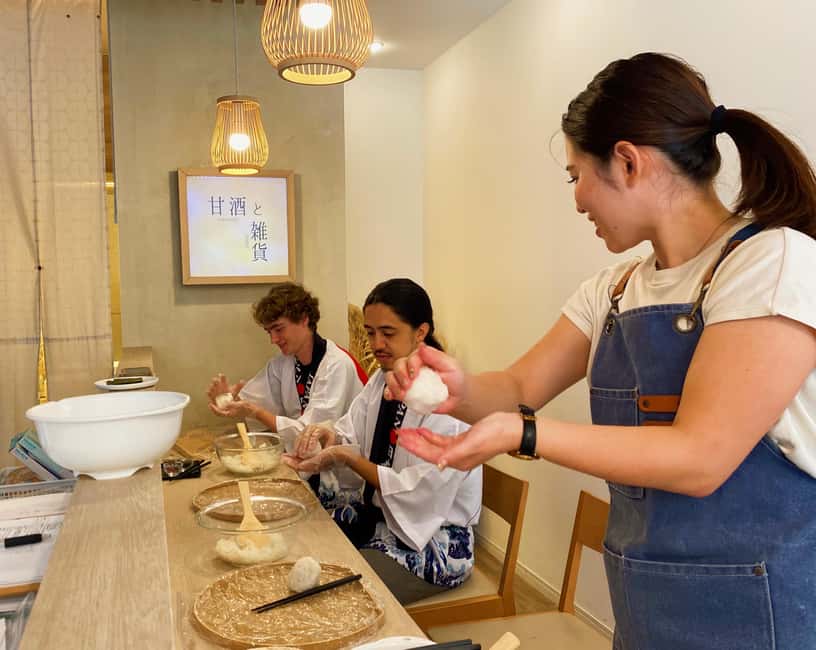
The ingredients are included, and the class is built around making your choices feel natural. You’ll be guided as you season and shape the rice, then pick fillings that match different flavor styles.
That matters because Japanese onigiri isn’t one flavor. It’s a platform. Pickled plum brings a sharp tang. Salmon leans savory and comforting. Tuna-mayo goes creamy and rich. When you make them yourself, you’ll notice how the filling amount changes the final bite.
If you’re the type who always orders the same thing, this is a smart way to break the habit without getting overwhelmed. You can keep your favorites for the next bite—while still sampling new combinations during the shaping process.
Also, since you’re making everything fresh, the texture experience is part of the value. Freshly steamed rice has a different feel than store-bought rice cakes or pre-packed snacks. It’s subtle, but it’s there.
Hamarikyu Gardens Picnic: The Perfect Place to Eat What You Made
After you finish shaping your onigiri, you’ll head to Hamarikyu Gardens. This is where the experience slows down, and it’s a big reason the class sticks in your memory.
Hamarikyu sits where the city meets the bay, and the setting is built around saltwater ponds, walking paths, and seasonal flowers. There are traditional teahouses nearby, and when you look past them you can see Tokyo’s modern skyline. That contrast is part of the charm: old-world calm next to the city’s constant motion.
Then comes the best timing. You’ll spread out, unwrap your still-warm onigiri, and eat a simple picnic right in the garden. No complicated service. No awkward cafeteria vibes. Just you, your food, and a peaceful place to actually taste what you made.
A small practical tip: bring water (it’s recommended). Rice and sea flavors can make you thirsty, especially if you’re cycling right after. Also, plan for outdoor sitting. Even a short picnic can feel cooler or breezier depending on the season.
The drawback here is also simple: this garden stop is the relaxing part of the day, but it’s not a “long stay.” You’re there to eat and enjoy a pocket of calm before you pedal again.
Cycling Through Tokyo: How the Bike Adds Real Value

This isn’t just a food workshop with a scenic photo at the end. The bike ride is the other half of the day, and it’s where you see the city in a more human way.
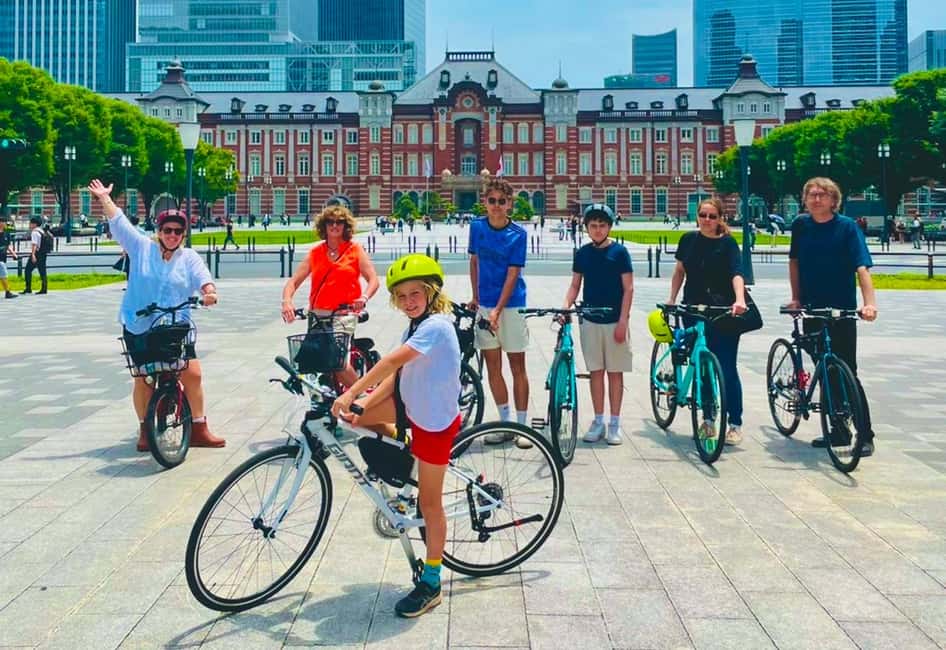
After refuelling, your guide leads you through a route that mixes backstreets with scenic riverside paths. You pass local neighbourhoods where everyday life quietly carries on, then you move toward broader waterfront lanes with panoramic Tokyo Bay views. You’ll also catch sights like Tokyo Tower in the distance, the Imperial Palace, and Zozoji Temple.
That blend is the key. Walking is slower and stops too often. A bus is fast but feels detached. Cycling lands in the sweet spot: you move through the city without losing the sense that you’re part of it.
One review highlights a guide named Sho, calling out how fun and informative he was. That’s exactly the kind of guide you want here, because a bike tour lives or dies by pacing and explanation. If the route makes sense and the stops are timed well, you feel like you’re learning Tokyo, not just riding through it.
Still, be honest with yourself about effort. You’re advised to wear comfortable clothes for cycling, and that’s not just a polite suggestion. It’s active travel. If you don’t ride bikes at home, start by making sure you’re comfortable on steady paths and city streets.
Small Group, Big Attention: What Limited to 6 Changes
This class-and-bike combo is limited to 6 participants, and you can feel the difference.
With a small group, you’re less likely to get stuck waiting for instructions. You can ask questions while you’re shaping rice. You can clarify filling choices. And your guide can actually check that everyone is following the bike plan safely.
It also changes the vibe. Instead of feeling like a number in a line, you get more of that neighbor-to-neighbor tour feeling. That makes it easier to enjoy the food part too, because you’re not rushed and you’re not juggling a crowd’s energy.
For an activity that mixes hands-on cooking with active cycling, small-group structure is a real quality factor. It keeps both halves smooth.






Price and Time: Is $51 Good Value for This Tokyo Day?
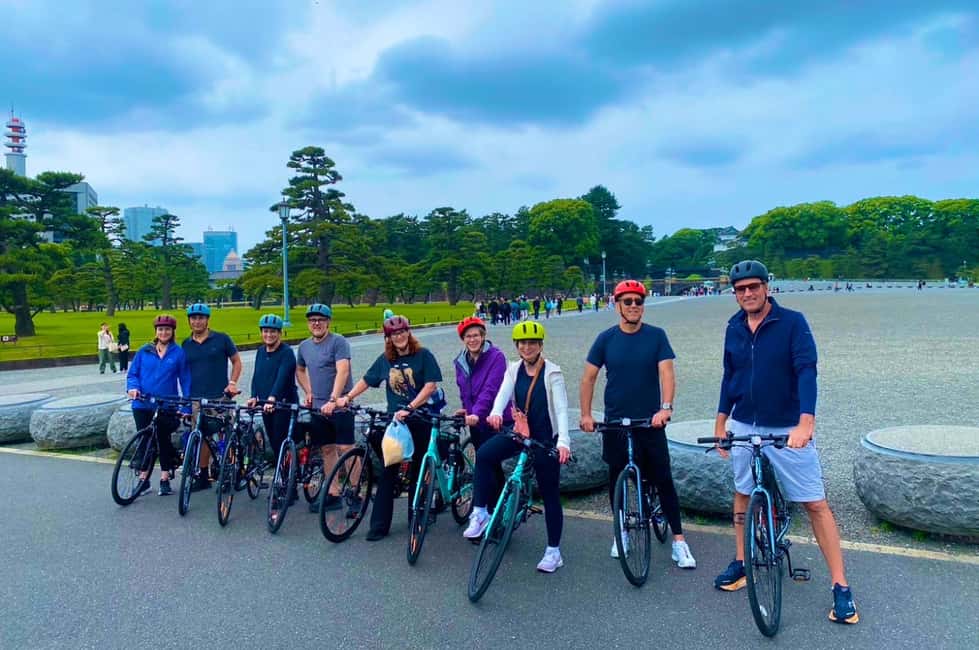
$51 per person is the number on the ticket. The real question is what you get for it.
You’re paying for:
- an onigiri making class with an expert
- onigiri ingredients
- a local bike tour guide
- the bike
- entrance to Hamarikyu Gardens
You’re not paying for extra snack and drinks at the shop. That means most of the core costs are already handled, which is what you want if you’re budgeting in Tokyo and don’t want surprise add-ons.
Value-wise, the class part alone can be worth it because it gives you skill plus ingredients, not just a single taste. The garden entrance and guided bike ride add “day-plan” value. You’re not just eating; you’re doing.
Time-wise, the activity runs 1–3 hours depending on the starting time and pacing. It’s short enough to fit into a busy trip, but long enough to feel like a real experience instead of a quick stop.
If you’re the kind of traveler who wants one or two authentic “learn something” moments rather than many disconnected photos, this price feels reasonable.
Who This Onigiri + Bike Combo Fits Best (and Who It Doesn’t)
This works best if you:
- enjoy hands-on food experiences
- like local neighbourhoods more than only big-ticket sights
- can comfortably ride a bike for a city route
- want an English guide who explains what you’re seeing
It’s not suitable if:
- you’re under 12 years old
- you can’t ride a bike
- you have back problems, mobility impairments, wheelchair needs, or low fitness
- you have high blood pressure
- you’re visually impaired
- you’re over 70
That list is blunt, but it’s helpful. Bike tours depend on balance and stamina, and a rice class depends on comfort using your hands. This activity is built for people who are able and steady.
Practical Tips Before You Go: Wear, Pack, and Eat Smart
You’ll get the most out of the day with a few simple choices.
- Bring water. It’s specifically recommended, and you’ll want it after cycling.
- Wear comfortable clothes for cycling. Think flexible layers and clothes that won’t restrict your movement.
- Expect rice hands. Even if you stay neat, you’ll be touching warm rice during shaping.
- Plan for outdoor eating. The picnic in the garden is part of the point, so bring any small comfort items you like (like a layer if you’re sensitive to breeze).
One more smart move: decide your filling style before you start shaping. If you know you like tangy flavors, go pickled plum. If you want creamy, choose tuna-mayo. If savory is your thing, salmon is an easy crowd-pleaser. You’ll enjoy the process more when you’re steering your own flavor story.
Should You Book This Tokyo Onigiri Making + Bike Tour?
Book it if you want a Tokyo experience that’s both edible and active. The onigiri class gives you a real skill, and the bike ride turns it into a day with Tokyo Bay views, local streets, and clear landmarks like Tokyo Tower, the Imperial Palace, and Zozoji Temple. The garden picnic is the calm reward that makes the whole plan feel complete.
Skip it if you’re biking-uncertain or you don’t want any physical effort. Also skip it if any of the listed health or mobility constraints apply to you. This day has two moving parts—rice shaping and cycling—and both are central.
If you’re asking whether it’s worth your limited time in Tokyo, I’d say yes. It’s one of those few activities that combines a hands-on cultural moment with a view-filled city ride, in a small group that keeps the experience personal.
FAQ
FAQ
How long is the Tokyo Rice Ball Making Class experience?
The duration is listed as 1 to 3 hours, depending on the starting time available.
How much does it cost per person?
The price is $51 per person.
What is included in the tour price?
It includes the onigiri making class with an expert, onigiri ingredients, a local bike tour guide, the bike, and entrance to Hamarikyu Gardens.
What’s not included?
Extra snack and drinks at the shop are not included.
Is the tour guide available in English?
Yes, there is a live tour guide in English.
What group size should I expect?
It’s a small group limited to 6 participants.
Where do I meet the guide?
Meet your guide at the onigiri making class.
What should I bring?
Bring water. You’re also recommended to wear comfortable clothes for cycling.
Is this activity suitable for children?
It is not suitable for children under 12 years old.
Is there free cancellation?
Yes. You can cancel up to 24 hours in advance for a full refund.