REVIEW · TOKYO
Tokyo Shinjuku Night Tour with Pachinko Gaming Experience
Book on Viator →Operated by HORIZON (JORAEMON) · Bookable on Viator
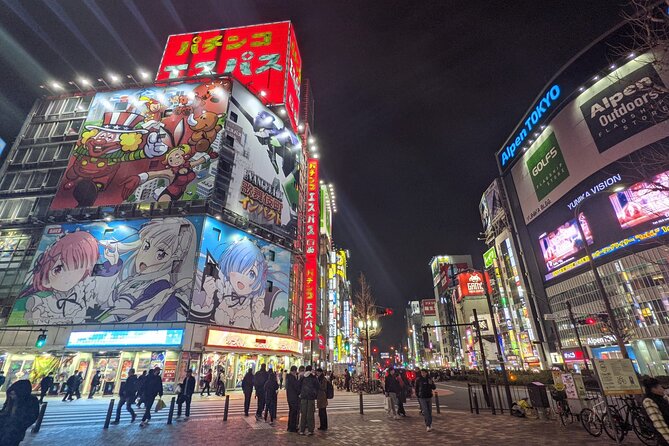
Shinjuku at night has layers. This private 90-minute walk threads through Shinjuku backstreets and teaches pachinko step by step, so you are not just watching the neon—you understand the game and the local street rhythm. I also like how the tour keeps you moving between very different atmospheres, from Kabukicho’s side lanes to Omoide Yokocho’s tiny alley bars.
One heads-up: treat it as adult gaming. If you are bringing minors, the arcade and gaming areas may restrict entry to people over 18.
In This Review
- Key things to know before you go
- A 90-minute Shinjuku night tour that teaches you the rules
- Finding your group: the JR Shinjuku East Exit start point
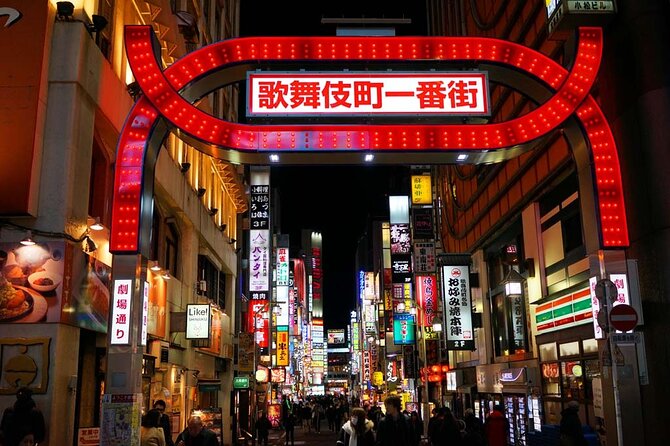
- Kabukicho’s back alleys: the dark-side that runs the place
- Pachinko 101 in Shinjuku: balls, aiming, and turning wins into prizes
- Toho Cinemas Shinjuku: arcade play with another shot at luck
- Omoide Yokocho Memory Lane: tiny izakaya alleys in post-war style
- Price and value: what the $26.13 covers, and what costs extra
- Your guide matters: English support and real street help
- Who should book, and who should skip
- Little things to know before you play pachinko
- Should you book this Shinjuku night tour?
- FAQ
- How long is the Tokyo Shinjuku Night Tour?
- How much does the tour cost?
- Is this a private tour?
- What is included in the price?
- What is not included?
- Where do I meet the tour?
- Where does the tour end?
- Is a mobile ticket provided?
- What stops are part of the itinerary?
- Can I get a free cancellation refund?
- FAQ
- Is the tour okay for first-time visitors to Japan?
- Is the experience family-friendly?
- Do I need to pay entrance fees at each stop?
- How far in advance should I book?
Key things to know before you go
- Private pacing in Shinjuku’s side streets: your guide controls the flow so you do not get swallowed by crowds.
- Pachinko that starts at the beginning: you learn ball purchase and machine operation, not just where to stand.
- Two gaming stops: pachinko first, then another chance to play at the Japan gaming arcade.
- Free-admission sightseeing stops: Kabukicho and Omoide Yokocho are included without extra entrance fees.
- A guide who helps you function on the street: English support plus real-world help like ordering food in some situations.
A 90-minute Shinjuku night tour that teaches you the rules
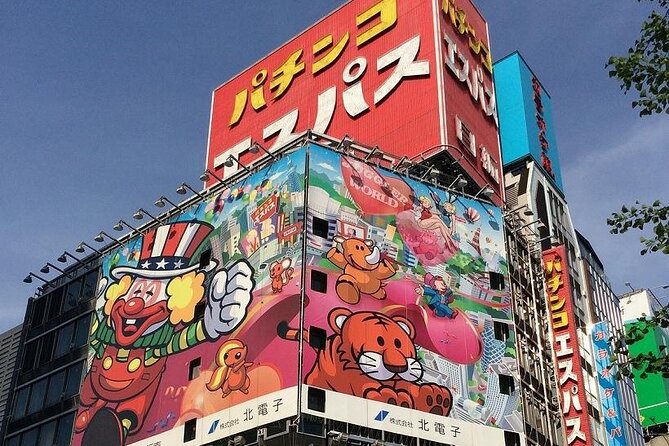
Shinjuku at night can feel like a theme park. The difference here is that you get taught how the street games and entertainment spaces actually work. Instead of wandering with zero context, you walk with a guide and get practical help right when you need it.
The big win for me is the pairing of street photography energy and real hands-on gaming basics. You get to look at Kabukicho’s atmosphere while also learning pachinko mechanics, which turns the night into something you can participate in, not only observe.
This is also a good length. About 1 hour 30 minutes is long enough to hit several distinct areas and short enough that you can still keep your evening plans flexible.
You can also read our reviews of more evening experiences in Tokyo


Finding your group: the JR Shinjuku East Exit start point
You meet at the JR Shinjuku East Exit Station Square (3-chōme-38-1 Shinjuku, Shinjuku City, Tokyo). The good news is that it is near public transportation, which matters in Tokyo when you are tired and hungry and the streets all start looking the same.
The tour is private, meaning only your group goes along. That usually makes it easier to ask questions, slow down for photos, and get help with practical stuff like where to go next.
The experience ends back at the meeting point. So you can treat it like a self-contained evening block without worrying about how you will get across Shinjuku afterward.
Kabukicho’s back alleys: the dark-side that runs the place
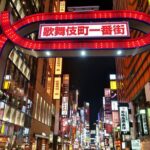
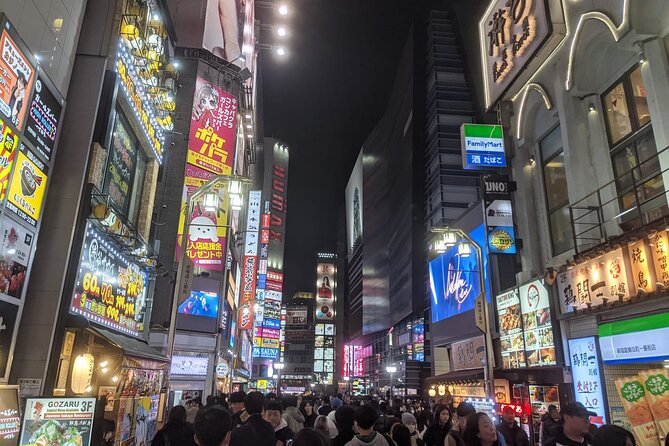
The first stop is Kabukicho, specifically the back streets and small alleys rather than the main neon strip. This is where you see how an entertainment district really functions: the lighting changes, the lanes get narrower, and the vibe shifts from advertisement to daily life.
In practical terms, this stop is about orientation. Your guide helps you notice patterns you would miss on your own—where the quieter lanes sit, how storefronts relate to foot traffic, and why certain corners feel different within just a few steps.
One drawback to consider: Kabukicho is adult-focused and can feel intense at night. You should be comfortable with an energetic nightlife atmosphere, including the darker, more shadowy side that exists behind the signs.
Pachinko 101 in Shinjuku: balls, aiming, and turning wins into prizes
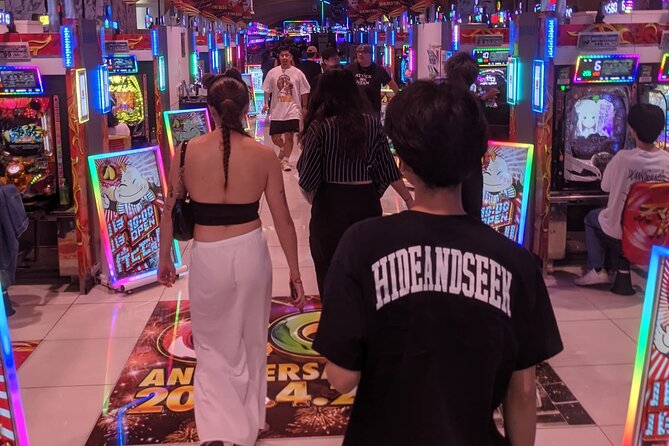
Next comes the main event: pachinko gaming in Shinjuku. The guide teaches you how to play, with attention on the basics you need before you lose track—how to buy pachinko balls, how to operate the machine, and how the flow of the game works.
This is not just sit-and-watch gaming. It is a guided try-your-luck session where you get help navigating the real process: putting balls into play, aiming for results, and then handling what happens after. If you win, your guide also helps explain exchanging winnings for prizes or tokens.
I like this approach because pachinko can be intimidating when you do not know the system. Even if you only play for a short time, learning the rules makes it feel fun instead of confusing.
Cost note: pachinko gaming fees are not included, and the amount depends on how much you use. So you can keep it casual—or go a bit further if you really want to test luck. Either way, you are not paying for the guide’s time separately on top of the gaming.
Toho Cinemas Shinjuku: arcade play with another shot at luck
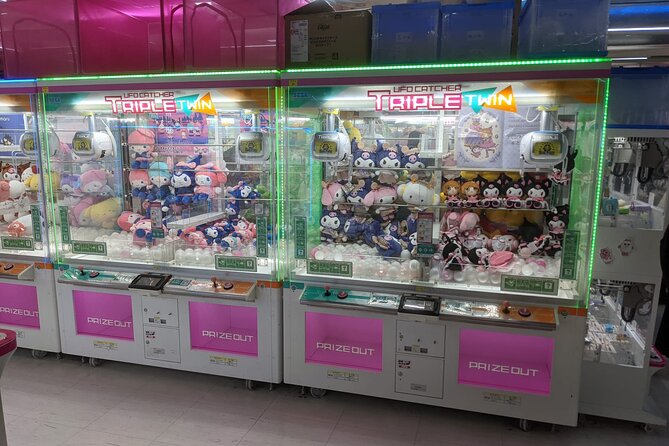
After pachinko, you move to Toho Cinemas Shinjuku for another try. The idea is simple: a second gaming center moment where you can play some arcade games and see how your luck holds up.
This stop lasts about 15 minutes, so it is meant to be short and fun, not a long gaming session. Since gaming fees are not included, you get to decide how much you want to spend here.
This is also a good reset after pachinko, because it changes the pace. If pachinko felt like learning a system, the arcade games tend to feel more immediately accessible, even if you still want guidance on how to operate specific machines.






Omoide Yokocho Memory Lane: tiny izakaya alleys in post-war style
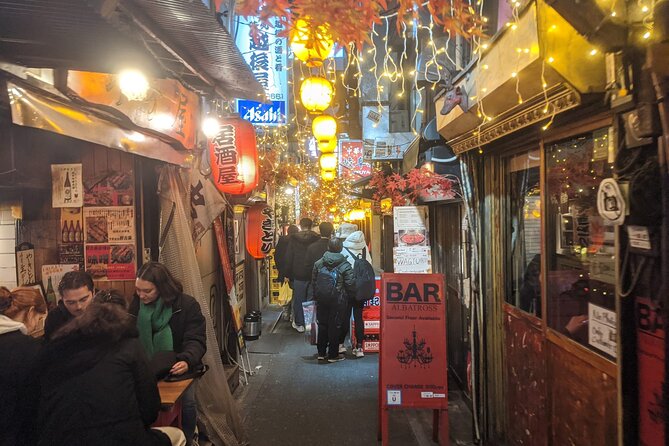
The finale is Omoide Yokocho, often nicknamed Memory Lane. This is the side of Shinjuku that feels like a time capsule, with narrow streets and tiny spots packed close together.
It is known for small izakaya pubs and yakitori stands, where the spaces are tight and the energy is personal. You do not get wide-open “views” here; you get close-range Tokyo night texture—smells of grilled food, little lantern-lit lanes, and the sense that you are walking through a living neighborhood rather than a set.
This last stop is a strong ending because it balances the adult intensity of Kabukicho and the focused gaming time with something more social and snackable. Even if you do not eat during the tour, the setting makes it easy to keep wandering afterward.
Price and value: what the $26.13 covers, and what costs extra
At $26.13 per person, this is priced like a guided night experience, not like a gaming ticket bundle. The core tour value comes from the guide plus English translation and interpretation, and from how you get led between the four areas without wasting time guessing your way through Shinjuku.
Two of the stops are free-admission sightseeing moments (Kabukicho back streets and Omoide Yokocho). The gaming parts are where extra spending can happen, because pachinko gaming fees and other gaming fees are not included and depend on what you choose to play.
That matters for your budget planning. If you want a low-spend night, you can treat pachinko and the arcade as small sampling sessions. If you want to play more, you can, but you should assume the total cost will rise based on your use.
Also, booking timing helps. It is typically booked about 46 days in advance, which suggests demand. If you want a specific time window during peak seasons, earlier booking is smart.
Your guide matters: English support and real street help
The biggest theme from the guide experience is confidence. The guide does not just point; they help you do things correctly, including the gaming steps that could easily feel like a language barrier situation.
One guide name that comes up is Zen. People describe Zen as friendly, great at walking through side streets, and helpful in the moment—also taking photos so you can remember the night without playing tour photographer the whole time. That is a small detail, but in Shinjuku it is a big deal because light and crowds can make it hard to get good shots solo.
There is also an important practical note from a guide performance: Zen helped handle food allergies while people navigated the area. While you should always be careful and double-check your needs, it is reassuring to know the guide can support you with real-world ordering and communication.
Who should book, and who should skip
This tour is a strong fit if you:
- want a guided way to see Shinjuku at night without getting lost in side streets
- like the idea of hands-on cultural fun, especially learning pachinko basics
- want a private small-group feel with English interpretation
It may be a weaker fit if you are:
- bringing minors, since gaming areas may restrict entry to those over 18 (one experience included being told an arcade portion was only for adults)
- sensitive to adult nightlife vibes, since Kabukicho’s back alleys can feel darker and more intense than the main corridors
If you are going with a mixed-age group, consider splitting plans: keep the street-walk portion for everyone, but confirm any gaming-area entry limits before you commit.
Little things to know before you play pachinko
You do not need prior pachinko experience. The whole point is that you learn the flow on the spot.
What you should do, though, is come with a mindset of trying. Pachinko is part skill, part luck, and part machine behavior. When you understand the steps—buying balls, loading, and what to do after—the game stops feeling like pure mystery.
Also, set a simple spending plan before you start. Because pachinko fees depend on usage, it helps to decide whether you are aiming for a quick taste or a longer run. Your guide can help you with the mechanics, but your spending choices stay yours.
Should you book this Shinjuku night tour?
Book it if you want Shinjuku after dark with structure. You get four distinct areas, pachinko teaching, and English help that makes the night easier—plus you do not have to figure out the street game process alone.
Skip it if you are mainly shopping for views and quiet sightseeing. This tour leans into nightlife and gaming, so it is best when you want to participate and you are comfortable with adult entertainment settings.
If you are on the fence, think about your goal. Want a night where you learn how the local nightlife machine works—both the street side and the pachinko side? This is a smart, cost-conscious way to do it in about 90 minutes.
FAQ
How long is the Tokyo Shinjuku Night Tour?
It lasts about 1 hour 30 minutes.
How much does the tour cost?
The price is $26.13 per person.
Is this a private tour?
Yes. It is a private tour/activity, and only your group participates.
What is included in the price?
The tour includes a guide with English translation and interpretation.
What is not included?
Pachinko gaming fees and other gaming fees are not included, and they depend on how much you choose to use.
Where do I meet the tour?
You meet at JR Shinjuku East Exit Station Square, 3-chōme-38-1 Shinjuku, Shinjuku City, Tokyo 160-0022, Japan.
Where does the tour end?
The tour ends back at the meeting point.
Is a mobile ticket provided?
Yes, the tour uses a mobile ticket.
What stops are part of the itinerary?
The tour includes Kabukicho, pachinko gaming in Shinjuku, Toho Cinemas Shinjuku arcade play, and Omoide Yokocho (Memory Lane).
Can I get a free cancellation refund?
Yes. You can cancel up to 24 hours in advance for a full refund.
FAQ
Is the tour okay for first-time visitors to Japan?
Based on the feedback provided, many people recommend it for first-time visitors because it helps you understand what you are seeing and doing on the street.
Is the experience family-friendly?
One review notes that the gaming and arcade portion may be restricted to people over 18, so you should plan carefully if minors are in your group.
Do I need to pay entrance fees at each stop?
Admission is listed as free for the stops in the itinerary, but gaming fees are separate and not included.
How far in advance should I book?
On average, it is booked 46 days in advance, so earlier booking can help if you want a specific time.