REVIEW · TOKYO
Yokohama and Kamakura Private Full Day Tour with English Guide
Book on Viator →Operated by Discover Tokyo · Bookable on Viator
Two cities, one stress-free day. A private Yokohama–Kamakura loop with an English-speaking driver-guide and door-to-door pickup lets you focus on the Great Buddha and temple lanes without wrestling transit. I like that the schedule can bend to your pace, not the other way around, and that the car is set up for comfort over a long day. The main thing to plan for: food and drinks aren’t included, so you’ll want to budget time (and stomach space) for meals and snacks.
What really makes this work is the balance between big-name sights and real downtime. You can shape the day around calmer temples, a classic shopping street, and city highlights, then take breaks when you feel like it. I also appreciate the small comfort extras like WiFi on board and bottled water, because an 8–10 hour outing adds up fast.
If you like structure but hate being rushed, this kind of private day is a sweet spot.
In This Review
- Key Highlights You’ll Care About
- Door-to-Door Comfort From Tokyo: Less Time Traveling, More Time Looking
- Kamakura’s Great Buddha: The Moment You Plan the Whole Trip For
- Hasedera Temple: A Temple Stop That Benefits From a Patient Pace
- Komachi-dori Street: Turning Sightseeing Into a Real Food-and-Shopping Break
- Yokohama’s Sankeien Garden: Slower Walking After Busy Sights
- How the Flexible Schedule Works (and Why It Matters)
- English-Speaking Explanations Without Feeling Like a Lecture
- Price and Value for a Private Group Up to 4
- What to Expect From the Full Day Timing
- Who This Tour Suits Best
- Should You Book This Private Yokohama and Kamakura Tour?
- FAQ
- How many people are included in the private tour?
- How long is the Yokohama and Kamakura day trip?
- Is pickup from Tokyo included?
- What sites will we visit?
- Are meals included in the price?
- What’s included in the vehicle?
- Is the guide English-speaking?
- Is cancellation possible if the weather is bad?
- Are service animals allowed?
Key Highlights You’ll Care About
- Door-to-door pickup and drop-off across Tokyo’s 23 districts so you lose less time to logistics
- An English-speaking driver-guide who explains what you’re seeing in a way that’s easy to follow
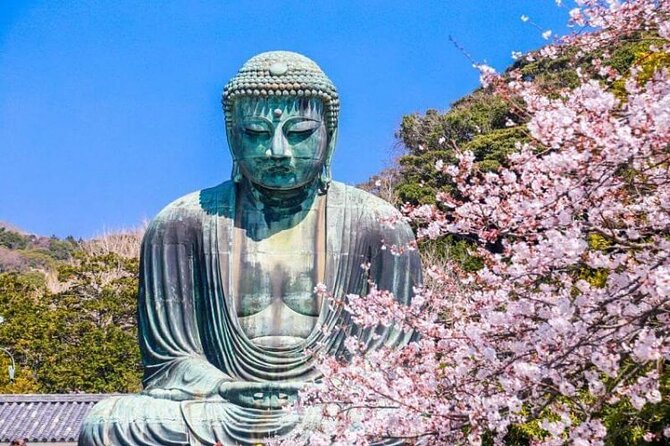
- Kamakura icons packed into one day including the Great Buddha, Hasedera Temple, and Komachi-dori Street
- Sankeien Garden in Yokohama for a slower, scenic counterpoint to the city
- Flexible timing and a no-rush vibe, with time to choose stops at your own pace
- Comfort-focused vehicle setup with air-conditioning, WiFi, bottled water, and parking/tolls handled
Door-to-Door Comfort From Tokyo: Less Time Traveling, More Time Looking
The best part of this tour setup is that you’re not building a route from scratch. You get meet-and-greet pickup, and the service includes transport with a premium air-conditioned vehicle plus parking and highway toll fees. That means fewer taxi-hunt moments and fewer decisions when you’d rather be taking in views.
The vehicle itself matters more than you might think. A full day from Tokyo to Kamakura and then onward to Yokohama can feel long, especially if you’re doing it by train and walking. Having WiFi on board and bottled water can turn the ride into a calm lead-in instead of a tiring transfer.
And because it’s private for your group (up to 4), you avoid the “wrong pace for everyone” problem. If your group wants to linger at a viewpoint or you want to step out to take photos without a crowd hovering behind you, this format gives you that breathing room.
You can also read our reviews of more guided tours in Tokyo
Kamakura’s Great Buddha: The Moment You Plan the Whole Trip For
Kamakura’s Great Buddha is the headline stop, and it’s exactly the kind of attraction that benefits from a private day. When you’re not coordinating train times and connections, you can treat the visit like part of a relaxed itinerary, not a ticking clock.
What to expect: you’ll spend time at a major historic landmark that’s famous for its scale and presence. Even if you don’t know much ahead of time, it’s the sort of place where the atmosphere does most of the work—people come to look, to stand back and take in the full form, and to take photos that actually feel worth it.
Practical tip: give yourself some margin around this stop. At big sites, you’ll naturally spend extra minutes arriving, orienting, and taking in angles. A private guide and driver helps here because the day is built to absorb real-world timing, instead of snapping you to a fixed checklist.
Hasedera Temple: A Temple Stop That Benefits From a Patient Pace
After the Great Buddha, the day keeps moving into Hasedera Temple. Temple areas tend to be part walking, part pausing—there’s a rhythm to it. With this tour, you’re not stuck doing everything at one speed, because the day is flexible and your driver-guide can respond to your group’s comfort level.
Where this stop shines is how it changes the mood of the day. You go from one instantly recognizable icon to a temple setting that feels more like a gradual experience: you slow down, you notice details, and you move through pathways where the views open up in stages.
One realistic consideration: temple visits usually involve uneven ground, stairs, and standing around for viewpoints or photo moments. Comfortable shoes are not optional here. If your group includes anyone with mobility limits, it’s worth planning extra time so nobody feels pressured.
Komachi-dori Street: Turning Sightseeing Into a Real Food-and-Shopping Break
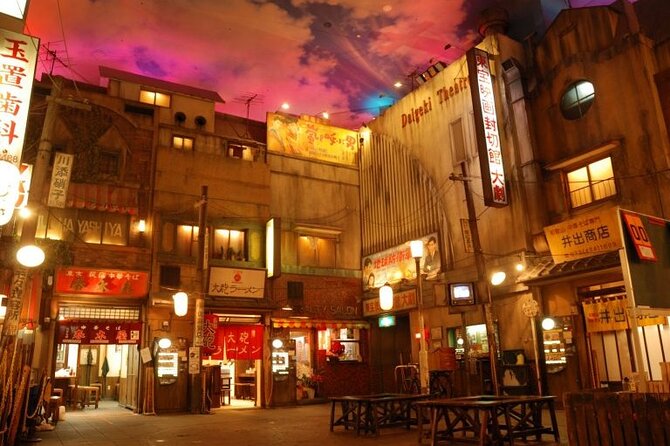
Then comes Komachi-dori Street, the kind of place where your day stops feeling like a museum run and starts feeling like a local stroll. This is where you can switch gears: you might shop for small gifts, browse snacks, and take a break from the more formal temple atmosphere.
The reviews point to classic Kamakura favorites, including sweets like matcha ice cream. Even if sweets aren’t your thing, you’ll still appreciate Komachi-dori because it’s the easiest “I want something practical” stop. It’s a place to grab a snack, warm up or cool down, and reset your energy before the next leg of the day.
Quick strategy: don’t treat this like one fast pass. If you’re the type who likes walking, give yourself a chunk of time and let the street set the pace. If your group prefers a short stop, keep it tight and save energy for Yokohama.
Yokohama’s Sankeien Garden: Slower Walking After Busy Sights
Next up is Yokohama’s Sankeien Garden, and this stop plays a smart role in the day. Yokohama can feel different from Kamakura—more urban and more modern—but Sankeien brings things back to calm and scenic strolling.
A garden stop is often the relief you didn’t realize you needed. After temple sights and a shopping street, you get an environment that encourages slow movement and quiet looking. It’s a nice counterbalance when your day is otherwise packed with landmark moments.
What I like about including a garden like this in a private full day: it helps you avoid the end-of-day fatigue that happens when every hour is another “must-see.” It gives you a built-in decompression period without losing cultural value.
You can also read our reviews of more private tours in Tokyo

How the Flexible Schedule Works (and Why It Matters)

The most praised part of this tour is the pacing. Your driver-guide is there to keep the day smooth, and the schedule can bend around your interests—whether that means taking more time in Kamakura, adjusting the length of shopping, or shifting how long you want at each major stop.
This flexibility shows up in the way the day is described: no hard rush, patient timing, and the ability to choose spots rather than being dragged from one location to the next. If you’ve ever done a day trip where you’re constantly trying to keep up, you’ll feel the difference immediately.
A small but smart way to use flexibility: before you start, tell your driver-guide what your group wants most. If your top priority is the Great Buddha photos, say so. If you care more about walking time and food breaks, say that too. When the guide understands your priorities, they can shape the route so you don’t end up with time spent on the wrong thing.
English-Speaking Explanations Without Feeling Like a Lecture
The “English guide” part is more than translation. The way this tour is run seems to focus on clear explanations about what you’re seeing and how Japanese daily life fits around these places.
One of the comments highlights that the driver-guide could talk about history related to the Great Buddha, and another notes sharing information about Japanese lifestyle. That combo helps, because it makes famous places feel connected to how people actually live—not just isolated monuments.
I also think the English-speaking aspect is what makes a private day feel worth it. If you’re able to ask simple questions and get direct answers, you’ll get more out of every stop without needing to do heavy research beforehand.
Price and Value for a Private Group Up to 4
At $400 per group (up to 4) for 8 to 10 hours, this tour is best evaluated as a “shared comfort” decision. If you fill the group, the per-person cost drops fast, and you’re essentially buying one premium vehicle, one English-speaking guide, and managed logistics for the day.
Even if you don’t fill all four seats, the value is still tied to what’s included:
- air-conditioned private transportation
- bottled water and WiFi on board
- parking, petrol, and highway toll coverage
- meet-and-greet pickup and a private format only for your group
Food and drinks are not included, so plan around that. But everything that normally turns into add-on costs—getting in the car, dealing with parking, and handling the drive—feels taken care of.
My rule of thumb: this is a good buy when you want a stress-free day and you’re willing to spend a bit more to save energy. If your group loves DIY planning and wants maximum control without paying for a driver, then you might compare it against transit costs. But if you’re done with transfers, delays, and “how do we get there,” this private setup is built for you.
What to Expect From the Full Day Timing
This is an all-day commitment: about 8 to 10 hours. That’s enough time to see the main Kamakura highlights and then make it to Yokohama without feeling like you’re sprinting.
The practical benefit of a private day is how it handles real-world timing. Even when plans shift slightly—traffic, walking pace, photo stops—the guide can usually adjust. The reviews strongly emphasize that the driver was flexible and let people choose how long to spend at each place.
So plan your day like this: treat it as a guided day with room for choices, not as a tight schedule where every minute is pre-assigned.
Who This Tour Suits Best
This tour fits best when you value comfort and want a clean day plan without a lot of work.
It’s especially good for:
- couples who want a calm, scenic cultural day without constant transit changes
- families that need a private pacing option (and space in the car)
- small groups who want English explanations but don’t want to join a larger crowd
- anyone whose priorities are Kamakura’s big sights plus a Yokohama contrast like Sankeien Garden
If you’re traveling with someone who gets tired from lots of stairs or long walking stretches, a private car day can still work well—just build in enough time at each stop so nobody feels rushed.
Should You Book This Private Yokohama and Kamakura Tour?
Book it if your ideal day looks like this: one comfortable vehicle, an English-speaking driver-guide, and time to see Kamakura’s key landmarks and Yokohama’s calm garden stop without fighting logistics.
Skip it or compare alternatives if you want a strictly timed walking tour where you’re okay doing public transit and navigating everything yourself. Here, the whole point is convenience, personalization, and a no-rush feel.
If you want the main highlights—Great Buddha, Hasedera Temple, Komachi-dori, and Sankeien Garden—while keeping the day relaxed, this is the kind of private tour that tends to deliver.
FAQ
How many people are included in the private tour?
The tour is private for your group and can accommodate up to 4 people.
How long is the Yokohama and Kamakura day trip?
The duration is about 8 to 10 hours.
Is pickup from Tokyo included?
Yes. Pickup and drop-off are offered door to door anywhere within Tokyo’s 23 districts, with meet-and-greet service.
What sites will we visit?
The tour includes Kamakura highlights such as the Great Buddha, Hasedera Temple, and Komachi-dori Street, plus Yokohama’s Sankeien Garden.
Are meals included in the price?
No. Food and drinks aren’t included, so you’ll want to plan for snacks and meals during the day.
What’s included in the vehicle?
The tour includes an air-conditioned vehicle, bottled water, and WiFi on board, along with parking/petrol/highway toll fees.
Is the guide English-speaking?
Yes. The tour is described as having an English guide with an English-speaking chauffeur/driver-guide.
Is cancellation possible if the weather is bad?
There is free cancellation up to 24 hours in advance for a full refund. The experience requires good weather, and if it’s canceled due to poor weather, you’ll be offered a different date or a full refund.
Are service animals allowed?
Service animals are allowed.