REVIEW · TOKYO
Tokyo: Ramen Tasting Tour with 6 Mini Bowls of Ramen
Book on GetYourGuide →Operated by Tokyo Ramen Tours · Bookable on GetYourGuide
Ramen tour problem solved: you get a ramen sampler without the regret of over-ordering. I love the way this tour teaches you what you’re eating, from origins to noodle and broth styles, and I also love that you taste three neighborhoods worth of Tokyo food energy in just 3 hours. The only real drawback is the pace: expect about 3 kilometers of walking, so plan comfy shoes and don’t come in with low stamina.
The guides bring it with clear English and ramen passion. Names you might see mentioned a lot include Sahori and Bunga, plus other strong guides like Makayla, Daisy, and Michaela. If you’re set on vegetarian or vegan ramen, note the important catch: these broths mix chicken, pork, and fish, so you’ll want the separate vegan/vegetarian tour.
In This Review
- Key highlights you’ll actually feel
- A ramen tasting that turns food into real know-how
- How the 3-hour format works (and why the mini bowls help)
- Shibuya route: Hokkaido classic, fusion tonkotsu, and curry comfort
- Shinjuku route: Tokyo classic to tori paitan to luxurious chicken or fish
- Ueno route: Kyushu roots, tsukemen dips, and modern Tokyo
- The ramen “class” part: what to notice in each bowl
- Walking pace and timing: plan your day around the 3 kilometers
- Dietary reality check: all broths mix chicken, pork, and fish
- Who should book this ramen sampler, and who should skip it
- Price and logistics: why $122 can feel fair
- Should you book this Tokyo ramen tasting tour?
- FAQ
- FAQ
- How long is the Tokyo ramen tasting tour?
- What do I get to eat on the tour?
- Do I get to choose which ramen I try?
- Where does the tour take place, and where does it end?
- How much walking is involved?
- Is this tour suitable for vegans or vegetarians?
Key highlights you’ll actually feel
- Six mini bowls: about 1/4 the size of a full bowl, served only on this tour
- Choose your ramen: pick 6 from a rotating list of 11 to 12 options
- Three award-winning shops: three different ramen styles, three different neighborhood vibes
- Built-in ramen class: colorful slides and handouts on history and preparation
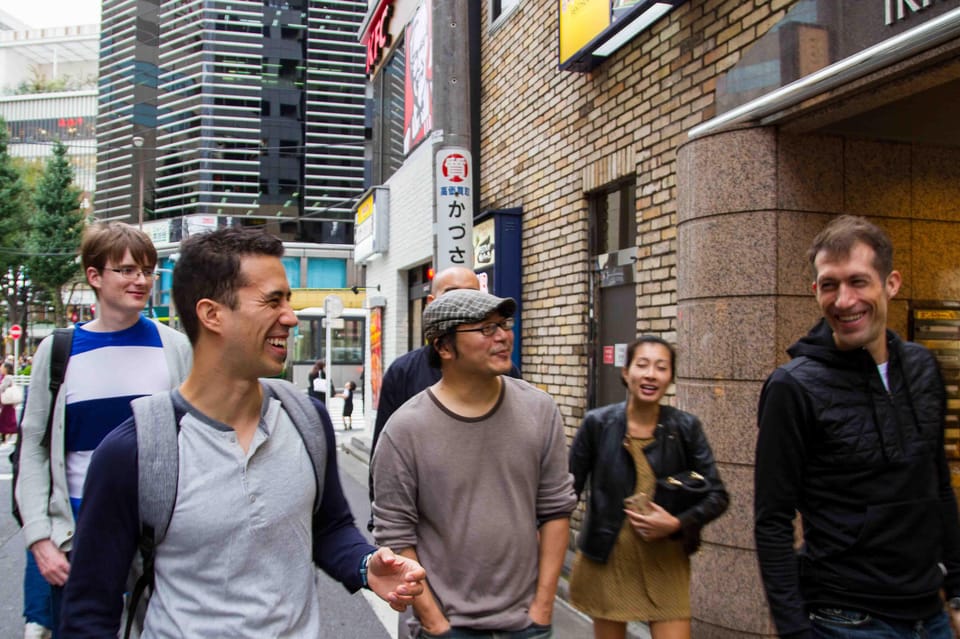
- English live guide, small group: limited to 8 participants, so questions don’t vanish in the crowd
- One included beverage: a small break between tastings that helps you keep pace
A ramen tasting that turns food into real know-how
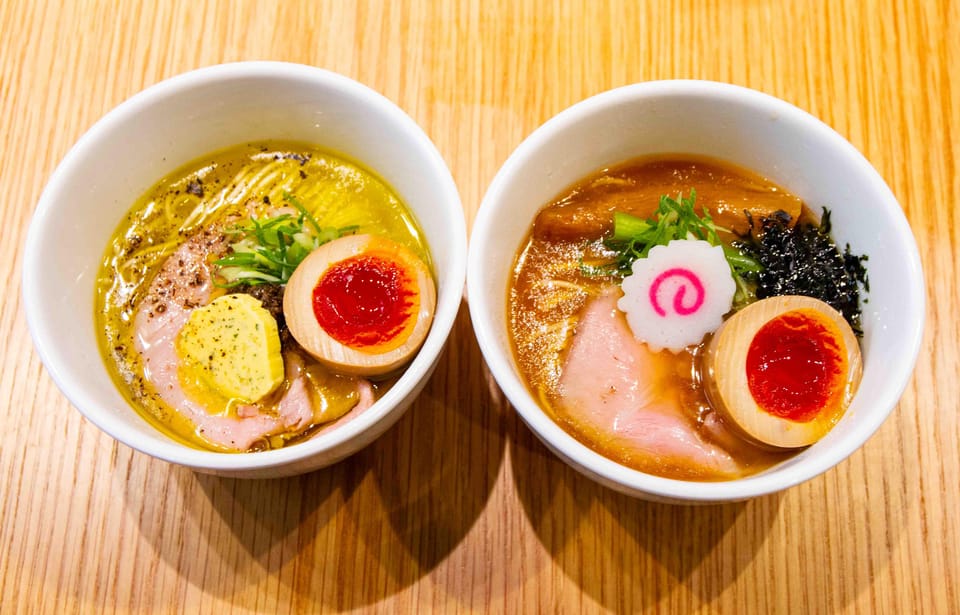
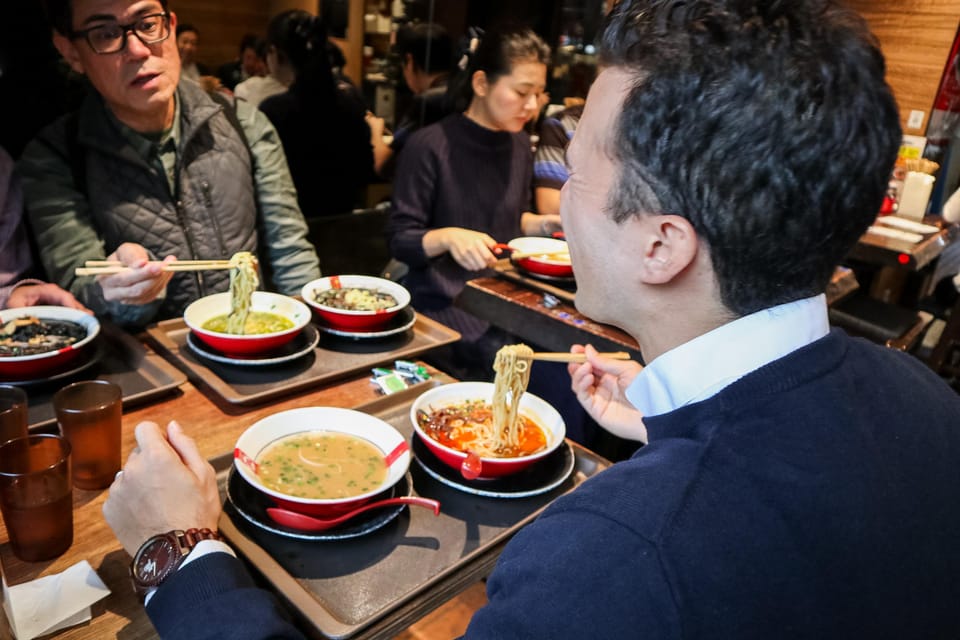
This is not a one-bowl tasting where you sort of guess what you ate. The goal here is to make you a ramen person—fast. You’ll sample six mini bowls across three shops, with a guide who explains what makes each style different and why people get picky about broth, noodles, and toppings.
Price-wise, $122 is not the cheap lunch version. But you’re not just buying food. You’re paying for a tight 3-hour format: three separate restaurants, a live English guide, and six specialty tastings in mini form so you can compare styles without getting stuffed on one type.
Also, the mini-bowls matter more than you’d think. With full bowls, you can’t taste accurately. Here, the portion size is built for comparison, so you can actually notice the differences instead of just chasing flavor like it’s a sugar rush.
You can also read our reviews of more food & drink experiences in Tokyo



How the 3-hour format works (and why the mini bowls help)
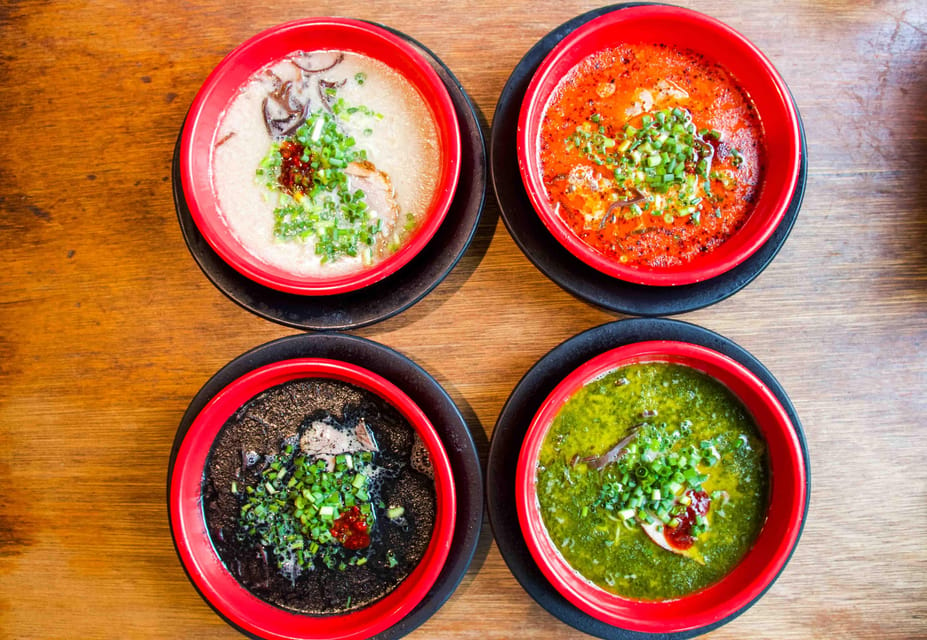
You’ll be eating continuously for about 3 hours, with stops at three ramen shops. Each stop features a different ramen direction, and you get to select your six bowls from a set of 11–12 choices.
Because everything is portioned for tasting, you’re less likely to end up with the classic Tokyo-food problem: one great bowl becomes a stomach hostage. Your pace stays human. You’ll still want to eat lightly before you go, but you won’t have to fight your way through a massive finale.
Included with the tastings is one beverage. It’s a nice pressure-release valve between stops, especially when you’re switching broth types. In ramen land, broth style can change the whole mood of the meal.
Shibuya route: Hokkaido classic, fusion tonkotsu, and curry comfort
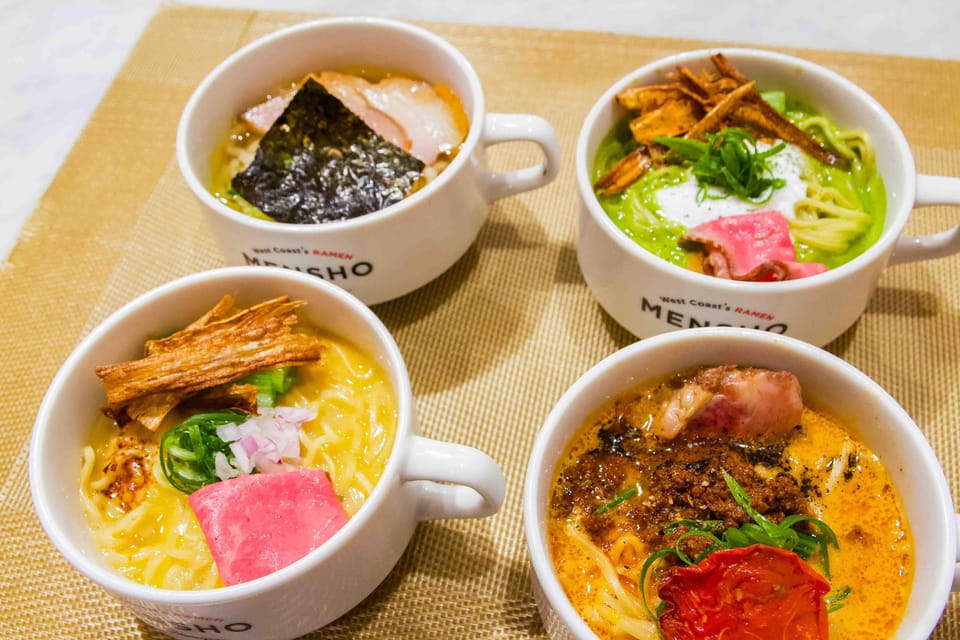
If your day runs the Shibuya route, you’ll start in the Shibuya area and move through three spots that each emphasize a different kind of ramen culture.
Shop 1: Classic Hokkaido ramen
This is where the tour’s “regional ramen” angle starts. Hokkaido-style ramen often feels heartier and more grounded, and it’s a good anchor before you move into more specific broth directions.
Shop 2: Fusion tonkotsu (pork bone) ramen
Tonkotsu is the kind of broth that makes people talk. This stop adds a twist by going fusion, so it’s not just about rich pork-bone depth—it’s about how the shop reinterprets that identity.
Shop 3: Savory curry ramen
Curry ramen is comfort food with a purpose: it changes the broth flavor profile enough that you feel the shift instantly. It’s also a great reminder that ramen isn’t just one flavor family.
What I like about the Shibuya route is that it moves from regional base to bold broth style to a totally different flavor category. That’s a quick way to train your palate.
Shinjuku route: Tokyo classic to tori paitan to luxurious chicken or fish
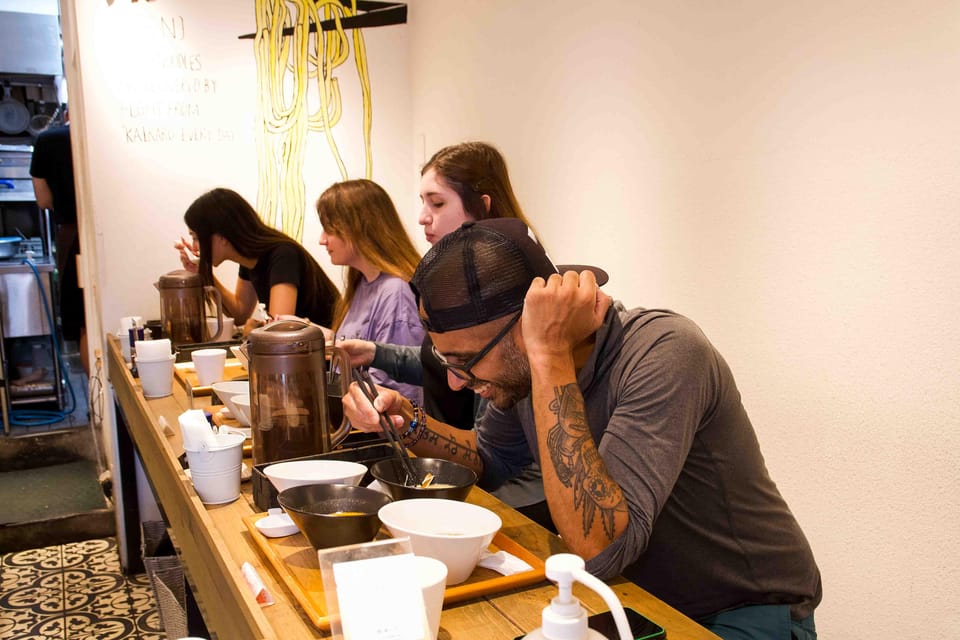
The Shinjuku route keeps you in big-neon Tokyo energy, but the ramen theme is more structured.
Shop 1: Classic Tokyo ramen
This stop gives you a baseline. It’s the classic reference point that helps you understand what later styles are reacting to.
Shop 2: Modern tori paitan (rich chicken ramen)
Tori paitan is all about chicken depth. You’ll get a taste of the richness side of poultry broth and a modern take on how shops build flavor and texture.
Shop 3: Luxurious chicken or fish ramen
This final bowl is where the tour leans into “refined.” It’s meant to feel smoother and more polished than a basic comfort bowl, and it’s a strong finish if you prefer broths that feel delicate rather than heavy.
If you want a ramen tour that feels like it’s building from familiar to elevated, this route makes sense.
Ueno route: Kyushu roots, tsukemen dips, and modern Tokyo
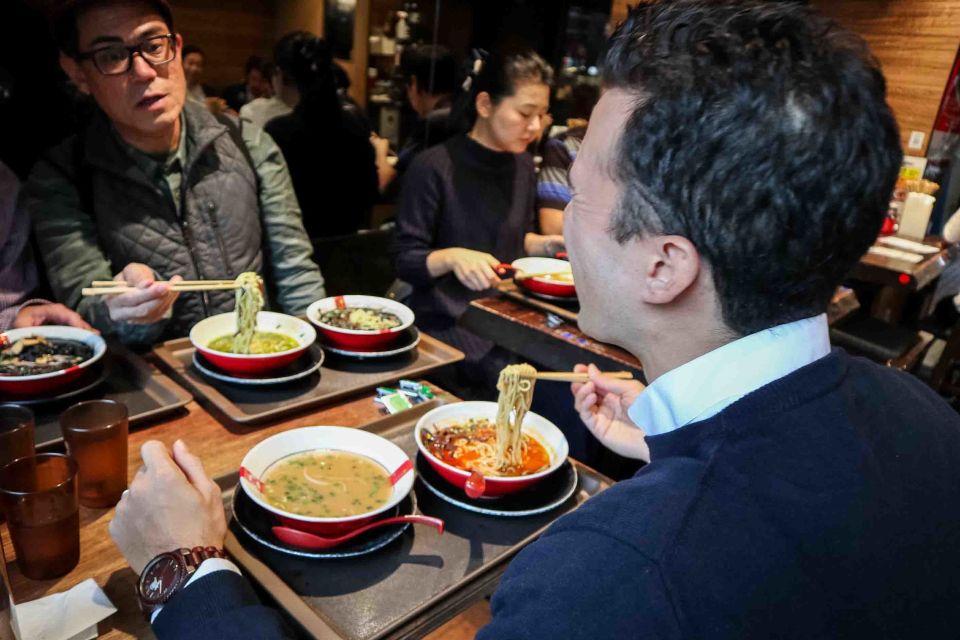
The Ueno route is for you if you want a couple of curveballs in your tasting line-up. You’ll still get the comparison format, but the ramen choices bend in interesting directions.
Shop 1: Classic Kyushu ramen
Kyushu ramen brings another regional identity to the table. This is a solid way to break out of the “only one kind of ramen exists” mindset.
Shop 2: Contemporary tsukemen (dipping) ramen
Tsukemen is ramen’s “different meal” cousin. Instead of slurping broth straight from a bowl, you dip noodles into a separate sauce/broth. Even if you’ve had it before, a contemporary shop version can change your expectations for texture and balance.
Shop 3: Modern Tokyo ramen
The tour caps with a modern take. You get to see how ramen evolves while still keeping the core idea intact.
I like this route because the tsukemen stop forces you to pay attention to process, not just flavor. It’s one of the fastest ways to become a more thoughtful ramen eater.





The ramen “class” part: what to notice in each bowl
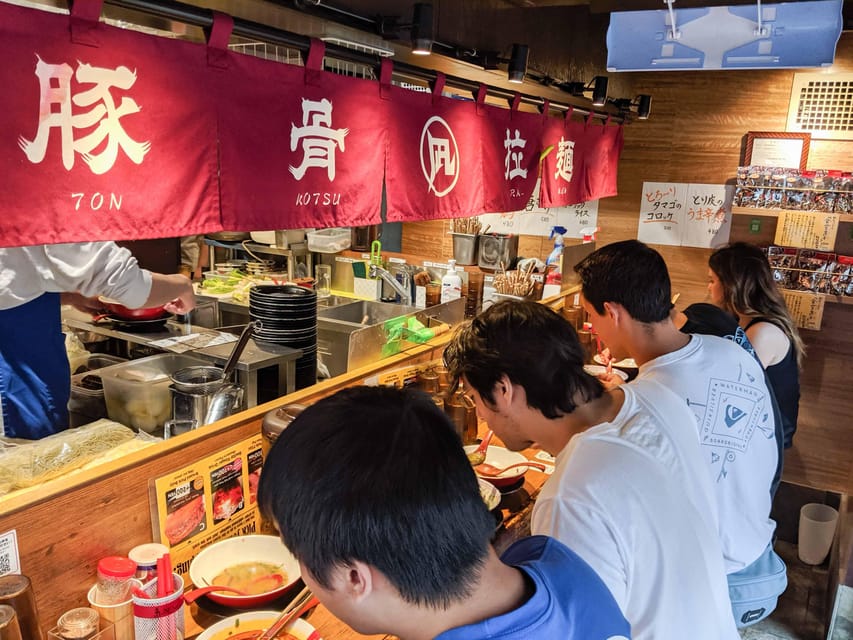
Food tours can sometimes turn into a list of stops. This one adds instruction so you learn what you’re tasting.
The guide uses colorful slides and handouts to cover ramen origins, types, and preparation. That means you don’t just leave full—you leave with a mental map. You’ll be able to explain differences like how broth base changes flavor, and how noodle style affects the whole experience.
Here’s the practical angle: when you’re back in Tokyo after the tour, you’ll order with more confidence. Instead of guessing, you’ll think, What kind of ramen is this? What does the broth aim to do? How should the noodles behave with that soup?
Guides also tend to encourage questions, and the vibe stays friendly. Multiple guides mentioned in the experience notes include Sahori and Bunga, both described as sharing ramen history clearly in English, and other guides like Makayla, Daisy, and Michaela also come up as strong explainers.
Walking pace and timing: plan your day around the 3 kilometers
This is a food tour with movement. Expect about 3 kilometers of walking across three stops. It’s not a grueling hike, but it is enough that your energy matters, especially if you’re also trying to do other Tokyo sights the same day.
The tour lasts 3 hours, so you can treat it like an afternoon anchor. It also helps that you’re eating between walks, which keeps hunger from turning into impatience.
A small practical tip: wear shoes you’d actually trust on uneven sidewalks and crowds. Tokyo is easy, but ramen lines and crosswalks add up. Your legs and stomach will both want a say in the matter.
Dietary reality check: all broths mix chicken, pork, and fish
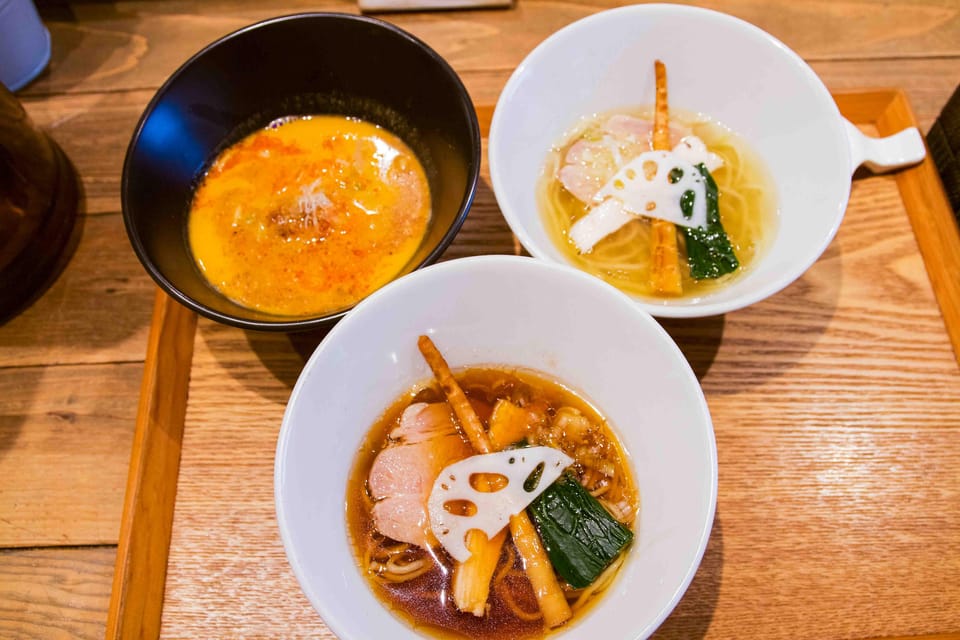
This part matters. According to the tour information, all of the ramen shops used on this experience blend chicken, pork, and fish into their soup.
So if you’re vegan or strictly vegetarian, you shouldn’t count on “safe customization.” The good news is there is a separate vegan/vegetarian ramen tasting tour, built for that need.
If you’re okay with non-veg broths, this tour is a great way to taste a wide variety of styles because you won’t be limited to one reduced category.
Who should book this ramen sampler, and who should skip it
Book it if you want:
- To taste six distinct ramen styles instead of one “signature” bowl
- To learn how ramen types are defined, not just how they taste
- A small-group experience with an English live guide, capped at 8 participants
Consider skipping if:
- You have a low fitness level and don’t handle walking well
- You need fully vegan or vegetarian ramen (choose the dedicated vegan/vegetarian option instead)
It also makes sense early in your Tokyo trip. Once you understand what you like—rich tonkotsu depth, chicken richness, curry comfort, or regional styles—you’ll order smarter later.
Price and logistics: why $122 can feel fair
At $122, you’re paying for more than food. You’re paying for three separate restaurant experiences, guided explanation, and that special tasting format (mini bowls, only available on this tour).
You also get one included beverage, which helps the pacing. And because the group stays small (up to 8), you’re more likely to get answers when you ask why one broth feels thicker or one noodle style changes the bite.
Is it cheap? No. But it is structured. The cost buys time, variety, and instruction—the three things that make ramen tastings actually useful rather than just fun.
Should you book this Tokyo ramen tasting tour?
If you like ramen and want to understand why ramen styles differ, I think this one is worth putting on your list. The strongest reason to book is the format: six mini bowls, picked from 11–12 options, across three shops in major neighborhoods, with English teaching built in.
Do it if your travel style includes food with context. Skip or switch tours if you can’t handle walking or if you need vegan/vegetarian broth options.
FAQ
FAQ
How long is the Tokyo ramen tasting tour?
It lasts 3 hours.
What do I get to eat on the tour?
You’ll have 6 mini bowls of ramen and 1 beverage included.
Do I get to choose which ramen I try?
Yes. You choose 6 ramen from a selection of 11–12 options.
Where does the tour take place, and where does it end?
The tour starts in Shibuya and ends in Ebisu (or Shinjuku depending on the day). Neighborhood routes include Shibuya, Shinjuku, and Ueno.
How much walking is involved?
Plan for about 3 kilometers (1.86 miles) of walking.
Is this tour suitable for vegans or vegetarians?
Not for vegans or vegetarians on this specific tour. All broths contain chicken, pork, and fish, and there is a separate vegan/vegetarian ramen tasting tour.