REVIEW · TOKYO
Tokyo: Tea Ceremony Experience
Book on GetYourGuide →Operated by 日本文化体験 庵an東京 AN TOKYO · Bookable on GetYourGuide
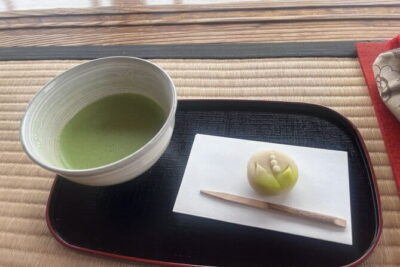
Matcha in half an hour beats jet lag. This Tokyo tea ceremony is built for real-life sightseeing days: you get a short lecture, then you make matcha in an Ote-mae style experience, with casual drinking right after. Two things I like a lot are the single-origin special matcha (so it tastes more intentional than generic powder) and that you also get Ohigashi Japanese sweets, not just a cup of green tea.
One thing to keep in mind: the session language is Japanese, and English translation is provided as much as possible. If you need heavy translation support, plan to keep questions simple and focused, and arrive on time because delays can’t be accommodated.
In This Review
- Key highlights worth planning around
- Why this 30-minute tea ceremony fits Tokyo days
- Meeting at AN TOKYO and finding the right spot
- The mini lesson: what you learn before you whisk
- Ote-mae practice: what you’ll actually do
- The matcha grinding demo: where taste begins
- Ohigashi sweets: the calm companion to your matcha
- Picture time: a small moment that doesn’t steal the show
- Timing details: how the 30 minutes are actually paced
- Price and value: what $7 buys you in Tokyo
- Who should book this tea ceremony experience
- Certificates and what happens if you want one
- What to know about language and communication
- Should you book the Tokyo tea ceremony at AN TOKYO?
- FAQ
- How long is the Tokyo tea ceremony experience?
- What is the price per person?
- What does the experience include?
- Do I get to make matcha myself?
- Is there a matcha grinding demonstration?
- Are Japanese sweets included?
- Where is the meeting point?
- What languages are used?
- What are the operating hours?
- Is a completion certificate included in the price?
Key highlights worth planning around
- Single-origin special matcha for a more distinct flavor
- Ote-mae tea ceremony set experience you actually do, not just watch
- Ohigashi sweets included with your tea break
- Matcha grinding demonstration to understand what you’re tasting
- Picture time at the end of your ceremony session
- 30 minutes total, so it slots into a Tokyo day without stress
Why this 30-minute tea ceremony fits Tokyo days
Tokyo is full of must-dos, and tea can be one more thing you squeeze in—if the timing works. This experience is designed around a quick rhythm: explanation, grinding, ceremony, then eating and drinking. At 30 minutes, you’re not stuck committing half your day to a single activity.
I also like that it’s casual in the right way. You’re not asked to pretend you’re a tea master for hours. Instead, you get the core steps explained, then you make and enjoy matcha while sightseeing stays the priority. If you’ve been walking all morning and your brain feels fried, this is the kind of reset that gets you to slow down without turning your schedule upside down.
You can also read our reviews of more tours and experiences in Tokyo.



Meeting at AN TOKYO and finding the right spot
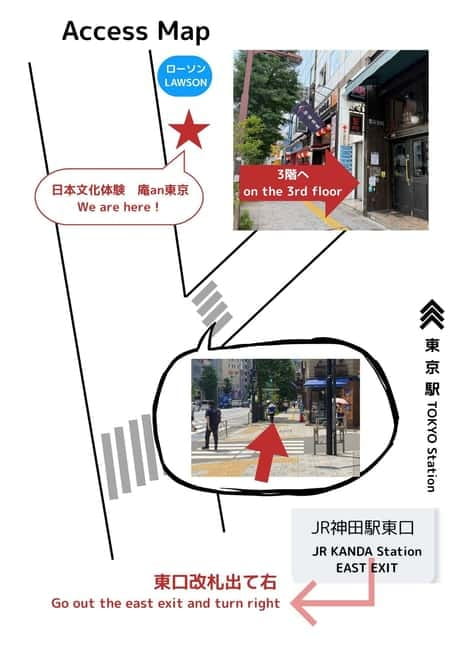
Your meeting point is AN TOKYO Japanese Culture Experience with coordinates 35.6916541, 139.7715022. That’s helpful because Tokyo addresses can be tricky in map apps if the pin isn’t perfect—coordinates usually find the right area fast.
What to do before you go:
- Plug the coordinates into your phone map and save it.
- Plan to arrive a little early. The experience can’t be held to accommodate delays.
- Be ready to enter with your group on time since non-participants aren’t allowed inside.
This matters because tea ceremony timing is part of the experience. Even when the instructions are friendly, the flow moves from lecture to grinding demo to your own tea making, and that takes a set amount of minutes.
The mini lesson: what you learn before you whisk
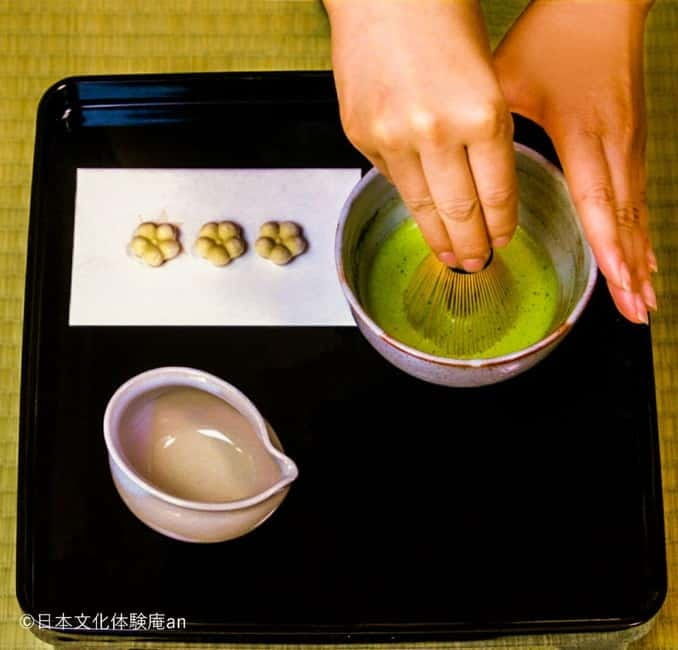
The session starts with a simple structure that keeps you from feeling lost. First comes an explanation about tea, then you watch a matcha grinding demonstration, then you shift into the actual tea-ceremony experience.
You’ll get the basics quickly, and that’s a plus. The explanations are described as fast, and that’s practical in a short 30-minute format. You’re not being overloaded with theory. Instead, you learn just enough to connect what you’re doing with why it matters—how matcha texture changes as it’s prepared, and how the tea experience is meant to feel deliberate even if you’re doing it in a modern city.
If you want to get extra value, go in with one mindset: treat the explanation like a cheat sheet for your own cup. That way, you’re tasting with intention instead of just collecting Instagram moments.
Ote-mae practice: what you’ll actually do
This experience includes a set of OTE-MAE (Japanese tea ceremony). That means you don’t just sit and observe. You participate, which is where most of the value comes from.
In plain terms, here’s the flow you can expect:
- Start with an explanation so you know what to do next.
- Watch the grinding demo so you understand the starting point.
- Then you perform the tea ceremony steps and enjoy the result.
Because it’s a short session, the instructor keeps it moving. You’ll likely get the key actions demonstrated and then repeat them under guidance. For first-timers, this is perfect. You’ll feel like you learned something specific, not just attended a show.
One practical consideration: this is a Japanese-language experience. The instructor is Japanese, and English translation is provided as much as possible. If your Japanese is limited, you can still follow along using the visual steps and keep your questions short. It helps to ask about what you’re seeing in the moment: matcha prep, whisking, or how to enjoy the sweets with your tea.
The matcha grinding demo: where taste begins
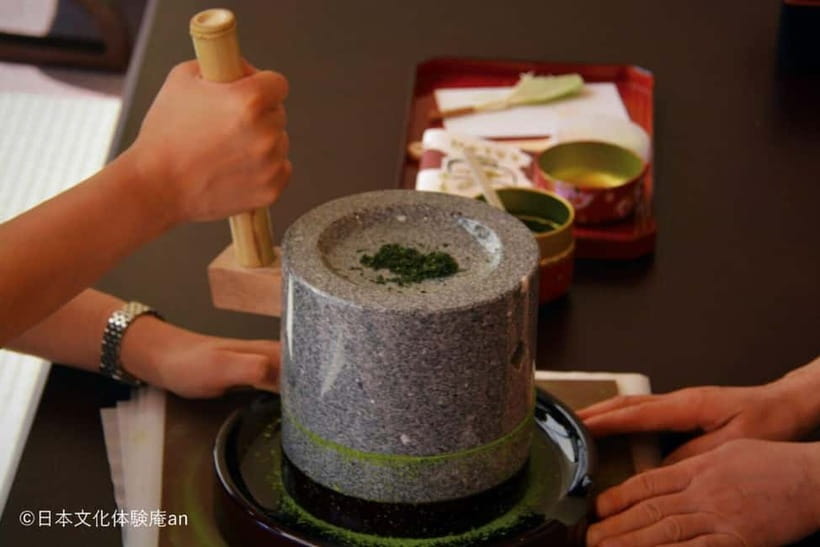
Matcha doesn’t start as a finished drink. It starts as powder, and grinding and preparing it changes the feel and flavor you experience in the cup. That’s why the session includes a matcha grinding demonstration.
Even if you already know matcha is powdered tea, the demo helps you connect the process to your senses. You’ll see how careful preparation supports a smoother drink, and you’ll understand why the texture of whisked matcha matters. In a short session, this demo is one of the smartest time uses because it gives you a clear reference point for what you’re tasting during your own tea making.
And yes, this is part of the reason the single-origin special matcha credit is important. Single-origin matcha tends to have a more defined character. In other words, you’re more likely to notice differences when you’re tasting something more specific than generic offerings.





Ohigashi sweets: the calm companion to your matcha
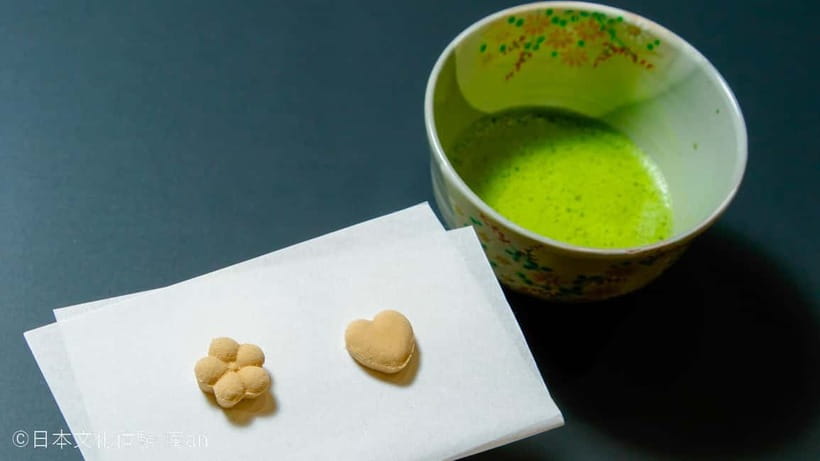
You get Japanese sweets called Ohigashi as part of the experience. This is a big deal for value and enjoyment because tea ceremony isn’t only about the drink—it’s about pairing flavors and pacing.
Ohigashi can balance the bitterness or vegetal feel of matcha with something sweet in a calmer, more traditional style than you’d get from a heavy dessert. Even if you don’t have deep knowledge of wagashi, you’ll feel the function: a switch in flavor that makes the next sip more interesting.
Practical tip: eat the sweet slowly, then sip matcha. If you rush, everything tastes like one combined flavor. The ceremony timing is built to help you notice the change.
The schedule also gives you eating and drinking time near the end, so you’re not forced to finish everything instantly. You get a proper break before you leave the room.
Picture time: a small moment that doesn’t steal the show
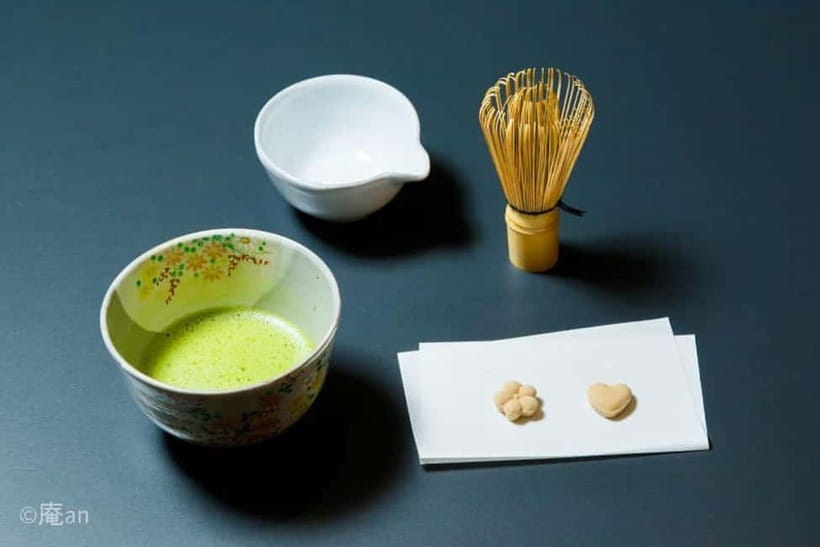
After your tea-ceremony experience, there’s picture time built into the schedule. That’s useful because you’ll have a chance to capture the moment when everything is set up correctly—tea tools, cups, and the overall atmosphere.
Just keep expectations realistic. Picture time in a 30-minute session is meant to be quick, not a long photo shoot. The goal is to document your participation without derailing the main event: learning the process and enjoying the matcha and sweets.
If you care about photos, go in with a simple plan: one or two photos of the setup, one of your finished cup, and then move on. You’ll enjoy the taste more if your phone isn’t always in your hand.
Timing details: how the 30 minutes are actually paced
Here’s the timing rhythm you should expect:
- 00 minutes: start of the experience, then explanation about tea
- you’ll then get a matcha grinding demonstration
- the tea-ceremony experience follows
- picture time happens toward the end
- 20 minutes: the experience ends
- 30 minutes: room departure
That pacing is why this works well as a sightseeing break. You can fit it between neighborhoods without feeling like you booked an all-afternoon commitment.
Also pay attention to operation hours: 10:00 to 17:00. Reservations received after 17:00 are processed the next day. If you’re in Tokyo late, you’ll need to make sure your timing lines up with those hours.
Price and value: what $7 buys you in Tokyo
At $7 per person, this is one of those small-ticket activities that can make a Tokyo day feel more personal. The price isn’t just for a drink. You’re paying for:
- a guided tea ceremony setup (OTE-MAE experience)
- the matcha grinding demonstration
- the chance to make and enjoy matcha
- inclusion of Ohigashi sweets
- a structured 30-minute reset that doesn’t eat your day
Value-wise, the key is participation. Watching a tea ceremony can be lovely, but the real benefit here is doing the steps and getting a cup you can taste right away. For budget travelers, that participation is what turns a low cost into real satisfaction.
One more value note: you can enjoy matcha casually, which keeps pressure low. You’re not paying for stress or for a performance. You’re paying for a simple, guided cultural experience that ends quickly.
Who should book this tea ceremony experience
This is a strong fit if:
- you want a tea break during sightseeing instead of another long museum-like stop
- you’ve never done a tea ceremony and want the basics without overwhelm
- you like the idea of single-origin matcha and want to taste it in a guided format
- you prefer activities that finish quickly but still feel culturally grounded
It may be less ideal if you:
- need a long, deep, highly technical explanation
- want a full certificate included automatically (it’s optional and not included)
- expect the session to be flexible if you’re running late (it isn’t)
If you’re traveling as a couple or solo, this can work well because the session is short and guided. If you’re with a family, kids are also supported in a practical way: children who sit on their parents’ laps are free of charge (under 2 years old only).
Certificates and what happens if you want one
A completion certificate is not included. If you want one, it costs 300 JPY. For nominative certificates, you need to let them know your names in advance; otherwise, they leave a blank space for your name.
That’s useful to know if you’re collecting small memories or paperwork for a trip. If you don’t care about certificates, skip it and spend your energy on the matcha and sweets.
What to know about language and communication
The language is Japanese, and English translation is provided as much as possible. That usually means you can follow along for the main steps even if you’re not fluent.
If you want to get more out of the experience despite the language gap:
- listen for the order of steps (what comes first, second, third)
- watch the instructor’s hands and the tools
- ask one simple question at a time if you can
One helpful real-world note: a recent visitor shared that the guide was very lovely when transportation issues made them not arrive on time. So if something goes wrong outside your control, don’t assume the interaction will be cold. Still, the safe move is arriving early because the event can’t be held to accommodate delays.
Should you book the Tokyo tea ceremony at AN TOKYO?
Yes, if you want a quick cultural stop that doesn’t drain your day. This is a good pick when you’re balancing Tokyo sightseeing with something calmer: matcha you make yourself, a grinding demo that explains what’s behind the taste, and included Ohigashi sweets.
Book it if you’re value-focused and you like activities where you participate. The 30-minute length is a major advantage, and the single-origin matcha angle makes the tasting feel more specific than a basic tea experience.
Skip it only if you need long explanations, guaranteed strong English translation, or maximum schedule flexibility for late arrivals. If you show up on time and keep expectations aligned with a short session, you’ll likely leave feeling like you gained something real: a better cup of matcha, plus a small window of Japanese ritual right in the middle of your Tokyo day.
FAQ
How long is the Tokyo tea ceremony experience?
The experience lasts 30 minutes in total.
What is the price per person?
It costs $7 per person.
What does the experience include?
It includes a set of experience of OTE-MAE (Japanese tea ceremony).
Do I get to make matcha myself?
Yes. You can make your own matcha after a brief lecture.
Is there a matcha grinding demonstration?
Yes. The program includes a matcha grinding demonstration.
Are Japanese sweets included?
Yes. The experience includes Ohigashi Japanese sweets.
Where is the meeting point?
Meet at AN TOKYO Japanese Culture Experience. Coordinates are 35.6916541, 139.7715022.
What languages are used?
The experience language is Japanese. English translation is provided as much as possible.
What are the operating hours?
Operation hours are 10:00 to 17:00.
Is a completion certificate included in the price?
No. A completion certificate costs 300 JPY, and nominative certificates require names in advance.
![[1 Group Only] Explore Tokyo Ginza Food Tour for Family - The 6:00 pm start: why this timing works](https://e.thetokyoexplorer.com/wp-content/uploads/1-group-only-explore-tokyo-ginza-food-tour-for-family-400x267.jpg)