REVIEW · TOKYO
Kawagoe 6hr Private Tour with Licensed Guide (Tokyo/Kawagoe dep)
Book on Viator →Operated by Japan Guide Agency · Bookable on Viator
Kawagoe feels like a time capsule. This private 6-hour tour takes you from Tokyo to Little Edo with a licensed English-speaking guide, so you skip the map-game and get straight to the good stuff. I especially like the flexibility to choose 3-4 stops, and I also like that the walk-through feels organized without feeling scripted.
One thing to consider: timing matters. If you go on a Saturday, Kawagoe can get crowded, and pacing may slow down just like any popular historic town.
In This Review
- Key Things to Know Before You Go
- Little Edo in a Half-Day: Why Kawagoe Works So Well
- Price and What You’re Actually Paying For
- The “Private” Part: Meeting, Customizing, and Staying Flexible
- Walking With a Guide Beats DIY Juggling
- Toki no Kane: The Bell Tower That Sets the Town’s Rhythm
- Koedo Yokocho: Warehouse Lanes and Quick Local Food
- Kurazukuri Museum: Merchant Streets, Stored Wealth, and Old Architecture
- Kawagoe Castle Naka no Mon Remain: When History Is Mostly Foundations and Rooms
- Hikawa Shrine: Love Success Stone and a Quiet Moment
- Kitain Temple: A Buddhist Place That Feels Like It Has Weight
- Kawagoe City Museum: Little Edo Explains Itself
- Honmaru Palace: Castle-Style History for Castle Lovers
- Onsen Time at Kawagoe Onsen: The Best End-of-Day Reset
- Matsuri Kaikan: Festivals Without Guesswork
- What I’d Choose: Picking 3-4 Stops That Actually Fit Your Day
- Crowds, Saturdays, and How to Keep Your Day Comfortable
- Accessibility and Pace: Ask How Your Guide Will Handle It
- Should You Book This Kawagoe Private Tour?
- FAQ
- How long is the Kawagoe private tour from Tokyo?
- What sites can I choose from?
- Is this tour walking-only?
- Is transportation included?
- Are entrance fees included?
- What’s included in the price?
- Can I cancel for a full refund?
Key Things to Know Before You Go
- Choose 3-4 stops from Edo landmarks, shrines, temples, museums, and onsen options
- Licensed English guide handles translation and navigation, including public-transport routing
- Toki no Kane bell tower and the warehouse lanes set the Little Edo mood fast
- Food-friendly stop at Koedo Yokocho, where you can grab things like kamameshi and ramen
- Onsen is optional and includes wood and stone bath options at Kawagoe Onsen
- Private group only, so your day stays more like your plan and less like a bus schedule
Little Edo in a Half-Day: Why Kawagoe Works So Well
If Tokyo feels intense, Kawagoe is a calmer reset. It’s close enough for a half-day outing, and it’s built around the look and feel people associate with Edo Japan. The best part is that you’re not just sight-seeing—you’re moving through places where the town’s identity is still obvious in the streets.
This tour is designed for exactly that: a manageable day. You’re in Kawagoe long enough to feel the atmosphere, but not so long that you’ll be hunting energy by the final stop. And because it’s a private group experience, you can steer the day toward what you actually care about, whether that’s shrines, old merchant streets, or a relaxing bath.
You also avoid the common DIY headaches. Public transportation in Japan is excellent, but figuring it out in a new area while also reading signs in another language can take energy you’d rather spend on the sights.
You can also read our reviews of more guided tours in Tokyo

Price and What You’re Actually Paying For
At $153.11 per person for about 6 hours, this isn’t a bargain-bucket tour, but it also isn’t priced like a full-day luxury service. You’re paying for two things that matter in practice: an English-speaking licensed guide plus a day built around your choices (3-4 stops).
What helps with value is how the tour is structured. You can skip the trial-and-error of figuring out which sites are most worth your limited time, and you can ask questions while you walk instead of trying to piece everything together afterward. That’s especially useful in Kawagoe, where the charm is in details—merchant architecture, the shrine traditions, and the town’s rhythm.
Just keep expectations aligned: transportation fees, entrance fees, lunch, and personal expenses are not included. Some stops have free entry and some don’t, so it helps to plan a little budget for paid sites if you choose them.
The “Private” Part: Meeting, Customizing, and Staying Flexible
The tour is limited to just your group, which changes how the day feels. Instead of keeping time for a larger group, your guide can adjust the pacing around your interests and the flow of foot traffic.
Meetup is straightforward: you’ll meet your guide on foot in a designated Tokyo or Kawagoe area. Pickup is offered, and the tour includes a “show up and go” style meetup rather than a complicated self-navigation plan. You’ll also get a mobile ticket, which is handy when you’re hopping between stops.
The big win is customization. You choose 3-4 sites from the set of Kawagoe options, so you’re not locked into a checklist. You could build a day around Edo streets plus a shrine and finish with onsen. Or you could lean more historical with museum and castle-related stops.
From guide notes in past experiences, the guides can adapt the plan to your pace and needs. One review specifically highlighted guide Taka meeting at the hotel and getting the group to Kawagoe by train, while another praised Isao for handling mobility limitations with extra care around stairs by using elevators and escalators.
Walking With a Guide Beats DIY Juggling
This is a walking tour. That sounds simple, but it changes what you should pack and how you plan your day. Comfortable shoes matter because you’ll be moving through classic streetscapes and stopping often to look, listen, and ask questions.
It also means you’re not spending the day sitting in transit. For a place like Kawagoe, that’s key. The charm is in the small-scale views—doorways, lanes, and the way old-style buildings cluster together.
A licensed guide also helps you avoid the “I think I’m going the right way” uncertainty. The tour is built to reduce confusion around routes and language barriers, so you can focus on where you are and what you’re seeing instead of decoding every sign.
One more practical note: the tour does not include a private vehicle. You’ll be using public transportation as part of the experience, which is normal and usually efficient in Japan, but it means you should plan for transit time on your schedule.
Toki no Kane: The Bell Tower That Sets the Town’s Rhythm
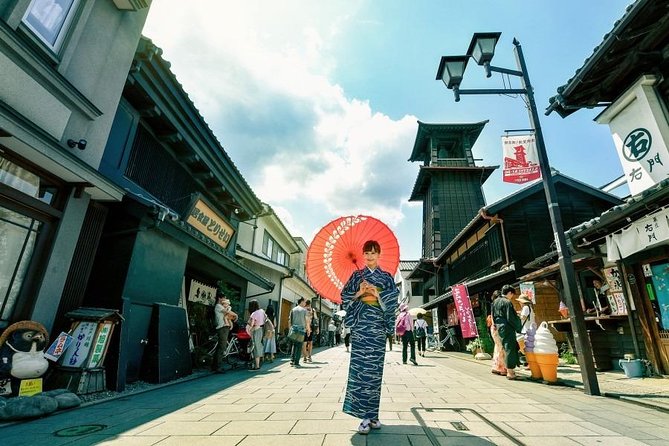
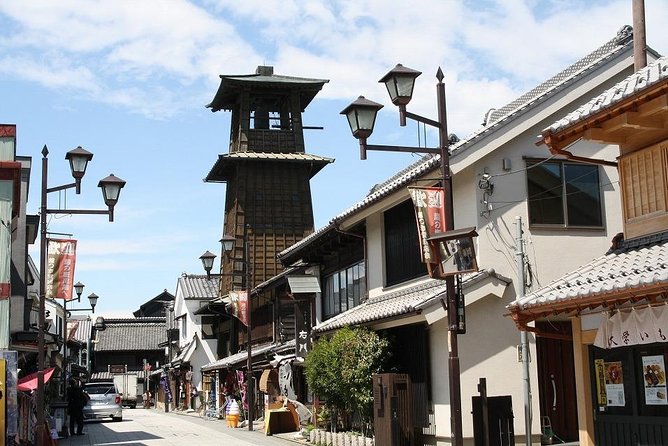
Start your Kawagoe day with Toki no Kane, the town’s bell tower symbol. In Edo-era days there weren’t clocks in every home the way we expect now, so this kind of tower helped people mark time. Today, the bell still rings, including times like 6 am, 12 pm, and around 3 pm, so it’s not just a photo stop—it’s a lived-in tradition.
It’s also a great warm-up stop. You arrive, you get the historical context quickly, and it helps you understand the rest of the town. Kawagoe isn’t just pretty buildings; it’s a system of habits and routines that shaped how people lived.
Entry is free for this stop. Even if you don’t catch the bell in action, you still get the cultural anchor for the day.
You can also read our reviews of more private tours in Tokyo


Koedo Yokocho: Warehouse Lanes and Quick Local Food
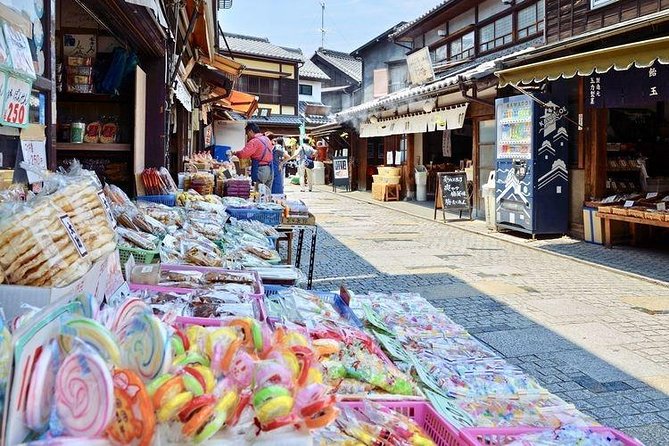
Next up, you can head to Koedo Yokocho, a warehouse-style complex where you’ll find restaurants and a free rest place. This is where your “Edo-town” walk turns into a “real-life lunch” moment without turning the whole day into a sit-down reservation.
If you want to taste Kawagoe without hunting for exactly the right shop, Koedo Yokocho is ideal. You’ll see dishes like kamameshi (a rice-and-ingredients dish cooked in a small pot) and ramen. Even a simple snack here helps keep your energy up for the rest of the walking.
This stop is also free to enter. It works well if you’re building a day that includes museums and shrines but you don’t want long breaks stuck in transit or lines.
Kurazukuri Museum: Merchant Streets, Stored Wealth, and Old Architecture
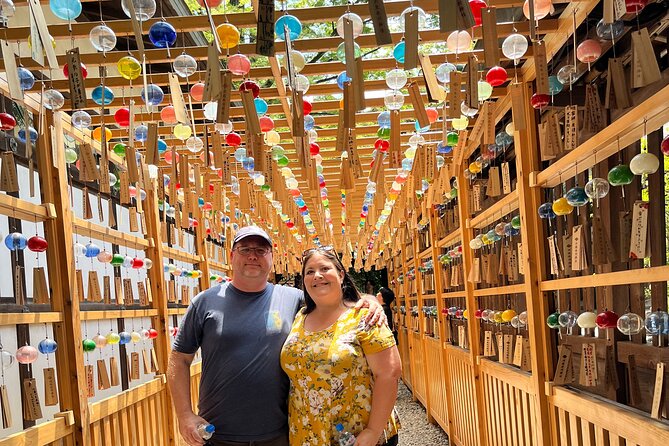
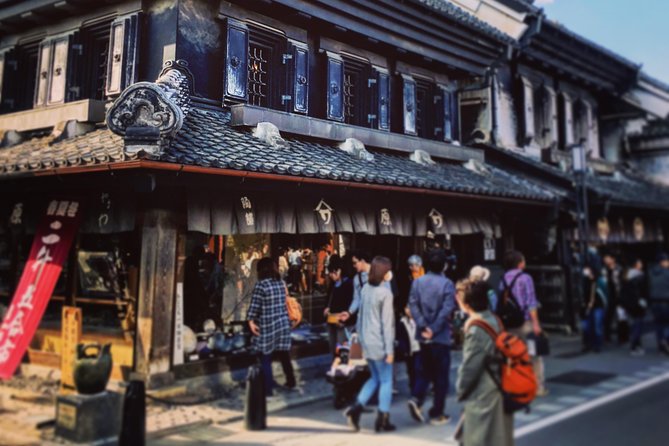
If you like architecture that tells you how people lived and worked, the Kawagoe Kurazukuri Museum is one of the better choices. The story here is merchant prosperity. Kawagoe grew as a castle town, and those successful merchants built warehouse-style buildings that still shape the streetscape.
You’ll get a clearer understanding of why the town looks the way it does. It’s not random styling. These structures were part of how commerce and goods were stored and managed. Even if you’re not a museum person, the architecture angle can make it worth it.
Entry is not included for this stop. If you pick it, I’d treat it as your “pay once, understand the town” stop.
Kawagoe Castle Naka no Mon Remain: When History Is Mostly Foundations and Rooms
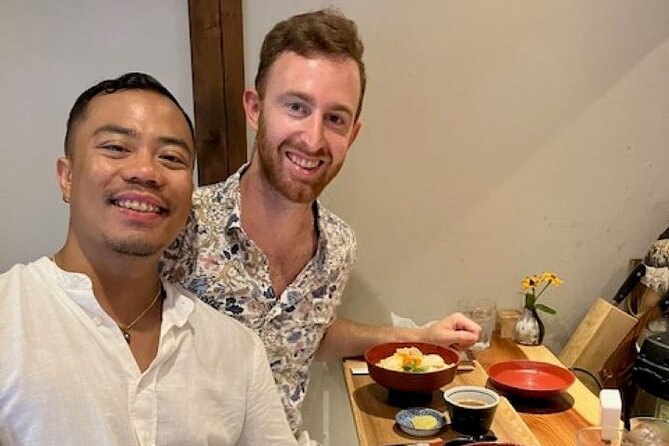
The castle part of Kawagoe can be a little different from what first-time Japan visitors expect. Most of the castle doesn’t remain, but parts like the entrance and a few rooms are open to the public. It’s still a valuable stop because it connects you to the Edo-era layout and political center that shaped everything else.
This is a good choice if you want your day to feel more historical instead of mainly scenic. It’s also a good pairing with the museum-like merchant story—castle town power plus merchant-town wealth.
Entry is not included for this stop. If you’re watching costs, compare it with the other paid options so you don’t end up paying for everything without prioritizing.
Hikawa Shrine: Love Success Stone and a Quiet Moment
For a shift in tone, choose Kawagoe Hikawa Shrine. It’s especially popular and connected to love wishes. One highlight is the amulet called Enmusubi dama, often described as a love success stone.
This stop is free to enter, which is great because it’s one of those places where you slow down without worrying about ticket prices. It also gives your day variety. After warehouse streets and castle remnants, a shrine helps reset your senses and pace.
If you’re the kind of person who likes to experience traditions in a respectful way (not just a quick photo), this is a strong pick.
Kitain Temple: A Buddhist Place That Feels Like It Has Weight
Kitain is a Buddhist temple you won’t want to skip if you like atmosphere. The temple has been standing for about 1200 years, and that age shows in how the place sits in the town.
This is another stop with free admission. It’s also ideal when you want a break from shops and food and just experience the slower rhythm of a long-standing religious site. Even if you can’t read every detail, the scale and stillness often do the talking.
Kawagoe City Museum: Little Edo Explains Itself
If you want a bit more context, the Kawagoe City Museum is worth considering. It’s tied to why Kawagoe is called Koedo, or Little Edo. The town has many historical buildings, and the museum helps connect those dots so you don’t just see surfaces.
Entry is not included. Still, it can be a good value if your guide’s stories are landing and you want more background while you’re already here.
Honmaru Palace: Castle-Style History for Castle Lovers
Another history-leaning choice is Kawagoejyo Honmaru Palace. Japanese castles are popular for a reason: they give a clear sense of how power and defense shaped daily life.
This stop can work as your “palace/structure” highlight if you picked one of the paid castle-related options and want to round out the day with something that feels more formal than a street walk.
Entry is not included. If you’re trying to keep paid stops to one or two, this is a good place to weigh your priorities.
Onsen Time at Kawagoe Onsen: The Best End-of-Day Reset
If your body is tired, this is where the tour can feel like a cheat code. Kawagoe Onsen offers natural hot spring bathing, with wood and stone-made baths. It’s the kind of experience that turns a half-day of walking into something restorative.
Entry is not included. Also, the tour doesn’t include transportation costs, so you’ll want to plan that your day might end with slightly more expense if you add onsen fees.
One practical tip: onsen can be the most logistically tricky part of any day trip, but having a guide helps you navigate expectations and timing so you’re not stressed while everyone else is relaxing.
Matsuri Kaikan: Festivals Without Guesswork
If you care about local culture but you’re not traveling during festival dates, Kawagoe Matsuri Kaikan gives you a festival angle. The focus here is the local festival tradition—what people celebrate and how the culture shows up.
Entry is not included. It’s a useful choice if you want something cultural indoors (good if weather is rough) or if you’d rather spend less time wandering and more time learning.
What I’d Choose: Picking 3-4 Stops That Actually Fit Your Day
Here’s a practical way to build a satisfying schedule from the available options:
- Edo streets + food + tradition: Toki no Kane, Koedo Yokocho, Hikawa Shrine, Kitain
- History-heavy day: Toki no Kane, Kurazukuri Museum, Castle Naka no Mon Remain, Kawagoe City Museum
- Relaxing close: Koedo Yokocho, Hikawa Shrine, Kitain, Kawagoe Onsen
Think of it like seasoning. You want a couple of “see it” stops, one “understand it” stop (museum/castle), and one “feel it” stop (shrine/temple/onsen). That mix keeps the 6 hours from turning into a blur of photos.
Crowds, Saturdays, and How to Keep Your Day Comfortable
One caution from real-world timing: Saturday can be a tourist mob scene. Kawagoe is popular, and old streets draw crowds quickly. When that happens, even a good itinerary can feel rushed because you’re sharing narrow lanes.
If you have a choice, consider going on a day that’s less packed. If you can’t, then your strategy is simple: pick fewer paid stops, leave extra time between locations, and prioritize the stops where you’ll spend time reading and looking, not just walking through.
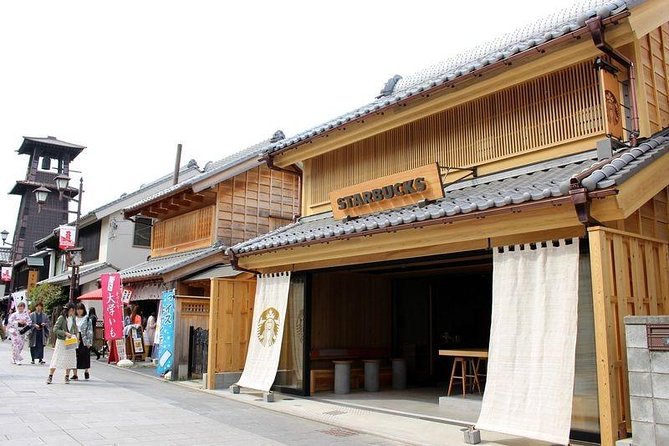
Also, be prepared for the fact that some historic-looking streets include modern shops. Kawagoe’s charm can still feel genuine, but the mix of old architecture and current storefronts is part of the experience.
Accessibility and Pace: Ask How Your Guide Will Handle It
The tour is a walking route, so how it works for you depends on your pace and comfort level. If stairs are a concern, ask the guide about adjustments up front.
In one experience, Isao specifically took mobility limitations into account and helped avoid steep up-and-down sections by using elevators and escalators. That’s a good reminder that a private tour can be more flexible than self-guided walking.
If you need a slower pace, state it at the start. A guide can also help you choose stops that are easier to navigate for your mobility level.
Should You Book This Kawagoe Private Tour?
Yes, if you want a low-stress, English-guided Kawagoe day and you like the idea of choosing your own mix of Edo streets, food, and cultural stops. The biggest strengths are the licensed guide, the private-group setup, and the way the day can be tailored to your priorities.
I’d skip it or adjust expectations if you’re trying to maximize savings. It’s not a budget tour, and entrance fees and lunch add up depending on which 3-4 sites you pick. Also, if you hate crowds, choose your day carefully because Saturday can be busy.
FAQ
How long is the Kawagoe private tour from Tokyo?
It runs about 6 hours.
What sites can I choose from?
You can customize your day with 3-4 stops from options like Toki no Kane, Koedo Yokocho, Kawagoe Kurazukuri Museum, Kawagoe Castle Naka no Mon Remain, Kawagoe Hikawa Shrine, Kawagoe City Museum, Kitain, Kawagoejyo Honmaru Palace, Kawagoe Onsen, and Kawagoe Matsuri Kaikan.
Is this tour walking-only?
Yes. It’s a walking tour, and the pickup is on foot.
Is transportation included?
Transportation fees are not included, and the tour does not include a private vehicle.
Are entrance fees included?
Entrance fees are not included. Some stops list free admission, while others are marked as not included.
What’s included in the price?
Included items are a licensed local English-speaking guide, a customizable tour of 3-4 sites, and meeting your guide on foot within designated areas of Tokyo or Kawagoe. A mobile ticket is also mentioned.
Can I cancel for a full refund?
Yes. You can cancel up to 24 hours in advance for a full refund.