REVIEW · TOKYO
Tokyo Private Tour with Customized Itinerary
Book on Viator →Operated by Flip Japan Guide · Bookable on Viator
Tokyo gets easier with a guide. This private tour gives you flexible choices—either a sample route or a guide-led plan—so you can see major sights without fighting transit or getting turned around.
I especially like the private format for up to 6, which keeps the pace comfortable and makes it easier to ask questions as you go.
One possible drawback: you may have extra costs for public transport and any paid entrances, and one low rating flagged a serious service problem—so I’d set expectations up front if timing matters a lot.
In This Review
- Key things to know before you go
- A Private, Customizable Tokyo Walk That Starts With Shibuya
- Price and Logistics: What $329.44 Gets Your Group
- How You Control the Day: Sample Route or Your Personal Plan
- Stop 1: Tsukiji Fish Market for Seafood Culture Without the Guesswork
- Stop 2: Asakusa and Senso-ji—Old Streets, Big Landmarks, Easy Flow
- Stop 3: Ueno for Parks, Museums, and a Reset Point
- Stop 4: Akihabara for Electronics and Pop Culture Shopping Routes
- Pickup, Walking Pace, and the One Service Red Flag to Consider
- Who This Tour Fits Best (And Who Should Look Elsewhere)
- Should You Book This Tokyo Private Tour?
- FAQ
- FAQ
- How long is the Tokyo private tour?
- How many people can be in a group?
- Is the tour private or shared?
- Is hotel pickup included?
- Where does the tour start and end?
- Which stops are included?
- Are entrance fees included?
- What extra costs should I plan for?
- Is a mobile ticket used?
- Can I cancel for a full refund?
Key things to know before you go
- Private, customizable route: pick a sample plan or tell your guide what you want to prioritize
- Hotel pickup offered: you start the day with less hassle than meeting friends at the last minute
- Guided walk across four districts: Tsukiji, Asakusa, Ueno, and Akihabara in about 5 hours
- Local tips you can actually use: guidance on what to look for, where to go next, and what questions to ask
- Extra costs may apply: transit, lunch, and entrance fees to paid spots if you add them
A Private, Customizable Tokyo Walk That Starts With Shibuya
This tour is built for people who want Tokyo to feel manageable. Instead of downloading maps and guessing which side of the street is best, you get a guide to keep you moving and explain what matters at each stop.
You’ll cover four areas that are often on every first-timer list, but the private setup changes the experience. You can slow down when something catches your eye, speed up when you are on a mission, and ask follow-ups while you are still standing in the right place.
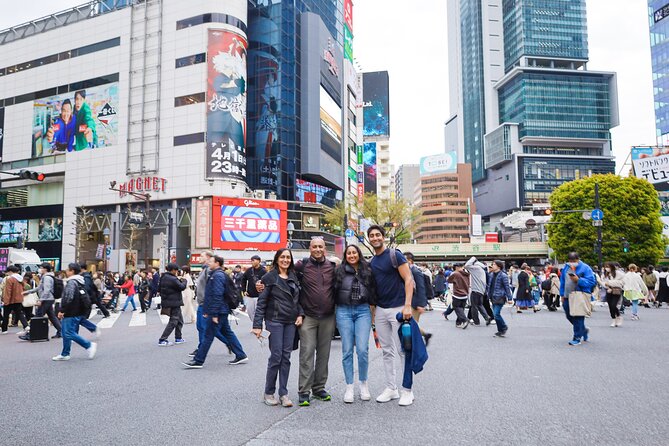
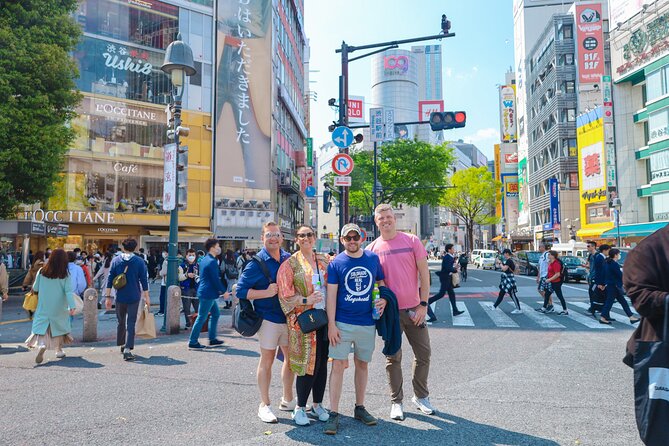
The tour is offered as a 5-hour private walking experience, and it includes pickup at your hotel or accommodation (when arranged). If you are not using pickup, the published start point is near Shibuya Station, 2 Chome-24. Either way, you’ll end back at the meeting point area.
You can also read our reviews of more private tours in Tokyo


Price and Logistics: What $329.44 Gets Your Group
The price is $329.44 per group, up to 6 people, for about 5 hours. That’s the part most people should do the math on.
If you fill the group, the effective cost is about $55 per person. That is not cheap in absolute terms, but it can be good value when you factor in a local expert guide for half a day plus pickup. If you have fewer than 6, the per-person number climbs, so this tour makes the most sense if you’re traveling with family or friends.
Plan for a couple of add-ons:
- Public transportation is listed as $5 per person.
- Lunch is not included.
- Entrance fees to paid venues aren’t included, and there’s an estimate of $5 per person if needed (depending on what you choose to add).
So yes, the base price covers the guiding and walking time. But Tokyo can still pull you into extra spending once you decide to step into museums, markets that have specific areas, or other paid stops.
How You Control the Day: Sample Route or Your Personal Plan
What I like here is the mix of structure and freedom. You can choose from a sample route, or customize your own plan with the guide beside you. That matters because Tokyo is not one-size-fits-all.
If you want an easy start, the sample route already points you toward four big districts. If you have specific priorities—temples, food culture, museums, or electronics shopping—you can steer the day.
A smart way to use this kind of tour is to decide your top goal for each stop before you arrive. For example:
- For Tsukiji, focus on what you want to understand about seafood culture and what to look for as you walk.
- For Asakusa, focus on temple sights and the surrounding streets.
- For Ueno, decide if you’re more into parks or museums.
- For Akihabara, decide if you want electronics stores, anime and manga shops, or both.
That way, the guide can help you hit the most relevant spots inside the time you have.
Stop 1: Tsukiji Fish Market for Seafood Culture Without the Guesswork
Your first stop is Tsukiji Fish Market. This area used to be famous worldwide for its wholesale seafood market and tuna auctions, and even though the world’s attention has shifted over time, the area still carries that identity.
You’ll spend about 1 hour, and the admission is listed as free. The practical win of going with a guide here is orientation. Tsukiji is the kind of place where you can burn time wandering in circles, especially if you’re not sure what lanes to follow or what kind of sights are the main event.
During your walk, you can expect your guide to frame what you’re seeing—how the market functioned, why it became famous, and what the food culture looks like on the ground. Even if you’re not there for a specific auction moment, you can still use that hour well by understanding the logic of the place instead of just taking photos.
Possible drawback: If seafood markets aren’t your thing, Tsukiji may feel like a lot of walking in a short time. For people who want deeper food tasting or a longer market experience, you might wish you had added more time or paired it with lunch plans outside the tour.
Stop 2: Asakusa and Senso-ji—Old Streets, Big Landmarks, Easy Flow
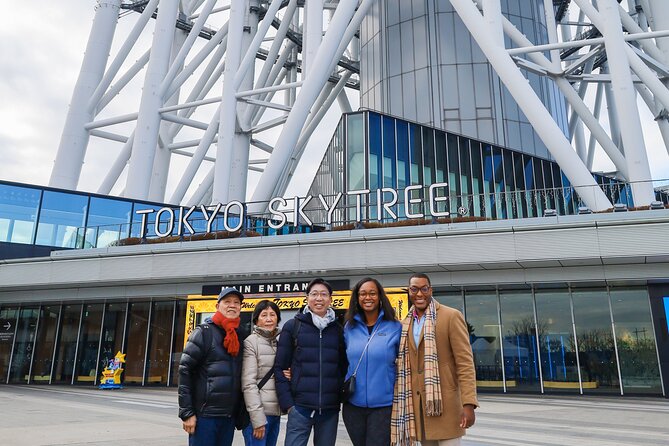
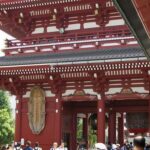
Next comes Asakusa, a historic district best known for Senso-ji Temple, a Buddhist temple founded in the 7th century. You’ll have about 2 hours here, with admission listed as free.
This is the stop that often becomes the emotional anchor of a first Tokyo day. It’s one thing to see Senso-ji on a postcard. It’s another thing to walk toward it, notice the flow of the neighborhood, and learn what to look for so your time feels purposeful.
With a guide, you can also spend less time asking basic navigation questions and more time asking the interesting ones—like what makes the temple important and how the area’s identity connects to the landmark. The guide can help you keep the energy of Asakusa without feeling rushed.
One tip for this kind of temple district: give yourself a little space to drift. Even when the guide has a route, the best parts are often the side lanes and small details you notice on the way. Asakusa is good for that because it’s built for walking at human speed.
Watch-outs: If your group wants fewer crowds and more quiet, you may need to set expectations. This is a major sightseeing area, so go in with the mindset that you’re there for the landmark experience and the neighborhood atmosphere.




Stop 3: Ueno for Parks, Museums, and a Reset Point
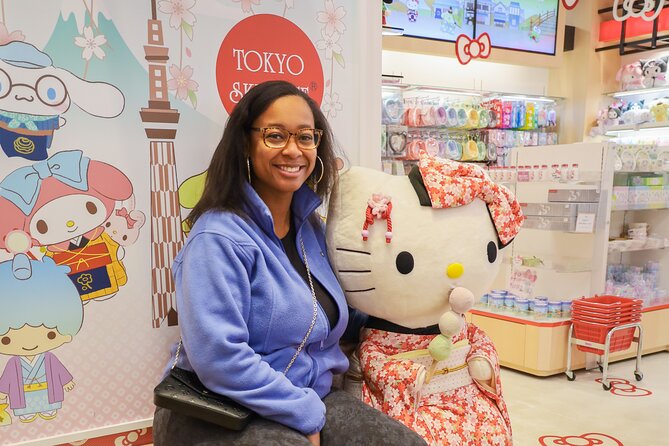
After Asakusa, you head to Ueno, where you’ll have about 1 hour. Ueno is known for Ueno Park and for museums nearby, including the Tokyo National Museum.
Even if you don’t plan to enter museums, Ueno works as a reset. You get a breather from the most intense sightseeing zones and a chance to understand another side of Tokyo: the city has large public spaces, and people actually use them.
Because your time is limited, this is where a guide helps most. In one hour, you can either:
- Choose a quick museum-focused path (if you add entry), or
- Stay in the park area long enough to appreciate the space and take a few key views.
The tour lists admission as free at this stop, which suggests the base plan is more about walking and seeing the neighborhood rather than buying museum tickets. If you want museum time, you’ll need to account for entrance fees if you add paid venues.
Possible drawback: If museums are a big priority, one hour may feel short. In that case, treat Ueno as a taste, not a full museum day, and consider scheduling a longer museum visit on a separate outing.
Stop 4: Akihabara for Electronics and Pop Culture Shopping Routes
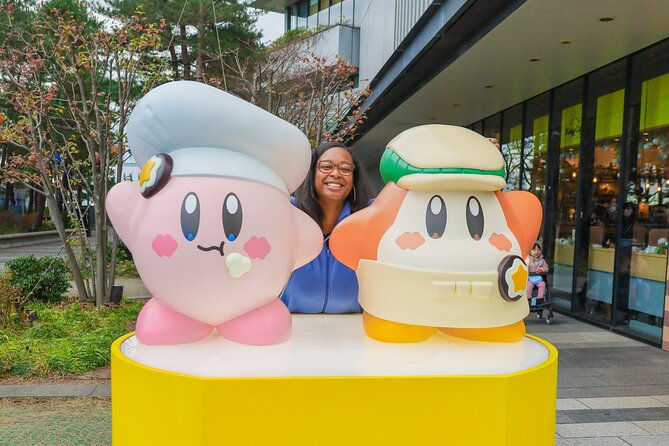
Your last named stop is Akihabara, about 1 hour. This is the district most associated with electronics plus anime and manga shops, often linked in people’s minds with the nickname Akiba.
Akihabara can be overwhelming on your own because the shopping is dense and the streets have a lot of options. With a guide, you can pick a direction that matches your interests instead of wandering until you hit sensory fatigue.
For this final hour, the value is in choosing the right lane quickly:
- Want gadgets and electronics? Focus your walking route on the storefront types that match what you’re after.
- Want anime and manga? Aim for the shops that sell the specific categories you care about.
- Want a mix? A guide can help you balance so you don’t spend the whole hour just lining up storefront after storefront.
Also, Akihabara is great for shopping that feels like Tokyo, not like anywhere else. Even if you don’t buy anything, seeing how the district is organized teaches you something about Tokyo’s consumer culture.
Watch-outs: If you dislike shopping crowds, set a pace early. A one-hour visit is enough to enjoy the atmosphere, but it’s not enough to do deep browsing at multiple large stores.
Pickup, Walking Pace, and the One Service Red Flag to Consider
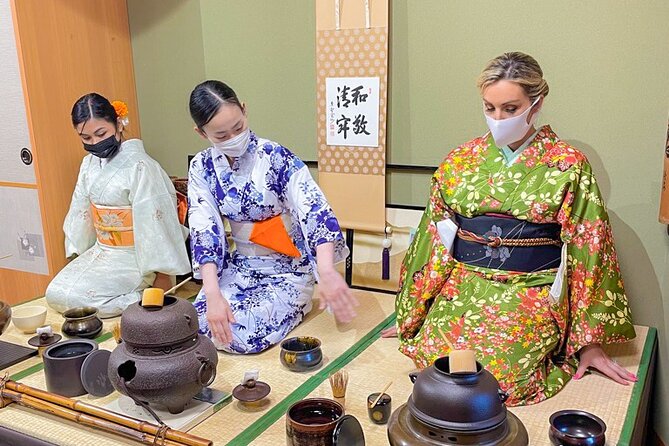
The tour includes pickup from your hotel or accommodation, and it’s designed as a private walking experience. That usually means less waiting around and fewer awkward moments when people on a shared tour wander off.
Still, no system is perfect. One low rating described an extremely negative situation where a guide reportedly left mid-tour, resulting in a missed service and a request for a full refund. I don’t know the details, but it’s enough of a red flag to take seriously if you’re planning something time-sensitive.
Here’s how I’d protect yourself without getting paranoid:
- Confirm your start time and pickup arrangement clearly before the day.
- Tell the guide what you most want to see in plain terms, especially if you have a hard deadline for dinner or another activity.
- If you have accessibility needs or mobility limits, communicate them early so the walking plan fits your group.
Most ratings for this tour are highly positive, and the overall recommendation rate is strong. But if your trip has no wiggle room, you’ll feel better going in with clear expectations.
Who This Tour Fits Best (And Who Should Look Elsewhere)
This tour fits best if you want a guided day that checks major Tokyo areas without you needing to plan every turn.
It’s a good match for:
- Small groups (up to 6) who want private attention
- First-timers who like the idea of seeing Tsukiji, Asakusa, Ueno, and Akihabara in one go
- People who prefer local guidance over map-reading stress
- Anyone who wants flexibility to choose between a sample plan and custom priorities
You might look for something else if:
- You want deep museum time at Ueno
- You expect all costs to be included in the base price
- You want a food-focused market day that includes tasting and longer hours beyond a single hour
Should You Book This Tokyo Private Tour?
If you’re traveling with friends or family and you want a guided, private half-day that covers four classic districts, I think this tour is worth serious consideration. The price can be very reasonable when split across up to 6 people, and the mix of flexibility plus expert guidance helps you use your limited time well.
My recommendation: book it if your top goal is smart sightseeing with a guide beside you. Avoid it if you’re chasing a long, in-depth market or museum experience, or if you need absolute certainty with zero margin for schedule hiccups.
If you do book, send your guide a short list of priorities before you meet. It turns a good tour into a personal one fast.
FAQ
FAQ
How long is the Tokyo private tour?
It’s listed as approximately 5 hours.
How many people can be in a group?
The tour price is per group for up to 6 people.
Is the tour private or shared?
It’s private, and only your group participates.
Is hotel pickup included?
Pickup at your hotel or accommodation is included.
Where does the tour start and end?
It starts near Shibuya Station (2 Chome-24) and ends back at the meeting point.
Which stops are included?
The plan includes Tsukiji Fish Market, Asakusa, Ueno, and Akihabara.
Are entrance fees included?
Not always. Paid entrance fees are not included, though the listed admission for these stops is free as presented.
What extra costs should I plan for?
Public transportation is listed at $5 per person, and lunch is not included. There may also be entrance fees to paid venues if you choose to visit them.
Is a mobile ticket used?
Yes, the tour includes a mobile ticket.
Can I cancel for a full refund?
Yes, there’s free cancellation, and you can cancel up to 24 hours in advance for a full refund.