REVIEW · TOKYO
Tokyo: Asakusa & Tokyo’s Oldest Temple Senso-ji Walking Tour
Book on GetYourGuide →Operated by Goen Japan · Bookable on GetYourGuide
Senso-ji turns Tokyo into a time machine. This 2-hour Asakusa walk is a focused way to see the neighborhood where Tokyo’s oldest temple and its classic street life still feel very real, led in English by guides such as Lax or Shoma. I love how the tour connects today’s landmarks to the temple’s roots going back to the 7th century, with big moments like the Kaminarimon Gate setting the tone right away.
I also love the built-in pace: you get a full hour on Nakamise Street, where you can stop for snacks and browse the traditional shopfronts without needing to plan anything. The group stays small (up to 10), so the guide can actually point things out instead of reciting facts at everyone from a distance. One drawback to consider: this is a tight loop around Asakusa, so if you want a tour that covers multiple Tokyo neighborhoods, this one may feel like it stays in a single pocket too long.
In This Review
- Key Things I’d Pay Attention To
- Why Asakusa and Sensō-ji Are a Smart First Old-Tokyo Choice
- Getting Started at 雷門交番 and the Kaminarimon Police Station
- Nakamise Street: Snacks, Souvenirs, and Edo-Era Feel for One Full Hour
- Sensō-ji Temple: The 7th-Century Core and a Timed Photo Moment
- Asakusa Beyond the Main Sights: Geisha Quarters, Shrines, and Neighborhood Change
- Price, Duration, and the Value of a Small Group
- What the Guides Do Well (And What to Expect From the Style)
- Photo and Souvenir Reality Check: How to Use the Time
- Who This Tour Is Best For
- Should You Book This Asakusa and Sensō-ji Walking Tour?
- FAQ
- How long is the Tokyo: Asakusa & Sensō-ji Walking Tour?
- Where does the tour start?
- Is the tour guided in English?
- How large is the group?
- What stops are included in the itinerary?
- What’s included in the price?
- What isn’t included?
- Can I cancel for a full refund?
Key Things I’d Pay Attention To
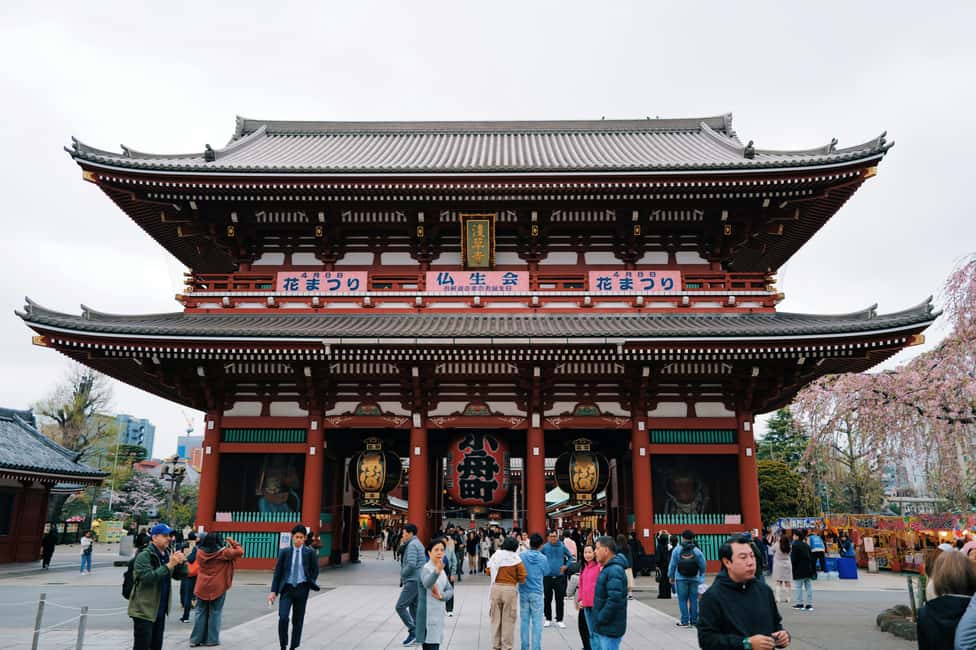
- Kaminarimon Police Station meeting point: you start right at the famous gateway area, so you’re near the action from minute one.
- Nakamise Street is scheduled time, not just a pass-through: an hour of shopping and street snacks keeps it fun.
- Photo stop at Sensō-ji: you’ll have time to frame the gates and temple sights before you move on.
- Small-group size (max 10): better chances to ask questions and hear stories clearly in English.
- Guide storytelling shapes what you notice: geisha-quarter tales, hidden shrines, and neighborhood change are part of the walk.
Why Asakusa and Sensō-ji Are a Smart First Old-Tokyo Choice
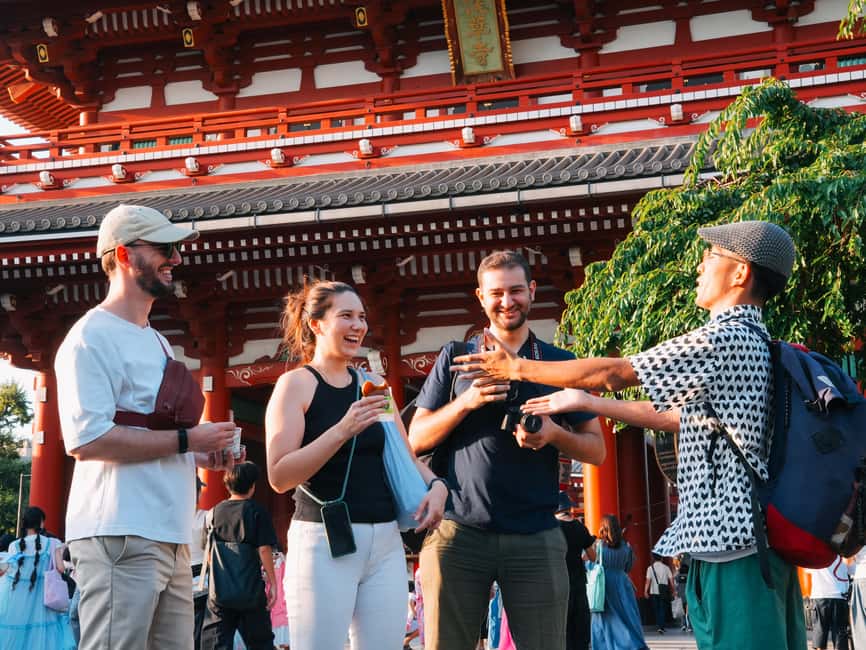
Asakusa is one of the easiest districts in Tokyo to understand fast. You don’t need special training, museum tickets, or a whole day of research. In a couple hours, you see how a major temple complex anchors street life, shop rows, and local traditions all at once.
Sensō-ji matters because it’s Tokyo’s oldest and most celebrated temple, with a history reaching back to the 7th century. That’s not just trivia. When you stand in the temple area and then walk back toward the shopping streets, the centuries start to feel like part of the same story instead of separate chapters.
This tour is also a good value for first-timers because it’s priced low and structured tightly: you’re paying mainly for a guide and a simple route. For $11 per person, the goal is clarity and access, not a long sightseeing marathon.
You can also read our reviews of more walking tours in Tokyo


Getting Started at 雷門交番 and the Kaminarimon Police Station
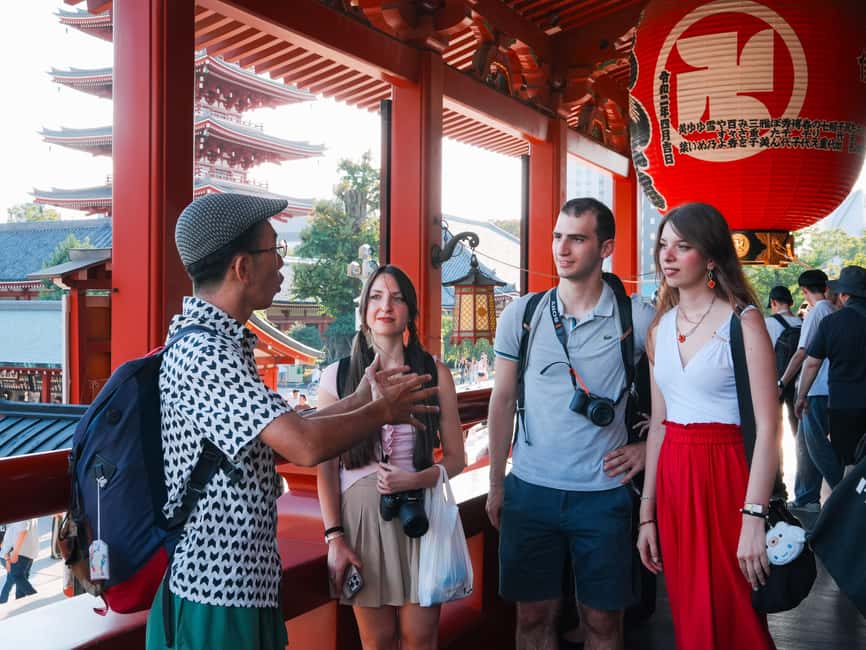
You meet up at KAMINARIMON POLICE STATION, which keeps things simple. There’s no complicated station hopping, no “meet by the fountain, but which fountain” stress. When a tour starts at a well-known landmark, you lose less time wandering and more time actually looking.
The route then anchors you immediately in the Kaminarimon area, which is a big deal for photos and atmosphere. If you’re aiming to see iconic gates and temple energy in a short window, starting here helps you hit the best moments without burning half your time just getting oriented.
One small practical note: because this is a walking tour with a fixed 2-hour duration, you’ll want to arrive on time so you don’t end up sprinting to catch the group.
Nakamise Street: Snacks, Souvenirs, and Edo-Era Feel for One Full Hour
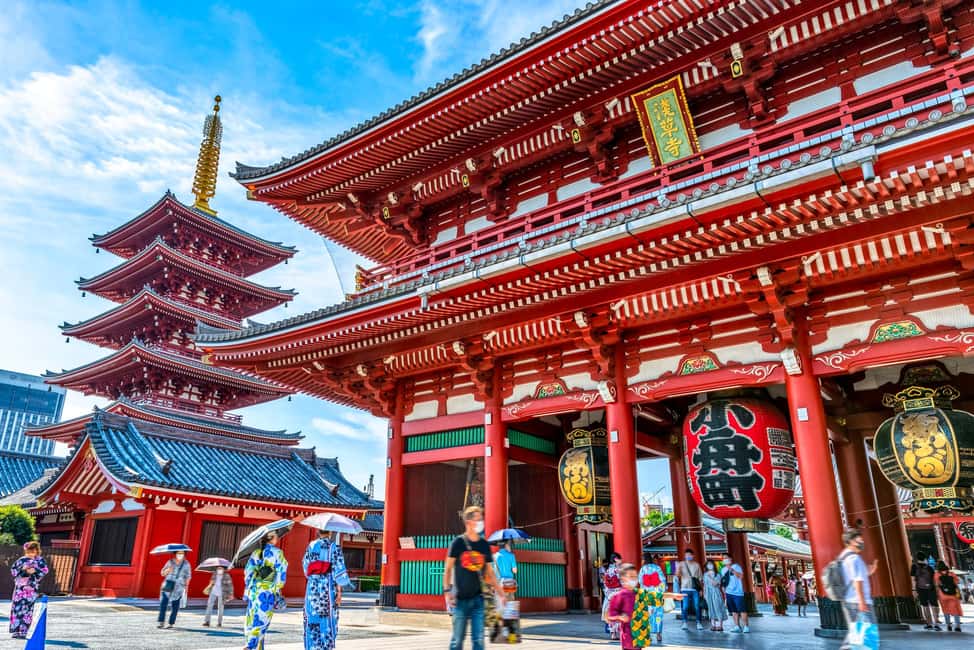
The first major stop after meeting is Nakamise Shopping Street, scheduled for about an hour. This is where Asakusa turns into sensory overload in the best way: the shopfronts, the lantern-style vibe, and the constant pull of street snacks.
Think of Nakamise as the district’s front porch. You’re not just passing through; you’re given time to browse, stop, and enjoy. For a lot of people, it’s the most “Tokyo” part of Asakusa experience because the street shopping is so tied to the temple pilgrimage rhythm.
Here’s why that matters for your trip: if you try to do Nakamise on your own, it’s easy to get distracted and spend too long zigzagging without a plan. With a guided tour, the hour feels purposeful. You can sample what looks good, take photos, and still move to Sensō-ji without your schedule collapsing.
Also, since the tour includes admission tied to Nakamise, you’re not scrambling to figure out fees or what’s covered. The guide handles the flow, and you focus on what you’re actually seeing.
Sensō-ji Temple: The 7th-Century Core and a Timed Photo Moment
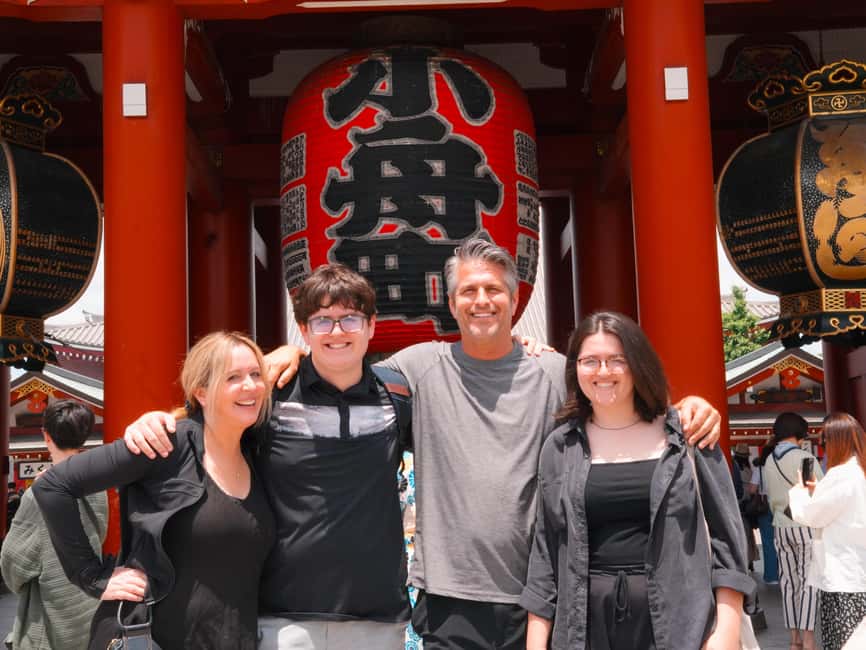
After Nakamise, the tour moves into Sensō-ji for about an hour. You’ll have a photo stop and time to visit the temple area and shop around there as well.
Sensō-ji is the kind of place where photos can work against you if you rush. The best approach is to use the scheduled photo moment as your anchor: get your big gate shots first, then slow down for the details. You’ll notice more once you’re not constantly thinking about whether you’ll miss the group.
What makes this stop more than “walk around a temple” is the guide storytelling. The tour includes history and legends tied to the temple and its role in Tokyo life over time. You also get cultural context that helps you interpret what you’re seeing instead of just taking pictures and moving on.
One more reason this stop is valuable: the temple experience can feel overwhelming on your own. When someone gives you a simple path—what to look for first, what to notice next—you end up with a better understanding in less time.
Asakusa Beyond the Main Sights: Geisha Quarters, Shrines, and Neighborhood Change
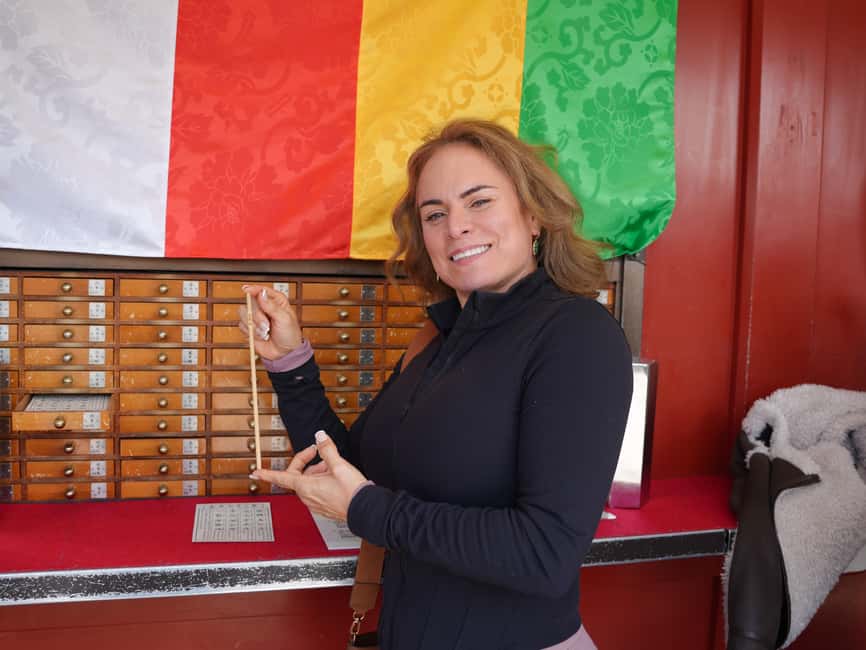
The final stretch is Asakusa, with about 80 minutes for visiting the area around the temple district.
This is where the walk becomes more than a checklist. The guide brings in stories about geisha quarters, hidden shrines, and how the neighborhood has transformed—from eras shaped by samurai power to post-war revival. Even if you only catch a few of those threads, you start to see the district as a living place, not a static postcard.
You’ll also get tucked-away spots that many first-time visitors miss. The difference is subtle but important. Main sights get you the headline. Side streets are where you get the texture: the everyday rhythm and a sense of what locals might do between temple visits and shopping trips.
If you’re the type who likes to understand how a place changed over time, this section is the payoff. You leave with a story you can retell, not just images.






Price, Duration, and the Value of a Small Group
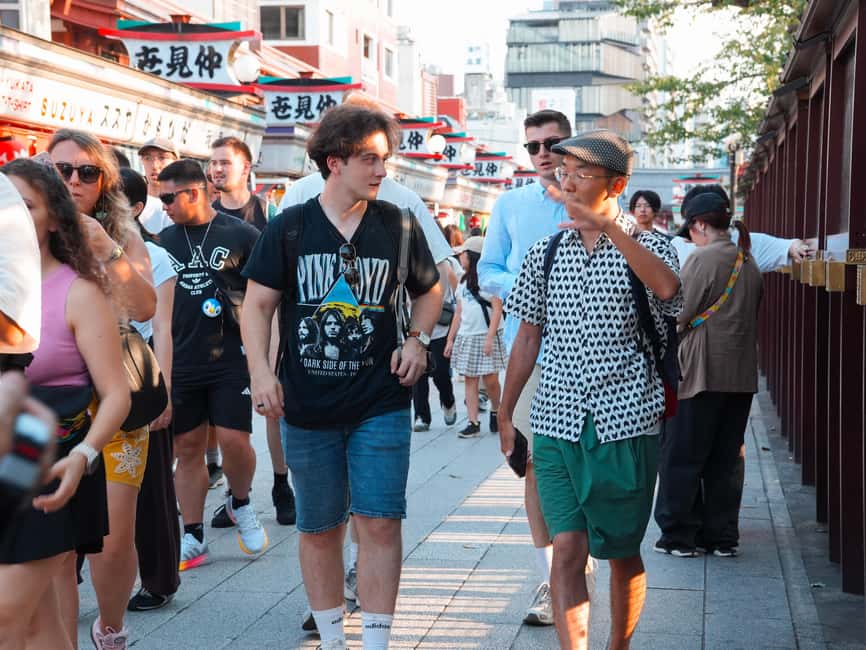
Let’s talk about the practical side: $11 for 2 hours is cheap for an English live-guide experience. The math works because the tour is focused on one area—Asakusa—so you’re not paying for long transit time across the city.
A lot of budget tours fail when they rush you through the highlights. This one is short, but it doesn’t feel like a speed-run. You get time allocated for Nakamise, time at Sensō-ji, and then extra time to walk through Asakusa. That’s a meaningful distribution for a 2-hour format.
Small-group size also affects the experience. The tour limits group size to 10 participants, which usually means the guide can adjust explanations, and you can hear details without straining. In the feedback for this tour, guides like Lax and Shoma are praised for being friendly, clear, and passionate, and that matches what you want from a low-cost walk: someone who makes the facts feel human.
Where the value can drop for you is if you crave lots of variety. Because it stays concentrated in Asakusa, it’s best as an introduction or a single highlight. It’s not designed to be your entire Tokyo day.
What the Guides Do Well (And What to Expect From the Style)
The big theme across guide feedback is energy and clarity. Names that come up include Lax and Shoma, both described as knowledgeable and engaging. The descriptions also emphasize that the guide’s English is easy to follow, with helpful context about Japanese culture and how it differs from Anglo ways of thinking.
In plain terms, the guide is doing more than pointing. They’re shaping how you notice. You’ll likely walk away understanding why specific temple-and-street elements matter, rather than just knowing the names.
Still, there’s a reasonable consideration: because the tour stays in one location, it relies on the guide to keep the group connected to the story as you go. One feedback note flagged that a tour could be more engaging if the guide tied facts more directly into what you’re seeing. If that’s your style—if you want lots of interactive narrative on every step—check that the guide is known for storytelling or ask a question early on to get the best momentum.
Photo and Souvenir Reality Check: How to Use the Time
This tour is naturally photo-friendly. You get a photo stop at Sensō-ji, and you’ll be walking through visually strong spaces like Kaminarimon and Nakamise.
The best way to avoid a photo regret is to decide your priorities before you shop. Are you mainly after temple architecture shots, street-life photos, or souvenirs you can carry easily? If you’re doing both photos and snacks, give yourself room to actually enjoy Nakamise rather than treating it like a dash-and-grab market.
Also, since the tour includes time for shopping, don’t feel guilty if you stop. The schedule assumes you’ll want to browse.
Who This Tour Is Best For
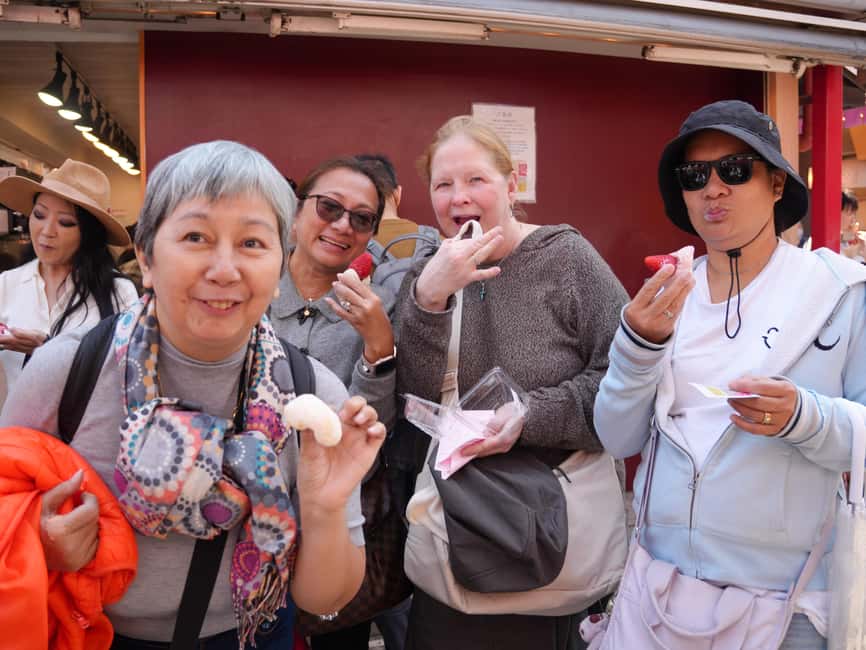
This works especially well for:
- First-time Tokyo visitors who want an easy entry into old Tokyo culture
- People who like history with clear explanations, not just place names
- Travelers who enjoy food-and-shopping streets but want context alongside them
- Anyone who prefers a short tour with a guide rather than plotting routes alone
It’s less ideal if:
- You want to cover lots of different Tokyo neighborhoods in one day
- You strongly prefer long, deep temple study over a walking overview
- You expect the tour to feel like a full-city tour with major variety
Should You Book This Asakusa and Sensō-ji Walking Tour?
If you’re going to Asakusa anyway, booking this is a straightforward win. You’ll get structure, time where it counts (Nakamise and Sensō-ji), and a guide who can turn the sights into a story you understand.
I’d especially recommend it if:
- Your schedule is tight and you want a well-paced old-Tokyo introduction
- You want to learn legends and cultural context without doing homework
- You like small groups and want an English-speaking guide who can explain clearly
If you’re planning a full Tokyo itinerary with multiple districts and neighborhoods, consider this tour as your “Asakusa chapter,” not your whole book. In other words: great when used with other Tokyo highlights, but it’s intentionally concentrated.
If the idea of walking Kaminarimon → Nakamise → Sensō-ji → deeper Asakusa sounds like your kind of day, this is a sensible, low-stress way to do it.
FAQ
How long is the Tokyo: Asakusa & Sensō-ji Walking Tour?
The tour lasts 2 hours.
Where does the tour start?
You meet at KAMINARIMON POLICE STATION.
Is the tour guided in English?
Yes, the live tour guide speaks English.
How large is the group?
The group is a small group limited to 10 participants.
What stops are included in the itinerary?
The tour includes Nakamise Shopping Street, Sensō-ji Temple, and time to visit Asakusa.
What’s included in the price?
It includes the guide, a walking tour, and admissions to Asakusa, Nakamise Shopping Street, and Sensō-ji Temple.
What isn’t included?
Hotel pick up and drop off are not included.
Can I cancel for a full refund?
You can cancel up to 24 hours in advance for a full refund.