REVIEW · TOKYO
Tokyo: Premium Go-Kart Tour with Tower & Shibuya Crossing
Book on GetYourGuide →Operated by Monkey Adventure Kart · Bookable on GetYourGuide
Tokyo at kart speed beats the usual sightseeing shuffle. You get a street-level view of the city’s biggest spots, from Shibuya Crossing energy to Tokyo Tower backdrops, all led by a guide who keeps things moving and safe.
I especially like how well-run the whole experience feels. The English-speaking instructors coach you from the first second, and guides like Gus and Ren are repeatedly praised for clear signals, tight group control, and making the ride feel fun instead of chaotic.
My main consideration is the driving setup: you need a valid license plus a hard-copy 1949 Geneva Convention IDP (online versions won’t work), and the tour can be affected by rain. If you meet those requirements, it’s an easy yes.
In This Review
- Key things that make this go-kart tour work
- Tokyo’s Go-Kart Tour: Why Shibuya Feels Different When You Drive It
- The Real Deal for Driving Licenses and IDP Rules
- Meeting Point and the Safety Briefing That Sets the Tone
- Roppongi and Omotesando: Street Views You Can’t Get From the Sidewalk
- Tokyo Tower: The Backdrop Moment That Makes the Ride Worth It
- Shibuya Crossing: When the City’s Most Famous Corner Meets Kart Speed
- Costumes and Photo Delivery: Built-In Fun Without Extra Hassle
- How Long You’ll Be Riding and Why the Pace Feels Right
- What the Tour Includes (and What You Should Plan For)
- Price and Value: Is $116 a Good Deal for Tokyo?
- Should You Book This Tokyo Go-Kart Tour?
- FAQ
- How long is the Tokyo go-kart tour?
- Do I need an International Driving Permit (IDP) to drive?
- What kind of IDP permits are not recognized in Japan?
- How big is the group?
- Are costumes included?
- Are photos included?
- Is an action camera included?
- What if it rains?
- Who is this tour not suitable for?
Key things that make this go-kart tour work
- Small group (up to 8) helps you stay together and keeps the pace snappy
- Traffic-managed route with an English-speaking guide so you can focus on driving
- Costume options add a playful layer without feeling silly or complicated
- Photo service included: guided photo capture, a hard copy photo, plus AirDrop or email delivery
- Tokyo Tower + Shibuya Crossing from open-kart street level, not from a bus window
- Fast-feeling segments: some routes can reach around 50 km/h, with guidance to match the speed
Tokyo’s Go-Kart Tour: Why Shibuya Feels Different When You Drive It
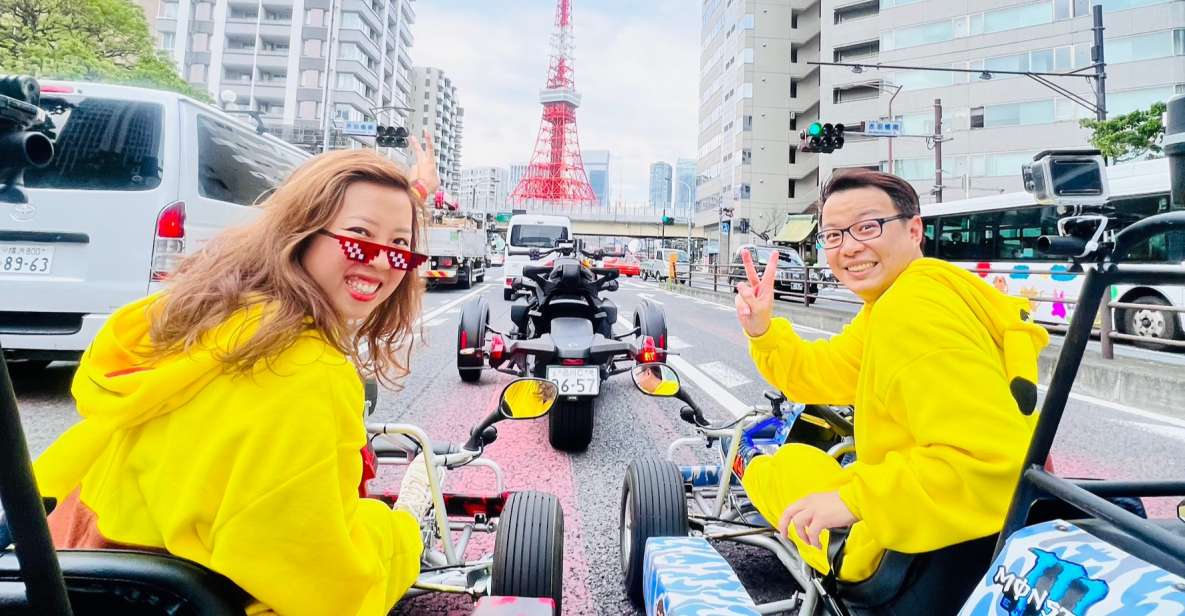
Tokyo is easy to photograph but harder to feel. This kind of go-kart tour flips the script. You’re not just looking at famous corners. You’re moving through them—slow enough to notice details, fast enough to feel that jolt of adrenaline.
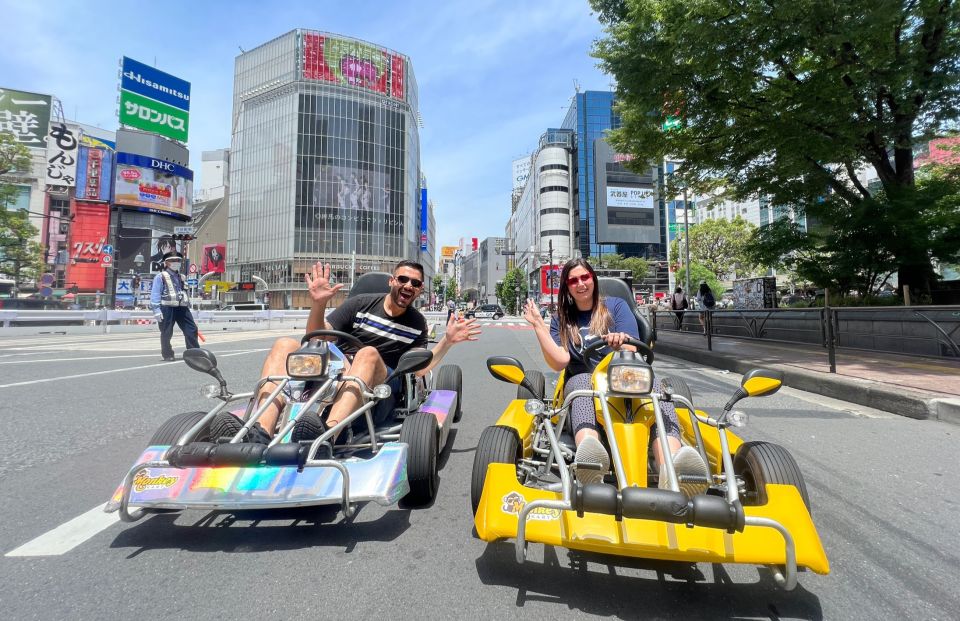
The big draw is the route’s focus on recognizably iconic areas. You’ll spend time in neighborhoods like Roppongi and pass through stylish stretches such as Omotesando. Then you hit the headline moments: Shibuya Crossing and a pass by Tokyo Tower. Walking tours can show you where these places are. A kart gets you there in a way that feels like a real-life action scene.
And yes, people often describe it like a video game. That’s not just hype. When your guide times stops at key moments and uses clear hand signals, you get the wow factor without the usual stress of trying to navigate crowds or traffic on your own.
You can also read our reviews of more tours and experiences in Tokyo.



The Real Deal for Driving Licenses and IDP Rules
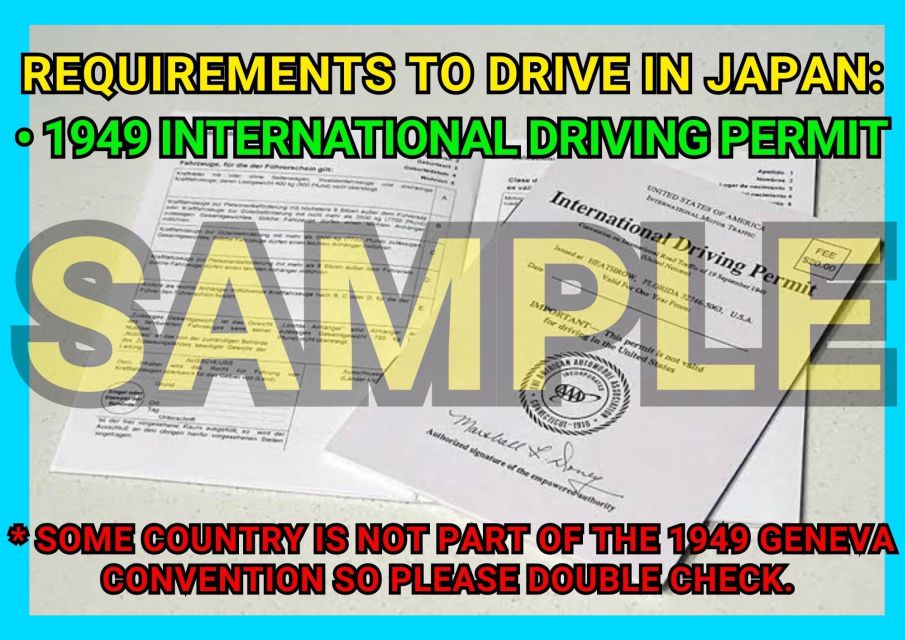
Let’s talk paperwork, because this part matters more than people expect. To drive in Japan, you must hold a valid driving license in Japan with the required international permit format. The tour specifically requires a hard-copy paper booklet for a 1949 Geneva Convention IDP issued through the official agency in your home country.
A few key rules are spelled out clearly:
- Online or soft-copy IDPs aren’t accepted.
- Some permit types aren’t recognized (the tour lists 1968 Vienna Convention, FIA, IDA, and IAA permits as not recognized).
- If your license is from certain countries (France, Switzerland, Taiwan, Germany, Monaco, Belgium), Japan requires a Japanese translation, which you can obtain via the JAF office.
- Some countries’ permits aren’t allowed for driving in Japan, so you should double-check before you travel.
Practical advice from the ground: if you’re unsure what you have, verify before you arrive. A lot of last-minute travel panic happens over “almost right” documents. Don’t be that person.
Also note the tour is over 18s only, and it’s not suitable for pregnant women. If you don’t have a driver’s license that works with the IDP rules, you can’t do this one.
Meeting Point and the Safety Briefing That Sets the Tone
Your experience starts at a meeting point that can vary depending on the option you book. When you arrive, the staff welcome you and run through a thorough safety briefing. This isn’t a quick nod-and-go type of setup. You’ll learn what the controls do, what the guide expects, and how the group will handle movement through city traffic.
This matters because you’re riding an open kart in real streets. The goal is to keep you in the fun zone, not the worry zone. In feedback, guides like Shin, Andreas (sometimes spelled Andres), and Lewis are praised for making riders feel safe while still letting them enjoy the adrenaline.
Expect traffic flow management. An experienced, English-speaking guide rides ahead and leads the route, coordinating pace and timing while keeping the group together. You’re not white-knuckling every intersection—you’re following a system.
Roppongi and Omotesando: Street Views You Can’t Get From the Sidewalk
Once you’re geared up and cleared, the tour moves through major Tokyo areas designed for maximum “I’m really here” impact. Roppongi gives you that unmistakable Tokyo urban rhythm—wide sightlines, nightlife-adjacent energy, and lots of photo-ready angles from street level.
Then there’s Omotesando, which tends to feel more stylish and design-forward than many other areas. This is where the kart perspective clicks. You’re at the height of pedestrians but moving through the same lanes vehicles use. That makes it feel faster and more immediate than being stuck behind a crowd.
A nice detail: even when you come to stops, you’re not just idling. Guides often time lights and pauses so the group remains together and ready to move. Some riders specifically mention guides keeping them positioned for key moments at red lights, which is exactly when good photos and the best “look at me” city shots happen.
Tokyo Tower: The Backdrop Moment That Makes the Ride Worth It
Tokyo Tower is one of those landmarks you’ve seen a hundred times in photos. Here, it’s different because it’s not a distant viewing spot. You pass by it from the street in an open kart.
That changes the vibe. The tower becomes a moving backdrop, something you’re threading through as you drive. It also breaks up the route—so you’re not just chasing one big crossing and then burning out.
And because the tour includes photo capture, this is the kind of place where you’ll want to be ready for a quick stop and instructions from your guide. Guides trained in photography handle the key moments, which means you can focus on riding instead of juggling your phone every 20 seconds.



Shibuya Crossing: When the City’s Most Famous Corner Meets Kart Speed
Shibuya Crossing is the headline, and you go there for a reason. It’s where Tokyo’s scale becomes obvious. It’s also where the “real-life video game” feeling really lands.
The tour’s Shibuya segment is designed to get you right up in the action while still keeping things controlled. The guide manages the route, and the group stays together so the whole experience feels smooth rather than scattered.
What makes Shibuya especially fun in a kart is the contrast: you’re surrounded by crowds and landmarks, but you’re doing it from a riding perspective—faster, louder in your own head, and more personal than standing on the sidewalk.
One practical note from ride feedback: some people worry about how locals react. In the feedback I saw, people reported that motorists and pedestrians often waved and reacted positively. Still, you should assume it’s a busy public place and ride with extra calm and extra care. Your guide’s signals should be treated like the rules of the road, not suggestions.
Costumes and Photo Delivery: Built-In Fun Without Extra Hassle
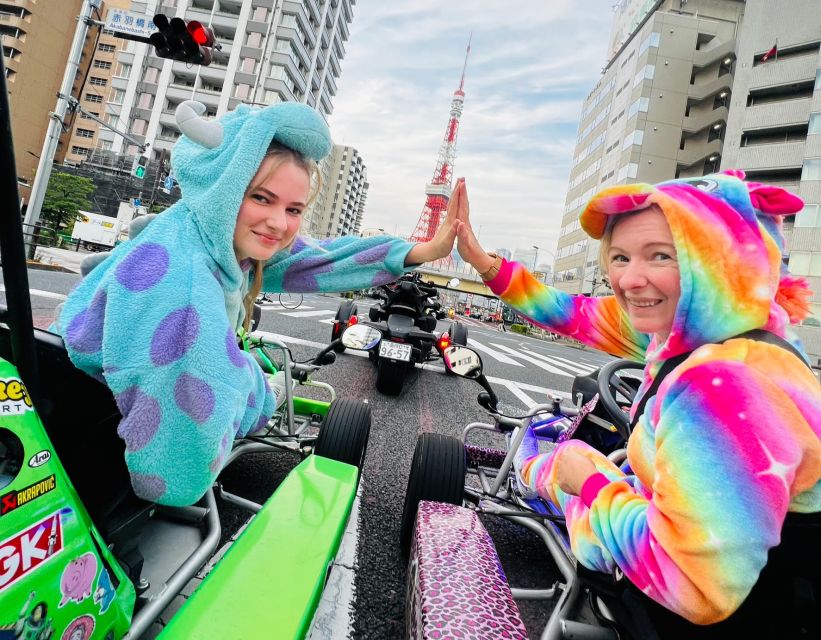
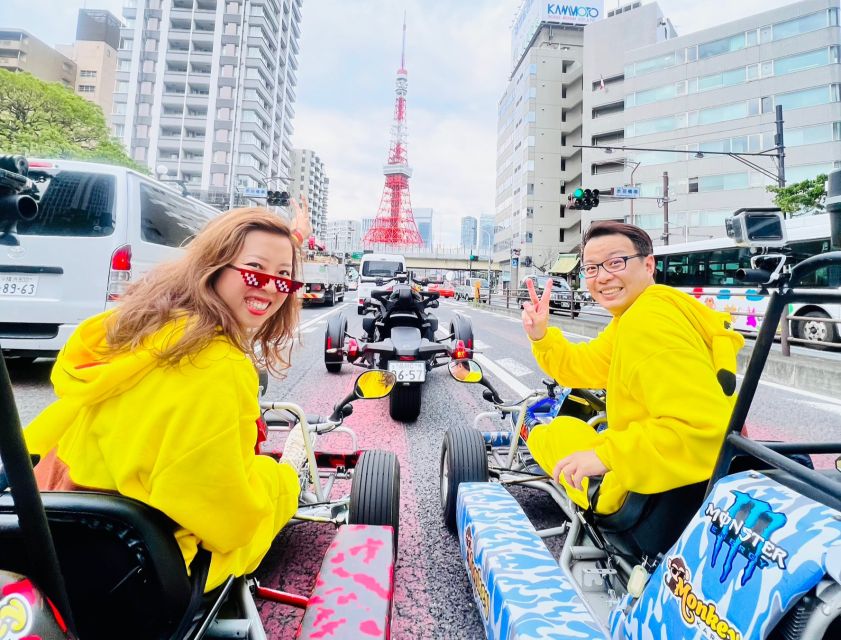
This is a premium-style tour partly because it bundles the “make it memorable” extras. You can choose from selection of cute costumes, which adds an instant sense of play. It also makes your photos more fun without requiring you to plan costume logistics for Japan.
Photo service is another major value driver. A guide trained in photography captures high-quality images at key locations. You get one hard copy photo as well, and your full photo set is shared afterward via AirDrop or email.
Some riders even mention guides helping with additional photo sharing methods after the ride. That’s the benefit of having a dedicated team mentality: you’re not just being told how to drive. You’re being helped to capture the moment.
There can be a trade-off. One rider noted petrol fumes from the kart in front. That’s not shocking given the setup, but it’s a good heads-up: if you’re sensitive to smells, you may want to be mindful of your position and fresh air whenever you get a brief stop.
How Long You’ll Be Riding and Why the Pace Feels Right
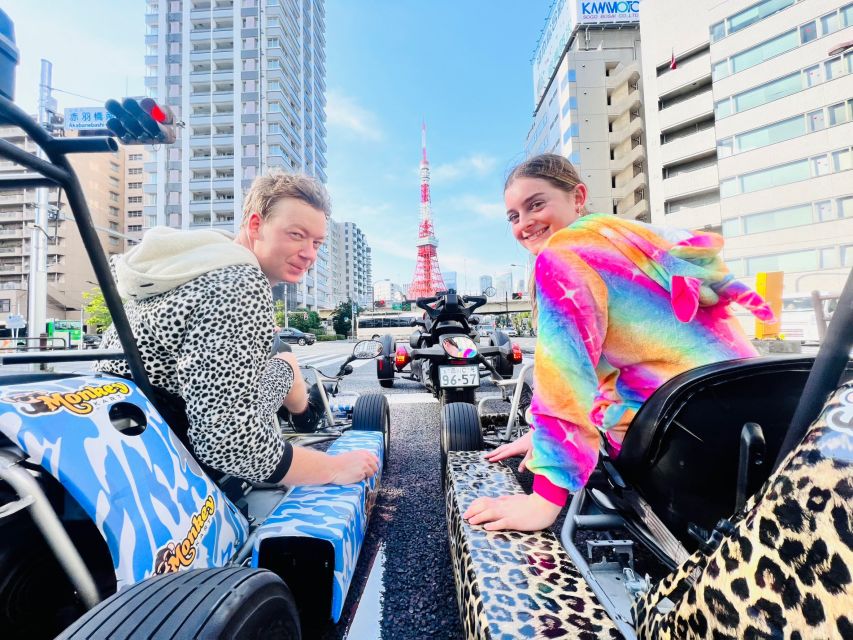
The ride time runs about 75 to 105 minutes. That’s long enough to feel like an actual experience and short enough that you’re not cooked by the time you get to Shibuya.
You’ll generally get a mix of:
- Driving stretches where speed feels exciting
- Slower coordination moments where your guide keeps the line tight
- Photo stops at high-impact locations
Some riders report the experience can feel fast-paced, with stretches reaching up to about 50 km/h. Others mention a fast tunnel section. You might find those in certain runs depending on route and traffic patterns, but the key point is this: you’re not stuck in a slow parade.
Group size helps here too. Limited to 8 participants, it’s easier to keep the rhythm, and your guide can correct spacing quickly.
If you’re wondering whether it will feel intimidating: feedback repeatedly notes that guides check in and explain the hand signals clearly. That’s why first-time drivers can often handle it better than expected.
What the Tour Includes (and What You Should Plan For)
Included in the experience:
- Instructor/guide
- Go-kart
- Petrol
- Photos
- Costumes
- One hard copy photo
- Action camera or Insta 360 mount
Not included:
- Action camera (so you should not expect to rely on your own device being replaced or provided)
- Bluetooth speaker
If you want to bring your own action camera, you’ll need to handle that separately. For most people, the built-in photo capture is the better play—less gear, fewer distractions, more time enjoying the ride.
Also keep in mind: the tour may be rescheduled due to rain. Tokyo weather can change fast, and this activity can be sensitive to conditions. If you’re scheduling around a tight itinerary, consider booking the time slot that gives you the most flexibility.
Price and Value: Is $116 a Good Deal for Tokyo?
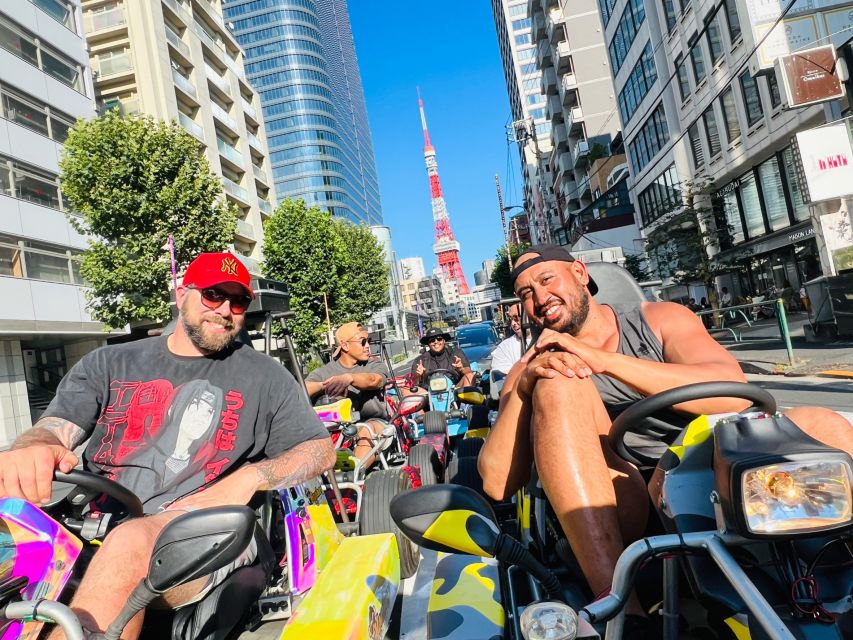
At $116 per person, this isn’t the cheapest thing in Tokyo. But it is priced like an experience with real add-ons: a guided kart ride through top areas, traffic coordination, and professional photo capture.
Here’s how that value math works for you:
- You get a guided setup, not “rent and figure it out.” In a city as complex as Tokyo, that’s worth real money.
- You’re paying for access to iconic sights from a unique angle. Shibuya Crossing and Tokyo Tower from an open kart is hard to replicate any other way.
- Photos are built in. That removes the time pressure of taking your own pictures constantly while you drive.
- A costume option is included, which boosts the fun factor instantly.
For groups, this can be a great value play because you’re splitting the experience, not just buying a single attraction. If you’re coming with a friend or partner, it often lands as one of the most memorable activities of the trip because it combines movement, comedy, and city glamour in one package.
Should You Book This Tokyo Go-Kart Tour?
Book it if you want a Tokyo highlight that feels active, funny, and different from the standard “walk and point” day. You’ll likely enjoy it most if you:
- Have the correct hard-copy 1949 IDP and a valid license
- Want Shibuya Crossing and Tokyo Tower as more than just photo backdrops
- Like adrenaline without wanting to manage traffic or navigation yourself
- Care about photos and would rather let the guide handle the camera moments
Skip or rethink if the driving paperwork feels uncertain, if you’re very sensitive to smells (petrol fumes can happen), or if you’re booking during a period where rain is likely and your schedule can’t flex.
If you can meet the driving rules and your timing has some wiggle room, this is one of the most straightforward ways to turn Tokyo from a destination you visit into a city you actually ride through.
FAQ
How long is the Tokyo go-kart tour?
The duration is listed as 75 to 105 minutes, depending on the starting time option.
Do I need an International Driving Permit (IDP) to drive?
Yes. You need a valid license plus a hard-copy 1949 Geneva Convention IDP issued in your home country. Online or soft copies are not valid.
What kind of IDP permits are not recognized in Japan?
The tour states that 1968 Vienna Convention, FIA, IDA, and IAA issued permits are not recognized by Japan.
How big is the group?
It’s limited to a small group, capped at 8 participants.
Are costumes included?
Yes. Costumes are included, and you can choose from a selection.
Are photos included?
Yes. Photos are included, and after the tour the photos are shared via AirDrop or email. One hard copy photo is also included.
Is an action camera included?
The activity includes an action camera or an Insta 360 mount, but an action camera itself is listed as not included. Plan on using the tour’s photo service rather than relying on your own camera being provided.
What if it rains?
The tour may be rescheduled due to rain.
Who is this tour not suitable for?
It is not suitable for pregnant women, and it requires participants to have a driver’s license.