REVIEW · TOKYO
Tokyo: Pvt. Tour – Edo Castle & Imperial Palace East Gardens
Book on GetYourGuide →Operated by gotcha Corporation · Bookable on GetYourGuide
Walking here feels like time travel. This private tour threads together Edo Castle ruins and the Imperial Palace East Gardens, with a real human guide who makes the place make sense fast. You start near Otemachi at Wadakura Fountain Park, then step into a quieter pocket of Tokyo where the story of power in Japan feels close enough to touch.
What I like most is the mix of hard, physical history and garden beauty. You walk past the old castle-style stone walls and moats, then slow down in the Ninomaru Garden, where the guide explains what you’re looking at as the seasons shift (cherry blossom season can be magical, but timing matters). Guides such as Hiroshito and Yoshi-san stand out in particular for clear English and story-telling that keeps you oriented without turning it into a lecture.
One drawback to plan around: this tour does not go inside the Inner Palace (and you also need to expect a baggage inspection once you enter the grounds). If you’re hoping to get that emperor-residence viewpoint, you’ll want a different option.
In This Review
- Key highlights you’ll feel right away
- Why Edo Castle Ruins + East Gardens Work Better Together
- Meeting at Wadakura Fountain Park: Find the Guide Without Stress
- Edo Castle Main Gate and Guardhouse: The Story Starts at the Threshold
- Ruins of Edo Castle: Stone Walls, Moats, and the Scale You Can Feel
- Ninomaru Garden: Seasonal Color With a Human Explanation
- Imperial Palace East Gardens: What You Can See (and the One Big Limit)
- A note that matters for shoppers: knives and security rules
- The Private-Guide Difference: Pace, English, and Follow-Up Questions
- Price and Value: Is $63 for 2 Hours Reasonable?
- Who Should Book This Tour (and Who Might Skip It)
- Should You Book It? My Practical Take
- FAQ
- Does the tour include the Inner Palace?
- How long is the tour?
- Is this a private tour?
- Where do I meet my guide?
- Will I need to go through a baggage inspection?
- Are seasonal flowers guaranteed to be in bloom?
- Is free cancellation available?
Key highlights you’ll feel right away
- A private, 2-hour pace: your group moves together, not with a crowd.
- Edo Castle remnants: stone walls, moats, and keep-scale history you can actually see.
- Ninomaru Garden seasonal focus: cherry blossoms, irises, or autumn leaves, depending on timing.
- Strong guide storytelling: examples include Yoshi-san and Mr. Masahito, who explained buildings and answered questions on the spot.
- East Gardens only: you get access to the grounds, not the Inner Palace.
Why Edo Castle Ruins + East Gardens Work Better Together
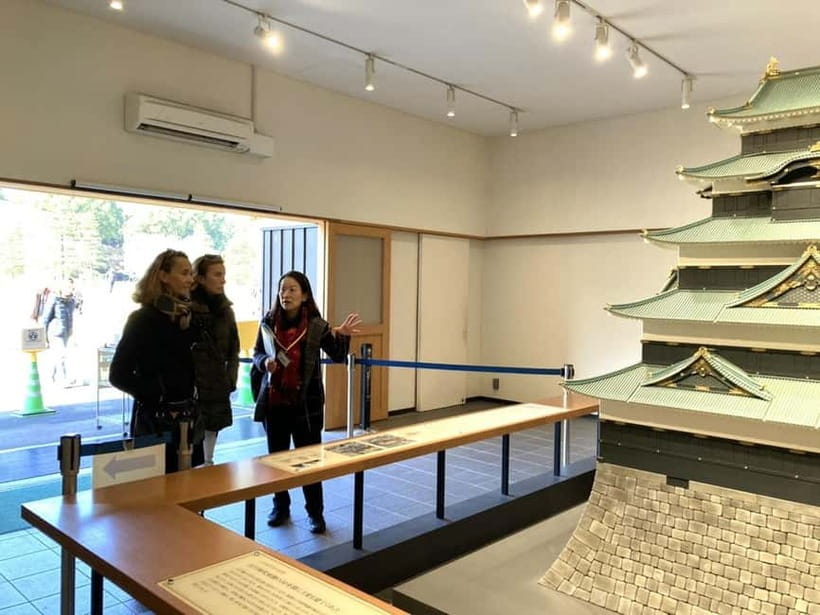
Tokyo can feel like a blur: stations, skyscrapers, neon, repeat. This tour offers a clean break from that. In just two hours, you get both the “built power” side of the story (the castle’s walls and moat system) and the “managed beauty” side (the East Gardens and Ninomaru Garden).
The key is that the garden isn’t treated like decoration. You’re guided to notice how the land was shaped around history—because the East Gardens sit on what used to be Edo Castle grounds. That turns a pleasant walk into a sense-making experience. You’ll understand why certain views matter, why certain paths feel intentional, and why the architecture and landscaping are linked.
You can also read our reviews of more tours and experiences in Tokyo.



Meeting at Wadakura Fountain Park: Find the Guide Without Stress
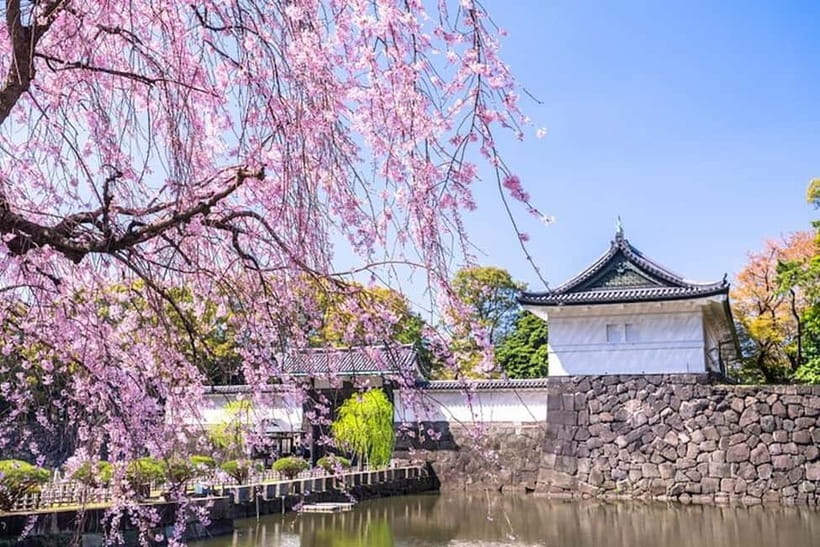
You meet your English-speaking guide in front of Starbucks in Wadakura Fountain Park. From there, it’s easy walking to the Imperial Palace-area sights. Look for a sign board that says gotcha.
Practical timing notes help here:
- It’s about a 3-minute walk from Tokyo Metro Otemachi Station exit D2.
- It’s about a 10-minute walk from Tokyo Station Marunouchi central exit.
If you’re staying near Tokyo Station or Otemachi, this is one of those rare tours that doesn’t swallow your morning with complicated transfers. You’ll show up, meet your guide quickly, and start moving.
Edo Castle Main Gate and Guardhouse: The Story Starts at the Threshold
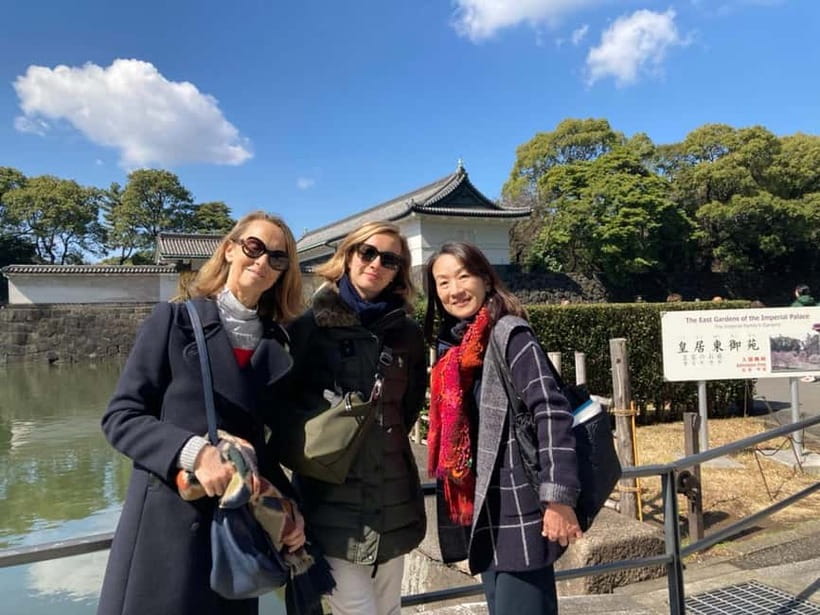
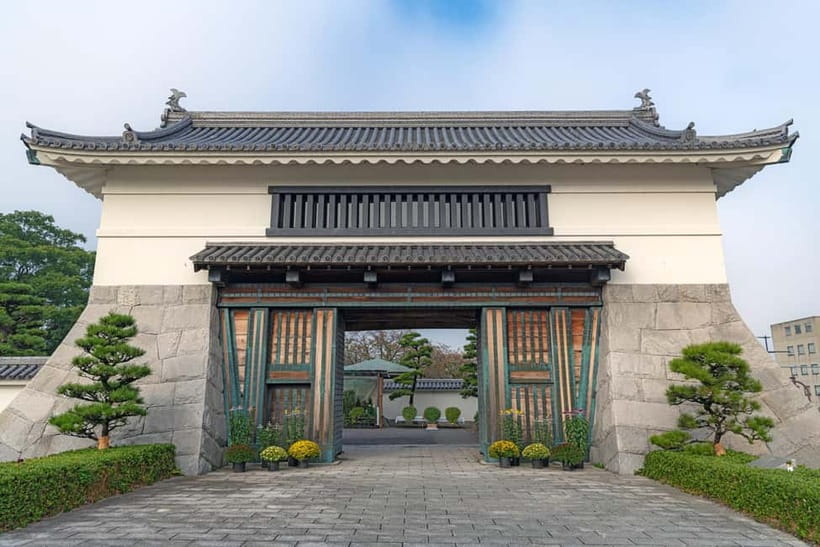
The first big shift happens when you reach the historic Main Gate with its traditional guardhouse. This is where the tone changes from modern Tokyo to the rules of feudal-era control. Gates like this weren’t just entrances; they were choke points, checkpoints, and visual statements of authority.
Your guide’s job here is simple and valuable: point you toward the details you might miss if you wander alone. Even when the actual structures are gone, you still get the sense of how the area was defended and organized. You’ll also get the “old meets newer security” feel, which is a good reminder that history doesn’t freeze. It gets managed.
Ruins of Edo Castle: Stone Walls, Moats, and the Scale You Can Feel
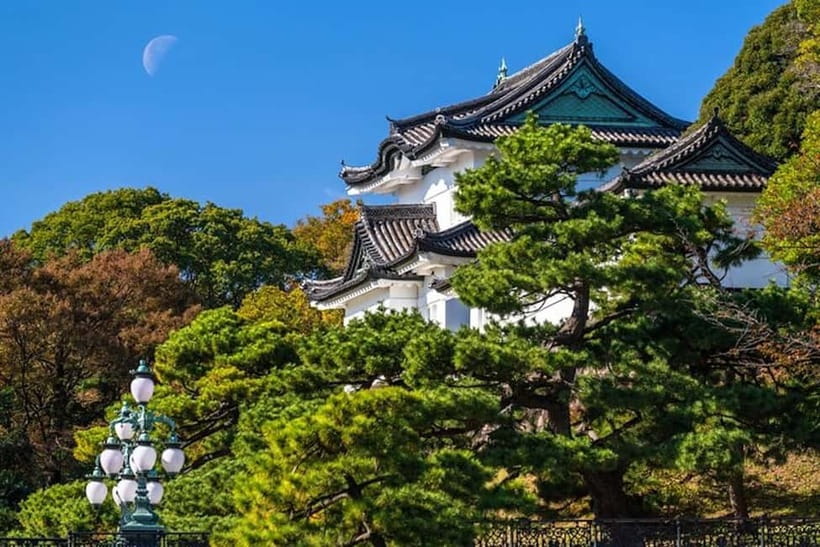
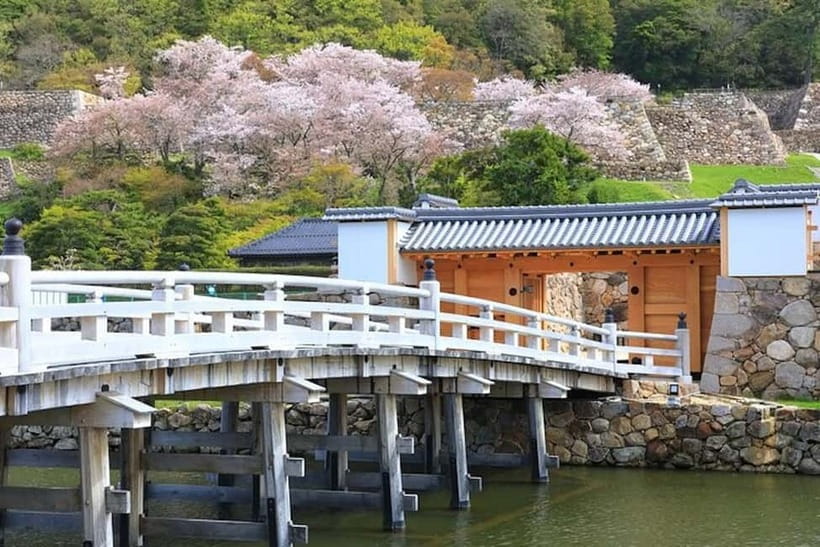
Next comes the most tangible part of the Edo Castle story: the ruins. You’ll see ancient stone walls, moats, and the general scale of the massive keep area. The keep is long gone, but your guide helps you picture how imposing it must have been.
Here’s why this works: moats and walls are not abstract. They’re big, physical design choices. When you stand where those defensive features were built to operate, you get a better sense of strategy—where movement would have been controlled, what areas would have been visible, and why the castle had to be engineered for strength.
I like this section because it’s not just photos. You’re walking through history in a way that makes the geography matter. And because it’s guided, you’re less likely to come away with a vague “cool ruins” feeling.
Ninomaru Garden: Seasonal Color With a Human Explanation
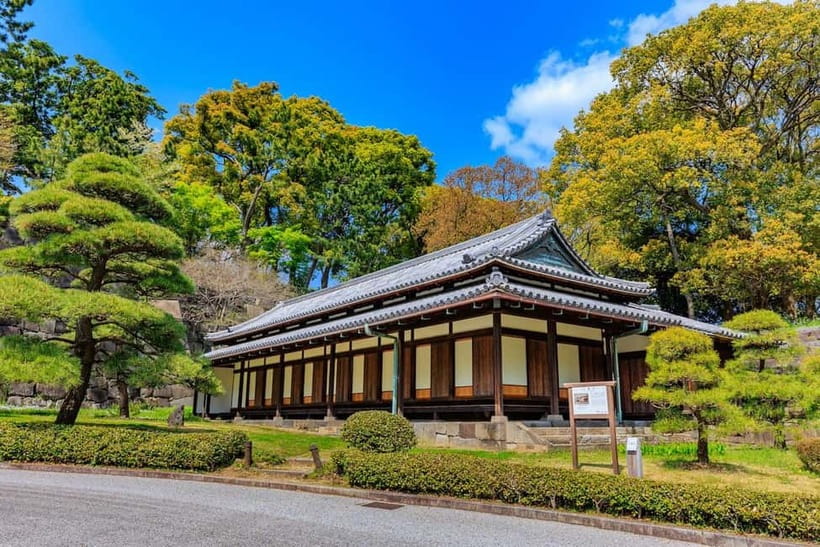
Then you settle into the Ninomaru Garden, a traditional Japanese garden designed for seasonal change. The garden’s seasonal “cast” is part of the pitch: cherry blossoms in spring, irises in summer, and autumn leaves in fall.
Two things to keep your expectations realistic:
- Seasonal timing isn’t something a guide can fully control.
- If your trip lands outside peak bloom, the garden still looks beautiful, but the highlight flowers may be less dramatic.
That said, guides do their best to make the most of what’s actually there. One common theme in the guide feedback is how they helped people enjoy the garden even when blossoms weren’t at full peak. So you can go in expecting a thoughtful interpretation, not a guarantee of perfect weather-flower timing.
If you’re the kind of person who slows down for small details, this is your section. Your guide often points out what to notice in the planting and garden layout, and some guides have even shared interesting pond-life notes you might spot along the way (like koi discussions). It turns a stroll into a guided “how to look” lesson.






Imperial Palace East Gardens: What You Can See (and the One Big Limit)
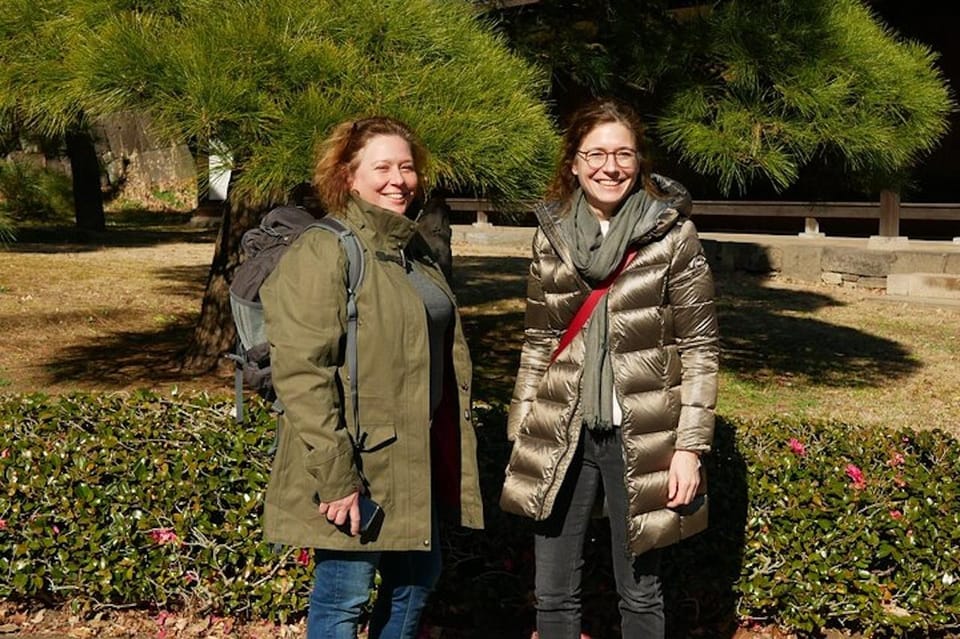
This is the heart of the tour: a guided walk through the Imperial Palace East Gardens. You’ll be focused on views, landscaped spaces, and historical context tied back to the Edo era.
The crucial boundary is clear: this tour does not include the palace where the Emperor resides, and it is not possible to enter the Inner Palace on this tour. You’re experiencing the grounds and the East Gardens portion, not getting that inside-the-residence access.
Plan for the on-site process. Upon entering the Imperial Palace grounds, visitors are subject to a baggage inspection. That’s normal, but it can add a few minutes of waiting depending on the day. I recommend wearing comfortable shoes and being ready to pause calmly if they ask you to re-check items.
A note that matters for shoppers: knives and security rules
If you plan to buy Japanese knives or other items that could be used as weapons at nearby areas (like Tsukiji or Asakusa, or anywhere similar), the tour instructions say to leave them in a coin locker or similar storage before the meeting. This is one of those “do it once and forget it” rules. Following it will save you stress later.
The Private-Guide Difference: Pace, English, and Follow-Up Questions
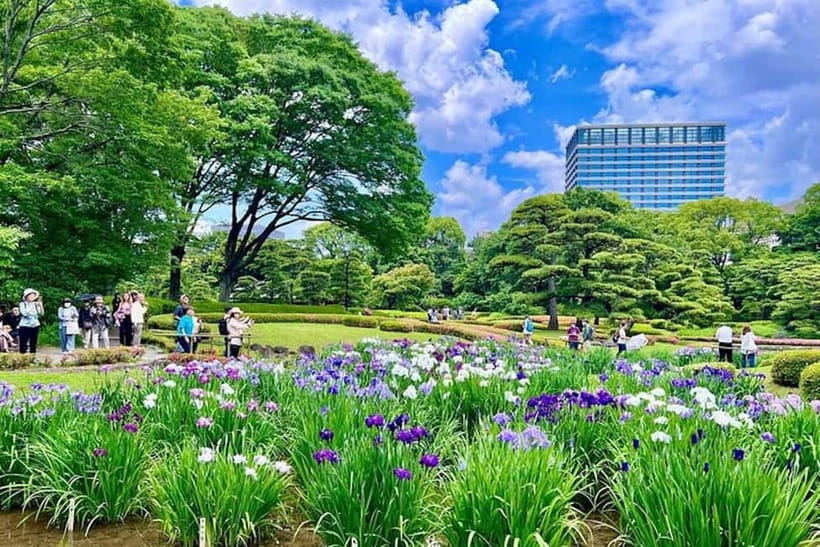
This is a private group tour, and that changes the feel immediately. You’re not squeezed between strangers. You can ask questions as you go, and your guide can slow down for what interests you.
A few guide traits show up again and again in the experience notes you’ll care about:
- Strong English that makes the details easy to follow (guides like Yoshi-san and Ishida are specifically praised for clear explanations).
- A comfortable walking pace, including family-friendly pacing from guides such as Yuji and Naoko.
- A willingness to confirm answers when something is uncertain, like Mr. Masahito who reached out to get a better response.
Even better, good guides often help you connect the dots beyond the gardens. For example, some have offered practical tips for what to do next after the tour, including which subway station entrances make your return trip easier.
Price and Value: Is $63 for 2 Hours Reasonable?
At $63 per person for about 2 hours, the value comes from three things you’re buying, not just a ticket to a place.
1) You’re paying for interpretation
The Edo Castle ruins and garden spaces are easy to walk through, but hard to understand without context. A guide helps you notice why particular elements matter.
2) You’re buying time efficiency
If you try to piece this together on your own, you can spend extra time figuring out routes, what to prioritize, and what’s worth stopping for. Here, the structure is already done.
3) You’re buying a private experience
Even with a short duration, private access is a big quality-of-life upgrade. It’s especially helpful if you have kids, mobility limits, or you just don’t want to “rush to keep up.”
If you enjoy history but hate museum-style lectures, this is a sweet spot. If you only care about quick photos, it may feel like paying for storytelling you could also read online—but most people who book it are there for meaning, not just sightseeing.
Who Should Book This Tour (and Who Might Skip It)
This tour fits best if you:
- Want Edo-era context without a full-day program.
- Love gardens but also want to understand why the garden design connects to history.
- Prefer a guided walking pace over DIY wandering.
- Care about English explanations and asking questions in real time.
You might consider skipping or pairing it with another option if you:
- Specifically need access to the Inner Palace (this one doesn’t include it).
- Are traveling at a time when seasonal flowers are unlikely to be at peak, and you only care about the headline blooms.
Should You Book It? My Practical Take
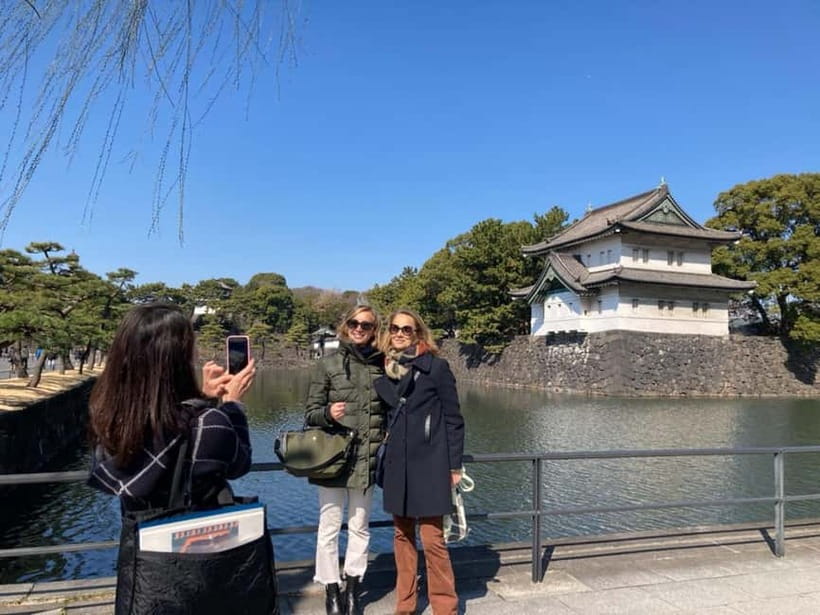
I’d book this if your Tokyo plan includes both history and a calmer garden break. The biggest win here is that the tour doesn’t treat the East Gardens as a filler stop. It links them to Edo Castle and explains how to look, so you come away with a clearer picture in a short window.
The biggest “book with eyes open” item is the access limit: no Inner Palace entry, plus the baggage inspection on site. If you can accept those constraints, this tour is a high-value way to see major landmarks without spending your energy on navigation.
If you want a smooth, story-led two hours near Tokyo Station or Otemachi, this is the kind of guided experience that makes Tokyo feel human, not just crowded.
FAQ
Does the tour include the Inner Palace?
No. This tour does not allow entry to the Inner Palace, and it does not include the palace where the Emperor resides.
How long is the tour?
The duration is listed as 2 hours.
Is this a private tour?
Yes, it’s a private group tour.
Where do I meet my guide?
Meet your English-speaking guide in front of Starbucks in Wadakura Fountain Park. The guide will have a sign board that says gotcha. It’s about a 3-minute walk from Tokyo Metro Otemachi Station exit D2, or about a 10-minute walk from Tokyo Station Marunouchi central exit.
Will I need to go through a baggage inspection?
Yes. Visitors are subject to baggage inspection upon entering the Imperial Palace grounds.
Are seasonal flowers guaranteed to be in bloom?
Seasonal flowers are part of the garden experience, but bloom timing can vary. The tour notes cherry blossoms in spring and irises in summer, plus autumn leaves in fall.
Is free cancellation available?
Yes. Free cancellation is available up to 24 hours in advance for a full refund.