REVIEW · TOKYO
Tokyo: Private Manga Drawing Class with Professional Artist
Book on GetYourGuide →Operated by Shingo Travel., LLC · Bookable on GetYourGuide
Manga starts with ink, not talent. In Tokyo, this private studio class teaches you the tools and techniques behind manga panels, side-by-side with Yumiko sensei, a published professional. With a small group size (up to six), you get real coaching on line control, shading, and screentone work, not just a quick demo.
I especially like the hands-on workflow, from trying classic G-pens and maru-pens to practicing how pro lines change shape and weight. The other big plus is the take-home payoff: you leave with your original artwork plus an artist portrait, and you may even get a signed extra sample like one attendee received for Tanjiro. The main drawback to consider: meals and transportation aren’t included, so you’ll want a plan for getting there and staying fueled.
In This Review
- Key takeaways
- Inside a Tokyo manga studio class: what 150 minutes feels like
- Meeting Yumiko sensei and tailoring the lesson to your favorite series
- Choosing your difficulty tier: inking practice to full character design
- Tools that matter: G-pens, maru-pens, brush pens, and paper testing
- Screentone and halftones: the dot/line step that adds depth instantly
- Line-weight, perspective, and the pro tricks that save your wrist
- Take-home artwork: signed portrait, practice sheets, and a mini Tokyo shopping list
- Price and value: is $141 per person worth it?
- Who this class is perfect for (and who should think twice)
- Should you book this private manga drawing class?
- FAQ
- Where do I meet for the class?
- How long is the experience?
- What’s the price?
- What language is the instruction in?
- Do I need prior drawing experience?
- What ages can participate?
- How big is the group?
- What can I take home?
- What should I bring with me?
- FAQ
- Is this wheelchair accessible?
- What’s included and what isn’t?
- Is there a cancellation option?
- Can I reserve and pay later?
- Is there a limit on who can join?
- Is there a translator on site?
Key takeaways
- Pro tools, used correctly: G-pens, maru-pens, and brush pens with real tips for clean results
- Screentone, taught step-by-step: cut dot/line sheets and place them for depth and texture
- Pick your difficulty: inking practice, character outline, or full character design
- Line-weight theory in plain language: where to thicken, taper, and feather for shine
- One-on-one corrections: hand angles, posture, smudging prevention, and perspective fixes
- You leave with finished art: original pages, practice sheets, and a mini guide for what to buy in Tokyo
Inside a Tokyo manga studio class: what 150 minutes feels like
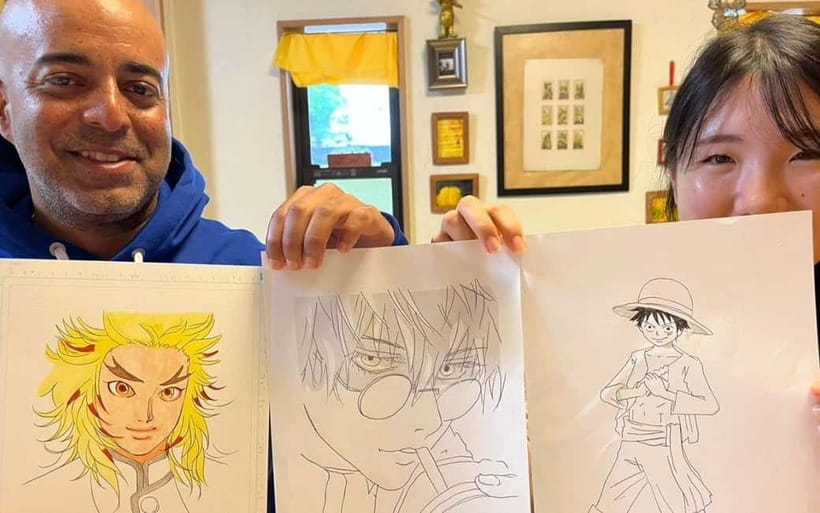
This is a structured, hands-on workshop in a real Tokyo manga studio setting. You’re not waiting around for a lecture. You’re at a desk, drawing from the start, learning the exact moves that keep a page looking crisp—especially when you add shadows and screentone.
The timing matters: 150 minutes is enough to go from basic shapes and guides to a finished manga character look. If you’re a fan who worries you’ll just leave with a half-started sketch, this class is built to help you finish. If you’re brand-new, it’s still workable because you’re choosing a difficulty tier and using printed guideline sheets.
You’ll also benefit from the small group size. Up to six people per session means the instructor can circle the room, catch issues early, and correct the way you hold your pen—things that are hard to fix in a crowded class.
You can also read our reviews of more private tours in Tokyo



Meeting Yumiko sensei and tailoring the lesson to your favorite series
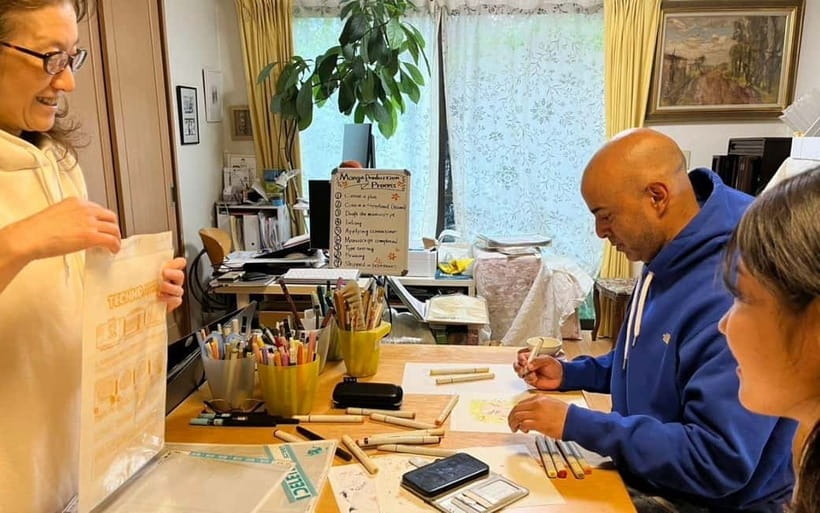
You’ll meet outside the ticket gates of Shindaita Station on the Keio Inokashira Line. From there, you go into the studio and meet Yumiko sensei, who teaches in English with Japanese support available.
One thing I like about this setup is that she doesn’t teach from a single cookie-cutter template. You’ll look through her portfolio and talk about genres such as shōnen, shōjo, and seinen, then name the character or series you’re most excited to draw. That helps her tailor examples and feedback toward the style you actually want.
It’s also a smart way to learn faster. When your references match your taste, you pay attention to the details that matter—like hair texture, line rhythm, and the way shadows are placed for that manga look.
Choosing your difficulty tier: inking practice to full character design
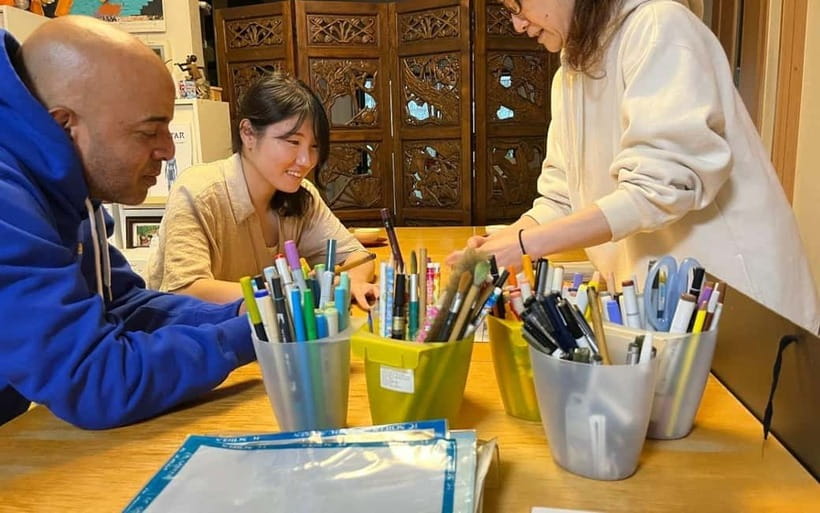
Before you start drawing seriously, you pick from three difficulty levels. Each tier comes with printed guideline sheets, so you’re not guessing what shape comes next.
Here’s how the options typically break down:
- Inking practice: focused exercises that help your line control improve quickly
- Character outline: you build a clean character form with guidance on proportions
- Full character design: you combine outlines, effects, and the finishing steps to create a complete character page
You can also request variations like chibi style, an action pose, or an expression sheet. That’s useful for kids starting out at age 6 and up, or for adults who want to practice expressions first without getting overwhelmed by anatomy.
The practical win: you’re training your hands and eyes in the right order. You start with basic shapes to lock in proportions—like balancing the head-to-body ratio and using balance lines—then you add detail once the structure feels stable.
Tools that matter: G-pens, maru-pens, brush pens, and paper testing
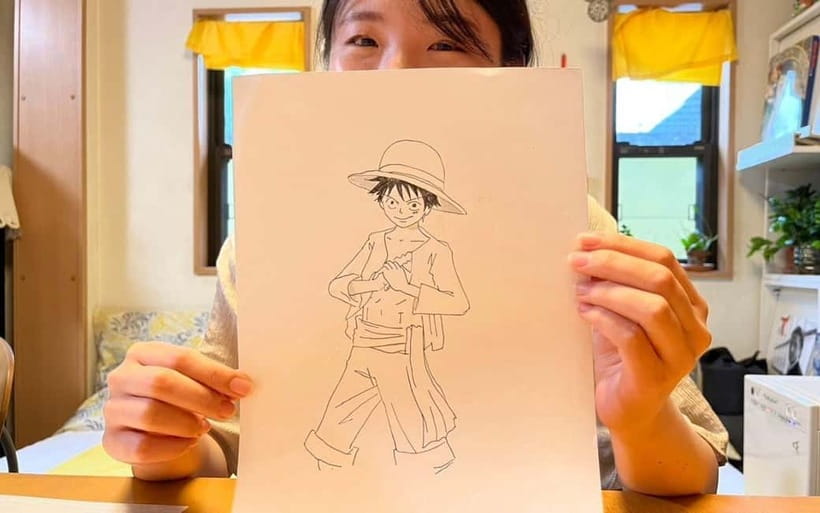
A big reason manga looks clean is tool choice plus technique. This class makes you pay attention to both.
You’ll try classic pens such as G-pens and maru-pens, plus brush pens. The instructor shows how each tool responds differently to angle, pressure, and speed. Then you practice until the line behavior clicks for you.
Paper also gets real attention. You’ll compare premium Kent paper versus inexpensive copy paper and learn why that matters. It’s not just snobbery—paper affects how ink spreads, how the nib glides, and how sharp your final lines can look.
You’ll also see how different inking and coloring options fit into a modern workflow, including dip ink, alcohol markers, screentones, and even digital tablets. You don’t have to switch your whole life to digital or markers. The point is learning how pros choose the right medium for the job.
And yes, you’ll get help with the annoying stuff:
- smudging and ink transfer
- line control under pressure
- hand strain and fatigue
- perspective issues that throw off proportions
When the instructor spots these early, you fix them fast. That’s where a private class earns its value.
Screentone and halftones: the dot/line step that adds depth instantly
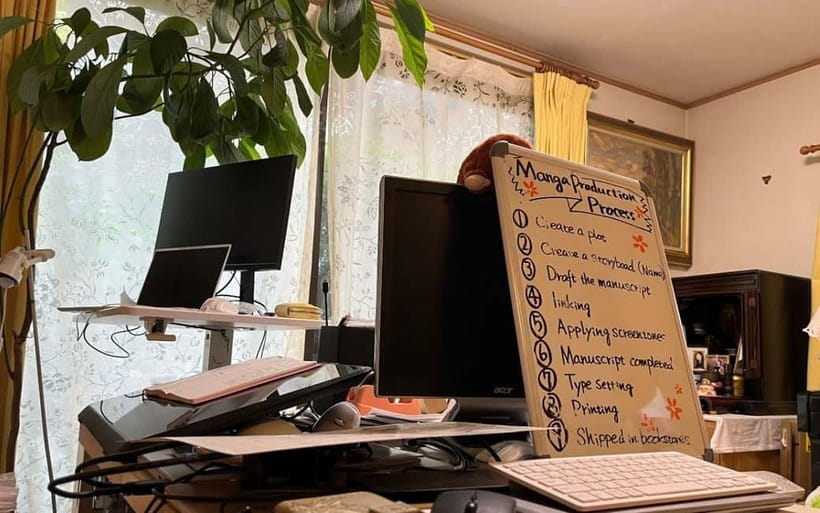
Screentone is the signature move in manga shading, and this class treats it like a craft, not a gimmick. You’ll learn how to try classic screentone by cutting and applying dot/line sheets to build depth and texture.
You’ll practice choosing the right tone pattern for where you want shadows, backgrounds, or sparkle-like effects. Dot tones help create soft gradients. Line tones can add motion or structure. The instructor helps you map the tone placement to the shape of your character so it doesn’t look pasted-on.
You’ll also learn practical handling:
- trimming edges using an art knife
- blending and burnishing edges with a spoon tool
- using techniques that make joins look clean instead of obvious
This is also where you learn a key manga habit: correcting mistakes quickly. You’ll use white-ink pens for highlights and correction fluid when something goes off-track. That reduces fear, so you’ll actually experiment instead of staying too safe.
One more useful detail: the class includes halftone sheets, so you don’t only learn one kind of shading effect. You’re building a small toolbox of tones that you can reuse later.
You can also read our reviews of more tours and experiences in Tokyo



Line-weight, perspective, and the pro tricks that save your wrist
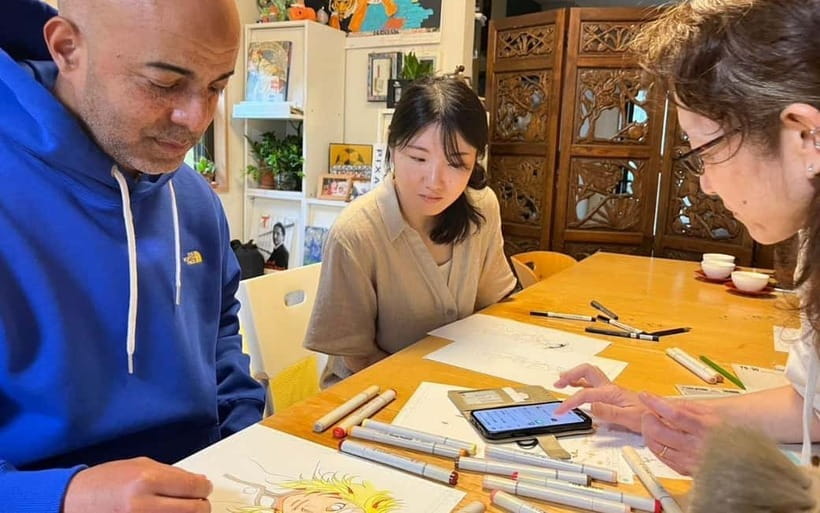
Clean manga lines come from more than steady hands. The instructor teaches line-weight theory—where to thicken or taper lines to create volume. You’ll learn how to “feather” for hair shine and how speed lines can show motion without turning your page into a scribble.
There’s also a very practical pro trick: rotating the page instead of forcing your wrist to twist for curves. It sounds small, but it’s one of those moves that prevents cramps and improves your accuracy. You’ll feel the difference right away, especially if you’re drawing with a steady but beginner-unfamiliar hand position.
And because this is small-group, you get corrections while you’re drawing, not after you’re done. The instructor circles the room, checks posture and hand angles, and may demonstrate on your page if needed. That kind of live correction is how you go from shaky lines to confident ones within the same session.
Perspective and anatomy can be the toughest parts for beginners. This class uses basic shapes first, then adds detail once proportions look right. It’s a calm way to learn without turning the whole page into stress.
Take-home artwork: signed portrait, practice sheets, and a mini Tokyo shopping list
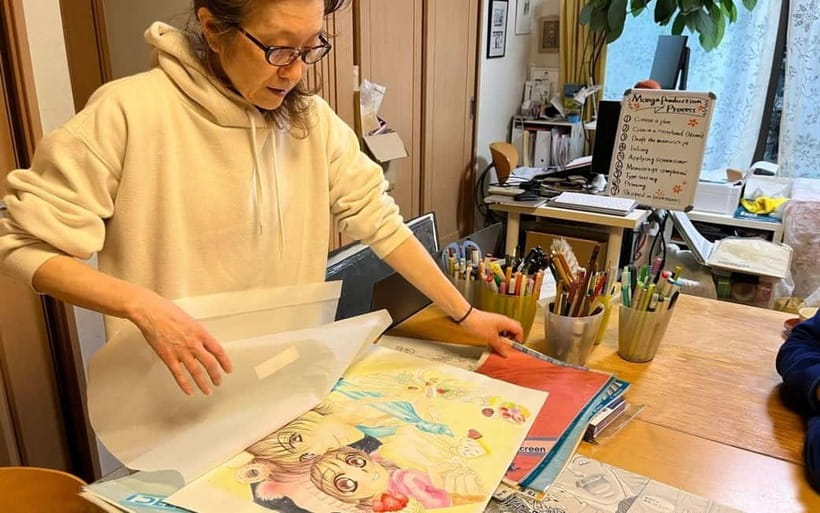
The best part of any class is what happens when you pack up. Here, you leave with a take-home pack designed for practice.
Included take-home items:
- your original artwork
- practice sheets
- a mini handbook listing the tools used today and where to buy them in Tokyo
That last part is sneakily important. If you’ve ever left an art class and then spent weeks unsure what to order, you know how frustrating that is. This gives you a starting list, so you can keep learning without wasting money on random substitutes.
You also get a one-on-one critique at the end. The instructor marks areas to improve and signs your finished work. For manga fans, that signature is part of the fun. One attendee even noted receiving a similar signed Tanjiro drawing from Yumiko sensei, which is the kind of extra keepsake that turns the session into a memorable moment you’ll want to keep.
You’re also set up to take photos with the artist and your piece, which is handy if you like documenting your trip with your own artwork instead of only landmarks.
Price and value: is $141 per person worth it?
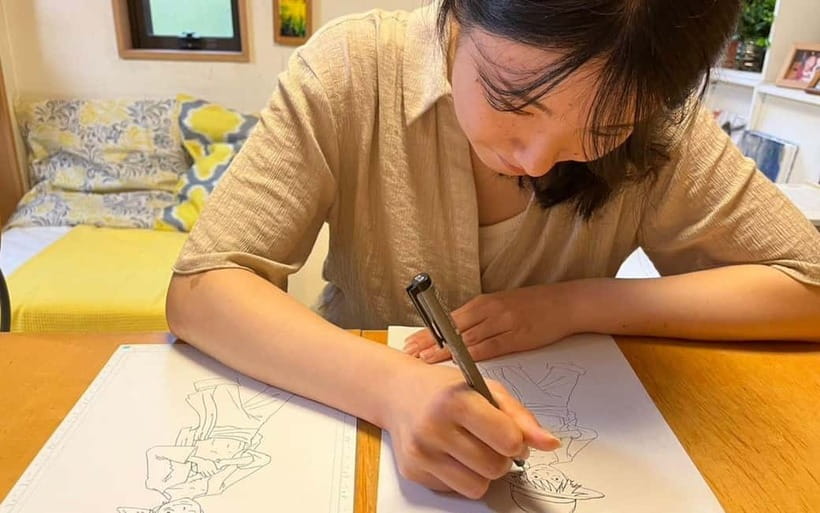
At $141 per person for 150 minutes, this isn’t the cheapest way to spend an afternoon in Tokyo. But you’re paying for three things that many lower-cost classes skip: tool coaching, hands-on screentone instruction, and direct, in-session correction.
Here’s how I think about the value:
- You get professional technique: you learn how to use classic pens and apply screentone the way manga pages do it
- You get personalized feedback: small group size plus the instructor walking around means fewer unanswered questions
- You leave with materials and finished work: your original artwork, practice pages, and a guide for buying tools later
If you already draw a lot, you’ll still benefit from screentone practice and line-weight coaching. If you’re new, the guided tiers help you avoid the usual beginner trap: getting stuck on one page and not improving at a practical pace.
The price makes more sense if you come ready to draw. Bring a camera, wear comfortable clothes, and plan to spend the whole 150 minutes focused.
Who this class is perfect for (and who should think twice)
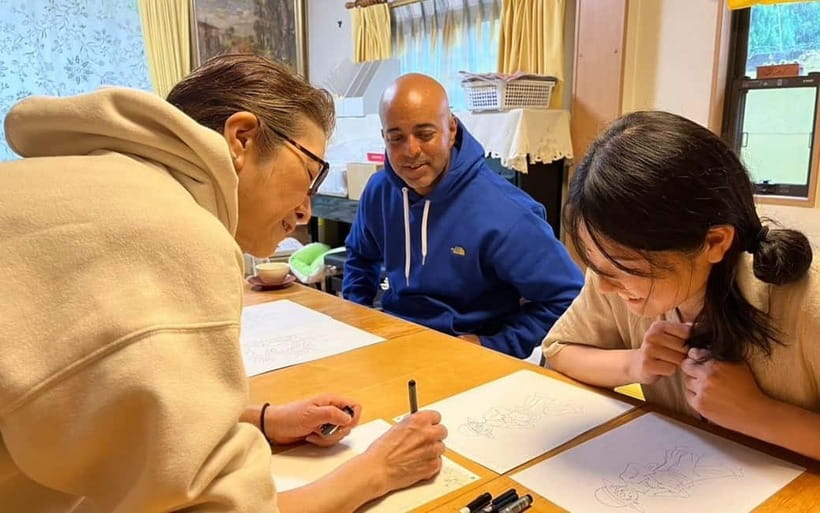
This is a great fit if:
- you’re a manga fan who wants to draw characters with clean line work
- you want to learn screentone properly, including cutting, placement, and finishing
- you like structured feedback and want help with the annoying issues like smudging and shaky lines
- you’re traveling with someone who can appreciate craft-focused activities
It’s also a good option if you’ve already taken a basic character class. You’ll still learn new workflow details, especially around screentone and tool handling, and you can refine your favorite style.
Who should think twice? If you’re hoping for a tour-heavy day—more walking and sightseeing than drawing—this is mostly a studio experience. You’re trading extra Tokyo landmarks for skill building.
Should you book this private manga drawing class?
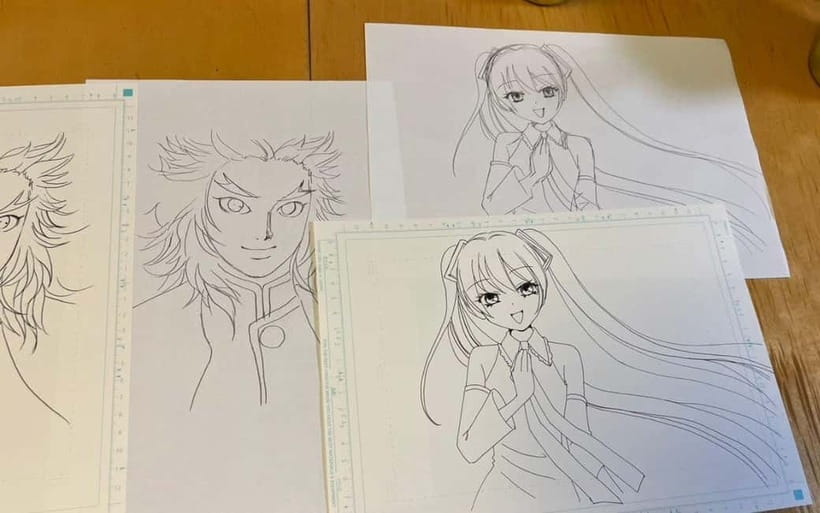
Book it if you want a true manga-making session: pens, screentone, line theory, and hands-on coaching from a published artist. You’ll leave with real artwork and a clear next-step tool list for continuing at home.
Skip it only if you’re not ready to devote your attention to drawing for 150 minutes, or if you need meals and transportation handled for you. Otherwise, this is one of those Tokyo activities where the value isn’t just the memory—it’s the skill you walk out with.
FAQ
Where do I meet for the class?
Meet just outside the ticket gates of Shindaita Station (Keio Inokashira Line). The station has a single exit, so you simply walk through the wickets and step outside.
How long is the experience?
The class lasts 150 minutes.
What’s the price?
The price is $141 per person.
What language is the instruction in?
The instructor teaches in English. Japanese support is available as needed.
Do I need prior drawing experience?
No. Prior drawing experience is not required.
What ages can participate?
Children 6 and up can participate. It’s not suitable for children under 5.
How big is the group?
This is a private group with a maximum group size of 6 for personalized attention.
What can I take home?
You take home your original artwork, practice sheets, and a portrait drawn by the manga artist (plus a mini handbook listing the tools and where to buy them in Tokyo).
What should I bring with me?
Bring a camera and wear comfortable clothes.
FAQ
Is this wheelchair accessible?
Yes, the experience is wheelchair accessible.
What’s included and what isn’t?
Included: instruction by a professional manga artist, use of manga drawing tools and materials, personalized feedback, and the take-home pack. Not included: meals and transportation to the studio.
Is there a cancellation option?
Yes, free cancellation is available up to 24 hours in advance for a full refund.
Can I reserve and pay later?
Yes, you can reserve now and pay later.
Is there a limit on who can join?
The group is private with a maximum group size of 6.
Is there a translator on site?
English instruction is provided, with Japanese support available.