REVIEW · TOKYO
Japan Tokyo Tower Observatory Deck E-Ticket
Book on Viator →Operated by TREVOPEDIA · Bookable on Viator
Tokyo Tower views are instant gratification. This timed-entry e-ticket is built for people who want the payoff quickly, with access to the Main Observatory Deck and skyline views at a moment that fits your day.
I love two things most: timed entry that helps you spend less time waiting, and the fact that your ticket includes admission to the Main Observatory Deck at 150m above the ground.
The only real catch is ticket tech. If your QR/e-ticket doesn’t show up as expected, you may need extra checks on site, which can slow you down compared with the smooth-sailing version.
In This Review
- Key reasons this Tokyo Tower deck visit is worth it
- Timed e-ticket entry: what to expect when you arrive
- Stop 1: Tokyo Tower from entry to the Main Observatory Deck
- A small downside to plan around
- 150 meters above Tokyo: what the Main Observatory Deck feels like
- Day vs night at Tokyo Tower: when the views hit hardest
- Going in the daytime
- Going at night
- A practical pick: dusk if you can
- What you can spot: Tokyo Skytree and possible Mt. Fuji
- More than the deck: snacks, shops, and easy breaks
- Price and value: does $18 make sense for Tokyo Tower?
- How long to budget for a smooth 2-hour visit
- Who should book this Tokyo Tower e-ticket?
- Booking smart: ticket-check issues to watch
- Should you book this Tokyo Tower Observatory Deck ticket?
- FAQ
- What does the ticket include?
- How long does the Tokyo Tower experience take?
- What time can I visit Tokyo Tower?
- Can I choose a daytime or nighttime visit?
- Is Mt. Fuji visible from Tokyo Tower?
- What height am I viewing from?
- Is the venue near public transportation?
- Is admission guaranteed with the e-ticket?
- Is this experience refundable?
Key reasons this Tokyo Tower deck visit is worth it
- Timed entry that can cut the long wait during peak hours
- Main Observatory Deck admission included with your e-ticket
- 150m height for big-city views without needing a second plan
- Day or night options, with dusk often feeling like the sweet spot
- Clear-day bragging rights, since Mt. Fuji may appear in the distance
Timed e-ticket entry: what to expect when you arrive
Tokyo Tower works best when you treat it like a quick mission, not a half-day project. Your ticket is scheduled by time slot, and the whole point is to reduce the back-and-forth with crowds and lines. The result is simple: you get to the elevators faster, then you’re up at the deck in time to actually enjoy the views instead of watching people shuffle.
You’ll be visiting Tokyo Tower during the operating window shown on the listing: 9:00 AM to 10:30 PM, with hours running daily. Plan around your own energy. If you’re arriving later in the day, you’ll still have plenty of time to see Tokyo’s light show without racing the clock.
One practical thing I appreciate here is how predictable this makes the experience. Instead of guessing when the line will ease off, you arrive for your time slot and let the ticket do its job.
And yes, it’s a popular stop, so you can expect some crowding at the tower. The timed entry helps, but it doesn’t magically erase people. What it does do is stop you from spending your trip time trapped in queue-land.
You can also read our reviews of more tours and experiences in Tokyo


Stop 1: Tokyo Tower from entry to the Main Observatory Deck
Tokyo Tower is the entire visit here, and the flow is designed to be straightforward.
First, you use your pre-reserved ticket at your time slot to gain access inside Tokyo Tower. From there, you’re headed up to the Main Observatory Deck. Your admission includes access to this main deck, which sits about 150m above the ground. That height matters. At this level, Tokyo starts to look like a map you can understand, not just a city you’re walking through.
Once you’re at the deck, the experience shifts from logistics to perspective. You look down and around, taking in wide-angle city views. The tower’s height also helps you spot major landmarks on clear days. The information for this experience specifically points to the possibility of seeing Mt. Fuji in the distance when conditions are good, plus views that can include well-known skyline landmarks like Tokyo Skytree.
Now here’s the part that can make or break the visit for some people: pace. Even if you’re in and out quickly, you’ll want time for more than one “look.” Consider spending:
- a first pass getting your bearings
- a second pass when the light changes (especially at dusk and night)
Also, make sure you give yourself time to move through the tower’s interior spaces. Some parts can feel like a slow funnel when crowds build.
A small downside to plan around
The tower entry is usually smooth when your e-ticket is ready. But based on real-world issues people have reported, if your QR code or ticket details don’t show up correctly, staff may need to verify you by name. That can add time and stress right when you wanted calm.
So do this before you leave:
- confirm you have the e-ticket details visible on your phone
- keep an offline copy if possible
- don’t wait until you’re at the gates to troubleshoot
150 meters above Tokyo: what the Main Observatory Deck feels like
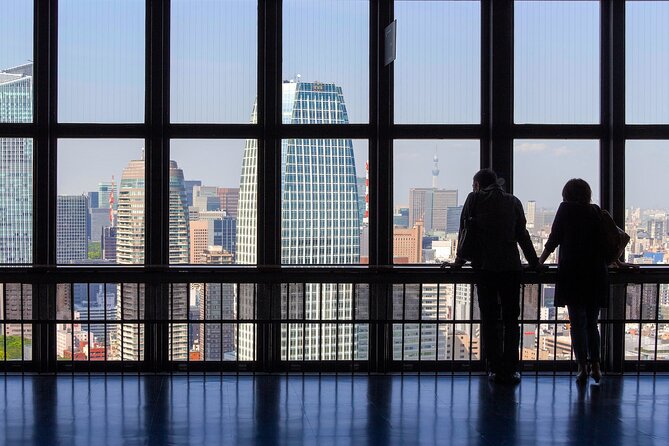
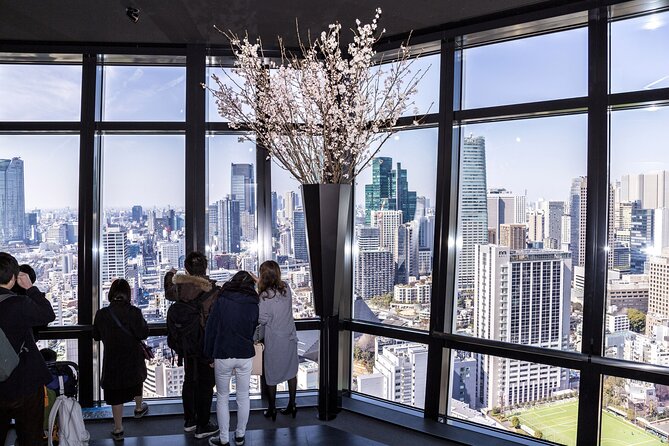
From the Main Observatory Deck, Tokyo Tower becomes less about the tower itself and more about what you can see. At 150m, the view is high enough to feel “city-wide,” not just rooftop-level. You’ll be able to look down at neighborhoods and streets in a way that makes Tokyo’s scale click.
This is also where you’ll get the classic reason people come: the feeling of stepping into a controlled viewpoint. You can look in all directions and quickly understand where things are relative to each other. That’s especially useful if your day is later filled with walking, trains, and neighborhood hopping.
If you care about photo moments, you’ll likely spend time framing shots from multiple angles. Some spaces at the deck include features like glass floor areas (including reports of glass floor windows on level 1), which can make for fun, quick photos. Just keep your footing and pace steady if it’s busy.
And if your goal is to relax, this is a good place to do it. The deck works as a mental reset. Even if you’re not a “view person,” Tokyo’s height and density make this one hard to ignore.
Day vs night at Tokyo Tower: when the views hit hardest
Tokyo Tower looks great in daylight, but it can also hit a different mood after dark. This experience is flexible: you can choose day or night timing, and the payoff changes with the light.





Going in the daytime
Daytime is best when you want clarity. You’ll see Tokyo’s layout with less glare, and on clear days you might catch a distant view like Mt. Fuji. That possibility is specifically called out for this experience, which makes a daytime visit appealing for skyline watchers.
Going at night
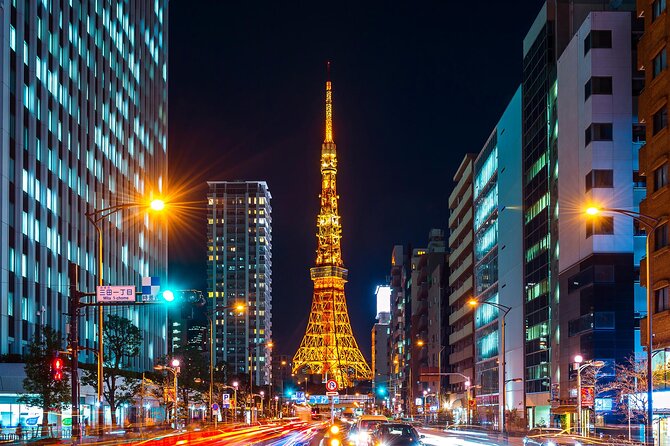
Night is when Tokyo Tower feels like Tokyo Tower. You get the lit-up tower look and the city glow below. One of the strongest signals from real feedback is that night visits can feel faster too, with less waiting in some cases. Night also adds variety: you can watch the city shift, with dusk-to-dark moments giving you that gradual color change.
A practical pick: dusk if you can
If your schedule allows it, consider arriving around dusk—right after sunset. Dusk tends to offer both a clear skyline and a transition into the full night lights. Even if you don’t plan it perfectly, you’ll still feel like you got more than one version of the city.
What you can spot: Tokyo Skytree and possible Mt. Fuji
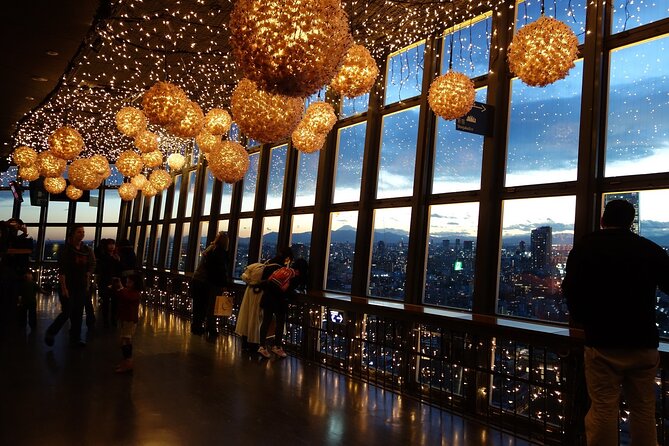
This ticket is sold with the promise of skyline views, and it gets specific about what you might see.
On clear days, Mt. Fuji may be visible in the distance. That’s not guaranteed, but it’s a real possibility when weather cooperates. If Mt. Fuji is on your list, your best strategy is straightforward: pick a time when visibility tends to be good and keep expectations flexible.
You’ll also get views that can include major landmarks such as Tokyo Skytree. Even if you can’t pick out every landmark from 150m up, the point is that you can orient yourself. You’ll start to connect what you’ve read and seen in maps with the real arrangement of neighborhoods.
Think of the deck as a reference station. One good look can help you plan later: where you’ll go next, which direction you’re headed, and how long certain routes might feel once you’re walking.
More than the deck: snacks, shops, and easy breaks
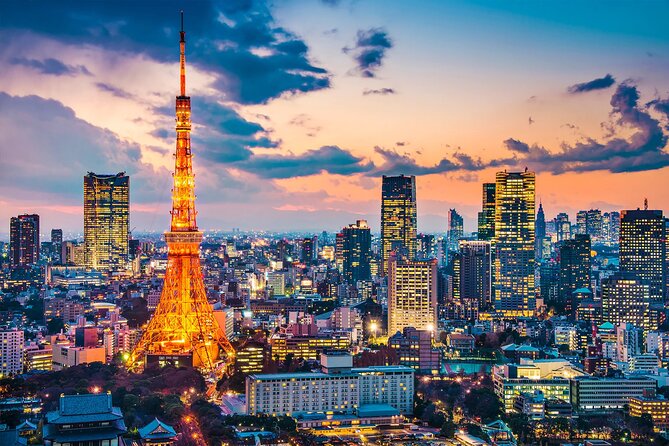
Tokyo Tower isn’t just a view box. Once you’re inside, there’s time to slow down a bit and make the visit feel like a proper stop.
For food, there’s a small coffee or ice cream option on site, plus reports of restaurants lower down in the tower complex. Bathrooms are also mentioned as exceptionally clean, which matters more than you’d think once you’re on your feet in a crowded city.
For shopping, there’s a gift shop, and you’ll also find stores inside the tower. This is helpful if you’re traveling with someone who doesn’t want to spend the whole time photographing or scanning the skyline. You can split up your energy: one person does the view-heavy portion, the other does the browsing, then you meet back up.
One fun detail from on-the-ground experiences: some people enjoy stepping outside the glass for fresh air. If you’re in the mood, look for opportunities to get a different kind of photo—one that includes the tower’s lighting atmosphere without the glass reflection problem.
Price and value: does $18 make sense for Tokyo Tower?
At $18 per person, this is positioned as a value play. You’re paying for two big things:
1) admission to the Main Observatory Deck
2) timed entry that helps reduce waiting time
The money makes sense when you’re visiting during busy hours or when you want to use your limited Tokyo time efficiently. If you’re coming from another neighborhood and you’d otherwise lose precious time to lines, timed entry can be worth it immediately.
There’s also practical value in the schedule flexibility. You can choose day or night timing, and the deck gives a classic skyline experience whether you’re visiting once or stacking this with other Tokyo stops.
The price may feel different depending on your travel style:
- If you like sightseeing “missions,” this is a strong match.
- If you only want views for 10 minutes, you may wish you’d booked something cheaper, because Tokyo Tower can encourage you to linger.
Still, with Main Observatory Deck access included, the core product isn’t complicated. You’re buying a view at a known height and paying for less friction getting there.
How long to budget for a smooth 2-hour visit
The experience runs about 2 hours (approx.). That’s a useful planning number because it includes time to enter, get up to the deck, look around, and come back down without making it a half-day project.
Here’s a sensible way to pace it:
- use your time slot and get inside quickly
- spend enough time on the Main Observatory Deck for at least two “light moments”
- add a short break for snacks or a quick shop stop if you want it
- don’t forget the time to exit and rejoin your day
If you’re going at night, plan to arrive with a calm margin. Even if lines are lighter than peak times, you don’t want your whole evening plan depending on one perfectly timed elevator ride.
Who should book this Tokyo Tower e-ticket?
This is a great fit if you:
- want a fast, structured way to see Tokyo Tower from high up
- care about day or night views, and you’re choosing based on weather and lighting
- like using time efficiently when you’re sightseeing in a dense city
It’s also a good choice for first-timers who want a top-down orientation. Tokyo is big. A deck view helps you understand what you’re going to walk later.
Most people can participate, and the tour is near public transportation. If you’re building a simple itinerary in Tokyo—one major landmark, then moving on—this one works well.
Booking smart: ticket-check issues to watch
This experience is mostly designed to be effortless, but ticket problems can happen, and they’re worth thinking about in advance.
Some people have reported that an e-ticket needed additional verification when a QR code wasn’t available or was missing at the gate. In those cases, staff may check names and send you through additional steps. That can erase the time savings you were expecting.
My recommendation is simple: treat your ticket like it matters. Have it ready at arrival, verify it shows the QR/e-ticket details on your phone (or in your email), and don’t rely on memory or last-second searches.
If you’re the kind of traveler who hates surprises, double-checking your ticket beforehand is how you protect the day you planned.
Also, consider that the tower is popular. Even with timed entry, it can still feel busy. If you’re sensitive to crowds, going closer to night (when some lines can be shorter) may feel better, but do pick what matches your schedule and comfort.
Should you book this Tokyo Tower Observatory Deck ticket?
Book it if you want an efficient, classic Tokyo landmark with real skyline payoff at a known height, and you value saving time on line hassles. The Main Observatory Deck admission included and the timed entry approach make the $18 feel reasonable, especially on peak days.
Don’t book it if you’re only interested in a quick look and you’re easily bothered by potential ticket-tech hiccups. If you’re the type who can’t handle any ticket verification drama, make sure you prepare the e-ticket carefully before you arrive.
If you do book, go in with a simple plan: choose day for possible Fuji clarity, or choose night for the lit-up tower experience. Either way, you’ll get that top-down “Tokyo, in one glance” moment—and that’s the whole point.
FAQ
What does the ticket include?
Your ticket includes admission to the Tokyo Tower Main Observatory Deck.
How long does the Tokyo Tower experience take?
Plan for about 2 hours (approx.).
What time can I visit Tokyo Tower?
The listed opening hours are 9:00 AM to 10:30 PM, Monday through Sunday.
Can I choose a daytime or nighttime visit?
Yes. The experience is designed so you can enjoy views either by day or at night, depending on your selected time slot.
Is Mt. Fuji visible from Tokyo Tower?
On a clear day, you might spot Mt. Fuji in the distance.
What height am I viewing from?
The deck experience includes views from about 150m above the ground.
Is the venue near public transportation?
Yes, it’s listed as near public transportation.
Is admission guaranteed with the e-ticket?
The goal of timed entry is to help you access the Main Observatory Deck without long delays, but some people have reported needing extra checks if QR/e-ticket details don’t come through as expected.
Is this experience refundable?
Free cancellation is available up to 24 hours in advance for a full refund. Changes made less than 24 hours before start time are not accepted.