REVIEW · TOKYO
Mt. Fuji Five Lakes Private Tour with Licensed Guide (Tokyo DEP)
Book on Viator →Operated by Japan Guide Agency · Bookable on Viator
One day in Japan can feel like 10 different postcards. This private Mt. Fuji Five Lakes tour is built around a licensed English guide and a pick-your-own route through the best Fuji viewpoints. I especially like how the day is customized to your pace instead of forcing you through a fixed checklist.
I also like the mix of classic Fuji icons and practical local stops. You’ll have time for things like the Kachi Kachi Ropeway overview at Kawaguchiko and the signature photo frames around Chureito Pagoda, plus traditional scenery at Oshino Hakkai.
A key consideration: this is a walking/public transport day with no private vehicle. Transportation costs and many attraction tickets are not included, so your budget should expect extras beyond the tour price.
In This Review
- Key Highlights You’ll Feel the Moment You Start
- Why the Five Lakes Area Is a Fuji Photo That Actually Makes Sense
- Picking Your Own 3–4 Fuji Stops (and Getting the Most Out of Time)
- Getting to Kawaguchiko: The Simple Start That Sets Up the Big Views
- Mt. Kachi Kachi Ropeway: A Quick Elevation Ticket to Clarity
- Chureito Pagoda at Arakurayama Sengen Shrine: The Classic Shot With a Real Setting
- Oshino Hakkai: Eight Ponds That Explain Fuji’s Water Story
- Kitaguchi Hongu Fuji Sengen Jinja: A Calm Break Between Big Views
- Narusawa Ice Cave: Volcanic Geology You Can Walk Through
- Lake Kawaguchiko vs Lake Yamanakako: Two Lakes, Two Feelings
- Lake Kawaguchiko: Views Near the Eastern End
- Lake Yamanaka: Bigger Water, Different Shorelines
- Tokyo Return: Ending With the Practical Part Done for You
- Food Sense: Local Noodles and Yamanashi Treats You Can Add After
- Price and Value: Is $286 Worth It for a Fuji Day?
- The Kind of Guide Who Makes This Tour Better
- Who Should Book This Mt. Fuji Five Lakes Private Tour?
- Should You Book This One?
- FAQ
- How many places can I visit during the Mt. Fuji Five Lakes private tour?
- Is there a private vehicle provided for this tour?
- What costs are not included in the tour price?
- Where will the guide meet me in Tokyo?
- How long is the tour?
- Can I cancel for a full refund?
Key Highlights You’ll Feel the Moment You Start
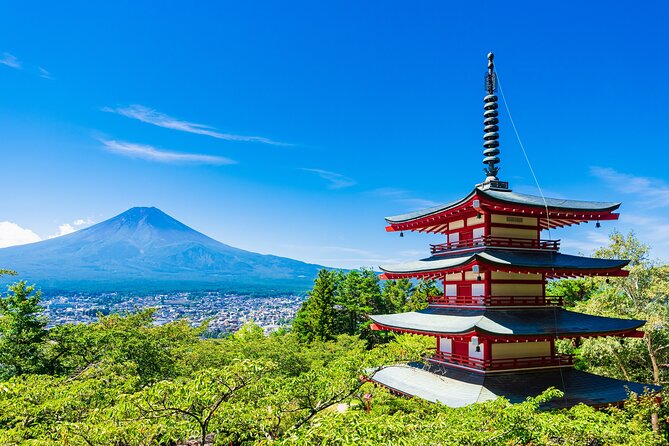
- Licensed English guide who plans around your interests, choosing 3–4 sites from the Fuji Five Lakes area
- Public-transport style touring (no private car), with flexible choices for train vs bus
- Big-view payoff at Mt. Fuji Panoramic Ropeway near Lake Kawaguchiko
- Photo-perfect Mt. Fuji framing at Chureito Pagoda within Arakurayama Sengen Shrine
- Real-world water history at Oshino Hakkai’s eight spring ponds
- Year-round ice and volcanic geology at Narusawa Ice Cave (inside a lava cave)
Why the Five Lakes Area Is a Fuji Photo That Actually Makes Sense
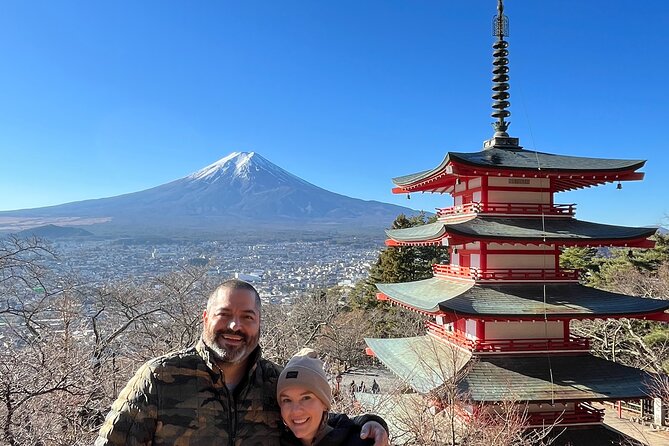
The Fuji Five Lakes region is famous for a reason: Mount Fuji shows up in different “moods” depending on where you stand. From Kawaguchiko to Yamanakako, you get changing angles, calmer lake sections, and different levels of development that affect your view.
What makes this day tour smart is that it’s not only about climbing to one viewpoint. You’re mixing elevated looks (like the ropeway), shrine-and-pagoda framing, water features tied to snowmelt, and lava-cave terrain. That variety helps if clouds roll in partway—because even when Fuji is partially hidden, the surroundings still feel like the right place for the mountain.
You can also read our reviews of more guided tours in Tokyo
Picking Your Own 3–4 Fuji Stops (and Getting the Most Out of Time)
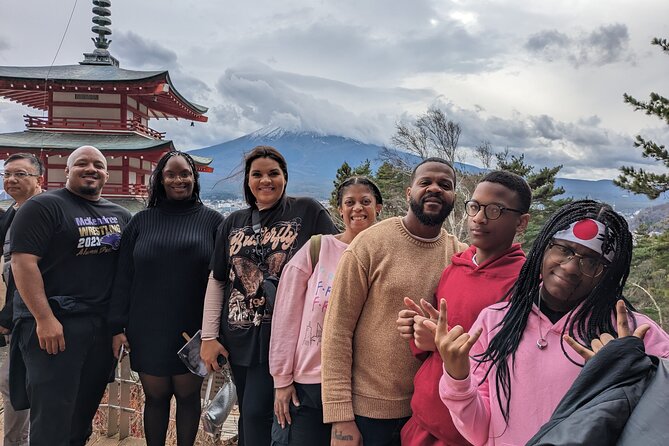
This is a private tour, meaning it’s only your group. After you book, a government licensed guide contacts you to design a personalized plan. You pick 3 to 4 spots you want to see, or you can ask for a recommended route based on what you care about most.
Why that matters: the Fuji area is huge, and a rushed “see everything” day can feel stressful. Here, you’re not stuck with a rigid route. You can aim for religious sites, photos, lake time, or geology—and you can also talk with your guide about transport preferences (train vs bus).
Meet-up is also flexible. Your guide meets you at your hotel or at Shinjuku station, then you travel out to the Kawaguchi/Fuji area. Plan on a full day: the tour runs about 10 hours, including travel.
One practical note: it’s a walking/public transport tour. That’s great for experiencing local rhythm, but you should be comfortable with walking and transferring between areas.
Getting to Kawaguchiko: The Simple Start That Sets Up the Big Views
Your day begins in Tokyo, then you head to the Kawaguchi area by train or bus. Travel time is about 2 hours one way, and you’ll want to confirm bus/train fees directly with your guide before you go.
I like this structure because it keeps the day focused. You’re not burning time on a long private drive that can still get delayed by traffic. Public transport is predictable in normal conditions—and your guide can adjust if schedules change.
Once you reach the lake area, the tour quickly moves toward the viewpoint payoff.
Mt. Kachi Kachi Ropeway: A Quick Elevation Ticket to Clarity
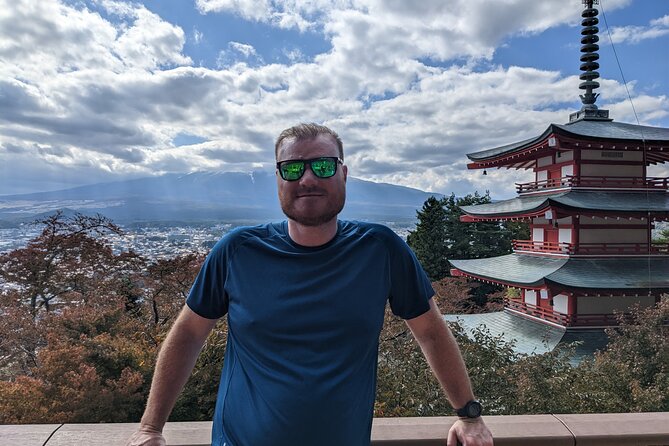
Stop 2 is the Mt. Fuji Panoramic Ropeway (Mt. Kachi Kachi Ropeway) next to Lake Kawaguchiko. The ropeway runs up to the summit of Mt. Tenjo, and from the top you can see Mt. Fuji along with Lake Kawaguchiko and the surrounding area.
Why it’s worth making time for: it’s one of the fastest ways to turn a lake-view day into a wider-angle Fuji day. Even if you can only catch Fuji briefly through clouds, elevation improves your chances and helps you understand the geography.
What to budget: the ropeway ticket is not included. Plan a little extra for it. Also, since you have about 1 hour here, aim to reach the summit without overspending time in lines or photo-only detours—your guide can help you stay efficient.
Chureito Pagoda at Arakurayama Sengen Shrine: The Classic Shot With a Real Setting
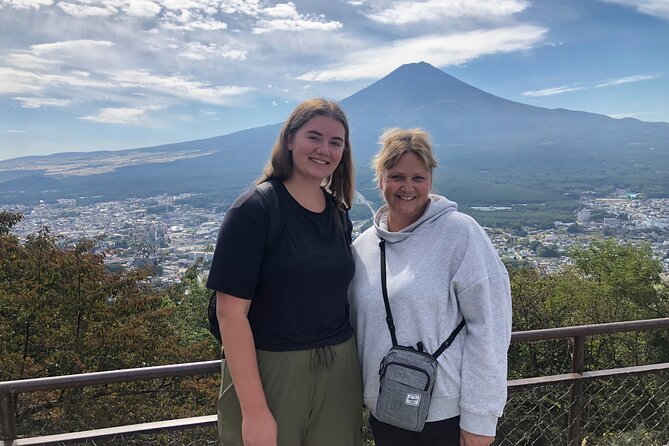
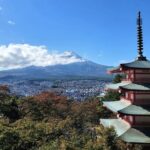
Stop 3 is Chureito Pagoda, part of Arakurayama Sengen Shrine in Fujiyoshida. This is one of the most popular Mt. Fuji photo spots, known for the red pagoda stacked in front of the mountain.
This stop feels special because it’s not random scenery—it’s designed symbolism. You get an iconic composition where architecture does the framing work, so your photos look “right” even when you’re not an experienced photographer.
A practical drawback: it’s a top destination. That means you’ll likely share space with other visitors, and timing matters. Your guide can help you pick a moment to reduce waiting and improve your view angle.
Admission isn’t included here either, so check costs ahead of time with your guide.
You can also read our reviews of more private tours in Tokyo

Oshino Hakkai: Eight Ponds That Explain Fuji’s Water Story
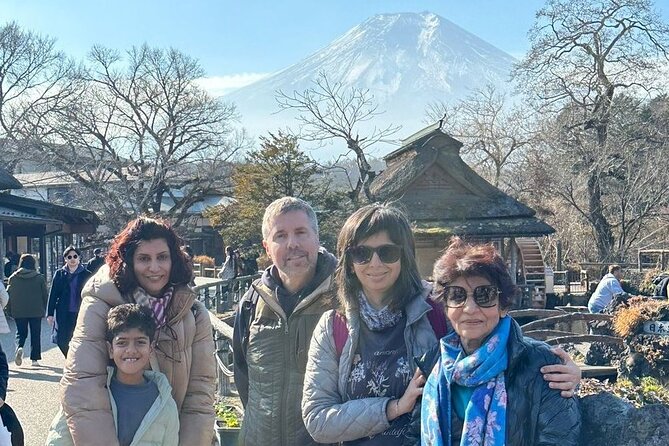
Stop 4 is Oshino Hakkai, a traditional village near the Fuji Five Lakes area. The highlight is eight ponds formed from spring water fed by snowmelt from Mt. Fuji.
This is one of those stops where slowing down makes sense. The ponds are small but meaningful, and they connect the mountain to everyday life in the region. If you’ve ever wondered why Fuji tourism is so tied to water, this is your answer in a walkable package.
Time is about 30 minutes, so you’ll want to focus on the ponds and the immediate village feel, not trying to cover every shop. Admission is listed as not included, but the ponds and village atmosphere are the core experience.
Kitaguchi Hongu Fuji Sengen Jinja: A Calm Break Between Big Views
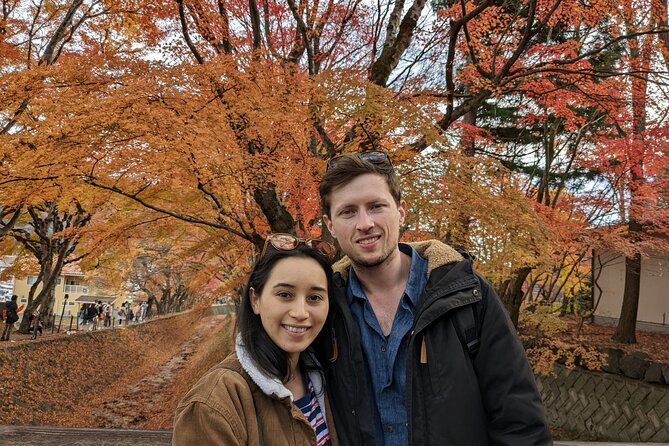
Stop 5 is Kitaguchi Hongu Fuji Sengen Jinja (Fujiyoshida Sengen Shrine), a Shinto shrine located on the north side of Mt. Fuji between Lake Kawaguchi and Lake Yamanaka.
Why I like this stop as part of a Fuji day: it adds cultural context. You’re not just chasing pictures—you’re learning how the region frames the mountain through faith and tradition.
Expect about 1 hour here. Since admission is listed as not included, budget for any entry-related fees if applicable at your exact route.
Narusawa Ice Cave: Volcanic Geology You Can Walk Through
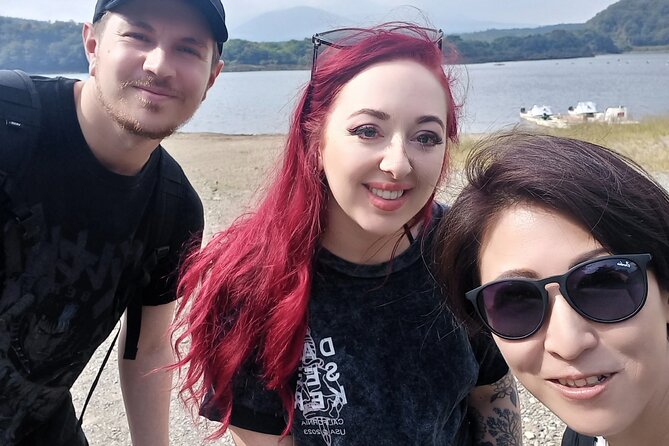
Stop 6 is Narusawa Ice Cave, a 153-meter lava cave in the Aokigahara Forest. You walk through inside the cave, and you can see ice pillars and an ice wall that are present all year round.
This stop gives your day a different kind of “Fuji effect.” Instead of only views and shrines, you get climate + geology. It’s a good reset when you’ve been outside chasing the mountain all morning.
Time is about 1 hour, and entrance isn’t included. Wear practical shoes because cave paths can be cooler and a little slippery compared to open-air areas (even when conditions are fine). Ask your guide what the surfaces are like that day.
Lake Kawaguchiko vs Lake Yamanakako: Two Lakes, Two Feelings
The tour includes time for both lakes, and that’s where your day starts to feel like a real comparison rather than a checklist.
Lake Kawaguchiko: Views Near the Eastern End
Stop 7 is Lake Kawaguchiko, one of the most visited lakes at the base of Mt. Fuji. You’ll focus on views around the eastern end, with the lake wrapped by natural scenery. Time is about 30 minutes, and admission is listed as free here.
With only half an hour, I’d treat this as a “positioning visit.” Your guide will likely help you find a good angle for Fuji and keep you moving.
Lake Yamanaka: Bigger Water, Different Shorelines
Stop 8 is Lake Yamanakako, the largest of the Fuji Five Lakes. It’s known for good Mt. Fuji views along its less developed northern shore, and it’s also famous for swan boat rides.
Time is about 30 minutes, and admission is listed as free. Since the swan boats are mentioned as a known feature, you might find it tempting to plan for them—but the tour data doesn’t say they’re included. If you want that experience, ask your guide whether there’s time and how it fits the pace.
Tokyo Return: Ending With the Practical Part Done for You
Stop 9 is returning to Tokyo with your guide using public transport. Travel time is about 2 hours, and admission is listed as free here.
This is a big deal for peace of mind. The Fuji area can feel complicated when you’re coordinating trains and timing for multiple locations. Having a guide handle the back-to-Tokyo logistics means you can enjoy the last stop instead of stressing about last connections.
Food Sense: Local Noodles and Yamanashi Treats You Can Add After
The tour overview points out the local noodle dishes of the area: Houtou and Yoshida udon. It also suggests enjoying a bottle of Yamanashi wine or fresh fruits after the tour.
Since lunch and personal expenses aren’t included, treat this as an optional add-on. The best move is to tell your guide what you’re hungry for—noodle style, sweets, or a drink—and ask where to go that fits the timing of your 3–4 chosen stops.
Price and Value: Is $286 Worth It for a Fuji Day?
At $286.14 per person for about 10 hours, you’re paying for a licensed guide, a private group experience, and a route that can be personalized to your interests. You’re also paying for someone to manage the hard part: the mix of planning, timing, and navigation between Tokyo and the Fuji area.
Here’s what’s not included, which affects real value:
- Transportation fees (you travel by train/bus, and fees are not included)
- Entrance fees and attraction tickets (ropeway and several stops are listed as not included)
- Lunch and other personal expenses
- Private vehicle (you’re on foot + public transit)
So, the tour price is best viewed as the guide + experience planning cost, not a full package with every ticket covered. If you’re already planning to buy ropeway and cave tickets anyway, your incremental cost may feel more reasonable.
Where this can be great value:
- You care about a guided explanation, not just sightseeing
- You want flexibility in which 3–4 sites you prioritize
- You want smoother day flow without getting lost in transfers
The Kind of Guide Who Makes This Tour Better
Two guide names stand out from real experiences: Mura san and Hide. Mura san was described as extremely professional, with a fun, educational approach that went beyond the exact sights to include culture and history. Hide showed the kind of last-minute adaptability you really want in Japan’s weather-prone regions, using humor and flexibility when plans had to change.
Even if everything runs smoothly, this is what you’re buying: a guide who can answer questions on the spot and keep the day enjoyable, not just “walk here, take photo, move on.”
Who Should Book This Mt. Fuji Five Lakes Private Tour?
This tour fits best if you:
- Want a private, guide-led Fuji day without renting a car
- Like mixing iconic photo stops with a few cultural or nature explanations
- Are comfortable with a walking/public transport day
- Prefer to choose 3–4 high-priority spots rather than trying to cram everything in
It may feel less ideal if you:
- Want every ticket and transport cost fully included
- Need minimal walking and no transfers (this is not a private car tour)
Should You Book This One?
If your goal is a well-paced, guided Fuji day with smart choices, I’d say yes—especially because you can shape the route around your own priorities. The big wins are the licensed guide, the option to choose your 3–4 stops, and the way the day mixes views, water, shrines, and geology.
If you’re traveling on a strict budget or you hate managing add-on tickets, you might want to price out ropeway and cave entry before booking. Either way, this tour is at its best when you treat it as a guided plan with a few extra ticket purchases, not as an all-inclusive ticket bundle.
FAQ
How many places can I visit during the Mt. Fuji Five Lakes private tour?
You can choose 3 to 4 sites from the available Fuji Five Lakes area options. After booking, your licensed guide will help plan a personalized itinerary based on your preferences.
Is there a private vehicle provided for this tour?
No. This is a walking/public transport tour, and no private vehicle is provided. You’ll travel by train or bus between Tokyo and the Fuji area.
What costs are not included in the tour price?
Transportation fees, entrance fees, lunch, and other personal expenses are not included. Many sights on the route list admission as not included, including the Mt. Fuji Panoramic Ropeway.
Where will the guide meet me in Tokyo?
Your guide can meet you at your hotel or at Shinjuku station. They’ll coordinate the meeting within a designated area.
How long is the tour?
The tour is listed as about 10 hours.
Can I cancel for a full refund?
Yes. You can cancel up to 24 hours in advance for a full refund, based on the experience’s local time.