REVIEW · TOKYO
Asakusa: Beginner-Friendly Japanese Dance Workshop
Book on GetYourGuide →Operated by YUKI YOSHIDA · Bookable on GetYourGuide
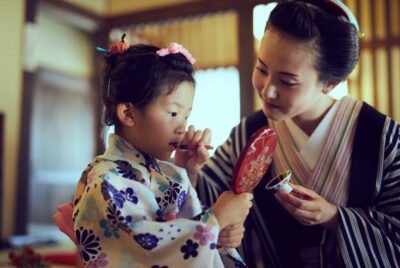
A white-painted dancer and a fan lesson. This beginner-friendly Nihon Buyo workshop turns Asakusa’s old-town energy into something you can actually feel—slow gestures, elegant rhythm, and a kimono performance right in the neighborhood near Kaminarimon Gate. I like that it’s built for first-timers, not people who already know Japanese dance moves.
Two things I especially enjoyed are the welcome matcha ritual and the chance to copy a few graceful fan steps under calm guidance. The one catch: matcha service stops about 5 minutes before the performance starts, so you’ll want to show up a bit early and not run on Tokyo-style time.
In This Review
- Key Takeaways Before You Go
- Why Asakusa Works So Well for Nihon Buyo
- Your 45-Minute Flow: Matcha, Performance, Fan Practice, Photos
- The Kimono Performance and the Shironuri White Makeup Moment
- The Fan Dance Workshop: Gentle Steps You Can Actually Do
- Photo Time With the Dancer: What to Expect and How to Make It Easy
- Welcome Matcha: Small Ritual, Big Cultural Credit
- Price and Value: Is $25 Worth It?
- Who This Workshop Is Perfect For (And Who Might Prefer Something Else)
- Practical Tips So You Enjoy It More
- Should You Book This Asakusa Japanese Dance Workshop?
- FAQ
- What is the duration of the workshop?
- How much does it cost?
- Where is the meeting point?
- Do I need dance or costume experience?
- What will I do during the session?
- Is the welcome drink included?
- When is the matcha served until?
- Is there cancellation flexibility?
Key Takeaways Before You Go
- Beginner-friendly Nihon Buyo basics with gentle fan-movement guidance
- A pro kimono performance, including the white stage makeup tradition (shironuri)
- Matcha welcome drink before the show (served only until a few minutes prior)
- Photo time with the dancer after the performance, plus a chance to chat
- Bilingual support from an instructor in English and Japanese
- Wheelchair accessible, so you can plan without extra guessing
Why Asakusa Works So Well for Nihon Buyo
Asakusa is Tokyo’s “old town” zone, and that matters for this experience. Nihon Buyo is a storytelling dance with controlled, expressive movements, and the setting near Kaminarimon Gate gives that art form a natural, lived-in backdrop.
I also love that you’re not stuck in a generic theater setting. You’re in the same area where visitors come to soak up traditional Tokyo, which makes the workshop feel less like a tourist activity and more like cultural practice.
And because this is taught in a way that welcomes non-dancers, you don’t need confidence to participate. You just need curiosity and a willingness to move slowly.
You can also read our reviews of more tours and experiences in Tokyo



Your 45-Minute Flow: Matcha, Performance, Fan Practice, Photos
This experience is short on purpose: 45 minutes total, designed to fit into a sightseeing day without stealing hours. You’ll start with a welcome drink, then the live performance, then a guided workshop, and finally photos with the dancer.
Here’s the rhythm to expect:
- Welcome matcha is served before the show begins
- A professional performance in kimono follows
- You’ll learn basic fan dance movements with instructor guidance
- The session ends with a commemorative photo time with the performer
A practical tip: the meeting point directs you to go straight to the 6th floor. If you’re navigating crowds around Kaminarimon, give yourself extra minutes so you’re not stressed at the start.
The Kimono Performance and the Shironuri White Makeup Moment
The show portion is the heart of the workshop. You’ll watch a live Nihon Buyo performance by a professional dancer wearing a kimono, and the styling goes beyond “pretty costume”—it’s part of the storytelling language.
One moment that stands out is the tradition of shironuri, the white stage makeup used in Japanese theater and dance. This isn’t just a visual detail; it signals how the dance reaches for a theatrical clarity, where expression travels through the whole body.
I also like that the dance style is explained in simple terms: Nihon Buyo is rooted in the Edo period and uses refined, slow, controlled movements. That means even if you don’t know the “plot,” you can still read the mood—like when a performance shifts between lighter and more dramatic gestures.
The Fan Dance Workshop: Gentle Steps You Can Actually Do
After the performance, you’ll try basic movements using a folding fan. The workshop is designed for beginners, so you’re not expected to already know posture, timing, or choreography.
What makes this portion valuable is how it turns art-viewing into art-doing. You’ll learn that fan dance isn’t random waving; it’s about controlled directions, graceful angles, and calm transitions.
The instructor (available in English and Japanese) guides you through the movements in a way that helps you focus on the essentials. If you’ve never danced before, this is where the experience becomes personal—you’ll feel the rhythm in your arms and the patience in your timing.
Also, no special outfit is required. The program explicitly says you do not need to wear a kimono, which makes this way easier to fit into a normal day in Tokyo.
Photo Time With the Dancer: What to Expect and How to Make It Easy
The session ends with a photo opportunity with the performer in full kimono and makeup. This part is more than a souvenir photo—it’s a chance to step out of your spectator role and acknowledge the craft in front of you.
Plan to follow the guidance from the team quickly and calmly. If you’re thinking about what to do for the camera, keep it simple: listen for instructions, stand where you’re directed, and let the moment happen.
In at least one experience, there was also an added touch of friendliness—hospitality that included a small origami fan gift. I’d treat that as a possible extra rather than a guarantee, but it gives you a sense of the warm, welcoming tone you may experience.
And since there’s a brief chance to chat after the performance and photos, it’s a good moment to ask a friendly question like how long the dancer has trained in this style—if the time allows.





Welcome Matcha: Small Ritual, Big Cultural Credit
The welcome drink is a real part of the atmosphere here, not a throwaway add-on. You’re served matcha (Japanese green tea) before the performance begins, giving you a quiet minute to settle before the lights and music.
One important detail: matcha is served only until about 5 minutes before the performance starts. After that cutoff, they can’t provide drinks due to preparation timing. So if your day runs late—common in Asakusa—build in buffer time so you don’t miss it.
I like this structure because it helps keep the experience flowing. It also nudges you to arrive ready, which makes the whole visit feel smoother once it starts.
Price and Value: Is $25 Worth It?
At $25 per person, you’re paying for a compact, high-signal cultural moment: a live professional performance, beginner instruction, and a photo session with the dancer. That’s a lot bundled into a short timeframe.
Here’s where the value really comes from:
- You’re not just watching; you’re doing a short fan lesson
- You get access to a professional performer in kimono and shironuri makeup
- The experience includes photos, which are often the thing people regret not budgeting for
- You receive a welcome drink, which sets the tone and keeps it feeling special
If you’re the kind of traveler who likes “one great experience” rather than a long list of activities, this fits well. It’s also a solid option if you want something meaningful but don’t want to commit a whole afternoon.
Where it might not feel worth it is if you only want museum-style observation and hate any physical participation at all. The workshop is gentle, but you will be asked to move.
Who This Workshop Is Perfect For (And Who Might Prefer Something Else)
This is a great fit if:
- you’re visiting Asakusa and want something cultural beyond walking and shopping
- you want a beginner-friendly way to interact with Japanese performing arts
- you like respectful, guided experiences where staff helps you feel comfortable
- you’re traveling with a child or someone who needs a shorter, calmer activity
In a shared experience, a parent and son were impressed by how elegant the dance felt and how it expressed Japan’s four seasons. That’s a good clue that the performance often carries clear emotional storytelling, not just technique.
You might consider another option if:
- you’re very timing-sensitive and can’t reliably arrive early (matcha service ends quickly)
- you strongly dislike photos or don’t want any posed moment at the end
But for most first-timers, the comfort level is high. The whole program is designed to lower the intimidation barrier.
Practical Tips So You Enjoy It More
A few small choices can make the visit feel effortless:
- Arrive early to catch the matcha window. The cutoff matters.
- Wear comfortable clothes for arm and shoulder movement, since you’ll be practicing fan gestures.
- Bring your camera/phone if you want extra photos beyond the official photo time (they’ll guide the commemorative session).
- If you’re unsure about anything, use the fact that the instructor supports English and Japanese.
Also, don’t overthink posture. Nihon Buyo is about controlled movement, but the workshop is built for learning. Your goal is participation, not perfection.
Should You Book This Asakusa Japanese Dance Workshop?
Book it if you want a short, respectful cultural experience in Asakusa that combines a live Nihon Buyo performance, a beginner fan lesson, and a real photo moment with a professional dancer. It’s one of those activities that helps you remember Tokyo beyond photos of streets.
Skip it or look elsewhere if you’re arriving late most days, because the matcha timing is strict. If you’re good with planning a bit ahead, you’ll get more out of the whole flow.
If you like arts that have rules—slow gestures, clear expressions, traditional staging—this will click fast. And if you’re traveling with family, it’s easy to understand and fun to do together.
FAQ
What is the duration of the workshop?
The experience lasts 45 minutes.
How much does it cost?
It costs $25 per person.
Where is the meeting point?
You should go directly to the 6th floor at the meeting point.
Do I need dance or costume experience?
No. There is no dance or costume experience needed, and it’s designed for first-timers.
What will I do during the session?
You’ll watch a live performance by a professional Nihon Buyo dancer in kimono, then join a beginner-friendly fan dance workshop, and finish with a photo session with the dancer.
Is the welcome drink included?
Yes. You’ll be served a complimentary cup of matcha before the performance begins.
When is the matcha served until?
The drink service ends about 5 minutes before the performance starts, so you’ll need to arrive early to have it.
Is there cancellation flexibility?
Yes. Free cancellation is available up to 24 hours in advance for a full refund.