REVIEW · TOKYO
Tokyo: Mount Fuji & Hakone Private Tour with Guide
Book on GetYourGuide →Operated by TheTokyoTravel · Bookable on GetYourGuide
Mount Fuji can hide fast, so watch for gaps. This private 10-hour ride from Tokyo strings together the Subaru 5th Station views and the Hakone Ropeway and Lake Ashi cruise, then ends with the Chureito Pagoda photo run.
I love how the day is built around specific sightlines: Subaru 5th Station sits at 2,300 meters, and the nearby Tenjosan Komitake Shrine is a classic spot to look out over the Fuji Five Lakes area. I also like the flexibility you get in a private setup, with an air-conditioned vehicle, onboard WiFi, and a team that can keep things moving without turning the day into a sprint.
The main consideration is simple: it’s a long day, and weather can change what you see. If skies are rainy or clouded, Fuji visibility can drop, and popular rides (like the ropeway and the pirate-ship cruise) can be delayed by lines and timing.
In This Review
- Key highlights you’ll actually feel during the day
- Subaru 5th Station: where the day can turn magical fast
- Two shrines that explain why Mount Fuji is more than a photo
- Oshino Hakkai: eight ponds, tea time, and easy local flavor
- Hakone Ropeway and Owakudani: volcanic views with real sensory punch
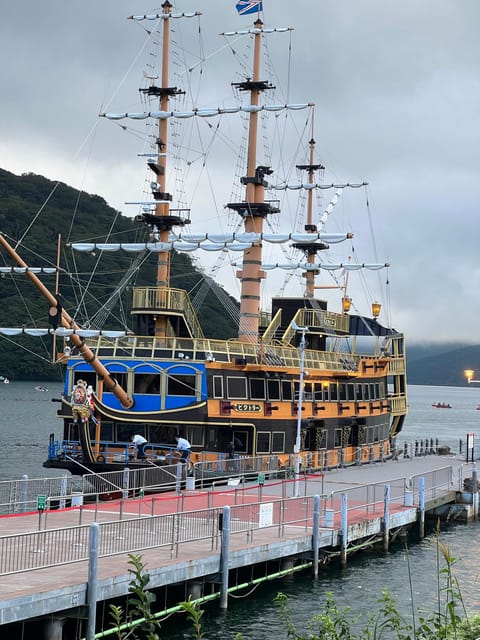
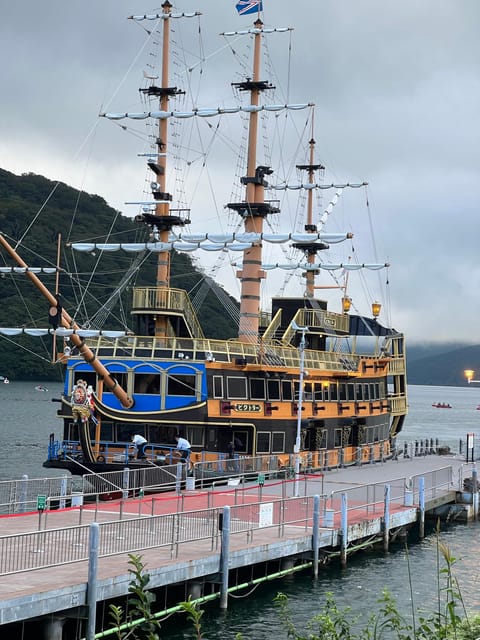
- Lake Ashi by boat: the pirate-ship moment you’ll remember
- Chureito Pagoda at Arakurayama Sengen Park: the iconic Fuji frame
- Price and logistics: what makes $761 worth it (or not)
- The human factor: drivers, language, and pacing that reduce stress
- Who should book this private Fuji and Hakone day
- Should you book this Mount Fuji and Hakone private tour?
- FAQ
- How long is the tour?
- What is the price and group size?
- Where do pickup and drop-off happen?
- Is the itinerary fully customizable?
- What’s included in the price?
- What is not included and may require extra payment?
- What language support is available?
- What should I bring?
- Is there an age limit?
- Can I cancel for free?
Key highlights you’ll actually feel during the day
- Fuji at 2,300 meters: Subaru 5th Station delivers high-altitude views when conditions cooperate
- Shrines with strong Fuji meaning: red torii, century-old cedar paths, and classic worship spots near the crater region
- Oshino Hakkai for the taste-and-texture break: eight ponds fed by Fuji snowmelt plus tea and local snacks
- Hakone Ropeway + Owakudani views: a scenic ascent with volcanic character and a real sense of place
- Lake Ashi by boat (including the pirate-ship option): water views of Fuji and Hakone’s dramatic terrain
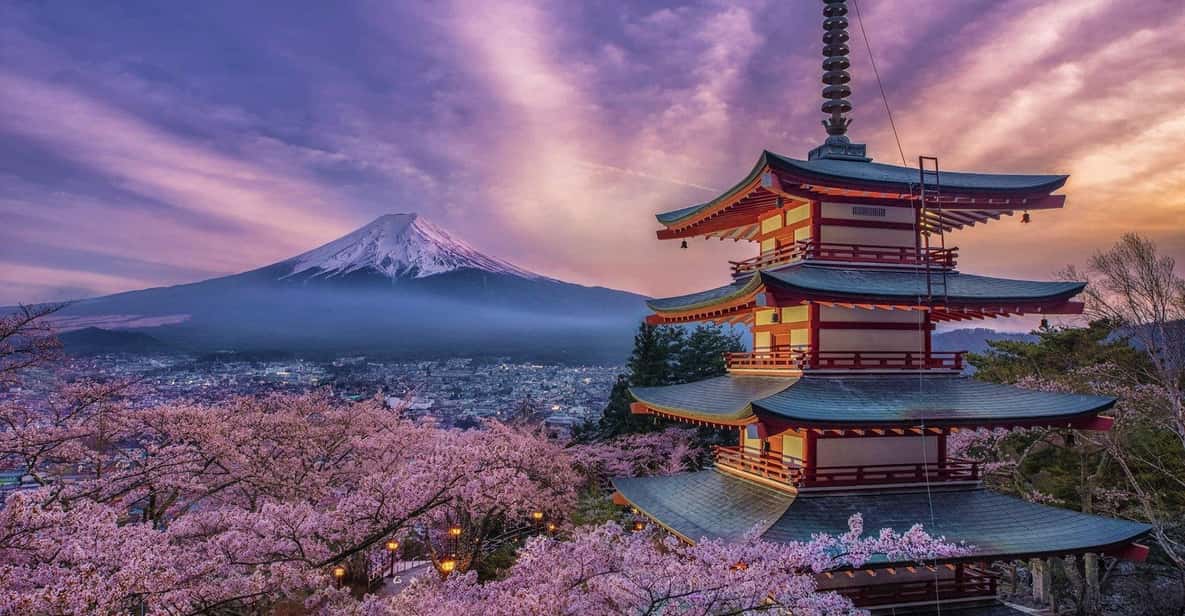
- Chureito Pagoda timing matters: Arakurayama Sengen Park gives you the iconic Fuji framing for photos
Subaru 5th Station: where the day can turn magical fast
Most Mount Fuji day trips live or die by weather. This one starts with altitude, and that’s a big advantage. Subaru 5th Station sits at about 2,300 meters, so even when lower areas are socked in, you sometimes catch clearer air once you’re up in the clouds.
When you arrive, expect a walk-and-photo style stop rather than a long sit-down visit. You’ll be able to see the crater area and the surrounding mountain scenery, and the wider view can stretch toward the Fuji Five Lakes region. The stop includes time to wander, take pictures, and get that big “I’m really close to it” feeling.
Right near the station, the Tenjosan Komitake Shrine is worth your attention. It’s positioned for outward views—especially toward Lake Yamanaka and the Fujiyoshida area—so you’re not just standing on a viewpoint, you’re visiting a shrine that’s part of why people come here.
Practical tip: bring layers even if Tokyo feels warm. Up at the station it can feel cooler and wind can make the day more tiring than you expect. Comfortable shoes also matter because you’ll do a fair amount of walking.
You can also read our reviews of more guided tours in Tokyo
Two shrines that explain why Mount Fuji is more than a photo
After Subaru 5th Station, the tour slows down in the right way: it shifts from “look at the mountain” to “understand the mountain.”
Kitaguchi-hongu Fuji Sengen Shrine is known for its striking red torii gates and a calmer, more reverent atmosphere than the main viewpoint areas. You’ll also get a shaded path lined with stone lanterns, including tall cedar trees said to be more than 1,000 years old. This stop doesn’t just add culture—it gives context for why Fuji is treated with such respect.
What I like about building in shrine time is that it balances your day. Fuji viewpoints can be windy and exposed; a shrine path lets you reset your pace and make the “private car day” feel more like a journey than a drive-thru checklist.
Photo note: this is a good place for portraits and slower shots, but you’ll also want to keep an eye on your schedule. Shrine visits are peaceful, yet you still have Hakone rides later.
Oshino Hakkai: eight ponds, tea time, and easy local flavor
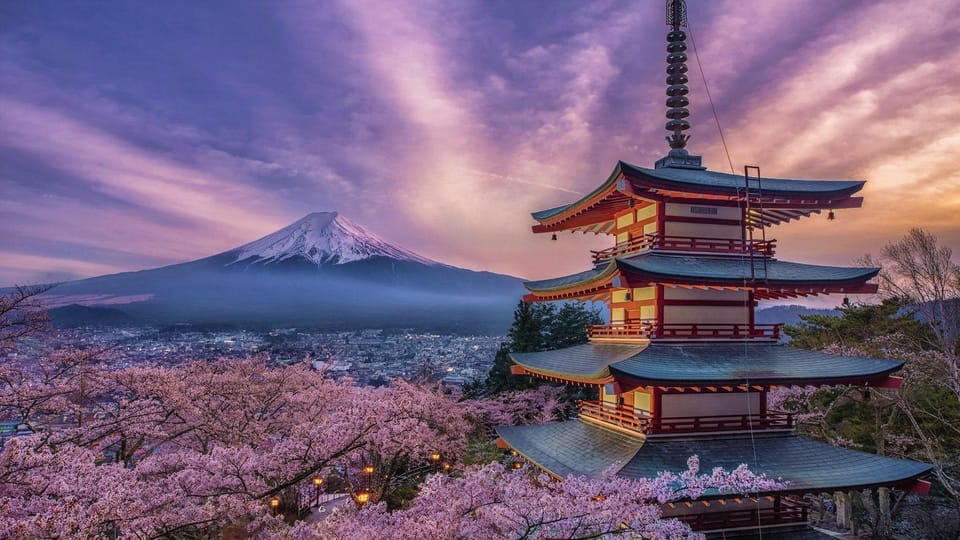
Next comes Oshino Hakkai, a neighborhood-style stop in the Fuji region built around water. The area is famous for eight ponds formed from melting snow of Mount Fuji. The ponds are the heart of the place, but the experience is also in the quiet strolling and the traditional-feeling houses nearby.
This is where the tour tends to feel most “real Japan” for a lot of people, because it mixes sightseeing with everyday stop-and-browse energy. You’ll have time for tea and the chance to try local snacks and street food. If you’re the type who likes small bites, this is an easier moment to slow down and actually enjoy the flavors instead of only snapping photos.
There’s also typically a lunch slot at a local restaurant after Oshino Hakkai. Some meals offered in this region can be warming and filling—one common favorite here is hoto noodles, which many people find delicious after the morning chill near Fuji.
Drawback to plan for: this stop can feel crowded around peak seasons, and that can affect how long it takes to walk between spots. The private nature helps—if you’re patient and flexible, you’ll get more out of the wandering.
Hakone Ropeway and Owakudani: volcanic views with real sensory punch
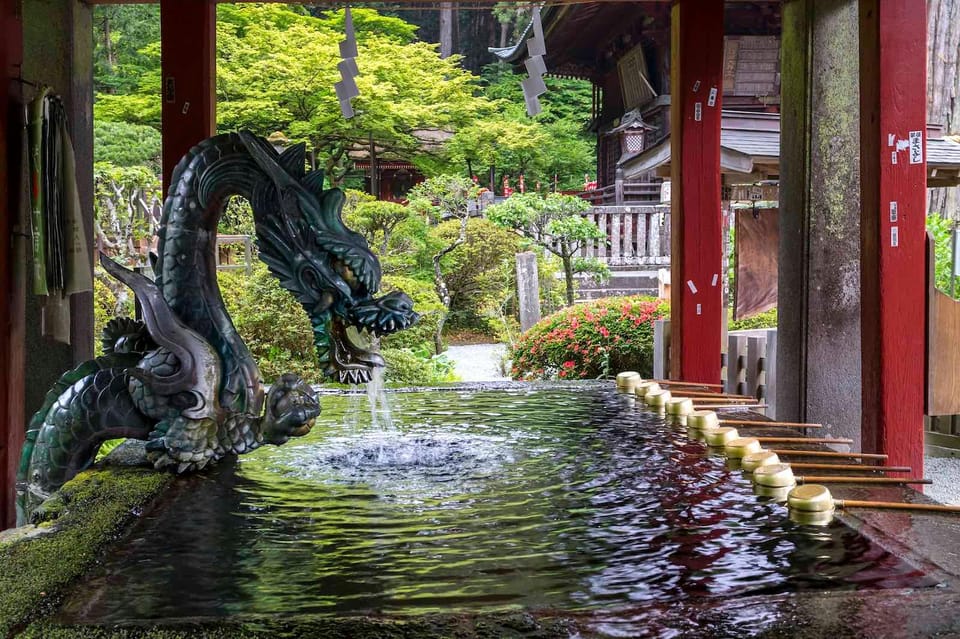
Hakone Ropeway is one of the big draw cards in the day, and it’s a smart mid-tour payoff. You’ll take a gondola ride (ropeway style) and have time for viewpoints along the way. This portion is designed around getting you above the volcanic terrain of Hakone.
The route is associated with panoramic views near Owakudani Valley, and that’s where you may notice a sulfur smell in the area. It’s not a deal-breaker, but it’s a helpful heads-up. If you’re sensitive to smells, you’ll want to plan for it briefly and keep your nose covered only if you truly need to.
I like that this part of the itinerary turns the day into more than just “look at water, look at mountain.” The volcanic character adds variety—steam, rock, and terrain that feels distinctly Hakone.
Line and timing reality: ropeways and gondolas can get busy, especially on busier days. A private tour helps you arrive with less chaos than public transit, but it doesn’t magically remove waiting. If your goal is to connect smoothly to the Lake Ashi cruise later, you’ll want to keep moving once you’re up there.
Lake Ashi by boat: the pirate-ship moment you’ll remember
Lake Ashi is where the scenery opens up. Expect a lakeside photo stop, then time for a boat cruise across the water. In this tour, you’re not just passing by—you’re getting onto the lake itself, surrounded by the mountains of Hakone National Park.
This is also where the famous pirate-ship style cruise can fit in. If you’re aiming for that exact experience, don’t assume it’s effortless. Boat boarding can involve lines, and timing matters if you’re trying to catch the later departures.
One of the best practical lessons I’d take from how this day runs: don’t underestimate waiting time for the ropeway in Hakone. If you get stuck in a long line on the way, it can compress your buffer before the cruise, especially if you want the pirate-ship ride.
If weather is good, you’ll likely get strong water-and-mountain views, and sometimes even a view of Mount Fuji depending on cloud cover. If it’s gray or rainy, the lake still has mood, but visibility can be reduced—so stay flexible and focus on the experience of being on the water.
You can also read our reviews of more private tours in Tokyo

Chureito Pagoda at Arakurayama Sengen Park: the iconic Fuji frame
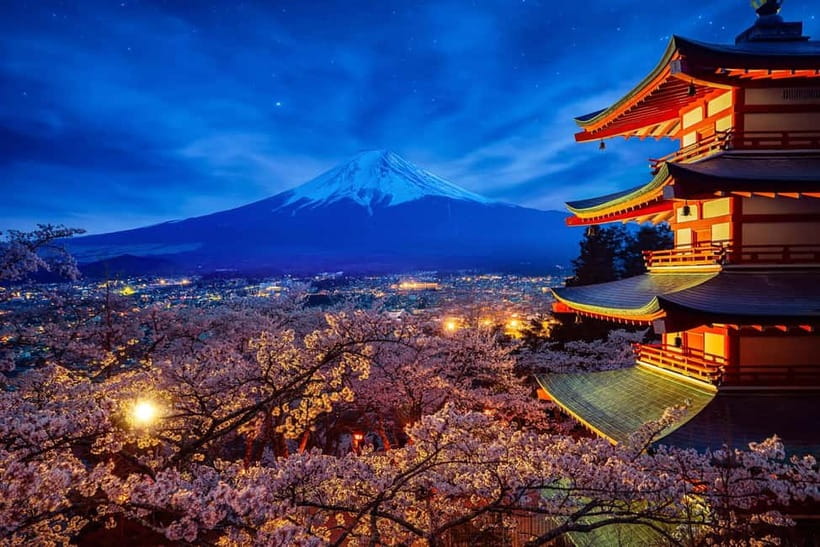
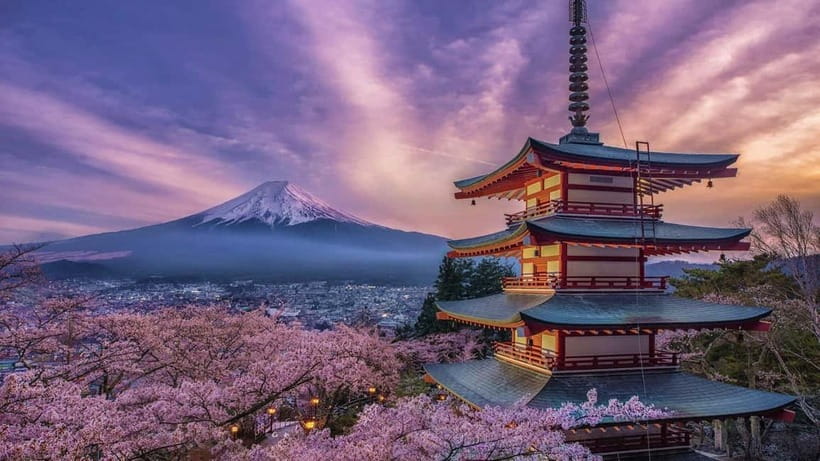
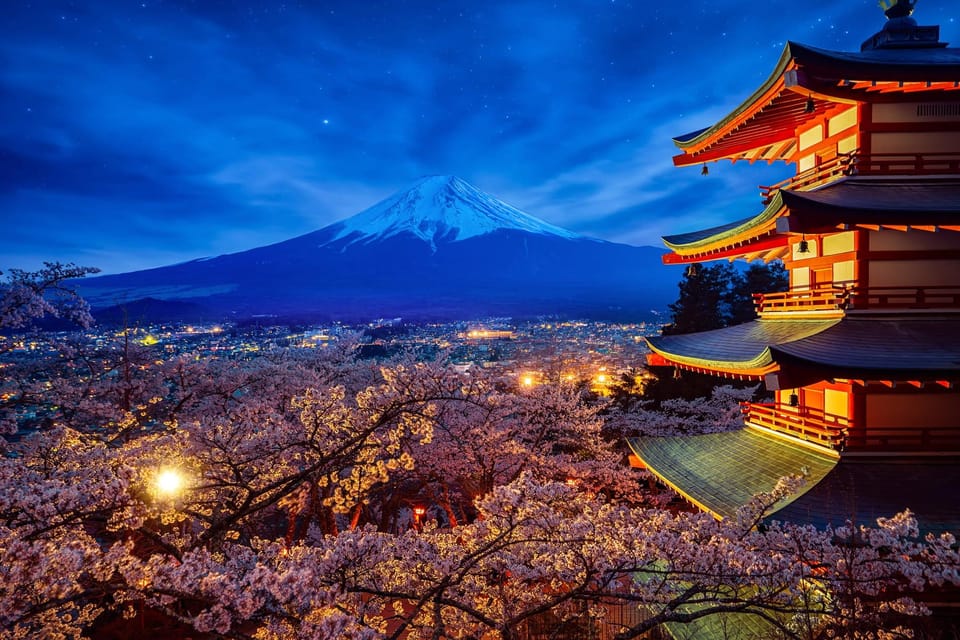
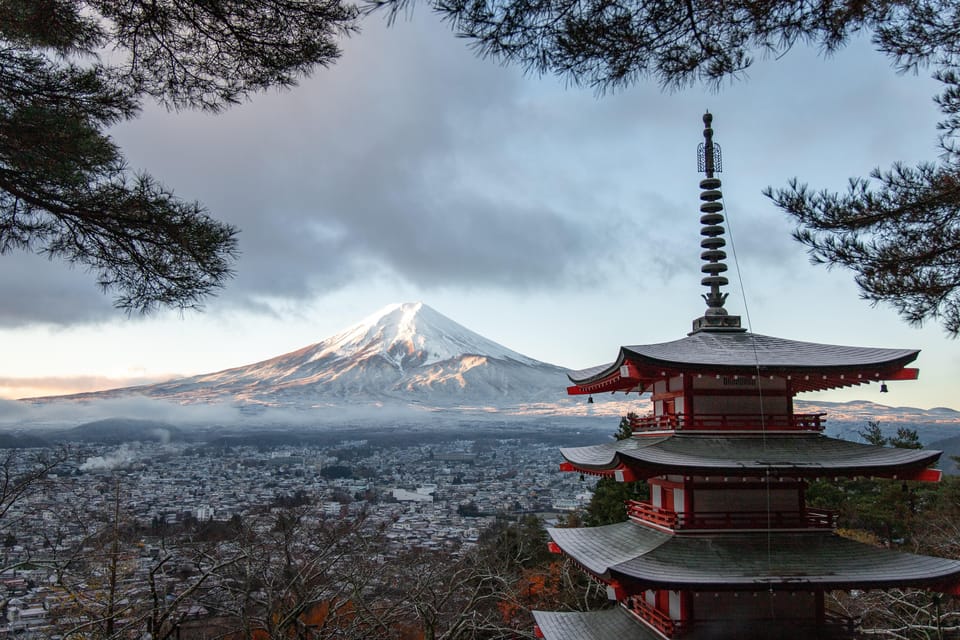
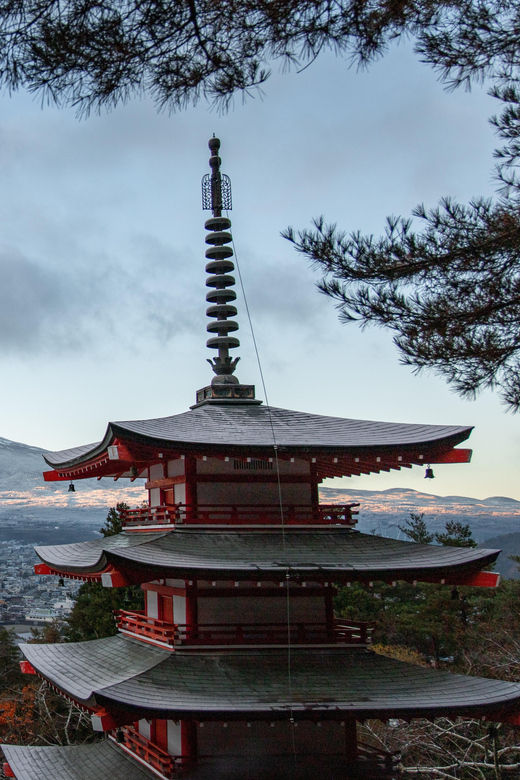
The Chureito Pagoda stop is the photo payoff. This five-story pagoda is set within Arakurayama Sengen Park in Fujiyoshida, and it’s designed for that classic Mount Fuji framing. The best times—based on seasonal patterns—tend to be around cherry blossom season and autumn foliage, when the park’s colors heighten the contrast.
You’ll have about two hours here, which is enough time to find good angles, move along the stairs and viewpoints, and still take your time with photos. This longer window is important because lighting can shift quickly, and Fuji can appear suddenly when weather opens up.
What I love about this stop for your day-plan is that it’s the kind of place where private pacing helps. You’re not stuck in a tight group funnel. You can take a moment, reposition, and try for a better shot without feeling like you’re holding up a bus.
Practical note: wear shoes you trust. The park area involves walking and stair sections. It’s not extreme, but you’ll feel it if you’ve already been walking since morning.
Price and logistics: what makes $761 worth it (or not)
This tour is priced at $761 per group up to 5 for a full 10 hours including pickup and drop-off. That price is mainly about private transport plus time management across a long day.
What you get in the vehicle is practical value:
- Hotel pickup and drop-off
- Air-conditioned transportation
- WiFi onboard
- Bottled water
- Driver, plus fuel, parking, and highway toll coverage
- Passenger insurance
What you still need to budget for:
- Lunch
- Fuji Subaru Line 5th Station entry fees
- Hakone Ropeway gondola ride tickets
- The Lake Ashi cruise tickets (including the pirate-ship option)
- A guide may not be included by default, so you should confirm what your confirmation covers—especially if you want a dedicated English-speaking guide rather than relying on the driver’s language support
In plain terms, this can be good value if you’re splitting the cost across up to five people and you want a calmer day without train transfers, ticket-hunting, and schedule juggling. It can feel pricey if you’re traveling solo or if you already plan to DIY the same stops and are comfortable managing timing on public transit.
One more logistical detail that matters: pickup/drop-off outside Tokyo’s 23 wards costs extra. If you’re staying farther out, build that into your final math.
The human factor: drivers, language, and pacing that reduce stress
This is a private experience, and the best versions of it hinge on the person behind the wheel and the flow of the day.
English/Japanese support is listed for the driver. In practice, many departures pair the driver with a guide who can help with history, photos, and timing. Names people have shared include Imran, Moon, Khan, and Zeshan, with drivers such as Komori, Danish, Abid, and Ahamed also showing up in confirmations people shared afterward. If your priority is storytelling, photography help, or smoother navigation, confirm your day includes the level of guidance you want.
The biggest practical win is pacing. The day is long, with multiple stops that could take more or less time depending on crowds and weather. A good guide/driver team keeps the day on track without making you feel rushed. That matters a lot when you’re trying to connect ropeway timing to the Lake Ashi cruise, or when Fuji visibility changes minute by minute.
If you’re traveling with kids, this kind of private rhythm can be a relief. People have noted that guides handled family needs and even built in small adjustments when the situation changed.
Who should book this private Fuji and Hakone day
This tour fits best if you want:
- A one-day plan that covers Fuji and Hakone without you coordinating everything
- Private transport, so you can set a comfortable pace
- Scenic priorities: Fuji viewpoints, volcanic Hakone, Lake Ashi cruising, and the Chureito Pagoda photo stop
- A calmer experience than train-hopping and transfers
It may not be the best fit if:
- You hate long days and lots of walking
- You’re traveling with mobility limits, since the itinerary includes walking, viewpoints, and park stairs
- You’re older than the stated limit (the activity notes it is not suitable for people over 95 years)
Should you book this Mount Fuji and Hakone private tour?
If you want Fuji and Hakone in one day and you value stress-free logistics, I’d say yes—with the right expectations. This is the kind of itinerary that shines when you treat it like a flexible sightseeing day, not a guaranteed Mount Fuji viewing contest.
Before you book, do two quick checks:
- Confirm what’s actually included for your language experience: driver only, or a dedicated English-speaking guide as well.
- Ask yourself if you’re okay with weather uncertainty. Even with perfect planning, fog and rain can reduce visibility, and you may need to adapt around ropeway or cruise timing.
If you’re traveling with family, a small group, or you simply want the classic highlights with less friction, this private format is a strong choice. For the price, you’re paying for convenience plus the chance to connect all the big stops smoothly—especially the Fuji viewpoints, Hakone’s volcanic scenery, the Lake Ashi cruise, and that unmistakable Chureito Pagoda angle.
FAQ
How long is the tour?
The tour lasts 10 hours, including hotel pickup and drop-off.
What is the price and group size?
The price is $761 per group, with a maximum group size of up to 5 people.
Where do pickup and drop-off happen?
Pickup is from your Tokyo hotel. You’ll be asked to wait in the hotel lobby about 5 minutes before pickup time, and you’ll be contacted by the driver ahead of arrival. Drop-off returns you to Tokyo.
Is the itinerary fully customizable?
Yes. The tour notes that it can be fully customizable, so you can add or remove places based on your preferences.
What’s included in the price?
Included items are hotel pickup and drop-off, air-conditioned transportation, WiFi on board, bottled water, a driver, passenger insurance, and costs like fuel, parking fees, and highway tolls.
What is not included and may require extra payment?
Not included: lunch, Fuji Subaru Line 5th Station entry fees, Hakone Ropeway gondola ride tickets, Lake Ashi pirate ship cruise tickets, and a guide (so confirm what’s covered for your departure).
What language support is available?
The driver is listed as having English and Japanese support.
What should I bring?
Bring comfortable shoes, comfortable clothes, and cash.
Is there an age limit?
Yes. The tour is not suitable for people over 95 years.
Can I cancel for free?
Yes. You can cancel up to 24 hours in advance for a full refund.