REVIEW · TOKYO
Tokyo Private Day Tour by Car with English speaking Driver Guide
Book on Viator →Operated by NIHON HORIZON TOUR · Bookable on Viator
Tokyo is huge; this tour gives you a plan. This private day outing focuses on the classics with hotel pickup and an English-speaking driver guide, so you spend less time figuring out transit and more time seeing Tokyo’s big sights. Guides like Vohra and Farrukh have also helped tailor the day around what mattered most to their group, including seasonal goals like cherry blossoms.
The main thing to watch is that entry tickets are extra, and your experience can swing depending on whether you get more driving support or true guiding narration. If you want lots of history while you ride, make sure you’re clear about that before you go.
In This Review
- Key Points at a Glance
- Private Car Touring Tokyo: How the 10-Hour Route Works
- Price and What’s Actually Included (and What Will Cost Extra)
- Icons on the Map: Stop-by-Stop Time Breakdown
- Senso-ji Temple (about 1 hour)
- Tokyo Skytree (about 45 minutes)
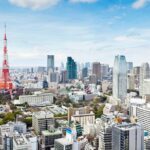
- Tokyo Tower (about 30 minutes)
- Imperial Palace (about 45 minutes)
- Shibuya Crossing (about 30 minutes)
- Tsukiji Fish Market (about 40 minutes)
- Takeshita Street (about 1 hour)
- Guide Style: When You Get a True Host (and When It Feels Like a Taxi)
- Timing, Weather, and Tokyo Traffic Reality
- Who This Private Day Tour Fits Best
- Should You Book This Tokyo Private Day Tour?
- FAQ
- How long is the Tokyo private day tour?
- What’s the group size limit?
- Does the tour include hotel pickup and drop-off?
- Is the driver an English-speaking guide?
- Is admission included for temples, towers, or other attractions?
- Are meals and drinks included?
- Is there a mobile ticket?
- Which stops are listed as free admission?
- When do I cancel for a full refund?
Key Points at a Glance
- Door-to-door convenience: meet & greet plus pick-up and drop-off from your hotel
- Small-group comfort: up to 6 people in an air-conditioned private vehicle
- Full day coverage: about 10 hours across central Tokyo highlights
- Tokyo icons, mixed with local streets: from Senso-ji and the towers to Shibuya Crossing and Takeshita Street
- Some costs are on you: temple, shrine, and tower entry fees plus meals and drinks
- Guide quality varies by driver: some guides act like full hosts; others focus more on transportation
Private Car Touring Tokyo: How the 10-Hour Route Works

This tour is built for people who want a first, solid “orientation day” in Tokyo without the stress of trains, transfers, and route math. You get a private car with an English-speaking driver guide, so you can ask questions in real time and adjust on the fly when your group wants more time somewhere—or wants to move on.
The schedule runs for about 10 hours, and the stops are spaced so you’re not just photo-stopping. You do get real walking time at each major location, but not so much that the day turns into one long slog. That balance matters in Tokyo, where even short distances can feel long due to crowds and traffic.
Your vehicle is air-conditioned, which sounds basic until you do Tokyo in summer heat or rainy weather. Also, since it’s private for your group of up to 6, you’re not stuck waiting for strangers. If someone needs a bathroom break or the group wants one extra look at a view, you’re not fighting a tour timetable.
One more practical point: Tokyo is the kind of city where first-time visitors often over-plan. A private route helps you avoid that trap because you’re starting with the “greatest hits,” then adding detail through the guide’s comments.
You can also read our reviews of more guided tours in Tokyo
Price and What’s Actually Included (and What Will Cost Extra)
The price is $391.92 per group for up to 6 people. That can work out well if you travel as a small group and want one booked plan instead of multiple taxis or separate half-day arrangements. For a full group, you can think of it as roughly $65 per person for the private vehicle and guide service, before any site entry fees.
What’s included is the part that usually costs you time and friction:
- Air-conditioned private transportation
- Pick-up and drop-off costs included
- Meet & greet included
- GAS and patrol costs included
- Highway toll taxes included
- English-speaking driver guide in person
What’s not included is where your budget can quietly grow:
- Any entry fees for places like temples, shrines, and rides (this tour notes that entry costs are not included)
- Meals and beverages (breakfast, lunch, dinner, and drinks cost extra)
So when you price this out, treat the base tour fee as the transportation + guiding package. Then add a daily allowance for paid entries and food. If you’re the kind of traveler who plans snacks and lunch every day (or wants to cover more ticketed viewpoints), you’ll feel the “extras” faster than someone who mainly focuses on walking and free areas.
Icons on the Map: Stop-by-Stop Time Breakdown
This is a classic Tokyo mix: spiritual landmark, skyline giants, imperial grounds, a human-traffic moment at Shibuya, then market energy, and finally Harajuku street life.
Here’s how the day is paced (approximate times are listed in the itinerary):
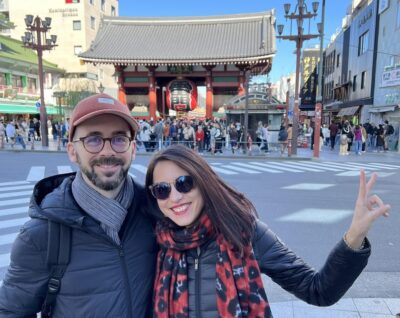
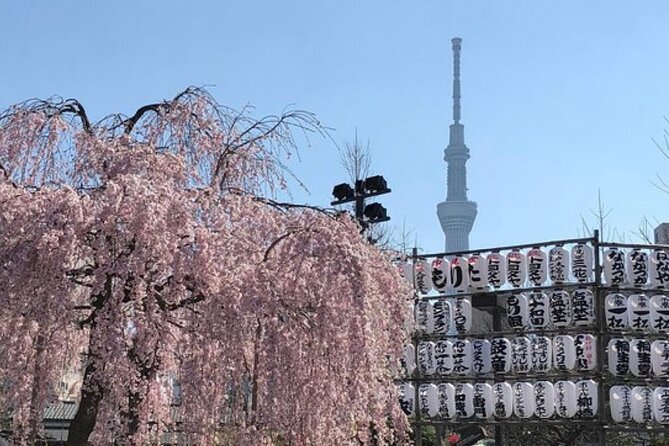
Senso-ji Temple (about 1 hour)
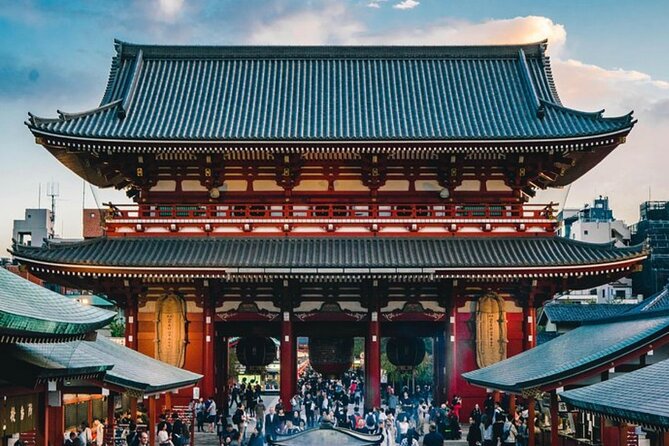
Senso-ji is described as Tokyo’s oldest temple, known throughout Japan as a center of religious faith connected to Avalokitesvara Bodhisattva—whose role is mercy. Expect a major, high-importance stop rather than a quiet temple visit.
Admission is listed as not included, so build in time and money if you plan to go into paid areas. If you want the best photos, you’ll still get plenty just by being in the area—but keep it flexible if crowds or worship activities change the flow.
Tokyo Skytree (about 45 minutes)
Skytree is the standout tower stop. It’s noted as the world’s tallest freestanding tower at 634 meters (2,080 feet). The tour text also includes a comparison point: it’s taller than other famous structures like Burj Khalifa and Merdeka 118 in the context of freestanding towers.
Again, admission isn’t included, so decide ahead of time whether you want the paid experience or prefer to enjoy the exterior views and surrounding area within your time window.
You can also read our reviews of more private tours in Tokyo

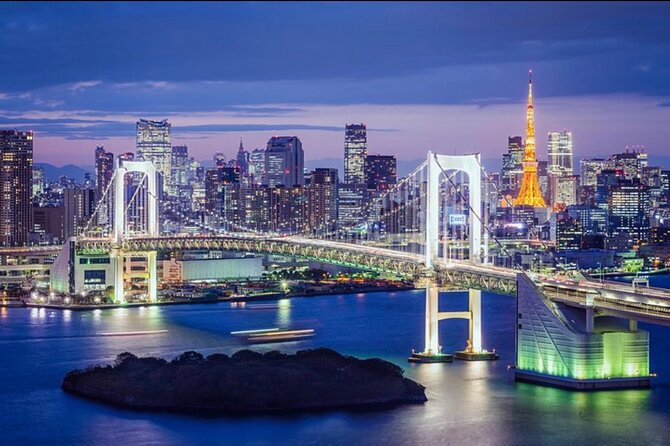
Tokyo Tower (about 30 minutes)
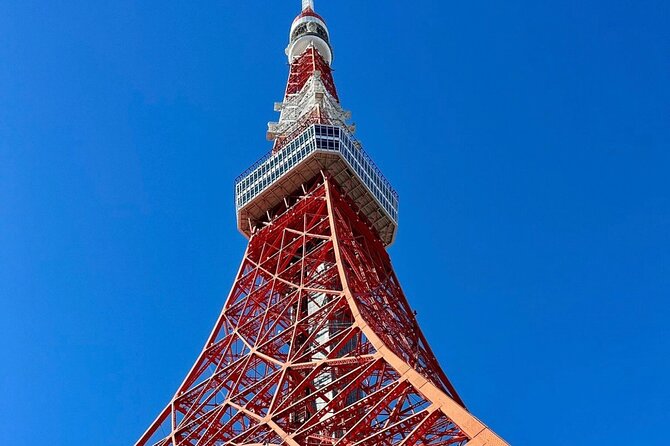
Tokyo Tower is smaller than Skytree by measurement, but it still has serious identity. It’s listed at 332.9 meters (1,092 feet) and was the tallest tower in Japan until Skytree opened in 2012. The tour also describes Tokyo Tower as a lattice tower inspired by the Eiffel Tower.
Admission is not included here too. With only about 30 minutes, this stop is best for getting the iconic photo and taking in the atmosphere unless you’re planning to add paid viewpoints (which will affect your time).
Imperial Palace (about 45 minutes)
This is not just a quick photo stop. The Imperial Palace is described as the emperor’s main residence and as a large park-like area in Chiyoda, with several buildings.
Admission is not included. One thing I’d plan for: timing. In a prior experience, the Imperial Palace was reported as closed at 14:45, so if your tour lands later in the afternoon, don’t assume everything will be open. If this is a must-do for you, ask your driver to explain what parts are realistically available that day.
Shibuya Crossing (about 30 minutes)
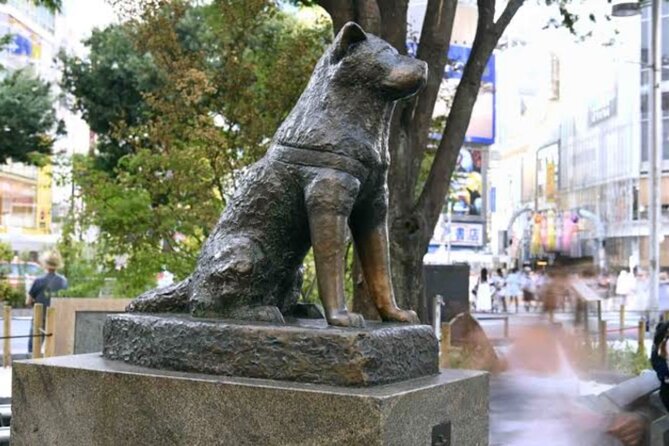
Shibuya Crossing is your energy reset—an intersection that feels like a living stage. The tour description gives a concrete sense of scale: during peak moments, an estimated 1,000 to 2,500 people cross every couple of minutes. It’s part of why it’s known for that famous “scramble” style of crossing.
This stop has free admission, which is great for budgeting. You’ll want a few minutes to choose a spot for photos and a few more minutes just to watch the flow, but you don’t need paid access to feel the spectacle.
Tsukiji Fish Market (about 40 minutes)
Tsukiji is described as a major tourist attraction for both domestic and overseas visitors. It’s placed in central Tokyo between the Sumida River and the upmarket Ginza shopping district.
Admission is listed as free on this tour. If you enjoy seeing how local food culture and busy market life operate—even from the tourist side—this is a good stop. With about 40 minutes, you can wander, snack if you choose, and still be on time for the next neighborhood.
Takeshita Street (about 1 hour)
Takeshita Street is Harajuku’s signature pedestrian zone. The description calls it known for unique fashion, trendy shops, and street food—especially crepes. It’s about 350 meters from JR Harajuku Station.
This is also free. With about an hour, you can browse shops, take pictures, and eat something quick if that’s your style. It’s a fun contrast after towers and temples.
Guide Style: When You Get a True Host (and When It Feels Like a Taxi)
This is the part where your outcome can vary. The tour includes an English-speaking driver guide, and in the strongest experiences, that guide acts like a real host—explaining what you’re seeing and helping shape the day.
I’d look closely at the guide stories because they show the range:
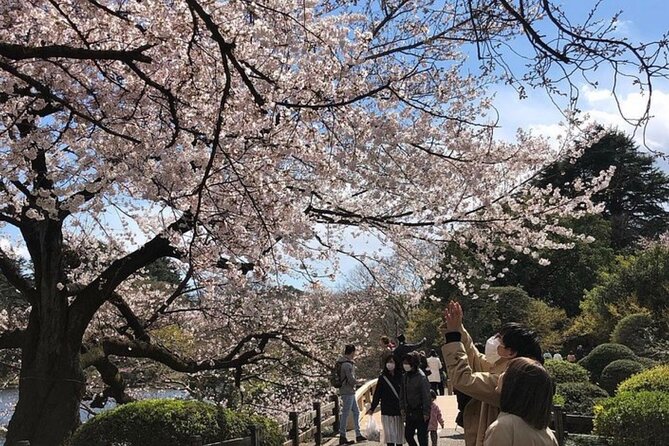
- Vohra was praised for being fantastic and for tailoring the itinerary for cherry blossom timing.
- Mr. Kamal (spelled that way in one account) was credited for making the day memorable through explanations and pacing.
- Hasan was noted for speaking Japanese, Hindi, and English, plus being thoughtful with a wheelchair need.
- Waqar was described as arriving early, staying formal, knowledgeable, and willing to reroute for bucket-list requests.
- Abdul and Farrukh were also praised for friendly, helpful attitudes and for sharing Tokyo know-how.
So what does that mean for you? When the guide is active, you don’t just get transport—you get context. When the guide is quieter or provides less narration, the day can feel more like being driven between stops, which is still useful, but not the same experience.
If you care about commentary, I’d go in prepared:
- Have a clear list of what you want most (for example, temples first, skyline second).
- Ask for what kind of explanations you’ll get during the drive and while walking at each stop.
- Be ready to trade off if you’re adding paid entries. Less paid time means less room for guided wandering.
Timing, Weather, and Tokyo Traffic Reality
Even with a private car, Tokyo doesn’t operate on your schedule. Traffic patterns, walking crowd levels, and weather can change what feels comfortable during a 10-hour day.
Bad weather came up in an experience where rain made it harder to enjoy some of the sights fully. That’s a normal risk in Tokyo. If you know the forecast is turning rainy, plan to keep your expectations flexible: you might do more “look and learn” from covered areas and less time lingering outdoors.
Time closures also matter. Imperial Palace timing was specifically noted as closed at 14:45 in one described case. The practical takeaway: if you’re traveling during a period when you care about one specific location, don’t assume it will always open late in the day. If your tour order places it later, consider having a backup plan for what you’ll do if access changes.
Who This Private Day Tour Fits Best
This tour is a strong match for:
- First-time visitors who want the biggest Tokyo highlights without figuring out train connections.
- Small groups (up to 6) who can spread the cost.
- Travelers who want door-to-door convenience: hotel pickup and return transfers mean less stress on arrival day.
- People who want a mix of sightseeing types: spiritual landmark + skyline + modern street culture + a market-area walk.
It also notes that service animals are allowed and that most travelers can participate, which can matter when you’re choosing between different types of tours.
If you’re the kind of traveler who wants a deep, step-by-step narrative at every stop, you might need to be more selective. The guide’s actual style seems to vary by person. Still, when you get a strong guide, the day can feel like a personal host day rather than a standard bus-tour route.
Should You Book This Tokyo Private Day Tour?
Book it if you want a simple, efficient Tokyo day built around iconic locations, and you value private, air-conditioned transport plus hotel pickup. With a group, the price can feel reasonable for what you’re buying: time saved and a direct, English-speaking help point.
Consider skipping or adjusting your expectations if you’re sensitive to tour-style guidance. Some experiences describe this more as transport between sights rather than a constantly guided lesson. Also remember the clear limits: entry fees and meals aren’t included, and timing matters—especially with Imperial Palace access.
My rule of thumb: if you’re ready to treat this as a well-planned highlight route with the option for guidance (not a guaranteed lecture marathon), it’s a smart buy. If you want one specific site at a specific hour, bring flexibility and ask about realistic timing for paid or access-dependent parts.
FAQ
How long is the Tokyo private day tour?
The tour runs for approximately 10 hours.
What’s the group size limit?
It’s priced for a group of up to 6 people.
Does the tour include hotel pickup and drop-off?
Yes. It includes pick-up and return transfers, plus meet & greet.
Is the driver an English-speaking guide?
Yes. The English-speaking driver guide cost is included, and they are in person.
Is admission included for temples, towers, or other attractions?
No. Entry fees for places like temples and towers are not included.
Are meals and drinks included?
No. Breakfast, lunch, dinner, and beverages are not included.
Is there a mobile ticket?
Yes. The tour includes a mobile ticket.
Which stops are listed as free admission?
Shibuya Crossing, Tsukiji Fish Market, and Takeshita Street are listed as free.
When do I cancel for a full refund?
Free cancellation is available up to 24 hours in advance of the experience start time.
![[1 Group Only] Explore Tokyo Ginza Food Tour for Family - The 6:00 pm start: why this timing works](https://e.thetokyoexplorer.com/wp-content/uploads/1-group-only-explore-tokyo-ginza-food-tour-for-family-400x267.jpg)