REVIEW · TOKYO
Tokyo: Allstar Food Tour
Book on GetYourGuide →Operated by Arigato Travel KK · Bookable on GetYourGuide
First night in Tokyo, eat your way through Ginza. This small-group 3-hour tour pairs Ginza luxury with Yurakucho lantern alleys, with tastings of regional seasonal flavors and Showa-era izakaya culture that help you understand how people actually eat out.
At $181 per person, it isn’t a budget move, and hotel pickup and transit aren’t included, so plan how you’ll get to the meeting spot near Ginza Station.
In This Review
- Key Highlights You’ll Feel Fast
- Ginza to Yurakucho in 3 Hours: Why This Route Works
- What You’ll Actually Taste: Seasonal Flavors and Old-School Shops
- Showa-Era Izakaya Culture: Drinking, Eating, and Small-Place Etiquette
- Ginza Luxury Meets Real Food: What This Neighborhood Adds
- Yurakucho Yokocho Alleys: Neon, Lanterns, and the Comfort of Side Streets
- The Dessert Stop: The Sweet Ending That Makes It Feel Complete
- Meeting Point Near Ginza Station: Find Your Start Without Stress
- Your English Guide: What the Best Explanations Sound Like
- Price and Value: Is $181 Fair for 3 Hours in Tokyo?
- Should You Book the Tokyo Allstar Food Tour?
- FAQ
- What is the duration of the Tokyo Allstar Food Tour?
- What’s included in the price?
- Where do I meet the guide?
- Are dietary options available?
- Do I need to provide passport information?
- Is transportation or hotel pickup included?
Key Highlights You’ll Feel Fast
- Ginza meets Yurakucho in one walkable loop, from upscale streets to narrow yokocho alleys
- Regional, seasonal tastings across Japan, not just one cuisine style
- Showa-era izakaya time with explanations of food and drink customs
- A couple of drinks are included, so you can focus on the experience, not the add-ons
- End with a sweet finish that wraps the whole night in a very Tokyo way
Ginza to Yurakucho in 3 Hours: Why This Route Works
This tour is built for your first day or first evening in Tokyo, when you need two things fast: orientation and good food. You spend your time in two Tokyo neighborhoods that feel totally different, yet sit close enough to connect on foot, which keeps the experience efficient.
The group stays small, with a maximum of 10 people, so you’re not lost in a crowd. That matters because food tours are all about timing—when something is hot, crisp, or just right, you want to be there when it’s at its best.
You should expect a walking pace that fits a casual dinner outing. If you’re easily tired by streets and stairs, build in energy for a bit of movement before you start eating.
You can also read our reviews of more food & drink experiences in Tokyo


What You’ll Actually Taste: Seasonal Flavors and Old-School Shops
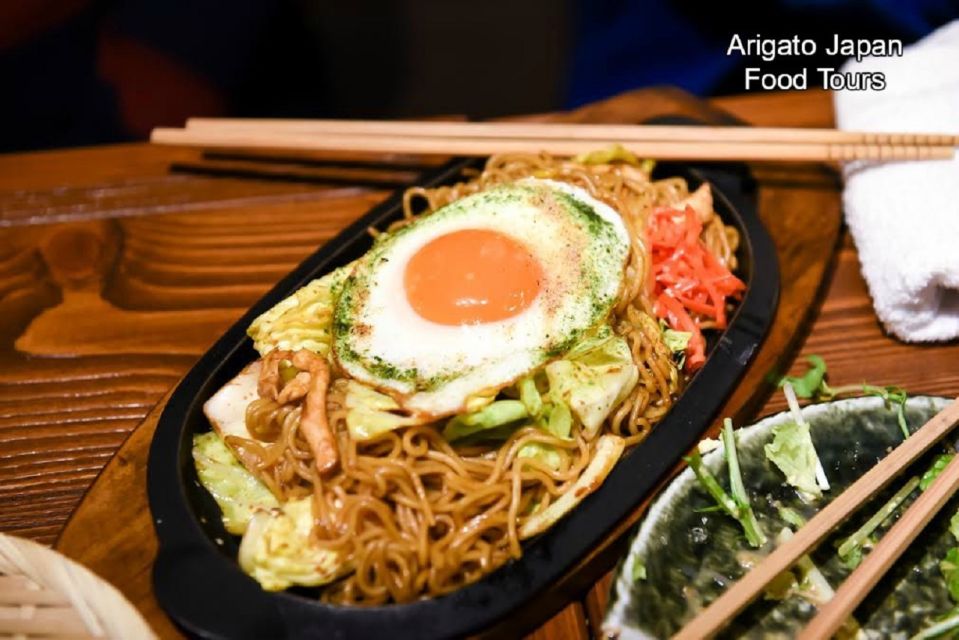
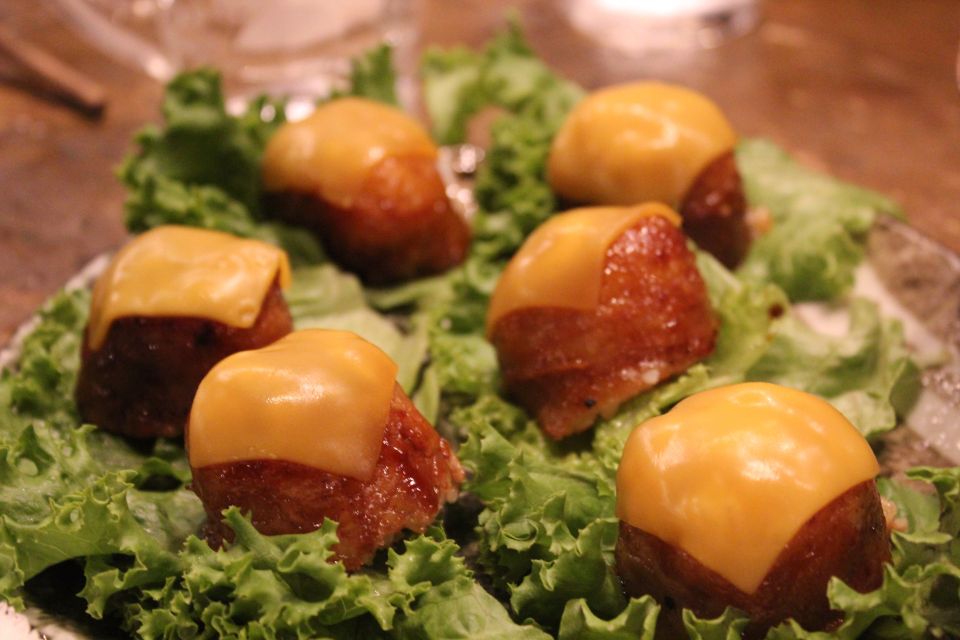
I love that this tour is not just a checklist of famous Tokyo foods. You get a variety of dishes at multiple stops, and the focus is on flavors that are regional and seasonal, so you taste a wider picture of Japan than you’d get from one restaurant meal.
Two specific “wow” items are called out in the tour description: you’ll try rice crackers with a secret recipe dating back over 200 years and you’ll visit a specialty snack shop with more than 300 years of history. Even if you don’t know the backstory going in, these details help you understand why Japanese snack culture can feel serious. It’s not just something you grab—it’s tradition you can eat.
You’ll also get unique desserts and snacks, and the way the tour is structured means you’re not stuffing yourself at one big stop. Instead, you sample, learn, and keep moving. That’s a smart style for Tokyo, where menus can be intimidating when you don’t read Japanese.
Dietary options are available, which is a big deal for comfort and enjoyment. If you have restrictions, double-check them early so the guide can steer you toward options that fit.
Showa-Era Izakaya Culture: Drinking, Eating, and Small-Place Etiquette
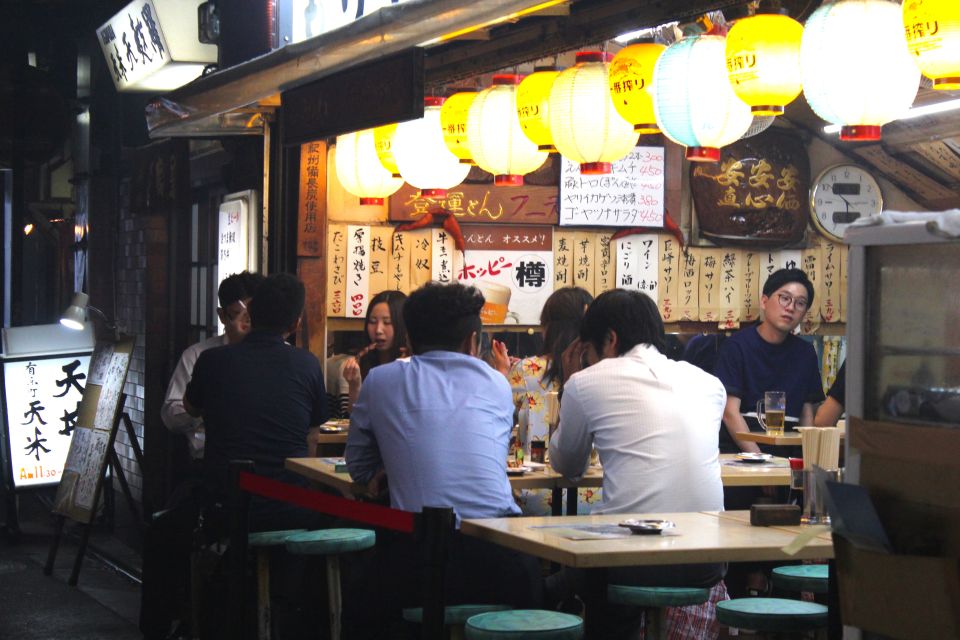
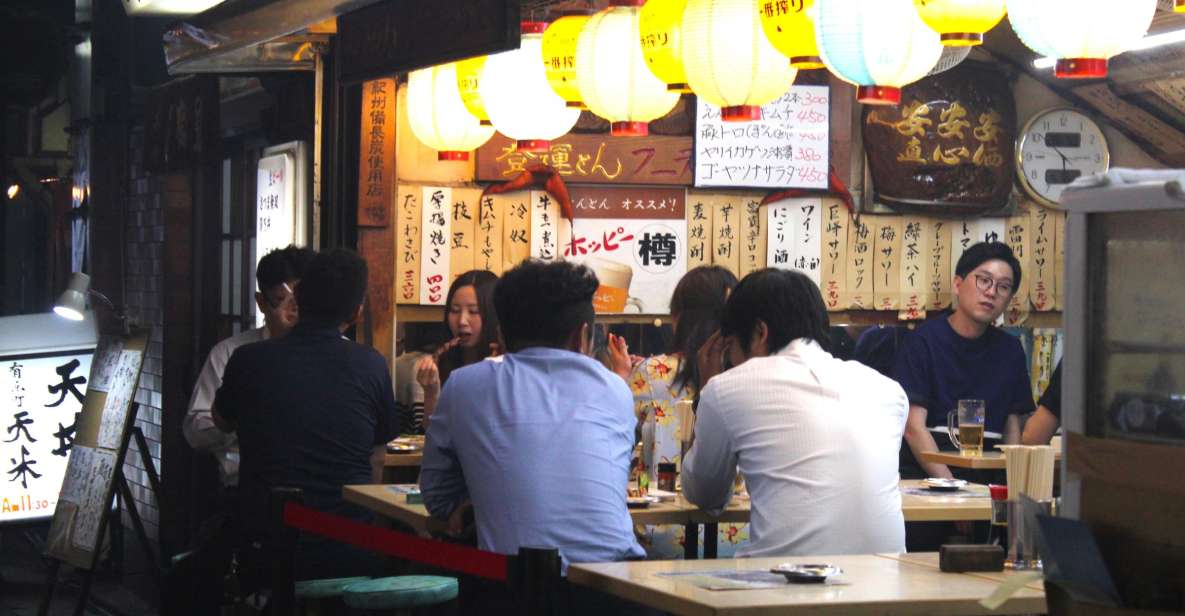
A highlight here is the chance to learn about Japan’s izakaya culture—the friendly pub style where people eat and drink together. The tour aims to take you to Showa-era spots, the kind of places that feel like time travel: warm light, close tables, and food that’s built for sharing.
You’re included with 2 drinks, which is practical. In many cities, drink costs can quietly double the price of a food tour. Here, you can enjoy the culture element without constantly doing math in your head.
The best part is the guide’s context—how people think about ordering, sharing plates, and pacing their night. You’ll get cultural and food customs explained while you’re in the middle of it, not after you’ve already eaten and moved on.
If you’re the type who likes restaurants but also wants to understand why something is served a certain way, this section is for you. The whole point is learning how casual dining works in Japan.
Ginza Luxury Meets Real Food: What This Neighborhood Adds
Ginza is famous for luxury, bright storefronts, and prices that can make you blink. What I like about starting here is the contrast: you get the polished Ginza streets first, then you shift to Yurakucho’s retro yokocho alleys, where the vibe turns cozy and lived-in.
This tour gives you the luxury district experience without turning it into a shopping exercise. Instead of window-shopping your way through Ginza, you’re there for food, and you’re learning as you walk.
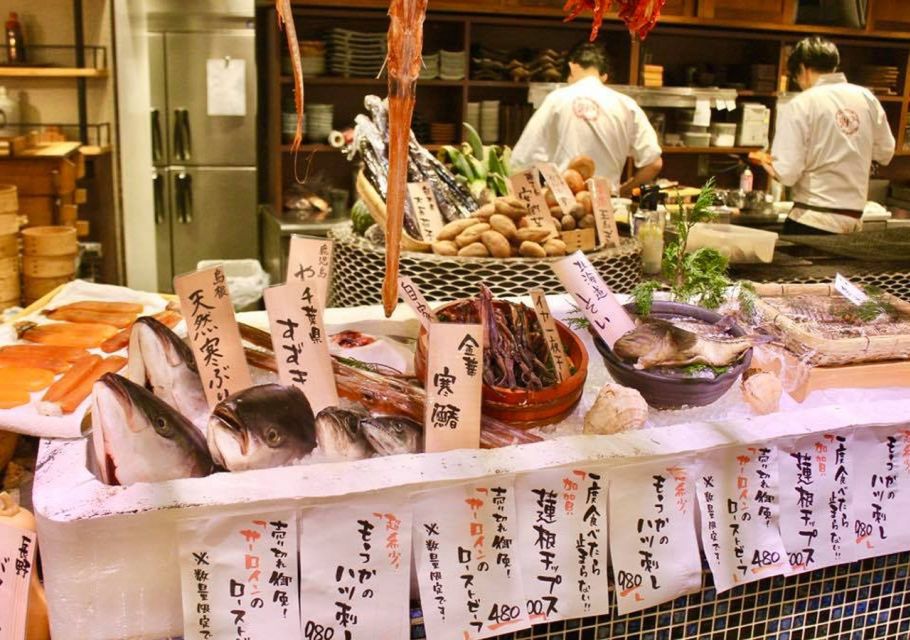
You might also notice how Tokyo treats food in unexpected places. One review detail that stuck with me is the idea of department-store style counters with an overwhelming amount of food products for purchase. Even if you’re not buying gifts, seeing how food is presented that way helps you understand Tokyo’s food obsession goes way beyond restaurants.
Yurakucho Yokocho Alleys: Neon, Lanterns, and the Comfort of Side Streets
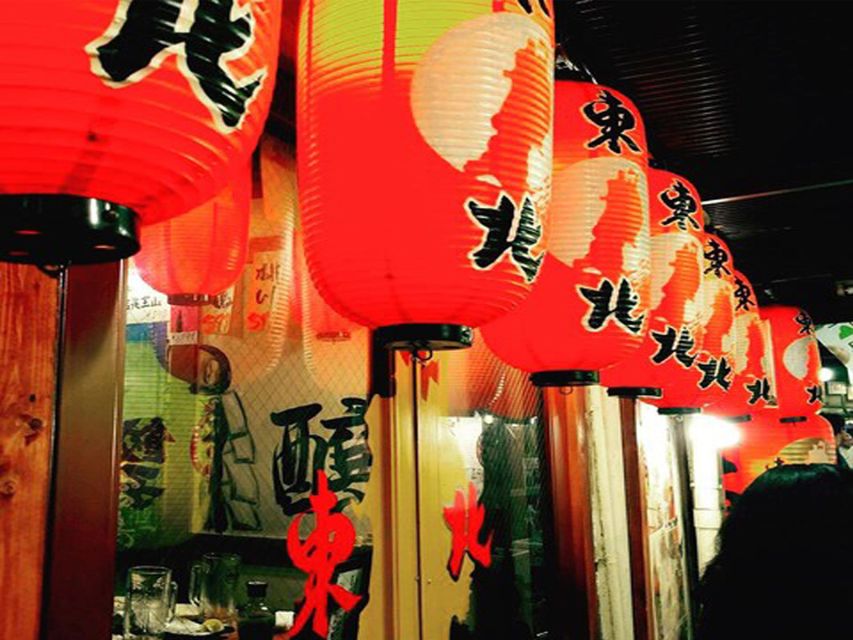
Then the tour shifts gears into Yurakucho, known for yokocho alleys—small lanes lined with dining spots. The description mentions walking beneath glowing red lanterns and neon signs, and that’s exactly the kind of visual Tokyo pulls off better than almost anywhere else.
Yurakucho is also where you can feel the “local life” atmosphere more directly. Conversations seem louder, streets feel narrower, and the food stops feel more personal. It’s a good place to be learning, because every alley reinforces the lesson that Tokyo dining is about atmosphere as much as it is about the dish in front of you.
If you’ve never been to an izakaya before, this is where your comfort grows. You’re not stepping into a foreign system alone; you’re following a guide who can explain what you’re seeing and how to order.
You can also read our reviews of more tours and experiences in Tokyo



The Dessert Stop: The Sweet Ending That Makes It Feel Complete
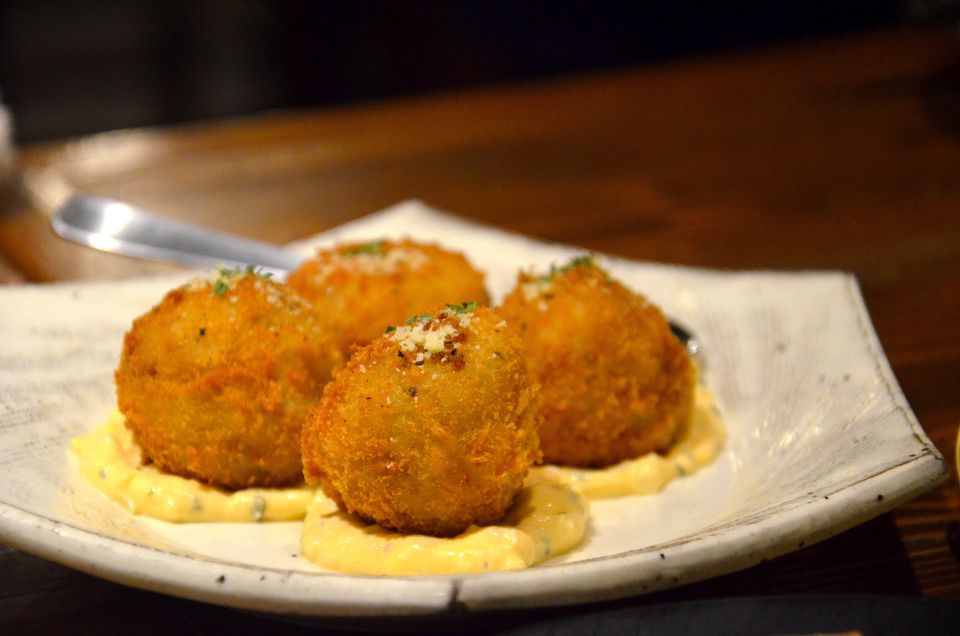
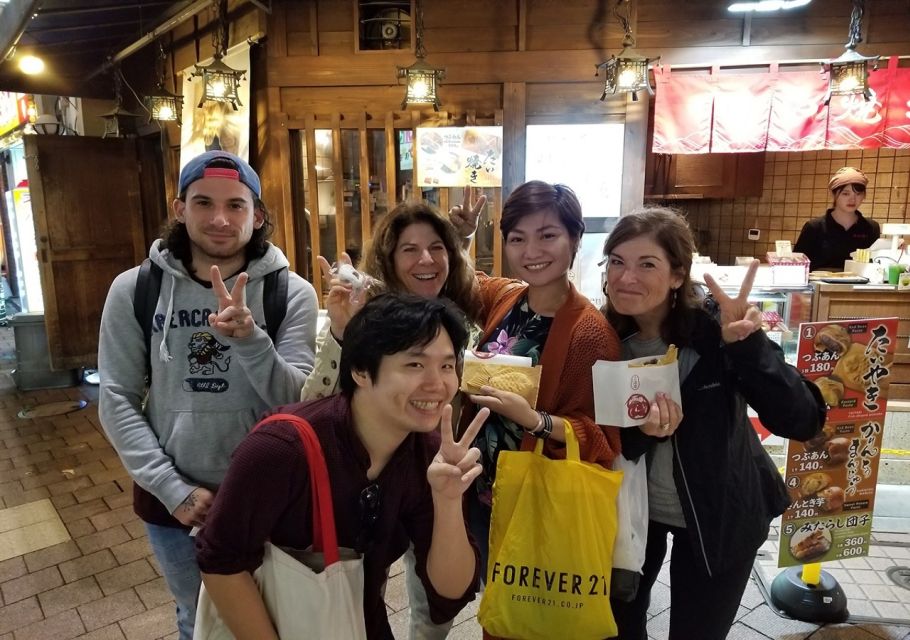
Every good food tour needs a strong ending, not just a random dessert added at the last minute. Here, you end with a delicious dessert and get additional snacks along the way.
Dessert on a tour like this does two things. First, it gives you a clear finish to the night so you leave happy instead of searching for one last thing elsewhere. Second, it helps you remember the tour’s theme: regional tastes, snack culture history, and a final moment that feels very Tokyo.
Don’t plan a heavy second dinner right after this. You’ll already be full from multiple stops, plus the included sweets.
Meeting Point Near Ginza Station: Find Your Start Without Stress
You’ll meet in front of the Ginza Wako Building, about a minute’s walk from Ginza Station. It’s one of those meeting points that’s easy once you’re there, but annoying if you exit the station the wrong way—so pay attention to the route guidance.
From Ginza Station, take the stairs and follow signs for Ginza 4 chome Crossing Gate. Pass the fare gate, then exit via A9. From there, the Ginza Wako Building should be your quick landmark.
No hotel pickup is included, though it can be arranged for an additional charge. Also, transportation costs aren’t included, so if you’re staying outside central Tokyo, budget for getting yourself to Ginza.
Your English Guide: What the Best Explanations Sound Like
This tour is led by a local English-speaking guide, and the reviews repeatedly praise guides who bring both humor and real passion for Japanese food. I’ve seen names like Motoko, Josh, Sandra, Satoshi, Anne, and Ryan mentioned for being warm, funny, and clear.
What I look for in a guide here is pacing and context. A good guide helps you taste, then explains what you’re tasting and why it matters. That’s how you leave with more than a full stomach—you leave with a better sense of how to order and what to look for on your own later.
You’ll also get spot-on recommendations as part of the experience, which is especially useful on a first Tokyo night. If you’re thinking, where should I go tomorrow, the guide’s suggestions can save you time and missteps.
Price and Value: Is $181 Fair for 3 Hours in Tokyo?
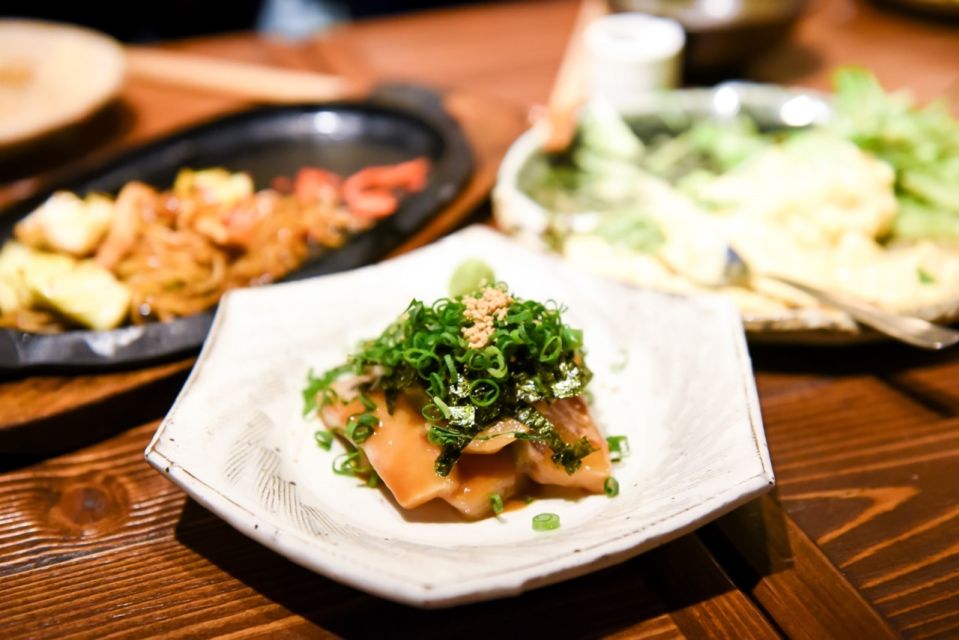
At $181 per person, this tour sits in the mid-to-upper range. But in Tokyo, that range can make sense when the tour includes multiple food stops, 2 drinks, and dessert/snacks, plus an English-speaking guide.
The value comes from the mix: you’re not only eating; you’re learning how Tokyo’s dining culture works. You’re also accessing food experiences you might not find by yourself, including the older snack traditions with long histories.
What can reduce value for some people is the cost of anything outside the included plan. Gratuity isn’t included, and any extra food or drinks you want to buy are at your expense. Also, since transportation costs aren’t included and hotel pickup isn’t part of the standard price, your real cost depends on where you start your evening.
Still, for many visitors, this tour hits the sweet spot: you pay once, you eat well, and you get a guided route through two neighborhoods that would take time to plan on your own.
Should You Book the Tokyo Allstar Food Tour?
If you’re in Tokyo for the first time and you want a simple, high-impact way to understand Japanese dining, I think this is a strong booking. The small group size, English guide, and included 2 drinks make it feel well thought out for a first night.
I’d pause only if you’re trying to keep costs tight, or if you strongly dislike walking. This is also best if you’re open to guided food culture—learning matters here, not just eating.
If you want one plan that covers Ginza style, Yurakucho alley energy, izakaya customs, and a sweet ending, this tour is built for that. Book it early in your stay so you can use what you learn to find the right spots afterward.
FAQ
What is the duration of the Tokyo Allstar Food Tour?
The tour lasts 3 hours.
What’s included in the price?
It includes a variety of dishes at multiple food stops, 2 drinks, unique desserts and snacks, and a local English-speaking guide.
Where do I meet the guide?
Meet in front of the Ginza Wako Building, about a minute’s walk from Ginza Station. The directions include following signs for Ginza 4 chome Crossing Gate and exiting via A9.
Are dietary options available?
Yes. Dietary options are available.
Do I need to provide passport information?
A copy of your passport information is required for all participants aged 10 and over.
Is transportation or hotel pickup included?
Hotel pickup is not included (it can be arranged for an additional charge). Transportation costs are also not included.