REVIEW · TOKYO
Freely set up plans Guided Private Tours in Tokyo
Book on Viator →Operated by Fulfilling Inc. · Bookable on Viator
Tokyo can overwhelm fast. This private Tokyo tour turns the city’s chaos into a smart route—so you can hit major sights like Tsukiji and Senso-ji without guessing trains. I especially like the English-speaking guide approach, because you get help navigating where to go and how to move efficiently.
Next, I love the flexibility: you can choose your start time and (in practice) build a day length that matches your energy level, whether that’s 4 hours or up to 10. The main drawback to plan for is that this is a lot of walking—lots of stairs and station-to-station movement—plus several stops have entry fees not included.
In This Review
- Key takeaways before you go
- A private Tokyo plan that actually saves your energy
- Your day’s backbone: Tsukiji Jogai Market and Senso-ji Temple
- Skyline time: Skytree, Shibuya Crossing, and Tokyo Tower
- Culture and calm: Meiji Jingu and Shinjuku Gyoen
- Ueno Zoo: wildlife time with a Tokyo twist
- The odd-fun factor: Owl Café Akiba Fukurou and Chiku Chiku Café
- Gardens and imperial grounds: Hamarikyu and the East Gardens
- How the guide experience shows up in real life
- Price and value: where the math really lands
- Timing tips for a smoother 4 to 10 hour day
- Should you book this Tokyo private tour?
- FAQ
- What is the starting price for this Tokyo private tour?
- How long is the tour?
- Are tickets for attractions included?
- Does the tour offer pickup?
- Is this a group tour or private?
- What kind of transportation does the guide use?
- Are there discounts for groups?
- Can I choose my start time?
- Is it free to cancel?
- Who provides the experience?
Key takeaways before you go
- Private by design: your group is the only group, so pacing and small changes are easier.
- Public-transport routing: your guide uses the subway/train system, which helps you feel confident after.
- Big Tokyo mix in one day: market food culture, major temples, skyline icons, and formal gardens all in one sweep.
- Admissions are on you: Tsukiji and Senso-ji are free, but Skytree, zoo, and tower/garden entries usually cost extra.
- Animal-café stops are a wild card: owl and hedgehog cafés can be fun, but budget extra and expect more walking.
- Rain and mobility matter: some days get step-heavy between stations, so wear real walking shoes.
A private Tokyo plan that actually saves your energy
Tokyo is amazing, but the logistics can wear you out on Day 1. This tour is built for the first-time stress you feel: where do I start, which stations are closest, and how do I avoid wasting time? The answer here is a private, English-speaking guide who meets you in the hotel lobby (for pickup within Tokyo’s 23 wards) and then gets you moving on public transit.
What makes this experience practical is that it’s not just a list of landmarks. You’re choosing how long your day should feel—4 to about 10 hours—and you can also pick start times to match what else you have going on. That flexibility matters because Tokyo’s “best day” depends on your rhythm. Want early sights? Go earlier. Want to slow down? Pick fewer stops or shorter duration.
The tradeoff: it’s still Tokyo on foot. Even when attractions are close on a map, stations can mean stair climbs, long corridors, and more walking than you’d expect.
You can also read our reviews of more guided tours in Tokyo
Your day’s backbone: Tsukiji Jogai Market and Senso-ji Temple
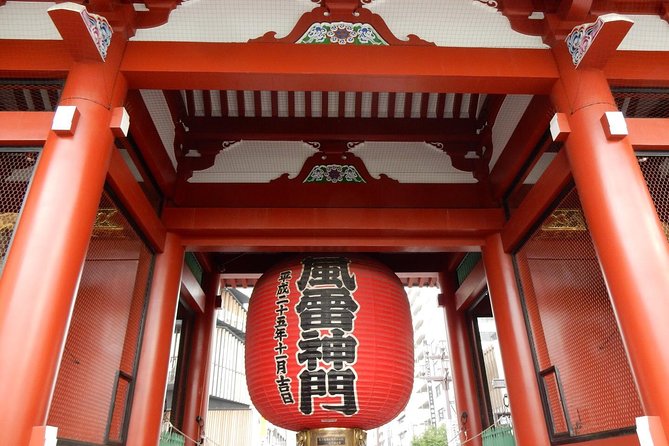
This tour’s first two stops set up a strong Tokyo contrast—food culture and old-city spirituality—before you jump into skyline and modern neighborhoods.
Tsukiji Jogai Market (about 1 hour, free)
This is a food-focused area where you’ll see both wholesale-style stalls and retail shops, plus lots of restaurants. It’s the kind of place where Japanese traditional foods and newer food trends sit side by side. Going with a guide helps because you don’t just wander—you understand what you’re seeing and you’re more likely to land on choices that fit your tastes.
Practical angle: if you like markets, you’ll enjoy the payoff. It’s a great start because you can snack as you go and get your bearings fast.
Senso-ji Temple (about 1 hour, free)
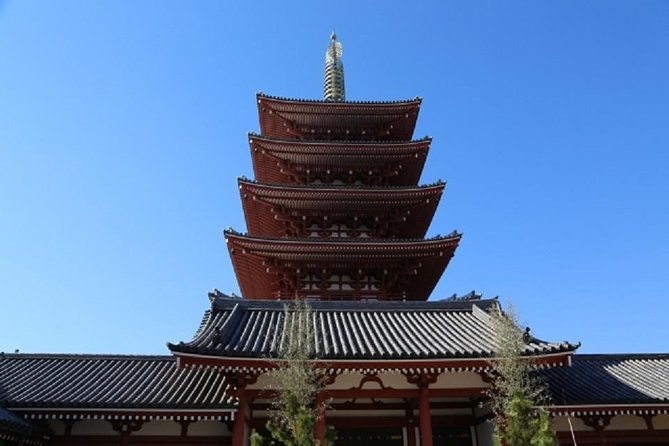
Senso-ji is one of Japan’s most famous temple areas, and the tour gives you time to see key structures inside the grounds—like the five-story pagoda and the Hozo-mon Gate (Treasure-House Gate). Expect crowds at peak times, but the value of a guided stop is timing and orientation: you’ll spend your hour looking at the right things, not chasing them.
Practical angle: bring a light layer even in pleasant weather. Temples and market streets can get cooler or breezier than you expect.
Skyline time: Skytree, Shibuya Crossing, and Tokyo Tower

After you’ve anchored your day with classic Tokyo, the route shifts into iconic views and modern energy. These are the stops that give you those “I’m really in Tokyo” moments.
Tokyo Skytree (about 1 hour, admission not included)
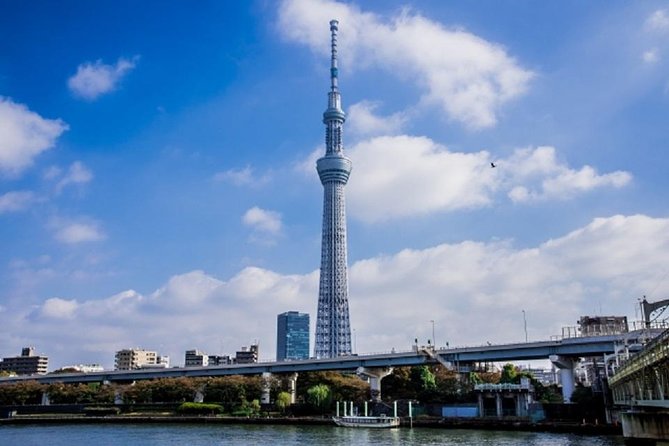
Skytree is the world’s tallest tower at 634 meters (certified by Guinness World Records). Your visit is centered on the observation decks—340 meters and 450 meters above the ground. If you want the clearest sense of how Tokyo spreads, this is the stop.
Budget note: observation tickets are not included, so plan extra for this one.
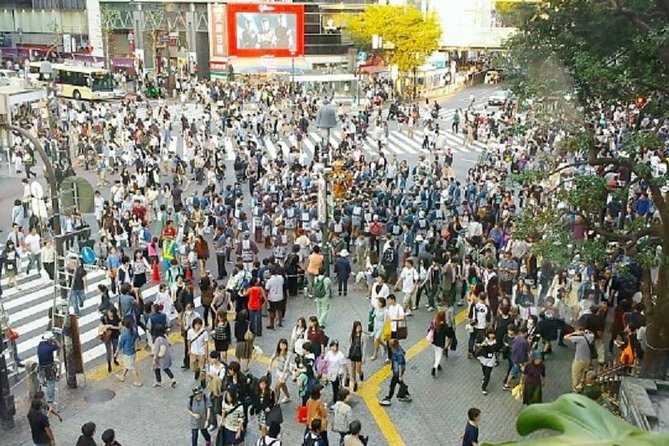
Shibuya Crossing (about 30 minutes, free)
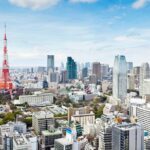
Shibuya Crossing is famous for its scale. The tour highlights just how busy it is: about 500,000 users of scrambled intersections per day, and around 3,000 people moving through on a single green light. You won’t spend long here, but that half hour is a smart use of time if your goal is to witness it, not try to “master” it.
Practical angle: wear shoes you can stand in. This is a stop where you’ll likely be waiting and watching.
Tokyo Tower (about 1 hour, admission not included)
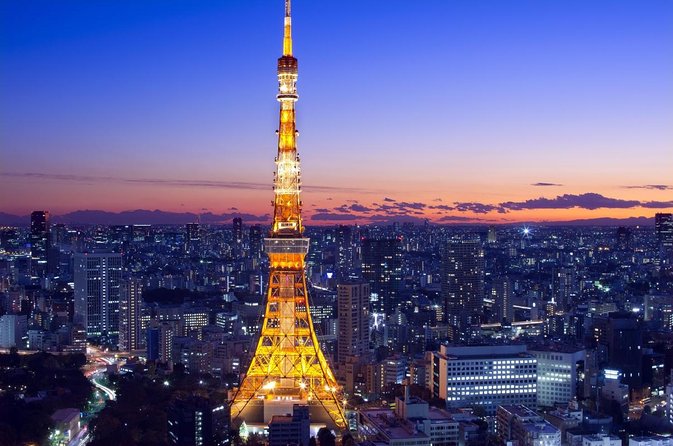
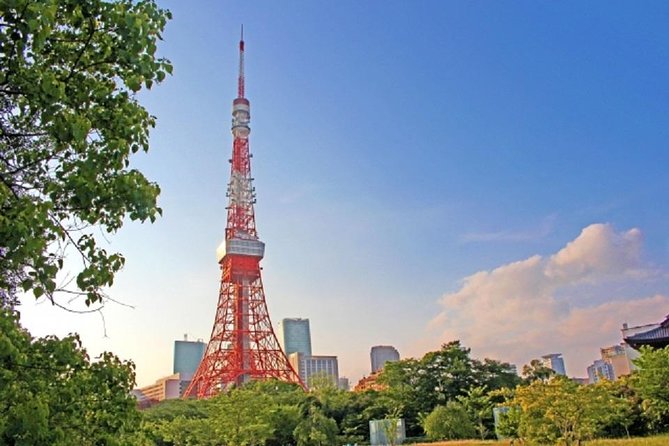
Tokyo Tower is 333 meters and was built in 1958. There’s also a view cafe and the Tower Jingu Shrine on site. The tower has lighting patterns too—Landmark Light and Diamond Veil are mentioned as two types.
If you like photography, this stop is often worth the extra time. Just remember: the skyline part is not always quick, because getting inside and finding a comfortable viewing spot can take time.
Culture and calm: Meiji Jingu and Shinjuku Gyoen
Tokyo isn’t all towers and crossings. This tour gives you genuine breathing space with two very different kinds of quiet.
Meiji Jingu Shrine (about 1 hour, free)
Meiji Jingu Shrine was built in 1920 and enshrines Emperor Meiji and Empress. It’s a major year-round destination for both Japanese worshipers and foreign visitors. If you want a reset after Shibuya, this is the contrast.
Practical angle: go slowly here. The value is atmosphere, not speed.
Shinjuku Gyoen National Garden (about 1 hour, admission not included)
Shinjuku Gyoen is a garden representing the Meiji period, blending a well-formed garden, landscaped garden, and a Japanese garden style. The site was built as an imperial garden in 1906, and it later opened to the public.
Budget note: garden entry is not included. If you’re trying to keep costs down, consider whether you want the extra ticket for this stop—or whether you’d rather spend time at free sights and temples.
Ueno Zoo: wildlife time with a Tokyo twist
Ueno Zoo (about 2 hours 30 minutes, admission not included)
Ueno Zoo is Tokyo Metropolitan Zoo, and it opened as Japan’s first zoo in 1882. The tour mentions about 400 species of animals, including rare animals such as the Sumatra tiger.
This stop is great if you love animals and want a break from temples and towers. The longish time block (2.5 hours) matters because zoos can’t be rushed if you want to actually see things.
Planning note: expect this to add walking and standing time, so pace yourself.
You can also read our reviews of more private tours in Tokyo

The odd-fun factor: Owl Café Akiba Fukurou and Chiku Chiku Café
Yes, these cafés belong on a Tokyo day. And yes, you should treat them as optional bonuses—because they cost extra and they take time to get to and from.
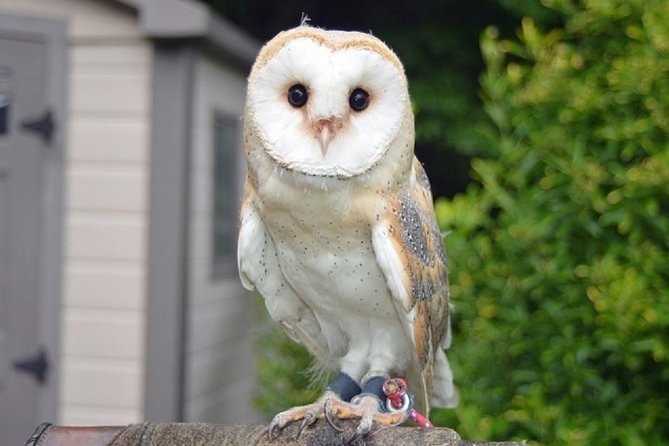
Owl Café Tokyo Akiba Fukurou (about 1 hour, admission not included)
This is an owl interaction café where you can spend time with owls. The vibe is built around cuteness and calm—people come for the smiles and the stress relief feel that comes from interacting with animals.
Budget note: drinks or entry are not included. Also keep in mind that any animal café can be seasonal in day-to-day operations, so don’t plan your whole day around it.
Chiku Chiku Café (about 1 hour, admission not included)
Chiku Chiku Café lets you interact with hedgehogs. The tour specifically notes it’s not open for lunch or dinner and serves only drinks.
Practical angle: this works well as an afternoon reset. You get a short activity that breaks up the heavier sightseeing blocks.
Gardens and imperial grounds: Hamarikyu and the East Gardens
This tour ends with two stops that feel more reflective—water, nature, and then a look at imperial-era spaces.
Hamarikyu Gardens (about 1 hour, admission not included)
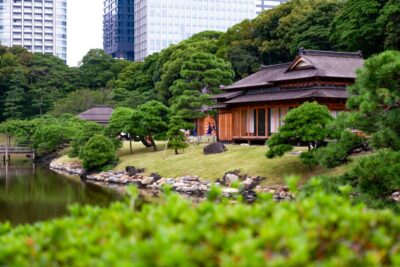
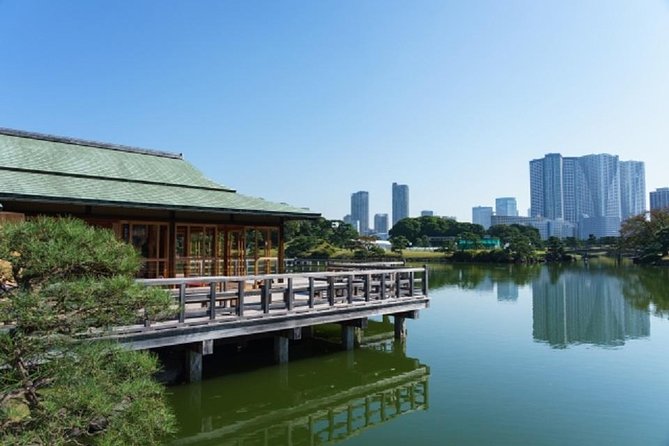
Hamarikyu Gardens opened to the public on April 1, 1946. It covers a large area (250,165 m²) around Shioiri Pond and is surrounded by a seawater moat filled by Tokyo Bay. Even if you’re not a “garden person,” the water-and-moat setting makes it memorable.
Budget note: entry is not included.
East Gardens of the Imperial Palace – Edo Castle Ruin (about 1 hour, admission not included)
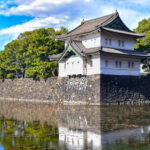
These grounds include the palace area, the Imperial Household Agency office, and historical references to how the area was used during the Tokugawa period. For many first-time visitors, this is a meaningful finale: it shifts Tokyo from modern icons to the shape of earlier eras.
Practical angle: this is a good “close your day” stop because it slows you down without requiring a long ticketed attraction.
How the guide experience shows up in real life
A private tour lives or dies by the guide’s day-management. The strongest examples connected to this tour emphasize a few consistent strengths:
- Efficient public transit navigation so you’re not stuck figuring out station exits and transfer lines.
- Pacing and group management, especially for families or groups that want to stay together.
- Adaptability when weather changes, including rain.
- Tailoring to personal interests, including animal cafés and food stops.
Guide names that have come up in the experience data include Kono, Akiri, Funiko, Yumi, Noby, Yoshi, Yoshio, and Yoki. The common thread is that they’re described as patient and able to handle changing needs without losing the rhythm of the day.
One caution: not every guide’s English level is guaranteed to be equally easy. If language clarity is crucial for you, treat it as a high priority when you communicate your expectations before the tour.
Price and value: where the math really lands
At $132.14 per person, this is not a budget bargain—but it’s also not a premium “private driver + private car” price. The value comes from four things you’re buying:
- A guide who handles routing on public transport.
- A private experience, so your group isn’t squeezed into someone else’s schedule.
- Flexibility in start times and tour length.
- Access to multiple Tokyo highlights in one day, including a market start and major temple and skyline stops.
The cost thing to understand: admissions are not included (for both customers and guides). That means your final total depends heavily on what you choose to do from the ticketed set:
- Tokyo Skytree
- Ueno Zoo
- Tokyo Tower
- Shinjuku Gyoen National Garden
- Owl Café Tokyo Akiba Fukurou
- Chiku Chiku Café
- Hamarikyu Gardens
- East Gardens of the Imperial Palace
If you aim for only free stops (like Tsukiji and Senso-ji) and skip many ticketed ones, the value feels different—in a good way if you’re cost-conscious. If you plan to go all-in on the ticketed icons and attractions, the guided routing becomes a bigger money-saver because it reduces time friction.
Timing tips for a smoother 4 to 10 hour day
The tour says duration is about 4 to 10 hours and mentions several start times. That range matters. Here’s how I’d think about picking your time window based on the stops in the route.
- Choose 4 to 6 hours if you want the core “first day” hits: market + one temple + a skyline view, then you’re done. This reduces ticket pressure and cuts down the step count.
- Choose 6 to 8 hours if you want the best mix: temples, one garden or shrine, plus one of the bigger ticket stops (Skytree or Ueno Zoo).
- Choose 8 to 10 hours if you want the full sampler: Tokyo Tower, both gardens, and at least one animal café, with time to slow down.
Weather note: rain can turn station-to-attraction walking into the main event. One downside mentioned in the experience data is that time can feel eaten up by transit walking when it’s pouring.
Should you book this Tokyo private tour?
Book it if:
- This is your first or early Tokyo day and you want a clear route that prevents wasted time.
- You like mixing serious sights (temples, shrines, imperial grounds) with fun stops (animal cafés).
- You want someone to guide you through the subway/train maze rather than figure it out alone.
Consider skipping or shortening it if:
- You have mobility limits or you’re sensitive to stairs and long station walks. This tour uses public transit and includes stops where walking adds up.
- You’re strongly language-dependent and need very easy English. Some guides have had reported communication difficulty.
- You hate paying extra on top of the base price. A lot of the best-known stops here have admissions not included.
If you want a Tokyo day that feels organized without feeling stiff, this private, transit-based plan is a strong match. Just wear shoes that can handle Tokyo steps—and keep a little budget aside for the ticketed highlights.
FAQ
What is the starting price for this Tokyo private tour?
The price is listed as $132.14 per person.
How long is the tour?
The tour duration is about 4 to 10 hours.
Are tickets for attractions included?
No. Admission fees for customers and guides are not included.
Does the tour offer pickup?
Yes. Pickup is offered with meeting in the hotel lobby for hotels in Tokyo 23 wards.
Is this a group tour or private?
It’s private. Only your group participates.
What kind of transportation does the guide use?
The guide uses Tokyo’s public transport system to get between locations.
Are there discounts for groups?
Yes. Group discounts are listed as a feature.
Can I choose my start time?
Yes. There are several start times available to suit your schedule.
Is it free to cancel?
Yes, free cancellation is available. You can cancel up to 24 hours in advance for a full refund.
Who provides the experience?
The experience provider is Fulfilling Inc.