REVIEW · TOKYO
Sake & Food Pairing with Sake Professional
Book on GetYourGuide →Operated by Ninja Food Tours · Bookable on GetYourGuide
Sake tasting in Tokyo can be either confusing or fun. This one is built to do both, with an English-speaking sake professional guiding you through five styles and pairing them with local Japanese snacks. You also leave with your own tasting chart, so you can shop smarter back home.
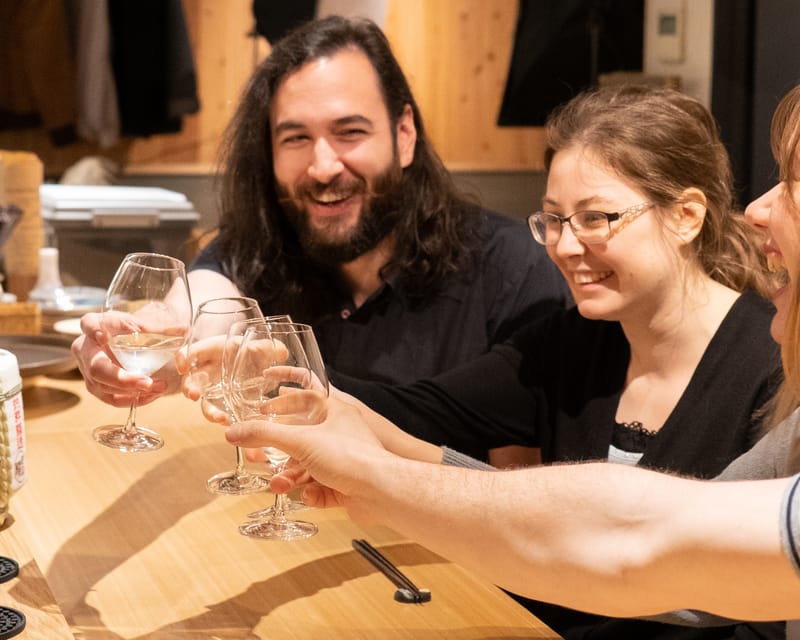
I especially like the hands-on format: you’re tasting multiple types instead of doing the one-note, one-style thing. And because the class is capped at a small group (up to 10), you can actually ask questions and get clear answers from hosts like Tadashi, Andrea, or Max.
One thing to plan for: you’ll be tasting a decent amount of sake—so come in ready. Also note it’s not suitable for pregnant women.
In This Review
- Key Things I’d Prioritize Before You Book
- Entering Ushinobi Sake Bar in Shinjuku (the part you’ll want to find fast)
- 150 Minutes of Sake 101: What the Small-Group Class Teaches
- Your Flight of 5 Sakes: How You Build a Tasting Chart
- Pairing Sake with Local Japanese Snacks (so your palate makes sense)
- Tokyo Local Tips and Sake-Club Energy
- Price and Value: Is $69 Worth a 5-Sake Flight?
- Who This Sake Class Fits Best (and who should skip)
- Should You Book Sake & Food Pairing with Sake Professional?
- FAQ
- Where is the meeting point for the sake class?
- How long is the experience?
- What’s included in the tour price?
- How many people are in the group?
- Is the guide providing English instruction?
- Can the host accommodate dietary restrictions?
- Is this experience suitable for pregnant women?
Key Things I’d Prioritize Before You Book
- Five different sake types from across Japan, not just one safe choice
- Your own tasting chart, so you can remember what you liked and why
- Small group of up to 10, which makes Q&A feel normal
- Food pairing with Japanese snacks (a real help for beginners)
- English live guide experience, with past sessions led by hosts like Tadashi, Andrea, Joe, and Max
Entering Ushinobi Sake Bar in Shinjuku (the part you’ll want to find fast)
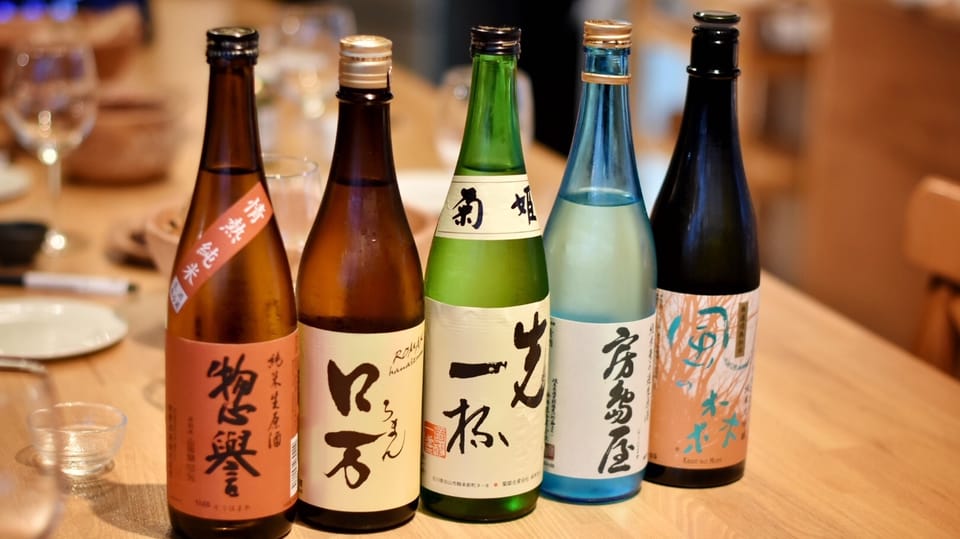
This experience meets at Ushinobi Sake Bar in Shinjuku, with the closest station listed as Okubo (JB09), South Exit. The venue entrance can feel a little hidden, and the instructions say to enter the venue directly on the 2nd floor.
That sounds minor, but it matters. When you’re doing a tasting, being late is a buzzkill for you and for the group. So I’d treat finding the door as part of the fun prep: check your route before you go, then keep an eye out for signage and the 2nd-floor entry.
If you’re the type who enjoys “where do we go inside?” logistics, you’ll appreciate that the meeting directions are straightforward—just not obvious at street level. Once you’re inside, the rest of the 150 minutes is designed to feel low-pressure and easy to follow.
You can also read our reviews of more food & drink experiences in Tokyo



150 Minutes of Sake 101: What the Small-Group Class Teaches

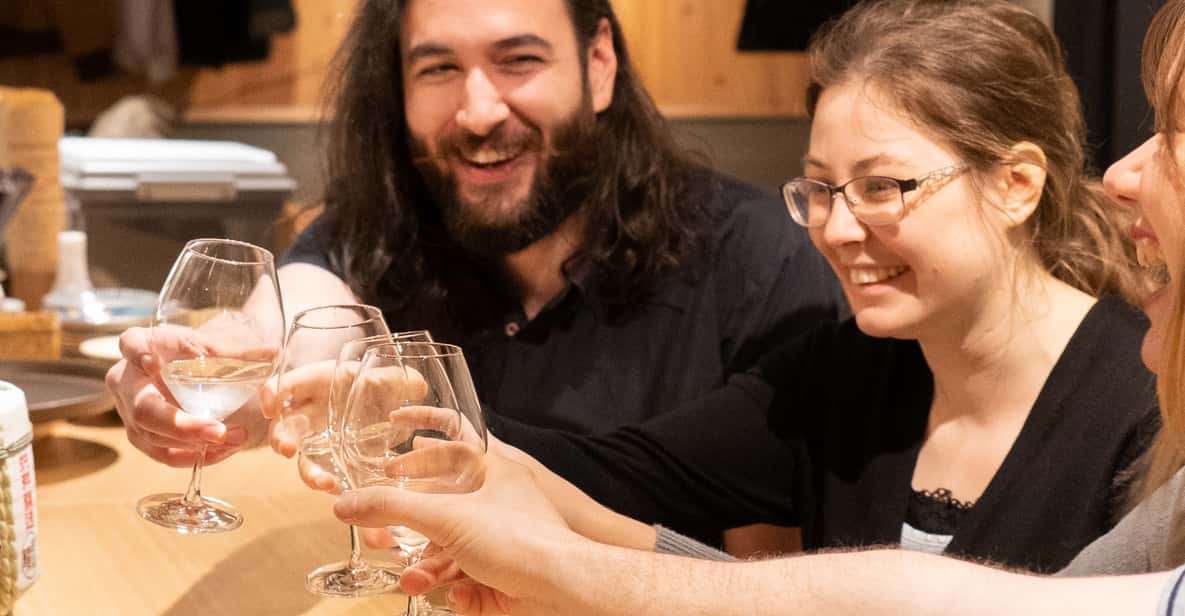
This is a live, English-language experience run in a small group limited to 10 participants. Over the 150-minute session, you’ll learn what changes from one sake to another and how those differences show up on your palate.
The big idea: sake isn’t one single taste. Modern sake producers in Japan make multiple styles, and family breweries that once stayed with tradition are now seeing younger generations take over and experiment. The class frames that shift in a practical way—so you understand why you might love one bottle and feel indifferent about another.
You’ll also spend time learning from a sake professional about the breweries behind what you drink. That’s not just trivia. It gives you context for future buying. Instead of relying on alcohol strength or general sweetness, you’ll start noticing the kinds of flavors you prefer and the types of sake that tend to produce them.
Past sessions also show that the guides bring energy and make the atmosphere feel like a hangout, not a lecture. Names that have led sessions include Tadashi, Andrea, and Max, and the pattern is consistent: English stays clear, and the teaching stays fun enough that you’ll actually remember it.
Your Flight of 5 Sakes: How You Build a Tasting Chart
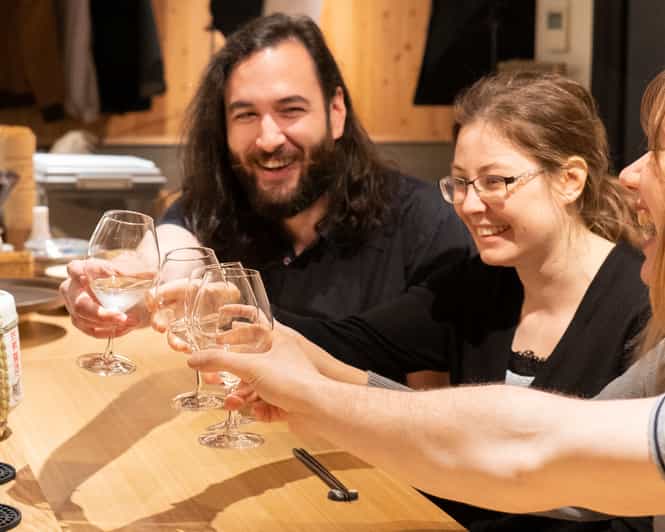
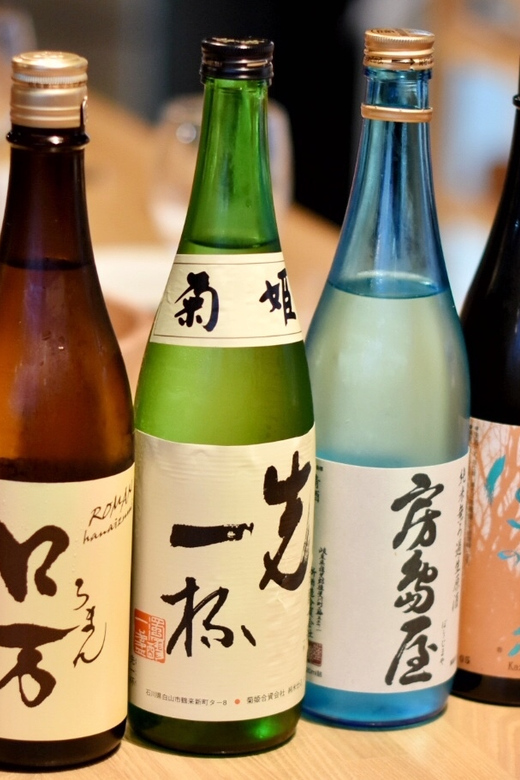
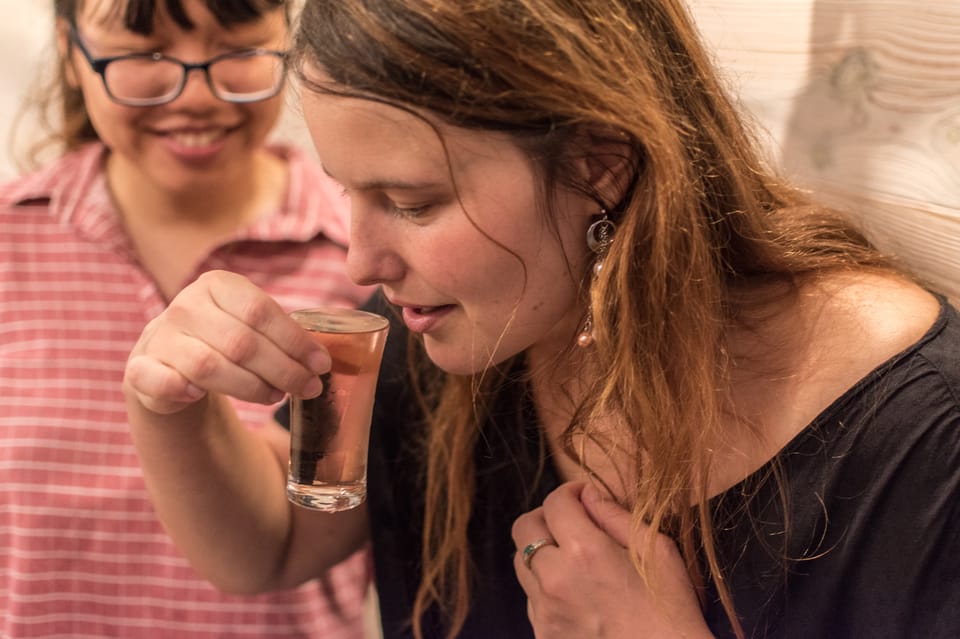
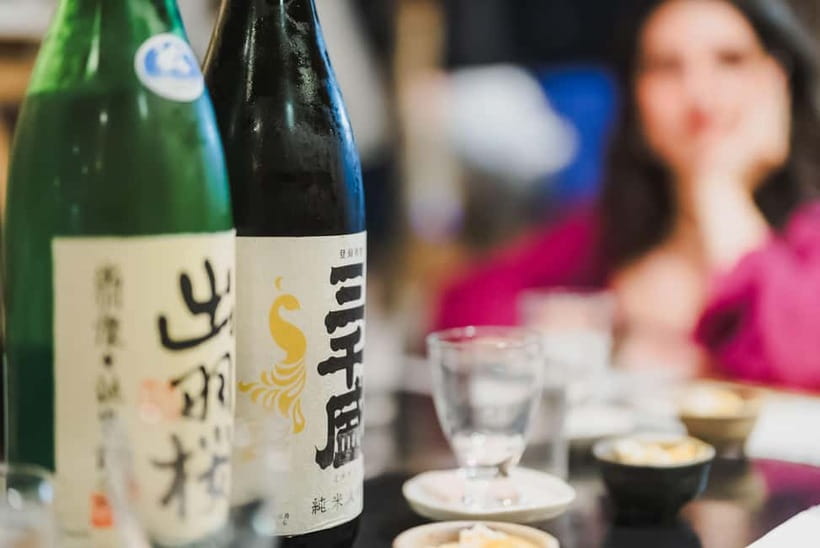
The core experience is simple: you’ll taste five different types of sake. They come from across Japan, and they’re the main reason this class works for both beginners and people who think they know sake already.
Here’s why I like the tasting-chart approach. When you drink one sake, it’s easy to say yes or no. But with five, your taste preferences start to become clear—and your memory can get messy fast. Making a chart forces you to slow down, compare, and name what you’re sensing. Over time, that becomes a tool you can use later when you’re ordering sake at a restaurant or comparing bottles at a shop.
You’ll also learn about each sake’s brewery context, so your chart isn’t just sensory notes. It becomes a quick reference for how different producers and styles behave.
If you’re worried you’ll be judged for not knowing anything, don’t. The structure is built for people with limited sake experience back home. The whole point is to change the common first impression—often that sake is only a strong alcoholic drink. This format shows you there’s real range: different textures, different flavor directions, and different finishing styles.
Pairing Sake with Local Japanese Snacks (so your palate makes sense)
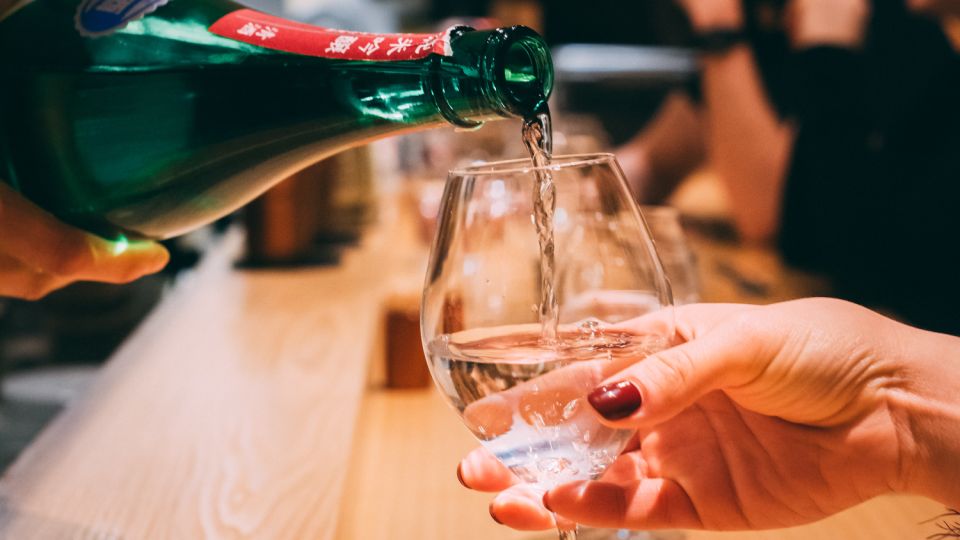
Sake is a tricky drink to judge on an empty stomach. That’s why this class includes Japanese snacks alongside the tastings. You don’t get a full meal, but you do get enough pairing to help you detect differences between the sakes instead of just tasting alcohol heat.
This is also where beginners usually “click.” When the snacks work with a specific style, your brain starts making connections: lighter sakes can feel cleaner, fuller styles can seem more balanced, and certain flavor pairings can make the whole tasting smoother.
One practical tip based on the experience notes: eat before you go, because you’re tasting five sakes and there’s a real sense of plenty of drinking during the session. Even though the food isn’t a full meal, the pairing is meant to support tasting—not to replace lunch. So plan ahead, pace yourself, and drink water if it’s offered in the flow.
Think of this pairing component as training wheels. The goal isn’t just to have a fun snack spread. It’s to help you understand what to look for when you’re trying sake in the wild—like which style goes best with which kind of Japanese food.
Tokyo Local Tips and Sake-Club Energy
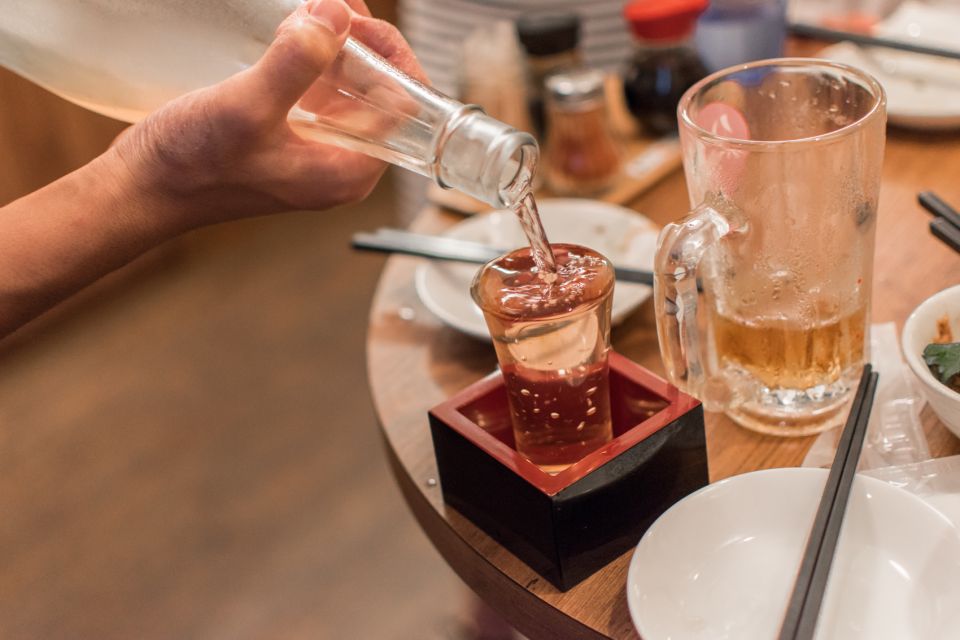
A standout part of the experience is the chance to meet Japanese sake lovers in Tokyo and get local recommendations. That matters because sake culture in Japan is often more specific than the tourist version. People don’t just talk about sake generally—they talk about what to order, what to look for, and which producers or styles fit certain moods and meals.
You’ll also benefit from the guide’s ability to translate that local perspective into English in a way that sticks. Sessions led by hosts like Joe have been noted for producing helpful recommendations afterward, which is exactly what you want from a class like this: not just a nice afternoon, but a longer-term advantage.
And because the group is small, it’s easier for these tips to become personal. If you tell the guide what you usually like to drink—dry, sweet, crisp, mellow—they can steer you toward sakes and pairings that match your taste instead of throwing options at you.
You can also read our reviews of more tours and experiences in Tokyo



Price and Value: Is $69 Worth a 5-Sake Flight?
At $69 per person, this is not a “grab a cheap drink and walk around” kind of activity. But it is also not overpriced for what you get in Tokyo.
Here’s the value math that matters:
- You’re paying for a guided, English live lesson
- You’re tasting five distinct sake types (with brewery context)
- You’re getting Japanese snacks to pair with what you drink
- The group size is limited to 10, which adds real teaching value versus large tastings
If you’ve ever bought a bottle of sake because it sounded good and then realized it didn’t match your taste, this class is a shortcut. The tasting chart alone can help prevent repeat mistakes. And since you’ll learn what to notice, your future buying gets cheaper over time—even if you only use what you learned a couple times.
Also, the experience is set in Honshu, Japan, which you might find helpful if you’re focused on understanding sake styles in their proper context. The class isn’t just generic “Japan alcohol talk.” It’s built around how Japanese producers think about sake.
One consideration: transport is not included, so factor in your travel time and cost to Shinjuku/Okubo area. But once you’re there, the session itself is contained and smooth.
Who This Sake Class Fits Best (and who should skip)
This is best for you if:
- You’re curious about sake but feel uncertain about what to order
- You don’t love the idea of learning via a menu or a brochure
- You like structured tastings with a plan, not a random bar crawl
- You want to meet Japanese sake fans and hear practical local recommendations
It may be less ideal if:
- You’re looking for a full meal experience. The snacks are included, but it’s not described as a complete meal
- You need something lighter and more alcohol-free. This is a tasting format with multiple pours, and the notes emphasize there’s plenty to drink—so pacing matters
- You’re pregnant. The activity is explicitly listed as not suitable for pregnant women
If you’re traveling as a couple, this also works well. A small group format usually makes it easier to share impressions without feeling lost in a crowd. And if your day is quieter, you might get a more tailored pace, since small-group days can run more personalized than the maximum group size suggests.
Should You Book Sake & Food Pairing with Sake Professional?
Yes, you should book it if you want a real introduction to sake that goes beyond stereotypes. The best reason is the structure: five sakes, snacks for pairing, and a tasting chart that helps you turn impressions into decisions.
I’d especially recommend it if you’re planning to spend time eating in Tokyo afterward. Once you understand which style you like, you’ll order with confidence rather than guessing.
If you’re short on time or hate the idea of tasting multiple alcoholic drinks, it might feel like too much. But for most people—especially beginners who want clarity—this is a smart use of an afternoon in Shinjuku.
FAQ
Where is the meeting point for the sake class?
The meeting point is Ushinobi Sake Bar in Shinjuku (closest station: Okubo JB09, South Exit). Enter the venue directly on the 2nd floor.
How long is the experience?
The duration is 150 minutes.
What’s included in the tour price?
It includes sake tastings and Japanese snacks (not a full meal).
How many people are in the group?
The group is limited to a small group size, with a maximum of 10 participants.
Is the guide providing English instruction?
Yes. The tour includes a live guide in English.
Can the host accommodate dietary restrictions?
You’re asked to let the supplier know in advance if you have any dietary restrictions.
Is this experience suitable for pregnant women?
No. It is listed as not suitable for pregnant women.