REVIEW · TOKYO
Tokyo Oldtown: Historic Landmarks Go Kart Tour (100 Minutes)
Book on GetYourGuide →Operated by Kartzilla Discovery Japan (Kartzilla Go Kart, Tokyo) · Bookable on GetYourGuide
Street Tokyo hits different when you drive it. This Kartzilla Old Town experience turns big sights and quiet corners into a street-level route, with live guidance from start to finish. It’s built for people who want Tokyo history and everyday life, not just photos from a sidewalk.
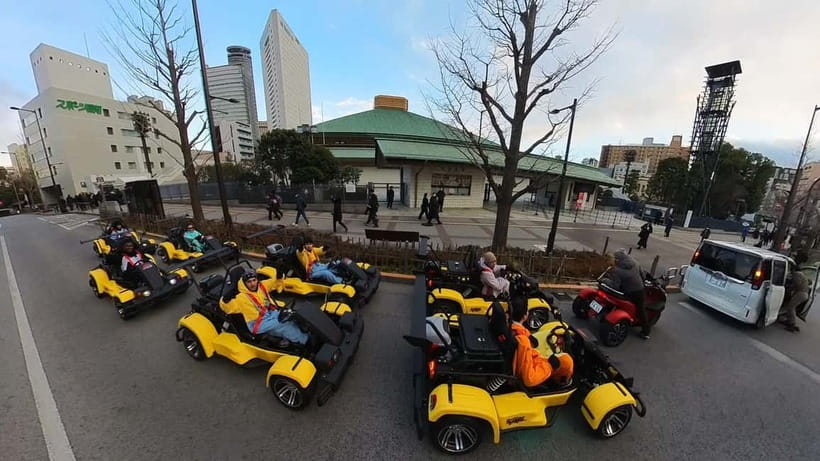
I especially like the comfort-focused go-karts—they’re engineered for real driving with smooth suspension, hydraulic brakes, and stable handling. You also ride in a small group (limited to 10), and the on-road guidance feels organized thanks to two-way radio communication with guides like Satar and Travis, plus translation help from Hiro that showed up in real experiences. Optional Insta360 recording and free photo options make it easier to keep your hands on the wheel and still capture the moment.
One thing to weigh first: you need the right driving paperwork (passport plus the proper license and an International Driving Permit if you’re not a Japan resident), and there’s no locker space—so keep bags and extra stuff minimal.
In This Review
- Key things that make this tour worth your time
- Tokyo Old Town by go-kart: what 100 minutes actually gives you
- Kartzilla’s comfort-first karts: control matters more than speed
- Skytree to the first big stops: getting your bearings and building momentum
- Tokyo Skytree area: starting with big views
- Japanese Sword Museum: a focused break from the road
- Ryogoku Kokugikan: sports heritage meets city motion
- Tokyo Station and Imperial Palace on wheels: learning Tokyo’s power centers
- Akihabara and Ueno: tech energy, then a slower, cultural rhythm
- Asakusa: the Old Town center that makes the whole thing click
- Guides on two-way radio: how safety and stories work together
- Capturing the ride: Insta360 option, micro-SD, and photo reality
- What’s included (and what you’ll need to bring yourself)
- Price and value: why $90 can feel fair for Tokyo
- Who this tour is best for (and who should rethink it)
- Should you book the Tokyo Old Town go-kart tour?
- FAQ
- How long is the Tokyo Oldtown Go Kart Tour?
- Where do I meet for the tour?
- What documents do I need to drive?
- What is included in the price?
- Can I record my ride with a camera?
- Is it a small group and are there multiple languages?
Key things that make this tour worth your time
- Asakusa-centered Old Town route that focuses on Tokyo’s older fabric, not only the modern skyline
- Purpose-built karts designed for comfort and control, including suspension and hydraulic braking
- Two-way radio guide system so you get live stories and practical safety direction
- Small group size (10 max) for a calmer pace and easier communication
- Insta360 option plus photo support, but you’ll need a micro-SD card you purchase separately
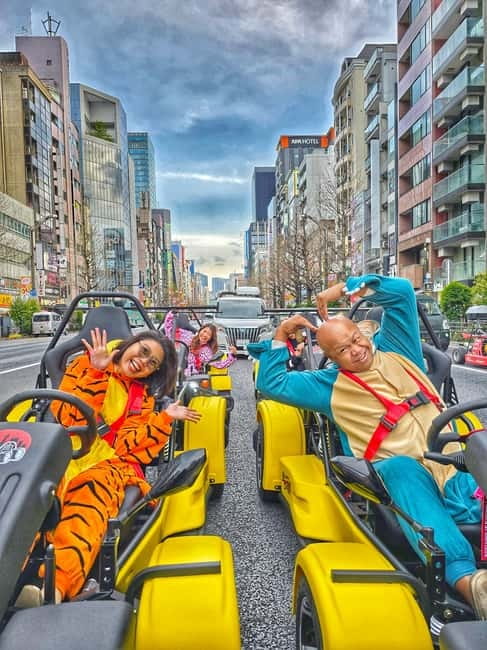
- Beginner-friendly, non-racing feel with a relaxed pace and guided traffic flow
Tokyo Old Town by go-kart: what 100 minutes actually gives you
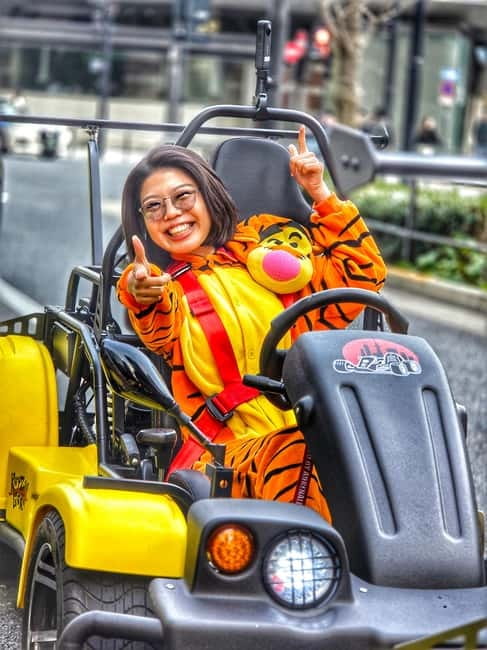
This isn’t a quick blur. You get enough time to feel like you’re moving through Tokyo with purpose, while still keeping the ride comfortable and the stops meaningful. The route is designed to show you the city’s foundation—sacred spaces, traditional neighborhoods, and regular daily streets—especially around Asakusa.
The biggest win is the street-level perspective. Watching landmarks from a vehicle changes your sense of scale and rhythm: you feel the turns, the pace of traffic, and the way neighborhoods connect. For many first-timers, that’s the easiest way to go beyond Tokyo’s most famous photo spots.
You can also read our reviews of more historical tours in Tokyo

Kartzilla’s comfort-first karts: control matters more than speed
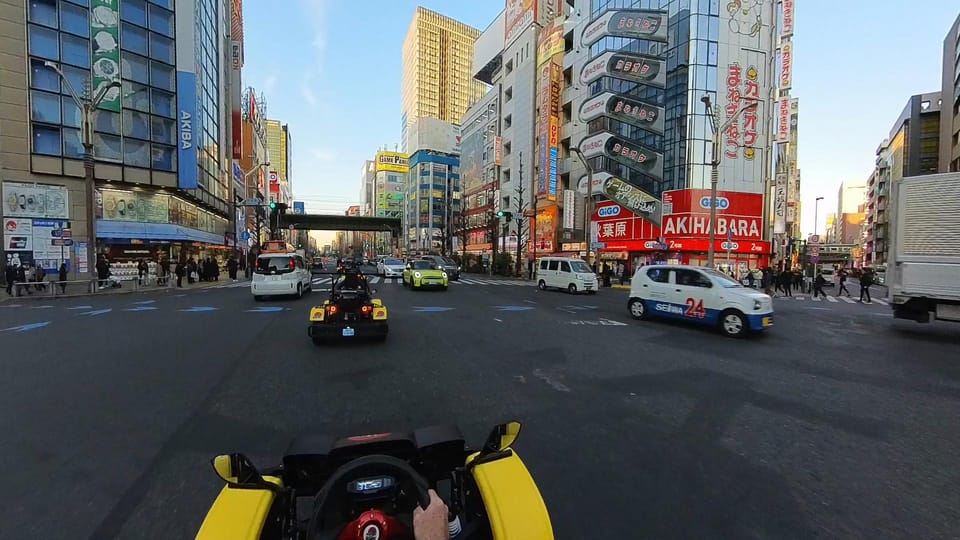
You’re driving a professionally engineered, street-legal go-kart, not a banged-up ride designed for a theme park circuit. Kartzilla’s karts are described as safe, well maintained, and made for comfort with advanced suspension, hydraulic brakes, and reinforced frames. That combination matters because Tokyo streets can be stop-and-go, and you’ll want predictable stopping power.
They’re also built to fit a wider range of body types, including bigger and taller riders. If you’ve ever struggled with tight recreational karts, this is where the tour’s design choices pay off. Stable handling keeps the experience enjoyable for first-timers, and the ride stays guided rather than competitive.
Skytree to the first big stops: getting your bearings and building momentum
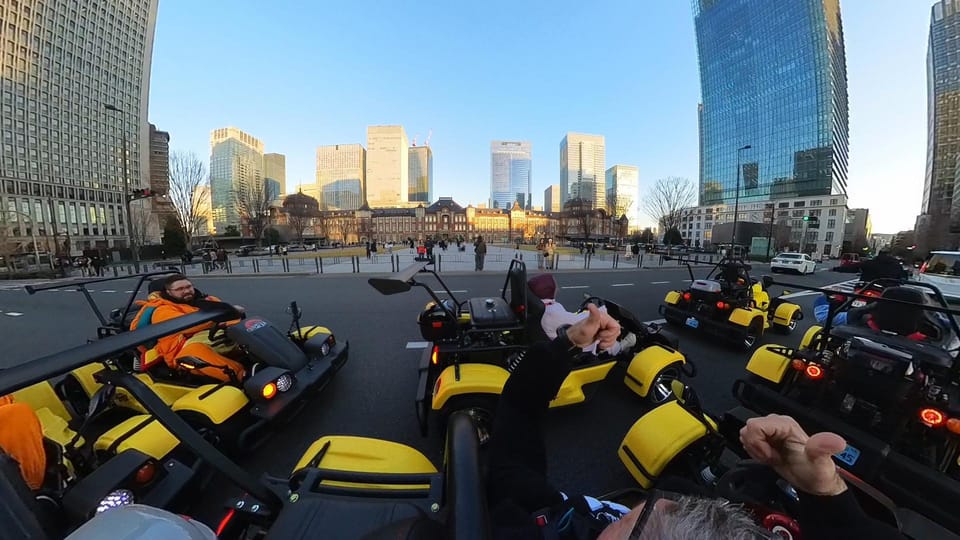
Your tour starts at the Kartzilla facility near Tokyo Skytree, with a road-safety briefing and simple driving instructions before you take the wheel. That initial setup is more than formality; it’s what makes the rest of the route feel manageable instead of stressful.
From there, you’ll ride through a sequence of iconic areas while also getting guided stops. The pacing is set up so you’re not stuck in one lane with no context—you’re seeing how different districts connect, then getting short, guided looks at key sights.
Tokyo Skytree area: starting with big views
You begin near Skytree and enjoy scenic views on the way. This is a smart starting point because it gives you an immediate sense of Tokyo’s scale. If you’re the type who likes to understand geography early, you’ll appreciate how the ride frames what’s around you.
Japanese Sword Museum: a focused break from the road
There’s a guided visit stop at the Japanese Sword Museum. Even if you’re not an expert in the topic, a guided stop gives you context you might not get just passing by outside. Practically, it also resets your brain between driving segments.




Ryogoku Kokugikan: sports heritage meets city motion
Next comes Ryogoku Kokugikan, again with a guided stop and scenic driving segments. This stop works well in the middle of the tour because it shifts you from “driving orientation” into “story and place.” You get a change of pace without losing momentum.
Tokyo Station and Imperial Palace on wheels: learning Tokyo’s power centers
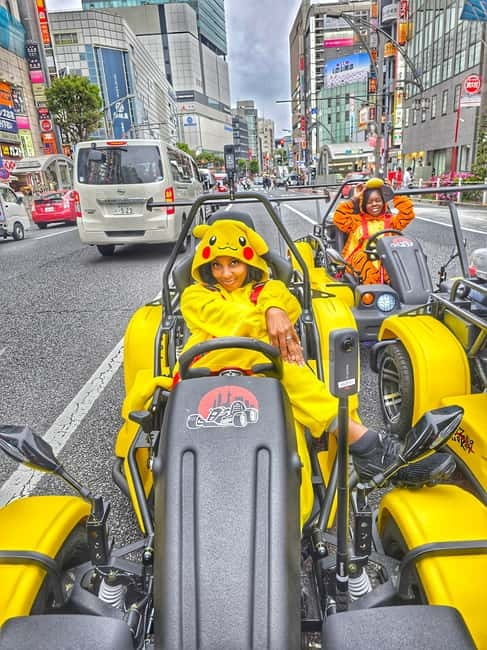
As you head toward Tokyo Station, you’ll be in the part of the route where central Tokyo starts to feel crisp and structured. The tour includes a guided stop there, plus scenic drive time that lets you spot how streets and districts change as you move.
Then you move to Tokyo Imperial Palace for another guided experience, with scenic views during transit. This pairing can be a nice contrast: rail-and-business energy near Tokyo Station, then a calmer, more formal space around the palace area. The ride is guided at all times, which helps keep the experience relaxed even as the scenery becomes more “major city.”
Akihabara and Ueno: tech energy, then a slower, cultural rhythm
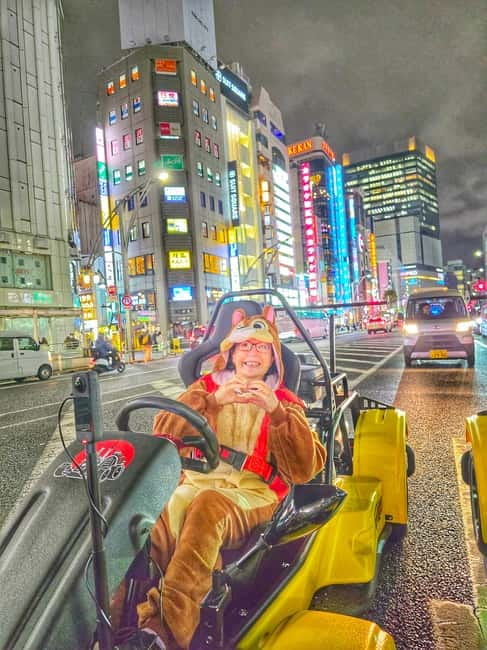
Akihabara is next, and you’ll do a guided stop with scenic driving to connect the dots. The value here isn’t only what the neighborhood is known for—it’s that you’re moving through it actively, with a guide helping you see it as part of a larger Tokyo story. The go-kart format also gives you a better sense of neighborhood layout than walking alone.
After Akihabara, the tour includes Ueno with guided elements and scenic views. Ueno offers a shift in mood, and that contrast is one of the best parts of the full route. You’re essentially getting a tour of “Tokyo moods” rather than only a list of famous stops.
If you like photography, these mid-to-late segments can be ideal. You’ll be driving and also stopping, so you’re not stuck only at one vantage point. And with the on-board video option (more on that below), you can capture the streets without constantly stopping to hold your phone.
Asakusa: the Old Town center that makes the whole thing click
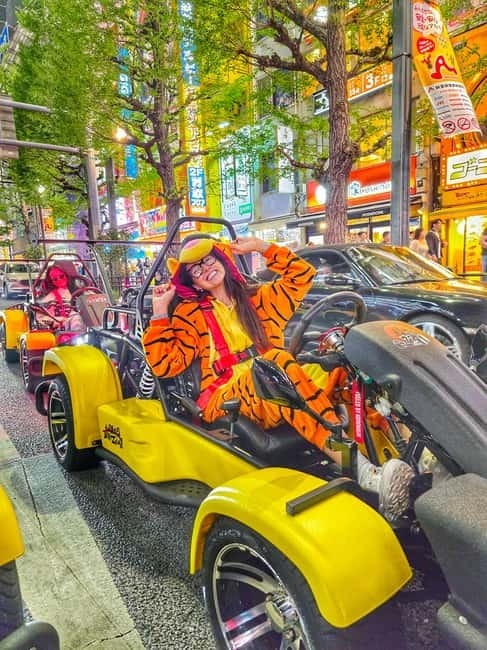
The tour’s heart is Asakusa, where you get a guided experience and scenic driving through the surrounding old neighborhoods. This is where the route leans into Tokyo’s foundation: centuries-old traditions, sacred sites, and everyday life shaped over time.
Asakusa is specifically highlighted for Senso-ji, described as Tokyo’s oldest Buddhist temple and one of the city’s most culturally significant areas. That matters because this isn’t just a theme-park style “see the famous spot” stop. The tour format is designed to show you the traditional streets and historic architecture context around the big landmark.
Practically, Asakusa is also a great finale because it’s easy to connect what you saw earlier. You’ll have passed major centers, then moved toward older street patterns and a different sense of tempo. That contrast is the main reason the route feels more rewarding than a straight-line sightseeing day.
Guides on two-way radio: how safety and stories work together
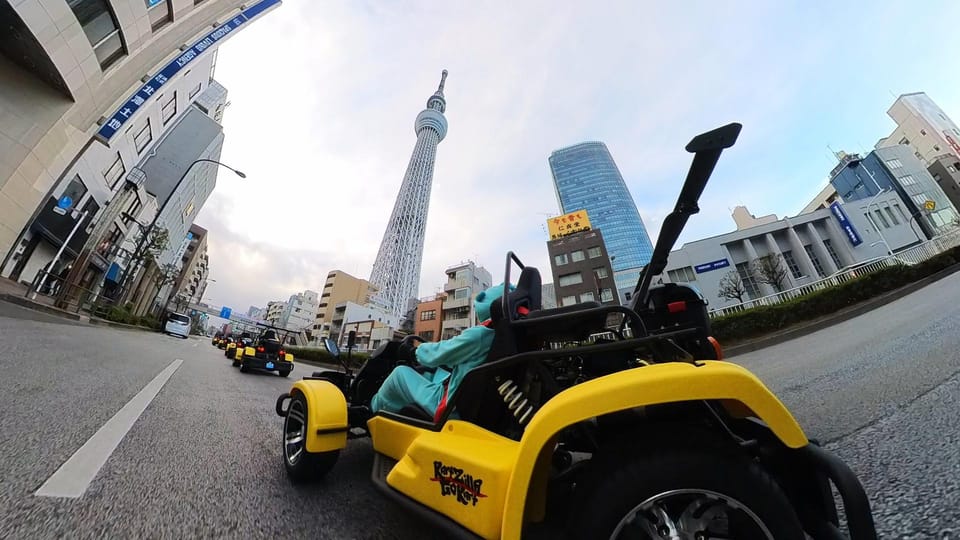
This is where the experience feels well run. You’re led at all times by an experienced guide, and the tour uses a two-way radio system so you stay connected. That’s a big deal in a city like Tokyo, where traffic flow can be quick and unpredictable.
The guides also share live storytelling and historical context as you ride. Names that came up strongly include Satar, Travis, and Hiro (especially for help with driver’s license translation). Even when the stop is short, the guidance helps you understand why each location belongs in the larger Tokyo picture.
You should also expect real-time safety guidance, which keeps the ride calm. The pace is described as relaxed with no racing, so you’re driving to experience the streets, not competing with anyone.
Capturing the ride: Insta360 option, micro-SD, and photo reality
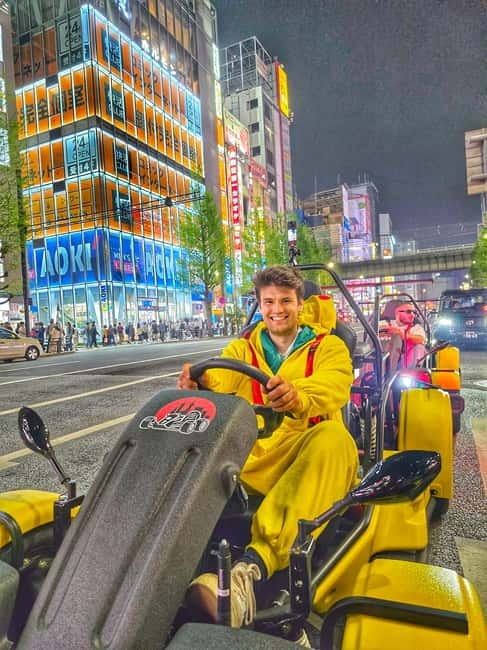
You can optionally use an on-board Insta360 camera to record the journey hands-free from the driver’s seat. That’s genuinely useful because it saves you from the awkward juggling of steering and filming.
One catch: the equipment is free to use, but you must purchase the micro-SD card. That’s worth planning for so you don’t arrive expecting everything included. The tour also includes videos and photos in the sense that equipment access is provided, but you still need that storage card.
There’s also a costume included, which can add fun for photos—especially with the Asakusa backdrop. Just know you’ll need to follow the rules about what you can bring, like no backpacks.
What’s included (and what you’ll need to bring yourself)
Included in the price:
- Go kart and fuel
- Tour guide
- Costume
- Videos and photos support (micro-SD card must be purchased separately)
- Accident insurance
- Drinks
Not included:
- Micro-SD card for the camera
- Meals
- Locker space for belongings
- Hotel pickup
The “no locker space” detail is more important than it sounds. Since backpacks aren’t allowed, you’ll want to travel light and plan how you’ll carry essentials. For most people, that means keeping your bag situation simple before you arrive.
Price and value: why $90 can feel fair for Tokyo
At $90 per person for a 100-minute guided street-legal go-kart experience, you’re paying for more than the vehicle. You’re paying for the comfort-focused kart engineering, a live guide with two-way radio safety support, fuel, and structured stops across major districts.
This also isn’t a tiny “one neighborhood only” activity. You’re getting a route that spans central Tokyo landmarks plus the Old Town focus around Asakusa, which is where many half-day sightseeing plans feel too fragmented. Add in the accident insurance and the fact that a guide is leading you the whole time, and the value starts to look practical rather than just fun.
If you’re choosing between a walking-only day and an all-vehicle day, this tends to fit people who want energy and stories in the same package.
Who this tour is best for (and who should rethink it)
This tour is designed for people who want active sightseeing without racing. It’s a strong match if you:
- Want to see Tokyo’s highlights from inside traffic flow
- Like guided context, not just self-directed wandering
- Prefer a small group pace (10 max)
- Are comfortable driving with clear instruction and safety guidance
It may not be a fit if you can’t meet the driving requirements or if you need accessibility support listed as not suitable. The provided constraints include no children under 18, no wheelchair users, and limitations for visually impaired people and age above 95.
Also, you’ll need proper documents. You bring your passport and a valid driver’s license. If you’re not a Japan resident, you also need an International Driving Permit issued by a signatory to the 1949 Geneva Convention.
Should you book the Tokyo Old Town go-kart tour?
I’d book it if you want Tokyo with motion and meaning—where you drive through major landmarks and end in the older street-world of Asakusa. The comfort-built karts, guided two-way radio system, and the focus on Asakusa/Senso-ji make it feel like more than a novelty activity.
I’d pause if you’re not ready for the driving document rules, you’re planning to carry more than minimal personal items (since no backpacks and no locker space), or you don’t want to drive through city traffic even at a relaxed pace.
If you match the driving requirements and you want a fun, structured way to understand Tokyo at street level, this is a very solid choice.
FAQ
How long is the Tokyo Oldtown Go Kart Tour?
The tour duration is 100 minutes.
Where do I meet for the tour?
You meet at the Kartzilla Go Kart facility, which is a 8–10 minute walk from Yotsugi Station and is accessible by the Keisei Line.
What documents do I need to drive?
You need a passport and a valid driver’s license. If you are an overseas national who is not resident in Japan, you also need an International Driving Permit (IDP) issued by a signatory to the 1949 Geneva Convention.
What is included in the price?
The price includes the go kart, fuel, a tour guide, costume, accident insurance, drinks, and video/photo equipment access. The micro-SD card is not included.
Can I record my ride with a camera?
Yes. There is an optional on-board Insta360 camera. The equipment is provided, but you must purchase a micro-SD card separately.
Is it a small group and are there multiple languages?
Yes, it’s limited to 10 participants. The live tour guide is available in English, German, and Persian.