REVIEW · TOKYO
Tokyo Sumida Aquarium E-Ticket with Optional Tokyo Metro Pass
Book on Viator →Operated by Royal Smart Tourism · Bookable on Viator
Aquarium time at Skytree Town is easy. This ticket package gives you a time-slot entry to Sumida Aquarium, inside Tokyo Skytree Town, so you can plan your visit without hunting for admissions on the day. I especially like the chance to see the big set-piece tank—the 350-thousand-liter indoor display—because it makes the whole visit feel memorable fast.
You’ll also get a lot of classic aquarium highlights in one place, including penguins and fur seals, plus jellyfish and coral reefs. The main drawback to keep in mind is size: this aquarium is described as a small one, so if you want hours of wandering, you may finish sooner than you expect.
In This Review
- Key Points at a Glance
- Sumida Aquarium at Tokyo Skytree Town: What the Visit Really Feels Like
- Getting In Smoothly With Your Date and Time Slot
- What You’ll See First: The Aquarium’s Core Exhibits
- The 350-Thousand-Liter Tank: Why It’s the Star of the Show
- Penguins, Fur Seals, Jellyfish, and Coral Reefs: A Smart Way to Prioritize
- Exploring at Your Pace: No Fixed Route Means You Can Tailor the Visit
- Optional Tokyo Metro Pass: When It’s Worth Choosing
- Small Worlds Add-On (If You Choose the Upgrade)
- Photography Rules and On-Site Limits
- Time, Duration, and How Long You Really Need
- Price and Value: Is $25.45 a Good Deal?
- Who This Works Best For
- Quick Planning Checklist Before You Go
- Should You Book This Sumida Aquarium Ticket Package?
- FAQ
- What is included with the standard ticket?
- How long should I plan for at the aquarium?
- Do I need a photo ID or passport?
- Is there a fixed route inside the aquarium?
- Are tickets tied to a specific date and time?
- Can I re-enter after I leave?
- Is photography permitted?
- Can I bring outside food or drinks?
- Does the package include Tokyo Metro tickets?
- What happens if it’s canceled due to poor weather?
Key Points at a Glance
- Timed entry for the Sumida Aquarium on your chosen date and time slot
- Two floors of exhibits in Tokyo Skytree Town, with an aquarium built around artificial seawater
- 350-thousand-liter open indoor tank with clear viewing walls
- Penguins, fur seals, jellyfish, and coral reefs all in one visit plan
- Optional Tokyo Metro tickets to make the trip smoother
- No fixed route once you’re inside, so you can move at your own pace
Sumida Aquarium at Tokyo Skytree Town: What the Visit Really Feels Like
Sumida Aquarium is one of the main draws in Tokyo Skytree Town, and that matters more than you might think. Being in a big entertainment complex means you can pair your aquarium time with nearby snacks or shopping—without needing to travel across town for a single attraction.
The aquarium is laid out over two floors, and it’s home to 10,000+ sea creatures. If you like your attractions organized but not overwhelming, this setup works well: you’re not locked into a long route, and you can focus on the tanks you care about most.
This is also an aquarium with a specific technical hook: it uses only artificial seawater, and it’s the first in the Kanto region to do it. That detail adds an extra layer of interest, because the exhibits aren’t just animals in water—they’re part of a planned environment designed to support life display after display.
You can also read our reviews of more tours and experiences in Tokyo



Getting In Smoothly With Your Date and Time Slot
This is a ticketed entry experience tied to a specific date and time slot. That’s a good thing for planning, especially in Tokyo, where “we’ll figure it out later” can turn into standing around. Aim to arrive a bit early so you can get through the entrance process without stress.
One important point: your Viator/TripAdvisor confirmation is not the official ticket. You’ll still need to follow the on-site instructions tied to your selected slot, and you should keep your booking details handy.
You also need valid photo ID/passport displayed at the entrance. The requirement is explicit, so don’t count on skipping it.
What You’ll See First: The Aquarium’s Core Exhibits
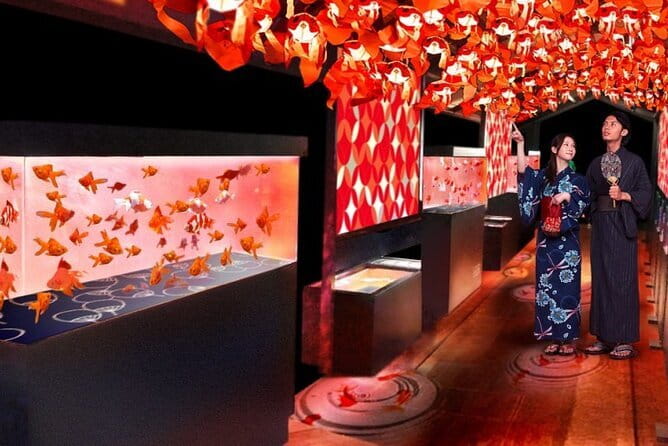
Your main stop is the aquarium itself, and the best way to think about it is as a focused, self-paced circuit. You won’t be on a strict schedule inside, and there’s no fixed route—so you can start wherever you want.
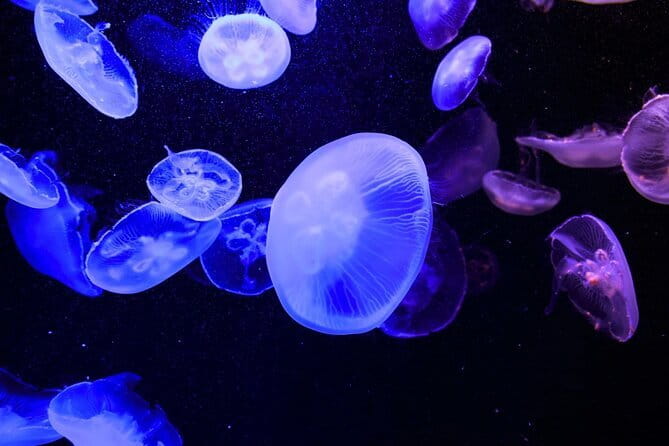
Expect a mix of big, eye-catching tanks and smaller, themed areas. The aquarium experience highlights schools of colorful fish, jellyfish floating in tanks, and coral reef displays. Even if you’re not a hardcore aquarium fan, these are exactly the kinds of exhibits that help you feel like you’re making progress through the space instead of randomly drifting.
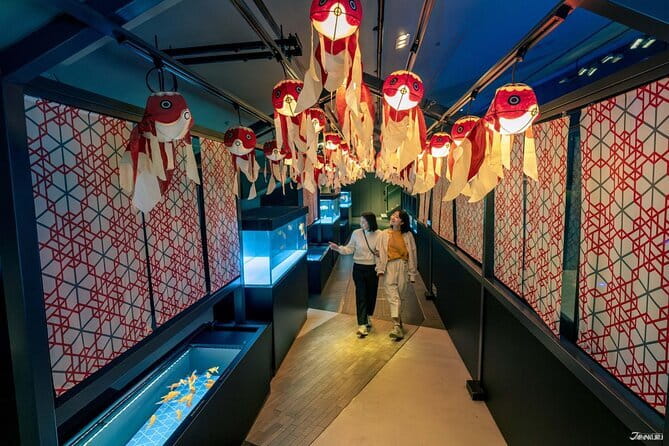
On top of that, the layout encourages you to linger. The Aqua gallery area is described as tanks arranged like paintings in an art-museum style. That’s a helpful mental image: it’s not just a hallway of glass boxes—it’s meant to guide your attention.
The 350-Thousand-Liter Tank: Why It’s the Star of the Show

The highlight many people remember is the aquarium’s huge centerpiece: a 350-thousand-liter tank, described as the largest open indoor tank in Japan. The viewing setup uses clear glass walls, so you don’t have to strain around barriers to get a clean look.
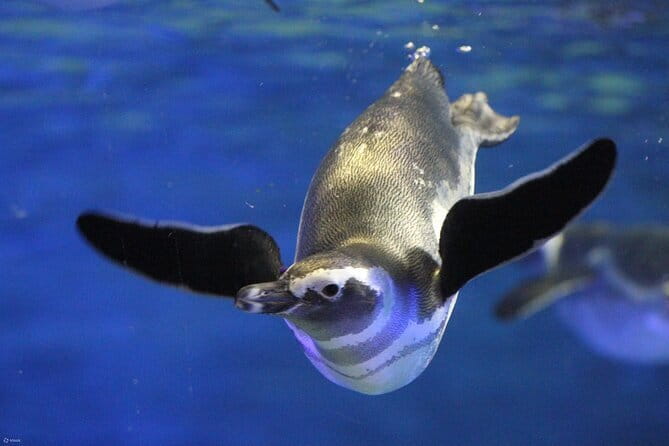
This is also where you can catch standout animal moments. You can watch penguins playing and splashing, and see fur seals glide through the water. If you’re traveling with kids, this is the part that tends to hold attention—fast action, visible behavior, and easy-to-understand visuals.
A practical tip: when you reach the big tank, pause and scan for feeding or active moments. Even though you should plan for a general self-paced visit, the centerpiece is where you’ll likely want to spend the most time.
Penguins, Fur Seals, Jellyfish, and Coral Reefs: A Smart Way to Prioritize
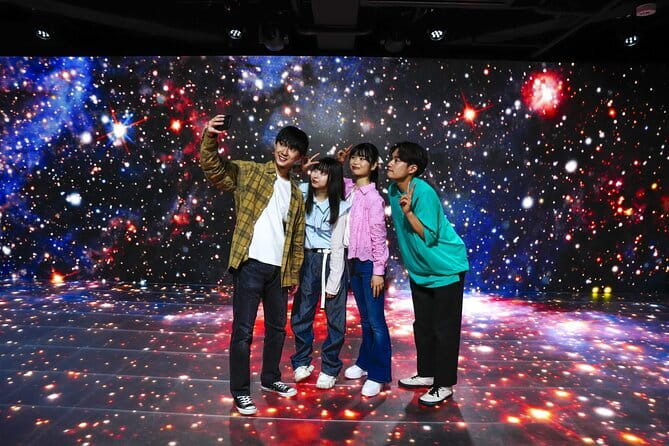
If you only have limited time, you’ll be happier with a quick strategy rather than trying to see everything equally. Here’s how I’d prioritize based on what the aquarium is known for:
Start with the larger mammals and birds—penguins and fur seals—because they’re the easiest to spot and the easiest to enjoy even for short attention spans. Then swing over to the jellyfish and coral displays, since those require more slow-looking and give the visit a nice rhythm change.
Finally, revisit the Aqua gallery style tanks if you want something calmer. That’s where you can settle in with a more thoughtful pace, especially if you like observing how exhibits are arranged.
This approach keeps the visit from turning into a blur. With a smaller aquarium, you don’t want to spend too long on the “nice but similar” tanks and then rush through what you were actually excited for.
You can also read our reviews of more tours and experiences in Tokyo
Exploring at Your Pace: No Fixed Route Means You Can Tailor the Visit
One of the best practical benefits of this package is that once you’re inside, you explore on your own. There’s no need to follow a group, and there’s no fixed route that forces you down a single path.
For me, this matters because aquarium interests can vary a lot. Some people want animals first. Others want the art-gallery feel of the tanks. With no strict route, you can adjust without feeling like you’re falling behind.
It also helps if you’re visiting with children. If they lose interest for a few minutes, you can shift to a tank that grabs them again rather than trying to keep pace with a set schedule.
Optional Tokyo Metro Pass: When It’s Worth Choosing
The base option includes aquarium entry for your selected time slot. Upgraded packages add extras, including Tokyo Metro tickets in some versions.
If you’re staying somewhere that makes rail transit the simplest option, adding Metro access can be a smart way to reduce friction. You won’t have to figure out transit tickets right at the moment you’re trying to enjoy the day.
That said, you should still think about your own logistics. If you already have the right transit setup, you might not need an add-on. But if your plan depends on getting across town efficiently, this option can add value beyond the aquarium itself.
Small Worlds Add-On (If You Choose the Upgrade)
Some upgraded packages include admission to Small Worlds. That matters because it can stretch a shorter aquarium visit into a longer outing without adding a second ticket from scratch.
You’ll want to check which package you pick, because the base ticket includes entry to Sumida Aquarium, while upgraded choices can add more. If you’re planning a half-day and want more than one indoor attraction, the upgrade can be the better buy.
Photography Rules and On-Site Limits
This experience has a clear photo policy: photography is not allowed. If you’re someone who documents every exhibit, plan on enjoying with your eyes rather than recording everything.
You should also know what you can’t bring. No outside food or beverages and no luggage allowed. That means you’ll want to travel light. If you’re carrying a bag, check what size or type is permitted is not specified here, so your safest move is to bring essentials only.
Another rule that affects planning: no re-entry allowed. So if you step out for a break or anything unexpected happens, you won’t be able to come back into the aquarium on the same ticket.
Time, Duration, and How Long You Really Need
The duration is listed as 1 to 5 hours (approx.). With the aquarium described as a smaller one, many visitors likely won’t need the full five hours unless they slow down for every exhibit and spend extra time at the centerpiece.
I’d treat it like a solid 1.5 to 3 hour attraction for most people, then pad it with nearby Skytree Town activities if you want more time. This keeps your day from feeling rushed and helps you avoid the classic Tokyo problem: planning one big stop and then wondering what to do afterward.
Price and Value: Is $25.45 a Good Deal?
At $25.45 per person, this ticket feels like a straightforward way to get admission with the convenience of a time slot. The value comes from two things:
First, you’re not just buying a ticket—you’re buying organized entry for a chosen date/time, with an e-ticket-style flow and a clear admission inclusion.
Second, the optional upgrades can turn it into a “two-stop indoor day,” especially if you add Tokyo Metro tickets or the Small Worlds extra.
The main reason I’d consider paying this price is predictability. Tokyo days can be hectic, and a timed entry helps you keep your schedule under control. If you’re already planning to be in Skytree Town anyway, it’s also a practical use of time.
If you’re only passing through briefly and aren’t sure you’ll care about penguins, seals, jellyfish, and coral displays, you might weigh whether the aquarium’s smaller size fits your expectations. It’s worth it when you’re excited about the exhibits, not when you want an all-day mega attraction.
Who This Works Best For
This fits best if you want a clean, self-paced attraction in a major Tokyo area. It’s a good match for:
- Families, especially with kids who enjoy seeing penguins and seals and watching animal behavior
- Couples looking for an easy indoor outing near a landmark
- Solo travelers who prefer self-guided exploration instead of group pacing
- Anyone already in or around Tokyo Skytree Town and wants a focused attraction nearby
Children must be accompanied by an adult at all times, so plan accordingly.
Quick Planning Checklist Before You Go
Here’s what to do so the day runs smoothly:
- Bring photo ID/passport, since it’s required at the entrance
- Choose your date and time slot and plan to arrive a little early
- Travel light: no luggage and no outside food/beverages
- Accept that no photography is allowed
- Remember no re-entry after you leave
If you’re booking ahead, the average booking window is about 20 days. That can help you time it for a planned itinerary rather than last-minute scrambling.
Should You Book This Sumida Aquarium Ticket Package?
I’d book it if you want an easy, organized way to enjoy Sumida Aquarium at a major Tokyo landmark, without dealing with extra on-the-spot planning. The centerpiece tank, plus the penguins and fur seals, are the kinds of highlights that make the ticket feel worth it even if you don’t spend all day.
Skip it—or at least think twice—if you’re expecting a huge, hours-long aquarium with endless territory to explore. This one is described as a small aquarium, and you may finish sooner than a big-attraction experience would take.
If you want the smoothest trip, consider the package with Tokyo Metro tickets when your route depends on public transit. And if you’re aiming for a longer indoor outing, the Small Worlds add-on can help stretch your day.
FAQ
What is included with the standard ticket?
The standard option includes your admission ticket to Sumida Aquarium for the date and time slot you select.
How long should I plan for at the aquarium?
The experience is listed as 1 to 5 hours (approx.), depending on how much time you spend in the exhibits.
Do I need a photo ID or passport?
Yes. You must bring valid photo ID/passport, and it’s required to be displayed at the entrance.
Is there a fixed route inside the aquarium?
No. There is no fixed route once you’re inside, and you explore at your own pace.
Are tickets tied to a specific date and time?
Yes. Tickets are valid for the date and time selected.
Can I re-enter after I leave?
No. No re-entry is allowed.
Is photography permitted?
No. Photography is not allowed.
Can I bring outside food or drinks?
No. Outside food or beverages are not allowed.
Does the package include Tokyo Metro tickets?
Some versions include Tokyo Metro tickets as an upgrade option. The base option includes aquarium admission only.
What happens if it’s canceled due to poor weather?
If the experience is canceled due to poor weather, you’ll be offered a different date or a full refund.