REVIEW · TOKYO
Tokyo Private Half-Day Highlights Tour by Car with Guide
Book on Viator →Operated by O2 Japan travel · Bookable on Viator
Tokyo can feel like a maze. This private highlights tour by car makes it feel like a plan. You’ll get a quick, high-impact loop through Meiji Jingu, Shibuya Crossing, the Hachiko area, the Imperial Palace photo spot, and Sensō-ji, all with direct pickup and an English-speaking guide to explain what you’re seeing. I also love that the pace is adjustable, so you’re not stuck rushing. The only real drawback: it’s a car tour with short stop times, so you’ll want to treat each place like a smart first look, not a long deep stay.
In plain terms, you’ll skip the public-transport juggling and let your guide handle the routing. You’ll park nearby, step out for photo-friendly moments, then hop back in the air-conditioned vehicle and move on. It’s also a good value setup for small groups—up to 3 people—because the price is per group, not per person.
In This Review
- Key highlights you’ll actually notice
- Why this private car route is such a smart way to start Tokyo
- A small reality check
- Meiji Jingu Shrine: a quiet reset inside a city sprint
- What to do with your time
- Shibuya Crossing and Hachiko: the famous chaos, handled with timing
- The photo strategy I recommend
- Imperial Palace area: Nijubashi Bridge photo time that frames Tokyo’s power
- A good way to think about this stop
- Sensō-ji Temple and Nakamise Street: old Tokyo with snacks (and real energy)
- What’s the tradeoff?
- Tokyo Tower or Tsukiji Market: choose your add-on based on your mood
- Tokyo Tower (if you have extra time)
- Tsukiji Market (optional)
- My advice on choosing
- Price and value: what $253.44 per group buys you in Tokyo
- When this is especially good value
- When you might skip it
- How long are the stops, and why that timing works
- The guide factor: what past guests praised most
- Should you book this Tokyo Private Half-Day Highlights Tour?
- FAQ
- How long is the Tokyo private half-day highlights tour?
- Is hotel pickup included?
- What sights are part of the tour?
- Is admission free for these stops?
- Is lunch included?
- Can I add time for more sightseeing the same day?
- What is the cancellation policy?
Key highlights you’ll actually notice
- Hotel pickup and drop-off in central Tokyo saves real time and stress
- Car-to-car efficiency means you see more without constant train station navigation
- Guide-led timing lets you slow down for photos or speed up if you’re focused
- Shibuya Crossing + Hachiko is handled with short, well-timed breaks for pictures
- Photo help is included when you ask your guide
- Optional add-ons can extend your Tokyo mix with Tokyo Tower or Tsukiji
Why this private car route is such a smart way to start Tokyo
Tokyo is incredible. It can also be exhausting when you’re trying to line up trains, exits, and crowded platforms while you’re jet-lagged. This tour is built for the exact moment when you want the highlights, but you don’t want to work for them.
The biggest win is the private format. You’re not waiting for a big group to sync up. You’re not making last-minute detours because you missed a stop. And your guide can shift priorities based on what you care about—temples, pop culture spots, classic landmarks, or photo stops.
Second, you get a guide who doesn’t just point at buildings. Guides in this program—like Mitsuaki and James, based on past guests’ feedback—tend to be both friendly and practical. People highlight how on time and efficient they were, how easy it is to ask for extra photo moments, and how the history adds context without turning the tour into a lecture.
You can also read our reviews of more guided tours in Tokyo
A small reality check
This is “highlights in half a day,” not “see everything.” If you want to linger for hours inside places (or you’re hoping for a super-detailed, museum-style experience), you’ll need a longer tour or separate plans. But if you want a fast, confident introduction to Tokyo, this hits the sweet spot.
Meiji Jingu Shrine: a quiet reset inside a city sprint
Meiji Jingu is your first gentle landing. You’re in central Tokyo, but the experience is intentionally the opposite of city noise. The shrine sits within a forest area famous for its density of trees—over 100,000—so the air feels cooler and the pace slows naturally once you’re inside.
You’ll have about 45 minutes here, and that time matters. It’s long enough to walk the approach and take in the atmosphere without feeling rushed. It’s also short enough that you don’t miss the rest of the day’s big-ticket stops.
What makes this stop special is the contrast. Tokyo is famous for energy and motion, but Meiji Jingu is where you notice how the city balances tradition and calm. Your guide’s commentary helps here—especially with what the shrine is dedicated to, so you’re not just photographing gates and paths with no context.
What to do with your time
- Plan to arrive ready for photos, but don’t treat it like a selfie factory.
- Use the time to slow down and observe the environment. The forest effect is part of why this stop works.
Shibuya Crossing and Hachiko: the famous chaos, handled with timing
Shibuya Crossing is Tokyo’s pop-culture punctuation mark. It’s the intersection that looks like controlled chaos—people flowing in every direction, street screens glowing, and the whole thing feeling like a movie scene.
Here’s where the car part earns its keep. The tour parks nearby, and you get about 10 minutes for free time. That time is short, but it’s designed for the right job: photos and the signature moment of finding the Hachiko statue.
Then you add a second stop right after: the Hachiko area itself. That follow-up is smart because it keeps the theme together. You’re not crossing the city twice to chase the same story.
Hachiko’s story is simple and emotional: he waited for his owner every day, even after the owner had passed away. This is one of those Tokyo icons that works even if you’re not a big anime or history person. People relate to the idea of loyalty fast.
You can also read our reviews of more private tours in Tokyo

The photo strategy I recommend
You’ll be tempted to sprint. Don’t. Ten minutes disappears fast. Instead:
- Take a wide shot first (so you get the full Crossing energy).
- Then switch to closer shots around the Hachiko statue area.
- If the crowd is heavy, use the guide’s timing and just grab what you can—your guide can help you position without wasting time.
Imperial Palace area: Nijubashi Bridge photo time that frames Tokyo’s power
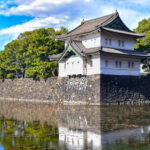
Next comes a classic Tokyo landmark stop: the Imperial Palace area. Even if you don’t plan to spend much time inside buildings, the photo opportunity is the point—especially at Nijubashi Bridge.
The bridge is iconic for its double-arched design, and it’s one of those views that instantly says Tokyo to people back home. The tour gives you about 45 minutes, which is usually enough time to take the key photos and walk a little in the surrounding area without it turning into a long detour.
One practical benefit: this is a place where being slightly early or well-positioned matters. The bridge is visually strong, but the surrounding scene changes with crowds and light. Your guide’s job is to get you the best shot within your time window.
A good way to think about this stop
Don’t treat it like a museum. Treat it like a landmark viewpoint. Your goal is recognition and photos, backed by short context so it clicks.
Sensō-ji Temple and Nakamise Street: old Tokyo with snacks (and real energy)

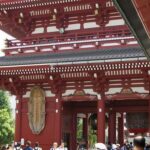
If Meiji Jingu is the calm reset, Sensō-ji is the lively old-Tokyo highlight. Sensō-ji is Tokyo’s oldest and most famous Buddhist temple, dating back to the 7th century. The first big visual hit is Kaminarimon Gate, with its iconic presence and the sense that you’re entering a famous tradition.
You’ll have about 45 minutes for the temple area. That’s enough time to walk in, see the main hall area, and absorb the atmosphere without needing hours.
Then you get the “street life” layer: Nakamise Shopping Street, running from Kaminarimon toward Sensō-ji. You’ll have 15 minutes here, which is plenty for browsing and grabbing a couple of items.
Nakamise is where Tokyo shows its snack and souvenir personality in a more old-school way. Stalls sell traditional snacks, souvenirs, and crafts, so you can pick something small without feeling like you’re committing to a full shopping mission.
What’s the tradeoff?
Fifteen minutes means you’re not going to shop deeply. It’s perfect for:
- quick tasting,
- quick browsing,
- and finding gifts that feel local instead of generic.
If you want a long shopping session, you can always return later on your own. For a half-day highlight tour, this timing is efficient.
Tokyo Tower or Tsukiji Market: choose your add-on based on your mood
You may get time for one extra stop if the schedule allows. Two common options are Tokyo Tower and Tsukiji Market.
Tokyo Tower (if you have extra time)
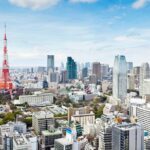
Tokyo Tower is a red-and-white communications tower, and it’s about 333 meters tall. It’s inspired by the Eiffel Tower, but in practice it feels like its own Tokyo icon. The key reason people love it: observation decks with panoramic city views.
This stop is best if you want skyline energy and photo opportunities with less street crowd chaos than some of the other areas.
Tsukiji Market (optional)
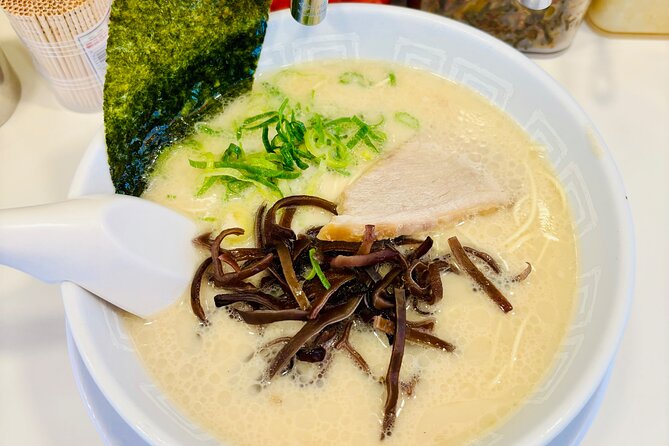
Tsukiji Market is famous for seafood and produce. The idea here is to step into a busy food world—fresh fish, local foods, and lots of action in the stalls.
This is best if you want your Tokyo day to include food culture beyond temple snacking. It also works well if you’re the type who likes to wander without needing a big checklist.
My advice on choosing
- If you want photos with skyline payoff, pick Tokyo Tower.
- If you want food-world chaos and market browsing, pick Tsukiji.
- If you’re unsure, ask your guide which one fits the time and crowd level that day.
Price and value: what $253.44 per group buys you in Tokyo
At $253.44 per group (up to 3 people) for roughly 4 to 5 hours, this tour is priced like a premium shortcut. The question isn’t whether it’s cheap. It’s whether it’s efficient.
Here’s what you get that usually costs extra in time and effort:
- Licensed English-speaking guide
- Hotel pickup and drop-off in central Tokyo
- Air-conditioned private car with fuel, tolls, and parking included
- Photos taken by your guide on request
- A route that strings together Tokyo’s most recognizable cultural and modern sights
For families and small groups, that price can make sense fast. If you’re used to splitting taxis or rides, the “private car plus guide plus organized routing” package can feel less expensive than you’d expect.
When this is especially good value
- You have limited time (like the first day or a quick stopover).
- You’re traveling with someone who doesn’t love navigating transit stations.
- You want both classic Tokyo and modern Tokyo in one run.
When you might skip it
If you already love using transit, have a full day, and don’t mind planning routes, you could DIY some of these stops. But for a structured introduction, the guide-driven timing is the real value.
How long are the stops, and why that timing works
The itinerary is built around short, purposeful windows:
- 45 minutes at Meiji Jingu
- 10 minutes for Shibuya Crossing photos
- 10 minutes around the Hachiko statue area
- 45 minutes around the Imperial Palace photo spot
- 45 minutes at Sensō-ji
- 15 minutes on Nakamise Street
That totals about 4 to 5 hours depending on traffic and whether you add Tokyo Tower or Tsukiji.
This timing is the secret sauce. It prevents the common Tokyo problem: spending 30 to 45 minutes traveling, then only giving each sight 10 minutes. Here, you do the opposite. You keep transit friction low and allocate time where it counts.
The guide factor: what past guests praised most
The highest praise in this tour tends to cluster around a few themes.
Warm and on-time service. Multiple guests called out punctuality and a friendly, easy working style. That matters in Tokyo, where the city moves fast and you’ll appreciate a guide who keeps you moving without rushing you.
Flexibility with pacing and photos. People enjoyed taking their time during stops and getting help with photos. The tour also includes guide-taken photos on request, so you can ask for a picture at the exact moment you’re in position.
Comfort for different ages and needs. One review specifically highlighted the guide being respectful and helpful for senior travelers, including quick assistance during a street mishap. I can’t promise personal assistance in every situation, but it does suggest the guide style is attentive, not robotic.
Strong practical English. Guests praised English clarity, and that’s essential for Japan because you’ll understand not only what you’re seeing, but also why it matters.
Should you book this Tokyo Private Half-Day Highlights Tour?
I’d book it if you want a confident, first-time-friendly overview of Tokyo without transit stress. The combination of hotel pickup, a private car, and a guide who helps you time photos and pacing makes it a smart use of limited time. It’s also a great match for small groups up to 3, where the per-group price can feel reasonable for what’s included.
I’d think twice if you want long museum-style time in fewer places, or if you’re the type who enjoys spending whole days on public transport and planning routes yourself. This tour gives you taste and recognition. Then it points you toward what you’ll want to do in more depth later.
If your priority is seeing major Tokyo highlights efficiently, with a guide who keeps the day smooth, this is an easy yes.
FAQ
How long is the Tokyo private half-day highlights tour?
It runs about 4 to 5 hours.
Is hotel pickup included?
Yes. Hotel or central Tokyo pickup and drop-off are included.
What sights are part of the tour?
The tour includes Meiji Jingu Shrine, Shibuya Crossing, the Hachiko area, the Imperial Palace area (including Nijubashi Bridge), and Sensō-ji Temple. Nakamise Shopping Street (Kaminarimon) is included as well.
Is admission free for these stops?
The tour information lists admission tickets as free for the main stops shown (Meiji Jingu, Shibuya Crossing, Hachiko, Imperial Palace area, Sensō-ji, and Nakamise).
Is lunch included?
No. Lunch is not included.
Can I add time for more sightseeing the same day?
A same-day extension may be available at ¥10,000 (about USD 65) per hour, subject to availability.
What is the cancellation policy?
Free cancellation is available up to 24 hours in advance for a full refund. If you cancel less than 24 hours before the start time, the amount paid is not refunded.