REVIEW · TOKYO
From Tokyo: 1 Full Day Mount fuji Sightseeing Trip
Book on GetYourGuide →Operated by Sky Japan Tourism · Bookable on GetYourGuide
Fuji reveals itself in stages. This private 10-hour route builds a full day of photo stops, starting with Oshino Hakkai and aiming for the 5th Station panorama. The big catch is right up front: 5th Station can be closed during hiking season, and heavy cloud can swallow the views fast.
I like that the day mixes classic Fuji icons with practical breathing room, so you’re not sprinting every minute. You’ll hit Oshino Hakkai for Fuji-water tasting, the Arakura Sengen Shrine area for the five-storied pagoda at Chureito, and the lake stops where Fuji reflections are the main event. The one drawback to consider is that the quality of the experience can swing based on guide and driver performance, and the day can be weather-dependent.
Because it’s a private group (up to 7) with pickup anywhere in Tokyo, it’s a good fit if you want control and less hassle than public transport. You also get Wi‑Fi on board, which helps when you’re coordinating your own photo timing and snack breaks. If you’re traveling with kids or anyone who needs wheelchair access, this format is built with that in mind.
In This Review
- Key things that make this Fuji trip worth your time
- Private Fuji from Tokyo: what a 10-hour loop really feels like
- Oshino Hakkai: Fuji water you can actually try
- Chureito Pagoda and Arakura Sengen Shrine: the iconic shot with a walk-up rhythm
- Lake Kawaguchiko: boat time and reflection chances
- Lake Yamanaka and Kitaguchi-hongu Fuji Sengen Shrine: slower views and shrine time
- Oishi Park: the viewing break where sunset actually makes sense
- Shinobi No Sato Ninja Village: a fun reset between Fuji moments
- Mt. Fuji 5th Station: the panoramic payoff, plus the seasonal catch
- Price and logistics: does $450 per group make sense
- Weather, guide quality, and why the driver matters
- Who this tour fits best (and who should think twice)
- Should you book this Mt. Fuji trip?
- FAQ
- How long is the Mount Fuji sightseeing trip from Tokyo?
- Is this tour a private group, and how many people can join?
- Where can you get picked up in Tokyo?
- What’s included in the $450 per group price?
- Is lunch included?
- What languages and accessibility options are available?
- Will you definitely visit Mt. Fuji 5th Station?
- What’s the cancellation and payment flexibility?
Key things that make this Fuji trip worth your time
- Oshino Hakkai Fuji-water tasting: a memorable, easy stop that also teaches you what to look for.
- Chureito pagoda at Arakura Sengen Shrine: the iconic five-storied photo angle, plus scenic viewpoints en route.
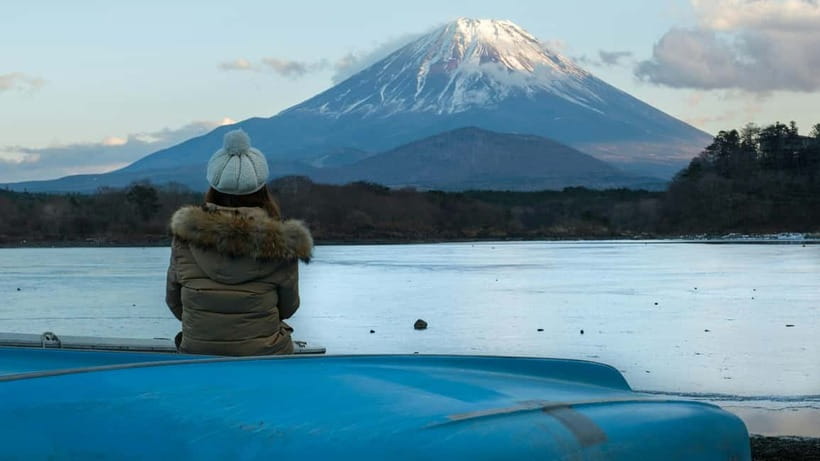
- Lake Kawaguchiko with boat time: time on the water where Fuji reflection chances improve.
- Oishi Park for photos and sunset timing: a dedicated viewing stretch instead of rushing past.
- Cultural variety: Kitaguchi-hongu Fuji Sengen Shrine plus Shinobi No Sato Ninja Village.
- 5th Station payoff with a real caveat: seasonal closures can change the final big view.
Private Fuji from Tokyo: what a 10-hour loop really feels like
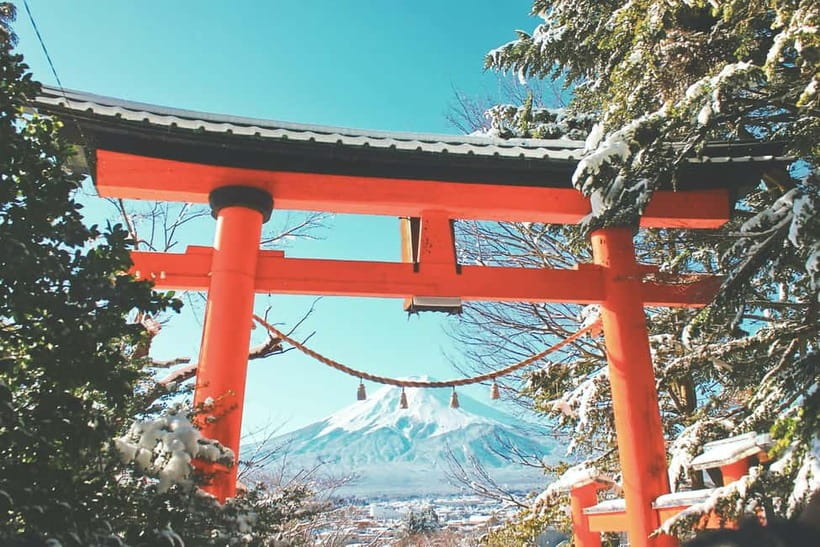
This tour is built as a one-day Fuji circuit, so you get multiple viewpoints in one shot. That matters because Mt Fuji isn’t guaranteed to show itself. Even when the mountain is clear in Tokyo, the weather can shift by the time you drive west, and the itinerary gives you enough chances that you’re not stuck with just one view.
What helps most is the pacing choices built into the day: a mix of photo stops, some guided time, and breaks where you can reset. You’re also not negotiating trains or transfers in a busy region. For many people, that’s the real luxury—show up, ride, and spend your energy on photos, walking, and enjoying the stops.
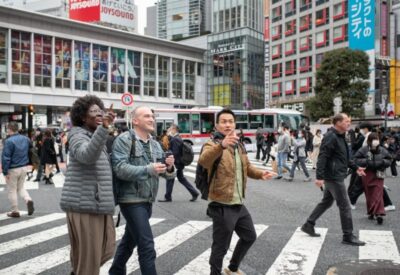
Pickup is flexible too. You can start from common Tokyo landmarks like Shibuya Crossing, Tokyo Tower, Asakusa, Hachiko in Shibuya, or Tokyo Station, or from your hotel or residence. That reduces your morning stress and makes it easier to keep the day on schedule.
You can also read our reviews of more tours and experiences in Tokyo

Oshino Hakkai: Fuji water you can actually try
Oshino Hakkai is famous for springs fed by snowmelt from Mt Fuji, and the tour gives you time for both a guided walk and photos. I like this stop because it’s not only a pretty place—it’s a quick way to understand the water story behind Fuji’s ecosystems and the lakes around Hakone and Kawaguchiko.
Expect a photo stop plus visit time, with about an hour set aside. That’s enough time to see the pond-like springs and soak in the atmosphere without feeling rushed. You’ll also taste the water from Mt Fuji here, which is a very straightforward “yes, I did the thing” moment.
One practical tip: this area can get crowded on popular days, and standing time can add up. If you’re sensitive to long waits, arrive ready to move at a calm pace during the stop window.
Chureito Pagoda and Arakura Sengen Shrine: the iconic shot with a walk-up rhythm
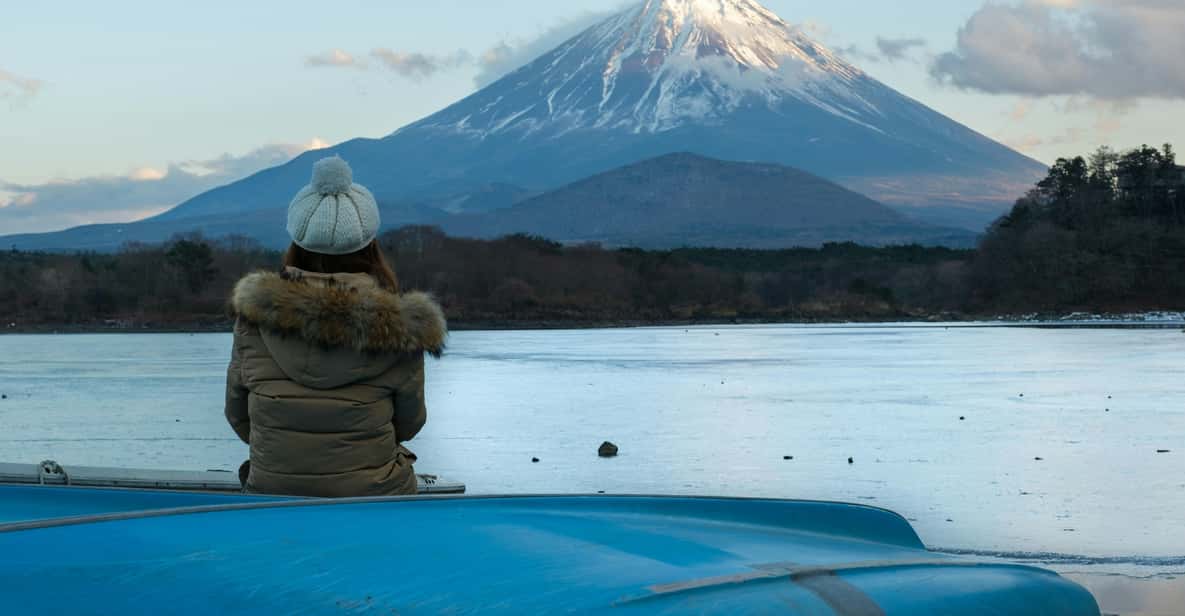
Chureito Pagoda is the kind of Fuji photo that people plan their whole day around, and the tour includes it as a major highlight. It’s tied to Arakura Sengen Shrine, where the five-storied pagoda sits as a classic frame for Mt Fuji.
You’ll typically get photo-stop time and scenic views while you’re on the way, then visit time near the shrine area. The route is designed so you’re not only staring at the mountain from a single spot. Instead, you get a small run of viewpoints that help you catch the pagoda angle even if Fuji isn’t perfectly clear from every position.
A key consideration is that the best photos depend on line-of-sight. If clouds roll in, you may get the pagoda without the full Fuji backdrop. If you’re flexible, you can still enjoy the shrine grounds and the architecture even on a hazy day.
Lake Kawaguchiko: boat time and reflection chances
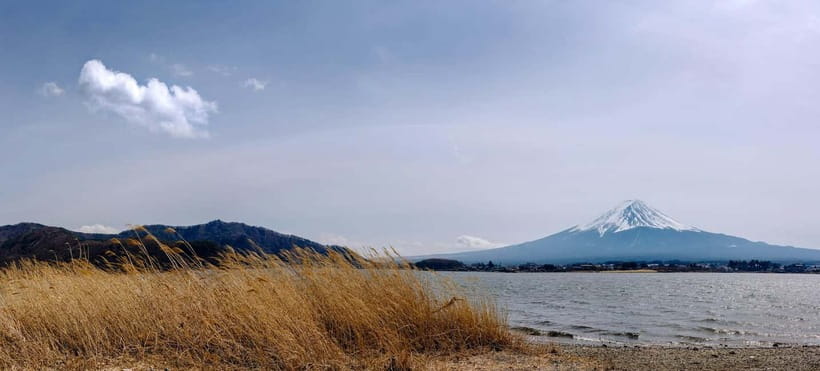
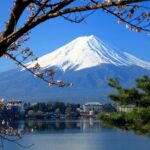
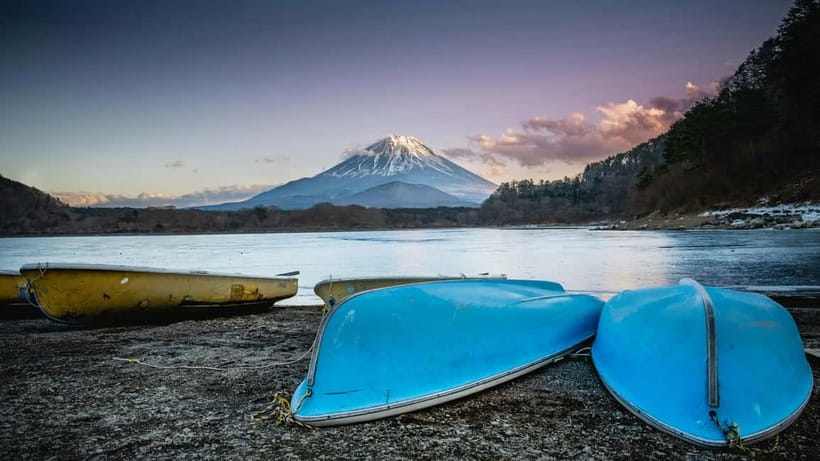
Lake Kawaguchiko is one of the most practical places to hunt for “Fuji in the water” photos. The itinerary gives you around two hours here, including a boat cruise. That boat segment can be a game-changer because it changes the perspective and often improves your chances of seeing a clean reflection.
I like that this stop isn’t only about standing still. With boat time in the mix, you get motion, fresh angles, and a break from constant walking. It’s also one of the most relaxing blocks in the day, which matters when you still have more stops ahead.
Your payoff depends on weather, of course. Still, the tour’s structure is smart: it doesn’t make Lake Kawaguchiko your only shot at seeing Mt Fuji clearly. You’ll have more lake time later, plus the attempt at 5th Station depending on seasonal access.
Lake Yamanaka and Kitaguchi-hongu Fuji Sengen Shrine: slower views and shrine time
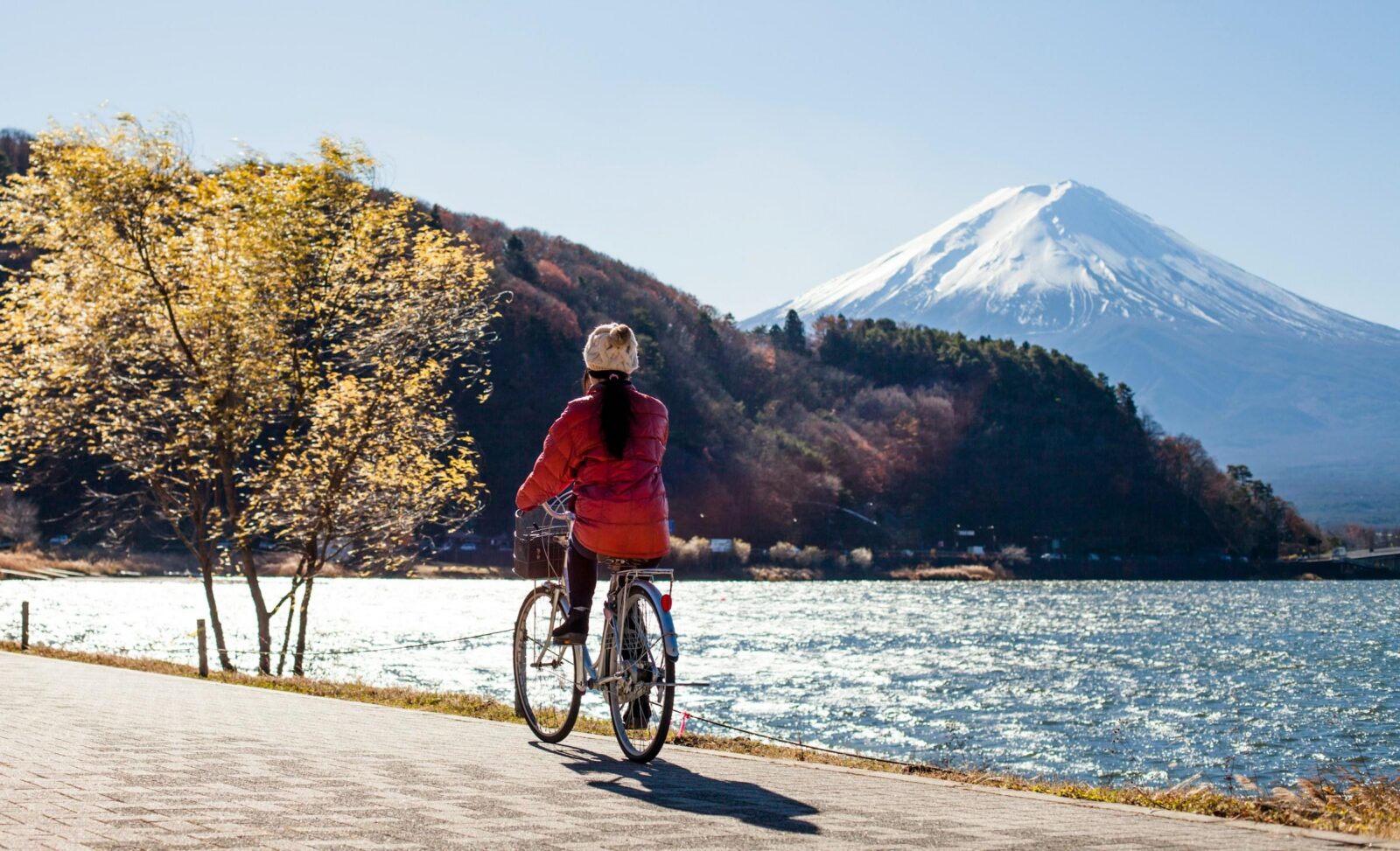
After Kawaguchiko, you get another lake stop at Lake Yamanaka. You’ll have photo-stop time and about an hour and a half of free time plus sightseeing. This is a good moment to breathe, grab a snack if you missed lunch, and reset before the more walk-heavy parts of the day.
I like Lake Yamanaka as a change of pace. It’s another chance at Fuji framing, but with a bit more breathing room than the most famous photo zones. If Fuji is visible, it’s a great way to compare how the mountain looks from different waterlines and angles.
Then you move to Kitaguchi-hongu Fuji Sengen Shrine, with photo-stop time, a visit, and a walk of about an hour. This shrine is part of the broader Fuji pilgrimage culture, and the tour gives you enough time to slow down rather than just do a quick photo and leave.
If you’re the type who likes context (not just photos), this stop helps you understand that Fuji isn’t only a background mountain. It’s tied to worship, seasonal practice, and the idea of ascent.





Oishi Park: the viewing break where sunset actually makes sense
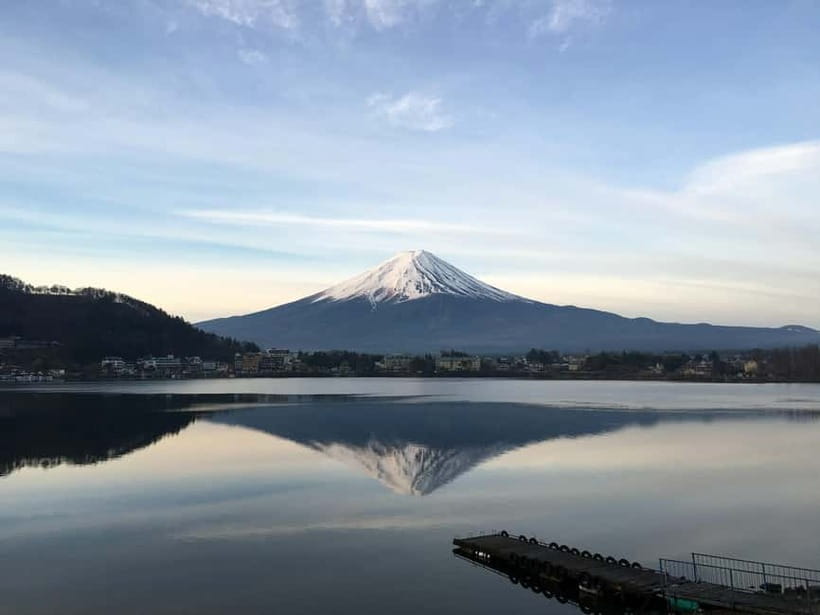
Oishi Park is scheduled as a dedicated break time plus photo-stop and visit/sightseeing time, with a special focus on sunset. The tour gives about an hour and a half here, which is long enough to wait for the light to change if weather allows.
This is the kind of stop that rewards patience. If clouds thin out or the light softens, Oishi Park can deliver some of the day’s most satisfying views. If Fuji stays hidden, you still get a relaxing waterfront break, which prevents the itinerary from feeling like a nonstop checklist.
Practical note: sunset timing is part of the value here, so try not to rush through your own photo session. The benefit is seeing how the look of the mountain changes as the sky shifts.
Shinobi No Sato Ninja Village: a fun reset between Fuji moments
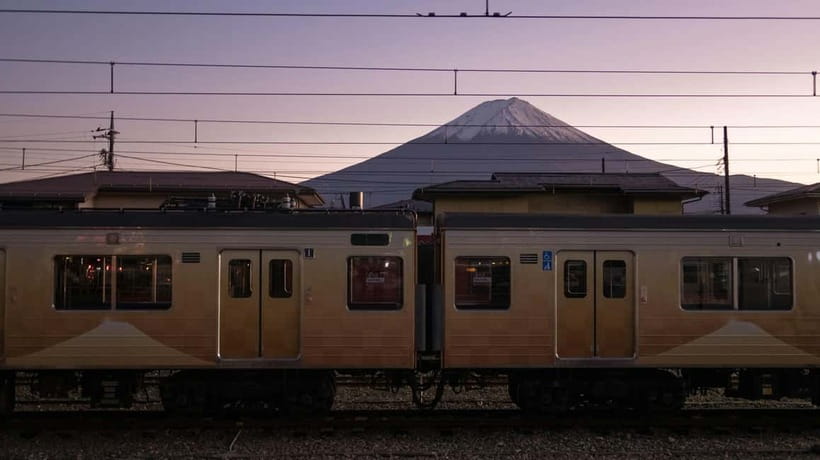
Not every Fuji day trip needs a ninja village. But in this itinerary, Shinobi No Sato Ninja Village works as a mid-to-late-day reset. You get about an hour and a half for visit time, sightseeing, and walking, with self-guided browsing.
I think this stop is especially useful if you’re traveling with kids, teens, or anyone who wants a break from shrine and viewpoint walking. It also breaks up the day so you’re not always scanning for Mt Fuji in the distance. Sometimes, after several hours of looking, your eyes and legs need a different kind of activity.
If you’re not into theme villages, you can still use the time as a low-pressure pause. Just keep your energy for the final attempt at 5th Station, since that’s where the views are meant to feel most dramatic.
Mt. Fuji 5th Station: the panoramic payoff, plus the seasonal catch
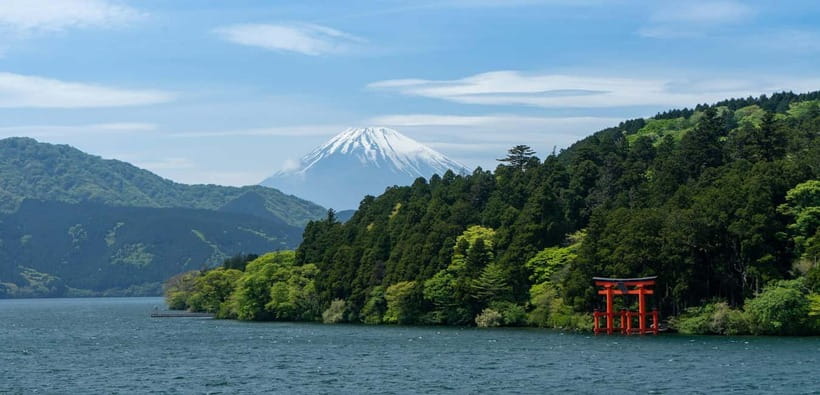
Mt. Fuji 5th Station is the big finish in the plan, with sightseeing and a self-guided tour. The highlight claim is clear: breathtaking panoramic views. But you should treat this as a “might happen exactly as planned” moment.
The tour information flags a major issue: 5th Station can be closed due to hiking season. That means access restrictions can change what you see at the end of the day. If the station is closed, you’ll likely spend more time at alternative viewpoints or the nearby areas depending on conditions and the day’s routing.
I recommend planning your expectations with this in mind. You can still have a great Fuji day even if the 5th Station portion is reduced. Still, if you specifically want that high-altitude perspective, check closer to your travel date and be ready to accept a different final viewpoint.
Price and logistics: does $450 per group make sense
The price is listed as $450 per group, up to 7 people, for a 10-hour day trip. The value swings based on how full your group is. If you fill most seats, you’re effectively paying roughly $65 per person. If you travel as a small group of 2 or 3, your per-person cost climbs fast.
What you get for that money is not only the driving. Included items cover transport to multiple locations, a good English-speaking tour guide, Wi‑Fi on board, and a child car seat. That’s helpful for families and for anyone who doesn’t want to stress about data plans while navigating rural roads.
Lunch is not included, and paid parking and extra fees/tickets are also not included. That means you should set aside cash or a card for small purchases at each stop. If you plan to eat a full meal during the day, factor that in early so you don’t end up forced into something rushed or overpriced.
Accessibility is a plus: the tour is wheelchair accessible and runs as a private group. If you need that kind of flexibility, a shared-car format can feel more considerate than hopping between systems on your own.
Weather, guide quality, and why the driver matters
Fuji days are weather days. You can do everything right—timing, viewpoints, good shoes—and still get cloud cover that hides the mountain. This tour helps because it gives you many different tries across the day.
Guide and driver quality can make the difference between a smooth day and a frustrating one. One guide named Malik was described as having limited English ability, which made it harder to understand explanations and ask questions. On the other hand, a driver named Ali was praised for being very helpful when heavy rain hit mid-day, using umbrellas to get everyone from spots to the car one by one.
That contrast tells you something useful: if your guide is strong, you’ll get more from the stops, even when visibility is average. If your guide has trouble communicating, you can still enjoy the scenery, but you’ll lose the added value of context. If rain hits, a driver who’s calm and organized is a quiet hero.
Reliability is another factor worth thinking about. In a past booking, a driver reportedly never appeared due to an accident, with no replacement. That’s not something you can fix from your end, but it’s a reminder to keep your expectations realistic and have a plan for how you’ll handle delays.
Who this tour fits best (and who should think twice)
I think this tour is a great match if you want a structured Fuji day without juggling transit. It’s also a good pick if you prefer a private group for timing control, whether that means traveling with family, friends, or anyone who wants a calmer pace.
It’s also strong for first-timers because the day covers multiple classic categories: shrine culture, photo icons like Chureito Pagoda, lake viewpoints, and a high-mountain attempt at 5th Station. You don’t need deep planning to know what to do—your day is already shaped.
Where it might not fit perfectly is if you’re extremely view-focused and can’t tolerate weather letdowns or the possibility that 5th Station is closed. Another tricky fit is if you rely heavily on detailed English explanations during stops; while the tour supports English, the real-world communication level can vary.
Should you book this Mt. Fuji trip?
Yes, I’d book it if you want a simple, full-day Fuji hit with multiple chances to see the mountain, and you value convenience from Tokyo pickup through to the final return. The combination of Oshino Hakkai water, Chureito pagoda, Lake Kawaguchiko boat time, and the sunset-ready stop at Oishi Park gives you a well-rounded day that feels more complete than most “just a viewpoint” tours.
I’d hesitate only if you’re traveling during the strictest hiking-season weeks when 5th Station access may be closed, or if your group depends on flawless English guidance for every stop. If you can handle those risks, this itinerary’s mix of viewpoints and activities makes it an efficient way to experience Fuji culture and scenery in one long day.
FAQ
How long is the Mount Fuji sightseeing trip from Tokyo?
It runs for 10 hours.
Is this tour a private group, and how many people can join?
Yes, it’s a private group with a maximum of 7 people.
Where can you get picked up in Tokyo?
Pickup is available from anywhere in Tokyo, including hotels, residences, and popular landmarks such as Shibuya Crossing, Tokyo Tower, Asakusa, the Hachiko statue area, or Tokyo Station.
What’s included in the $450 per group price?
Included are drive/transport to different places, a good English-speaking tour guide, Wi‑Fi on board, and a child car seat.
Is lunch included?
No. Lunch is not included.
What languages and accessibility options are available?
The live tour guide supports English and Japanese, and the tour is wheelchair accessible.
Will you definitely visit Mt. Fuji 5th Station?
The tour notes that Mt. Fuji 5th Station can be closed due to hiking season, so access may be limited.
What’s the cancellation and payment flexibility?
You can cancel up to 24 hours in advance for a full refund. You can also reserve now and pay later.