REVIEW · TOKYO
Tokyo: Mount Fuji Private Tour with Scenic Lunch Experience
Book on GetYourGuide →Operated by Travel On Peaks · Bookable on GetYourGuide
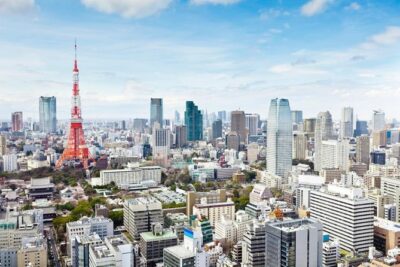
One day, two worlds: Tokyo speed and Fuji calm. This private Mount Fuji tour is built around scenic stops plus a calmer pace than bus tours, so you get time to actually look. I especially like the scenic lunch plan and the way the route mixes viewpoints with quieter culture.
Two things I’d plan this around: the chance to visit Iyashi no Sato (Healing Village) for artisan workshops, and the photo-friendly shrine and pagoda stops that put Mount Fuji in the frame. One consideration: the day is still about walking, steps, and frequent getting in and out of the van, so you’ll want comfortable shoes and a flexible mindset about weather.
If clear skies show up, it feels like the day clicks. If not, your guide will adjust stops, but you might miss some long-distance views—so it helps to treat this as a countryside experience, not a guaranteed Fuji postcard.
In This Review
- Key takeaways before you go
- From Tokyo Pickup to Fuji Countryside Calm
- The 5th Station Photo Stop: A Fuji Moment Even When You’re Tired
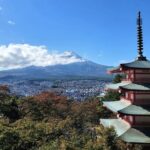
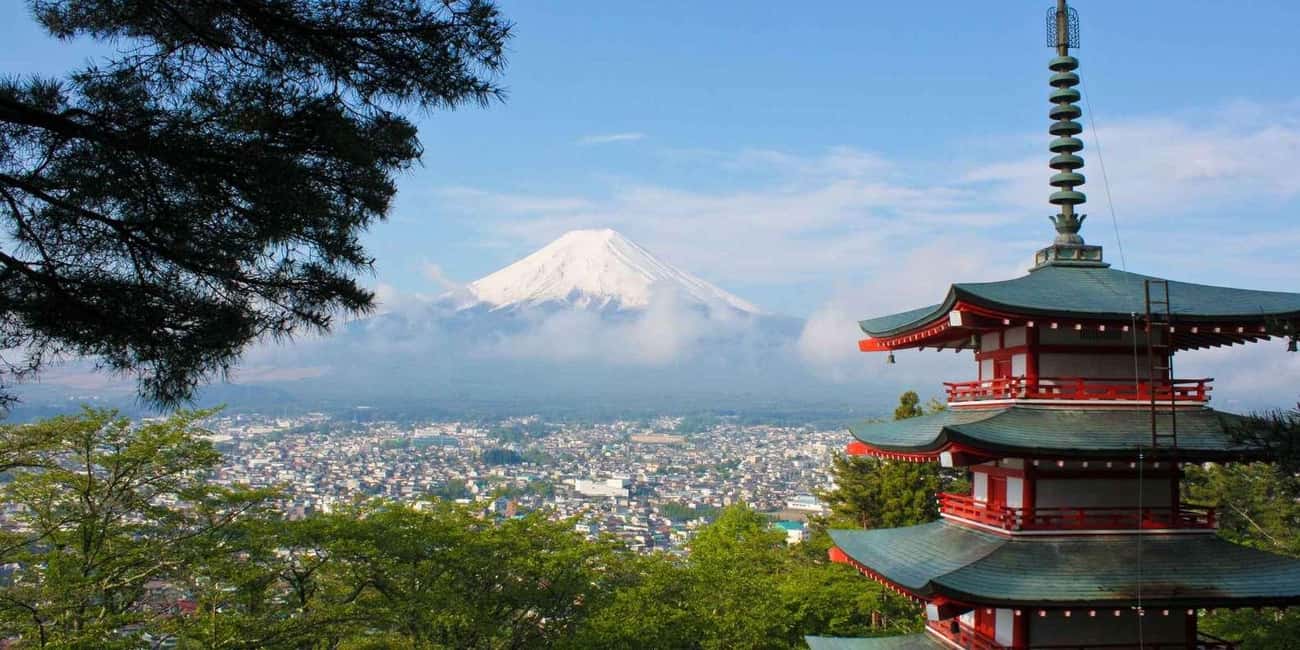
- Chureito Pagoda and Lake Views: Where the Photos Come From
- Iyashi no Sato Healing Village: Thatched Roofs and Real Craftwork
- Saiko Lake and Bat Cave: Forest Silence and Different Footing
- Arakura Fuji Sengen Shrine and Pagoda: Big Steps, Big Views
- Kitaguchi Hongu Fuji Sengen Shrine: Ancient Atmosphere at the Base
- Oshino Hakkai and Yamanakako Flex Moments
- Scenic Lunch With Mount Fuji Behind Your Meal
- Hot Spring, Hakone, and Lake Ashi: Ending the Day Without Rushing
- Private Guide Notes: English Comfort and Photo Help
- Price and Value: Why $330 per Group Can Make Sense
- Who This Tour Suits Best (And Who Might Prefer Something Else)
- Should You Book This Mount Fuji Private Tour?
- FAQ
- Where does the pickup happen?
- How long is the tour?
- Is this a private group tour?
- Which major stops are included?
- Do I get hotel pickup and drop-off in Tokyo?
- What languages does the guide speak?
- Is the tour wheelchair accessible?
- Does the tour skip ticket lines?
- Should I bring cash?
Key takeaways before you go
- Private van, small group (up to 6) means fewer crowds and more control over pacing.
- A countryside lunch with Fuji views turns food into the highlight, not just a break.
- Iyashi no Sato offers restored thatched-roof streets and craft workshops at a human pace.
- Arakura Fuji Sengen Shrine & pagoda brings big views, but expect stairs and careful footing.
- Saiko Lake and Bat Cave add forest scenery and a more nature-focused feel than the usual spots.
- Guides matter: Ali, Sarfy, and Rana show up often with strong customer care, but you should confirm English comfort level for your group.
From Tokyo Pickup to Fuji Countryside Calm
Your day starts with pickup from any hotel in the Tokyo 23 wards, then a smooth drive out to Honshu’s Fuji region. This matters more than it sounds. A private ride cuts the stress of timing trains, and it also gives your guide room to adjust the route without punishing you.
On the drive, you’ll usually have time to settle in. The van includes Wi‑Fi and bottled water, which is a nice little sanity saver when you’re in and out of photo stops all day.
You can also read our reviews of more private tours in Tokyo

The 5th Station Photo Stop: A Fuji Moment Even When You’re Tired
Mount Fuji’s 5th Station is one of those places that can look like a simple photo pull-out, until you stand there and realize the altitude changes the whole mood. You’ll get about an hour here for photos and a visit.
This stop is best for three things:
- Getting a sense of how high Fuji really sits above the city world
- Snapping skyline-type views without rushing
- Feeling the atmosphere shift from urban planning to mountain pace
You should also know that the station can feel busy and photo-hungry depending on season. The private format helps because you’re not stuck waiting for a giant group to move.
Chureito Pagoda and Lake Views: Where the Photos Come From
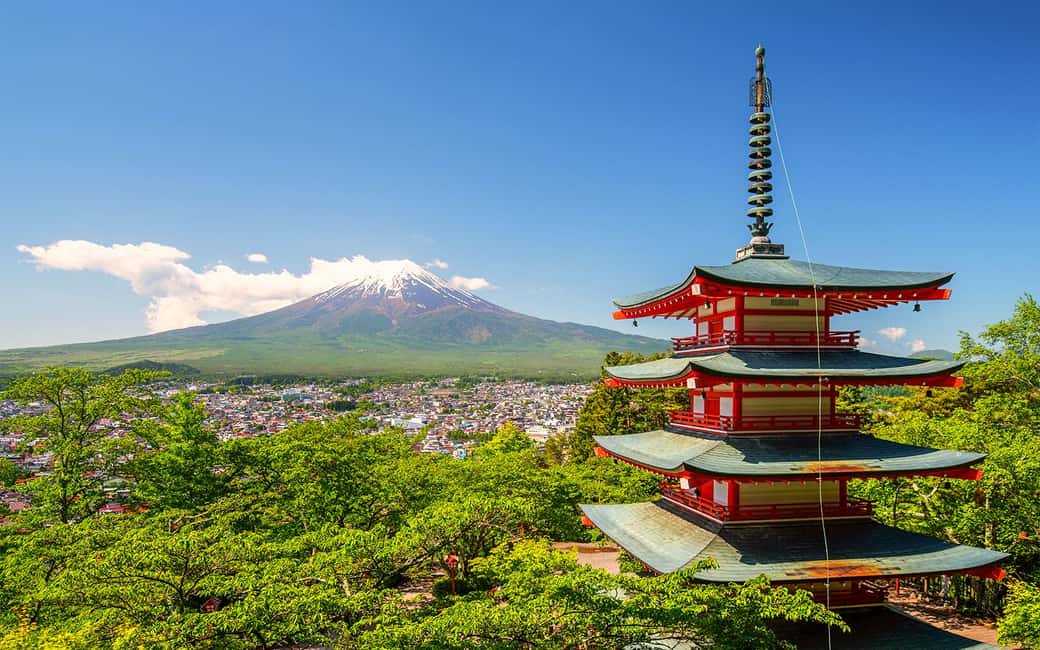
The tour’s viewpoint rhythm is designed to keep you from jumping between places with no time to breathe. You’ll hit a pagoda photo stop and then move into lake scenery, including Lake Kawaguchi.
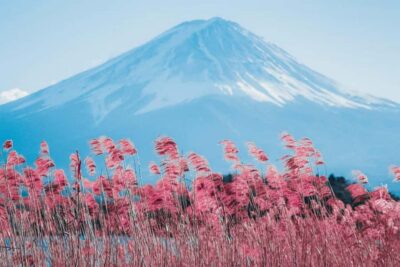
Lake Kawaguchi is a classic for a reason. It offers the kind of layered view where Fuji can appear behind water and low hills—one of the best ways to make your photos look like you planned them. You also get about an hour here, so you’re not stuck doing the five-minute version.
A practical tip: if you’re chasing the iconic angle photos, you’ll want to stay flexible about timing. Your guide’s job is to choose the best moment based on weather and crowds, not just locations on a map.
Iyashi no Sato Healing Village: Thatched Roofs and Real Craftwork
After viewpoints, this part slows the pace in the best way. Iyashi no Sato (Healing Village) is a restored thatched-roof hamlet, focused on artisan workshops and traditional-looking streets with Fuji views.
This stop is valuable because it changes the story of your day. Instead of “see Fuji, take photo, repeat,” you get textures—wood, straw-roof shapes, the rhythm of small workshops—and you get to watch people make things rather than just visit buildings.
You’ll usually have time to wander at a comfortable pace, and it’s also a good moment to reset your legs if you’ve been doing stairs and slopes earlier.
Saiko Lake and Bat Cave: Forest Silence and Different Footing
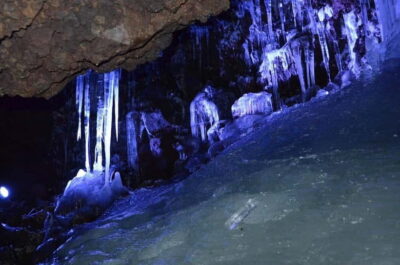
If you want Fuji without the exact same tourist loop, Saiko Lake and Bat Cave is where the tour feels more nature-forward. The area is described as surrounded by lush forests, and that changes what you notice. Instead of focusing only on the mountain in the distance, you start noticing the path, the trees, and the quieter atmosphere.
You’ll have about an hour for this stretch, including photo time and exploration. The key thing to remember here: caves and forest paths can mean uneven ground. I’d treat this like a mini hike. Go slow, keep your footing, and don’t let it turn into a sprint for photos.
This is also the stop where your guide’s flexible timing helps. If everyone’s energy is high, you’ll likely get more exploration time. If not, you can still enjoy the scenery without getting exhausted.
You can also read our reviews of more tours and experiences in Tokyo

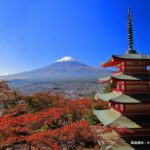

Arakura Fuji Sengen Shrine and Pagoda: Big Steps, Big Views
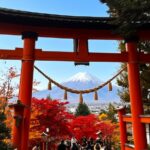
This is the viewpoint that often becomes the “okay, wow” moment. Arakura Fuji Sengen Shrine and Pagoda is a breathtaking stop that can be missed by group tours, and it’s set up for dramatic angles.
One thing to plan for: stairs. A booking noted the pagoda approach can involve a lot of steps—around 400. That doesn’t mean you shouldn’t go. It means you should bring your best shoes and pace yourself.
You’ll typically have about an hour to enjoy the shrine atmosphere, take photos, and soak in the view. If the weather is cooperative, this is one of the best chances to capture Fuji with a strong foreground element.
Kitaguchi Hongu Fuji Sengen Shrine: Ancient Atmosphere at the Base
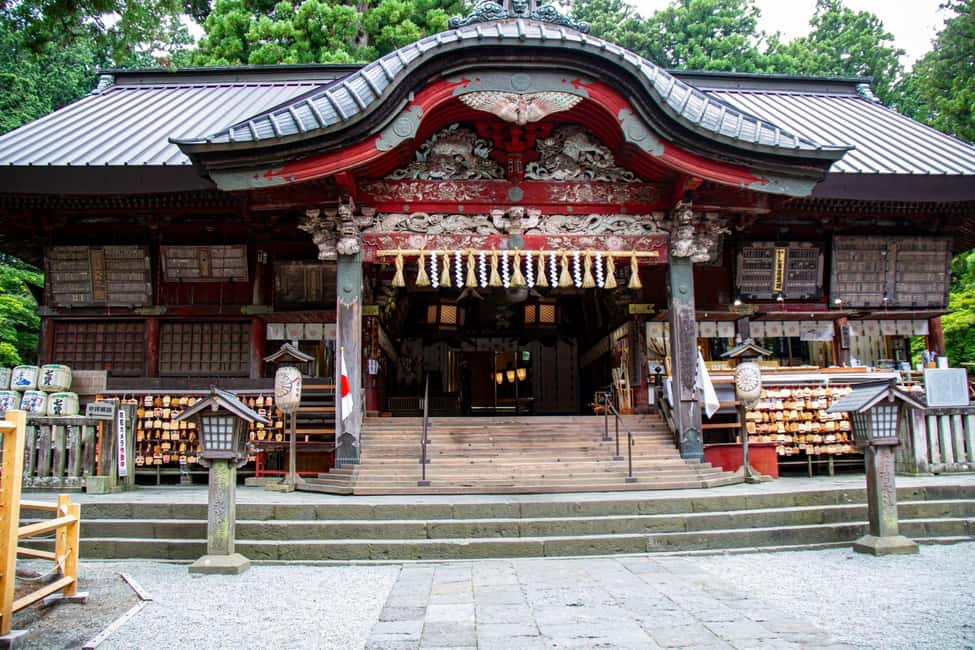
After more famous angles, this shrine adds a calmer, older feeling. Kitaguchi-hongu Fuji Sengen Shrine is described as being about 1,900 years old, sitting at the base of Mount Fuji.
You’ll get around 30 minutes for a break, photo stop, and visit. That short window is enough if you treat it like a moment to slow down rather than a checklist. Look around the grounds, notice the design details, and take in the fact that this is about worship and continuity, not just sightseeing.
This shrine stop is also smart because it balances the day. After active viewpoints and walking, it gives you a peaceful break that still counts as part of the experience.
Oshino Hakkai and Yamanakako Flex Moments
The route often includes Oshino Hakkai, known for pond-like water features and a traditional area you can stroll through. You’ll usually get about 30 minutes here, which is perfect for walking, quick photos, and browsing.
Oshino Hakkai can get crowded, so I like having it as a timed stop rather than letting it eat the whole day. If it feels busy, you still get the walking vibe without losing your schedule.
You may also stop at Yamanakako (often as a one-hour photo and visit segment). One booking included early morning lake time with swans and fish feeding. I can’t promise that specific moment on every day, but it’s a good example of what early or well-timed lake stops can add to your day.
Scenic Lunch With Mount Fuji Behind Your Meal
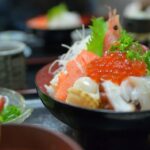
The lunch is one of the main reasons this tour stands out. The plan is a countryside meal at a restaurant with Fuji views, or a family-run farmhouse style eatery with seasonal Japanese dishes and garden views.
Why this matters: it turns “lunch” into part of the scenery. Instead of eating while thinking about the next stop, you’re eating while looking out at the same mountain you’ve been chasing all morning.
Your lunch could be set overlooking Lake Kawaguchi with Fuji in the background, depending on the day and timing. Either way, your guide can help translate menus and make sure you’re not stuck trying to order when you’re already hungry and busy.
One small but practical note: bring some yen. Some countryside shops and restaurants may not accept credit cards, and that includes little add-ons around viewpoints.
Hot Spring, Hakone, and Lake Ashi: Ending the Day Without Rushing
After lunch and culture stops, the tour shifts into winding-down mode. You’ll visit a hot spring area with a guided tour and about two hours of free time.
Even if you don’t fully relax, this segment gives you a reset. You’ve been walking on steps and paths, and hot spring time helps your body catch up before the return drive.
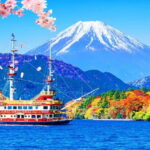
Then the route heads into Hakone for a photo stop and continues to Lake Ashi for another photo stop and about an hour. These aren’t meant to be “spend hours here” moments. They’re finishing touches that keep the day scenic while still fitting a 10-hour total timeline.
Private Guide Notes: English Comfort and Photo Help
This tour includes a private English-speaking guide (languages: English and Japanese are listed). In practice, guides have ranged in how smoothly English came across in one booking, which is why I recommend you request clarity upfront for your group.
On the upside, the guides are also praised for being patient and helpful, and there’s photography assistance from the guide. That’s not a small deal. If someone helps you position for the best angles, you save time and you get cleaner shots without crowding strangers.
Names that came up in real bookings include Ali, Sarfy, and Rana—all associated with friendly, calm guiding styles. If Fuji visibility is changing due to cloud cover, a good guide’s pacing and stop selection is what keeps the day from feeling like random driving.
Price and Value: Why $330 per Group Can Make Sense
At $330 per group up to 6, you’re paying for four big things: private transport, guide time, and access to a route that doesn’t feel like you’re glued to other people’s schedules.
Here’s how I’d think about value:
- If you’re a small group, private transportation is cost-competitive compared with multiple taxis or train transfers plus separate guided time.
- You’re not just buying “transport to Fuji.” You’re buying a day plan that includes multiple named stops, a scenic lunch, and support for photos and timing.
- The flexible itinerary component is a real value lever. If your group cares more about shrines than shopping, or less about crowds, your guide can shape the day around that.
Also, parking fees, tolls, and fuel costs are included. That matters because Fuji-area logistics add up quickly when you’re doing it on your own.
So for who is it worth it? It tends to fit best if you:
- Want a smooth day from Tokyo without multiple transfers
- Care about viewpoints but also want cultural stops and a good meal
- Are traveling with kids, older adults, or anyone who benefits from pacing
Who This Tour Suits Best (And Who Might Prefer Something Else)
This is a strong match for first-time Fuji visitors who want structure but not chaos. It’s also good for couples or friends who want photos and scenery without spending the whole day navigating trains and timetables.
I’d be a little more selective if you’re looking for a fully laid-back day with minimal walking. There are steps at key viewpoints and uneven footing around nature stops. Comfortable walking shoes are non-negotiable.
It’s also not ideal if you want alcohol involved. The tour information states alcohol and drugs are not allowed, so plan your day accordingly.
Weather is another deciding factor. The tour operates year-round in rain or shine, but severe weather may cause itinerary adjustments. That’s normal for Fuji, and it’s why I like tours that keep the day flexible.
Should You Book This Mount Fuji Private Tour?
I’d book it if you want the “best of Fuji” day that still includes quiet culture and a meal with scenery attached. The combination of Iyashi no Sato, Arakura Fuji Sengen Shrine & pagoda, Saiko Lake and Bat Cave, plus a meaningful lunch makes it feel like more than a drive-by.
You should book with confidence if your group values:
- Private guiding and photo assistance
- A mix of viewpoints and calmer countryside stops
- A lunch that feels like a highlight, not an interruption
Before you click reserve, do two things: confirm that guide English comfort works for your group, and pack for steps and uneven paths. If you do those two basics, this day has a strong chance of delivering the kind of Fuji memory that sticks.
FAQ
Where does the pickup happen?
Pickup is available from any hotel or accommodation in Tokyo 23 wards. You’ll provide pickup details when booking.
How long is the tour?
The tour duration is 10 hours.
Is this a private group tour?
Yes. It’s a private group tour with a vehicle for your group (up to 6 people).
Which major stops are included?
Included visits are Iyashi no Sato (Healing Village), Arakura Fuji Sengen Shrine & Pagoda, Saiko Lake & Bat Cave, Kitaguchi Hongu Fuji Sengen Shrine, plus a countryside scenic lunch. The route can include additional photo and visit stops tailored to your interests.
Do I get hotel pickup and drop-off in Tokyo?
Yes. Hotel pickup and drop-off in the Tokyo 23 wards are included.
What languages does the guide speak?
The live tour guide offers English and Japanese.
Is the tour wheelchair accessible?
Wheelchair accessibility is listed, but not all locations are wheelchair accessible. Contact in advance for special arrangements.
Does the tour skip ticket lines?
The tour indicates skip the ticket line.
Should I bring cash?
Yes. You should bring some yen, since not all countryside shops and restaurants accept credit cards.