REVIEW · TOKYO
Private Tour – Thousands of lucky cats! Go by tram, Gotokuji Tour
Book on Viator →Operated by OTOMO Travel Guide · Bookable on Viator
A street full of lucky cats is a real mood shift. This private Gotokuji tour takes you into Setagaya for a calm walk where maneki neko turn up at every stop and the story behind them actually matters. You’ll also hit a shrine, a historic mansion site, and a local museum—so it’s more than just photos.
I like the small-group feel that comes with a true private tour. It keeps the pace human, lets you ask questions, and works especially well if you have someone who learns best by chatting in real time. I also love the mix: temple fame at Gotokuji, plus quieter local Tokyo around Shoin Shrine and Setagaya’s history.
One thing to consider: you’re walking for about 3.5 hours, and the day can include weather changes or stop swaps if something is closed. Also, not every place takes cards, so bring cash.
In This Review
- Quick hits you’ll feel right away
- Gotokuji Temple and the Maneki Neko Hunt That Actually Makes Sense
- Why a Private Tram-Led Walk in Setagaya Feels Like a Tokyo Escape
- Your 3½ Hours: Stop-by-Stop Breakdown (What to Expect)
- Stop 1: Shoin Shrine (Holy atmosphere and a 19th-century figure)
- Stop 2: Shoin Shrine Avenue Shopping Street (Browse like a local)
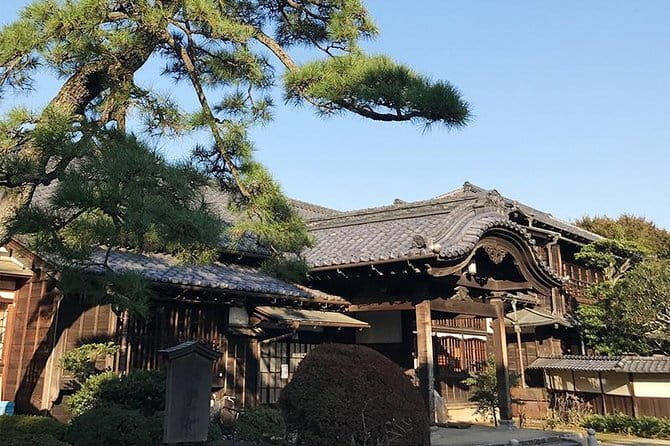
- Stop 3: Setagaya Daikan’s Residence Site (Edo-era power in a mansion setting)
- Stop 4: Setagaya Local History Museum (Edo literature and paintings)
- Stop 5: Gotokuji Temple (Thousands of lucky cats at a Zen temple)
- Price and Value: Is $68.64 Worth It?
- Getting the Most From Your English Guide (Without Overplanning)
- Tram, Stations, and the Practical Stuff That Can Make or Break the Day
- When This Tour Is a Perfect Match (and When It Isn’t)
- Should You Book the Gotokuji Lucky Cat Tour?
- FAQ
- How long is the Gotokuji lucky cats private tour?
- Where do you meet, and where does the tour end?
- Is this a private tour?
- What’s included in the price?
- Are temple and museum entries included?
- Do I need cash during the tour?
- Is lunch included?
- What if I cancel?
- What if a stop is closed on the day?
Quick hits you’ll feel right away
- Thousands of maneki neko at Gotokuji Temple, with context for what they represent
- English-speaking guide on a private route, so questions don’t get squeezed
- Setagaya stops most tourists skip, including a mansion site and local history museum
- A shopping street break near Shoin Shrine to snack and browse casually
- You start and finish at different stations, handy if your plans already work that way
Gotokuji Temple and the Maneki Neko Hunt That Actually Makes Sense
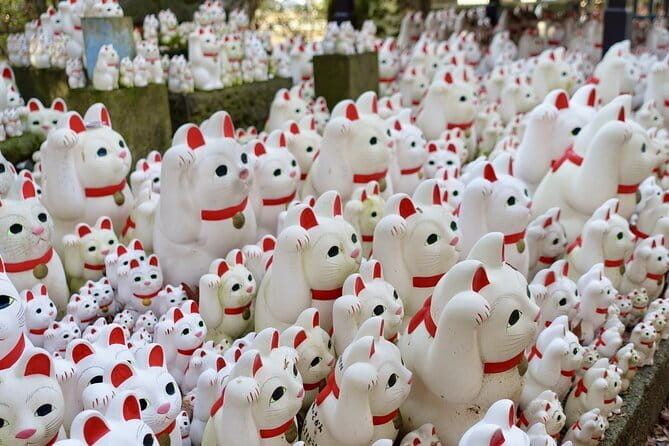
Gotokuji Temple is one of those places that looks fun before you even understand it. Then you learn the backstory and suddenly the cats feel less like decoration and more like a social tradition. This is a Zen temple with a long timeline—around 600 years—and it’s famous for the huge number of maneki neko (beckoning cats) tied to the idea of good luck and success.
What makes this tour satisfying is that it doesn’t treat the cats like a gimmick. You get a focused visit to Gotokuji, guided through the temple setting and the meaning behind the figurines. After that, the route keeps you in the same neighborhood world, instead of snapping you back to central Tokyo’s neon.
If you’re doing Tokyo “cat stuff,” this is a smarter way than just wandering in and out. The guided timing helps you see the place as a whole—temple atmosphere first, cats second, and then you move on while it’s still calm.
You can also read our reviews of more private tours in Tokyo



Why a Private Tram-Led Walk in Setagaya Feels Like a Tokyo Escape
Setagaya doesn’t play the same game as Shibuya or Asakusa. It’s more like local Tokyo after the crowds leave. That’s the big win here. You’ll start in the Sangenjaya area and travel by public transit designed around a tram-style route (as reflected in the tour concept), then spend your time on foot near the sights.
Because it’s private, you’re not stuck in a rigid herd. You can go at the pace of the group—especially useful if you like looking closely at details like stone lanterns, the layout of shrine grounds, or the texture of old streets. A tour like this is also a great fit if you want Japan culture without turning it into an endurance event.
I also like that the tour is built around free entry stops. That keeps your day from turning into a constant series of small paid entrances. You’re paying mostly for the guide’s time and the private attention.
And yes, the cat theme is fun. But the real point is the calm: you get to spend a few hours in a part of Tokyo that feels quieter, more lived-in, and less engineered for visitors.
Your 3½ Hours: Stop-by-Stop Breakdown (What to Expect)
Think of this route as a gentle storyline: education and shrine atmosphere first, then street life, then a step back into Edo-era power and homes, then a museum, and finally Gotokuji’s famous cat world.
Stop 1: Shoin Shrine (Holy atmosphere and a 19th-century figure)
This is about 25 minutes and it’s free. Shoin Shrine is dedicated to Shoin Yoshida, a 19th-century educator and philosopher. Even before you learn the name, the place has the kind of quiet gravity that makes you slow down.
The tour highlights stone lanterns and a stage used for playing music to the gods. It’s not just a decorative detail. When you hear the explanation, you understand why these elements matter in shrine life—rituals aren’t random; they’re part of a rhythm.
Practical tip: wear shoes you can move easily in. Shrine grounds often have slight unevenness, and you’ll want to step around comfortably without rushing.
Stop 2: Shoin Shrine Avenue Shopping Street (Browse like a local)
Next is about 30 minutes at the Shoin Shrine Street shopping district, near the Shoin Shrine Avenue area. This stop is free and simple on purpose: it lets you breathe, snack if you want, and browse long-established shops.
The best part here is the vibe. It’s the kind of shopping street you can actually enjoy without treating it like a checklist. If you’re the type who likes small, specific things—stationery, snacks, everyday goods—this is where the day becomes more personal.
Also, this break matters because it prevents the tour from feeling like nonstop sightseeing. You’ll go into the historic sites with more energy.





Stop 3: Setagaya Daikan’s Residence Site (Edo-era power in a mansion setting)
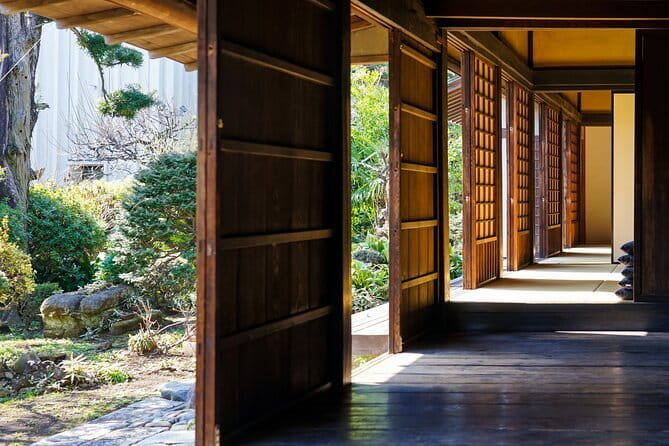
About 20 minutes, also free. Setagaya Daikanyashiki is a traditional mansion of a clan who ruled the area during the Edo period (roughly 1700–1900). This stop is where the tour shifts from street-level life to the architecture and role of regional authority.
The guide’s framing is the difference-maker. You’re encouraged to imagine it as a real residence, not just a museum object—so you get a better sense of what life might have looked like for the people who held power here.
Practical tip: go slowly. With older Japanese sites, the value often comes from noticing proportions, layout, and how space is used.
Stop 4: Setagaya Local History Museum (Edo literature and paintings)
Another 20 minutes, free entry. Right next to the mansion site is the Setagaya Local History Museum. This is where you get the context that turns buildings into history you can picture.
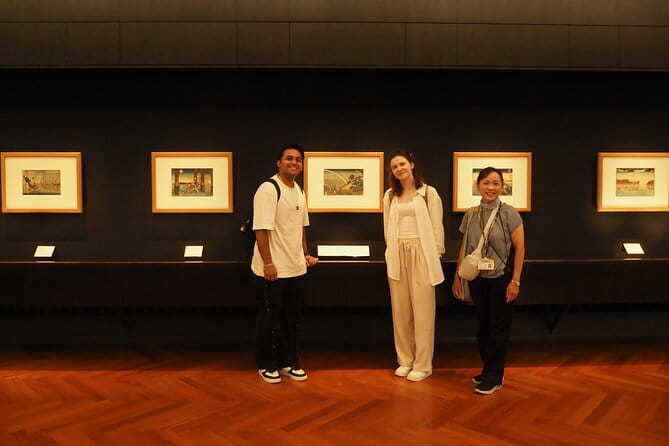
You’ll learn about Setagaya’s background through exhibits that include Edo-era literature and paintings. Even if you don’t read much Japanese art labels (and you might not), a good guide can still connect what you’re seeing to daily life, social structure, and the idea of place.
One thing to keep in mind: museum hours and closures can happen. If a day’s museum stop is unavailable, the tour may switch to an alternative site due to temporary closure.
Stop 5: Gotokuji Temple (Thousands of lucky cats at a Zen temple)
This is the headline stop, around 30 minutes, free entry. Gotokuji Temple is the Zen sect temple with the famous maneki neko collections. The tour connects the cats to the broader theme of good luck and success, especially in business hopes.
What you’re aiming for here is not only seeing lots of cats, but understanding why they exist in the first place and what people want from them. When the guide ties it to temple culture and long-standing belief, the visit feels meaningful rather than purely whimsical.
Practical tip: bring your phone battery habits. You’ll want to take photos, but you’ll also want time to look without rushing.
Price and Value: Is $68.64 Worth It?
At $68.64 per person for about 3 hours 30 minutes, you’re paying for three things: a private format, an English-speaking guide, and coordination (including necessary guide expenses). The walk is not sold as a do-it-yourself itinerary.
Here’s the value angle that matters: estimated tour costs listed for the day are around 380 JPY per person, mainly transportation. Admission fees for the listed stops are 0 JPY, and meal costs are not included. So most of your paid value is tied to guided time, not ticket stacking.
You also get a mobile ticket and the possibility of group discounts, which can make the price feel even more reasonable if you’re traveling with others. And because the tour is private, it’s a good way to avoid the common issue of joining a group tour where you spend half the time waiting.
Booking timing is another clue: the experience is commonly booked about 72 days in advance on average. If you’re traveling at a busy time, I’d plan ahead so you don’t end up with limited choices.
Getting the Most From Your English Guide (Without Overplanning)
This tour works best when you treat it like a conversation walk. Your guide can explain why Shoin Yoshida matters, why shrine music stages exist, and what Setagaya’s Edo-era history looks like on the ground.
A practical move: prepare one or two questions ahead of time. For example:
- What do the maneki neko represent in temple culture?
- Why are the historic mansion and museum placed this close together?
If you’re traveling with kids, this style can be especially good. One stand-out detail from the feedback you’ll want to remember: a ten-year-old being fully riveted by the guide. That’s a sign the information gets delivered in a way that doesn’t talk over people.
Also remember you can go at your own pace on a private tour. If your group wants extra time for photos at Gotokuji, you can often adjust without worrying about holding up a big group schedule.
Tram, Stations, and the Practical Stuff That Can Make or Break the Day
The tour starts at Sangenjaya Station (meeting point noted at Taishido, Setagaya City) and ends at Gotokuji Station. The end location being different from the start is useful if you’re building a route through your day already, but it also means you should plan your next step with that in mind.
Bring cash. Some stops don’t accept credit cards, even though many admission fees are free. The tour’s estimated costs include transportation, and that’s usually where cash helps.
Lunch isn’t included, so decide what you’ll do before the tour or after it ends. Since you’ll stop at a shopping street, you might want to grab a snack there—just don’t count on a full meal being built into the timing.
Weather matters. If it’s a rainy day, routes and transportation methods may change. The good news is the tour is flexible enough to keep the day moving, but you’ll want a mindset of light adaptation.
When This Tour Is a Perfect Match (and When It Isn’t)
This tour is ideal if you want a calm, culture-forward Tokyo outing with a clear theme. You’ll get the cat spectacle at Gotokuji, but you’ll also get neighborhood history and a sense of how Setagaya fits into the bigger Tokyo story.
It’s also a strong choice for:
- First-time Japan visitors who want more than the busiest districts
- People who like walking tours but hate rushing
- Travelers who prefer a private pace over a group schedule
- Anyone who wants a guide to translate the why, not only the what
It may be less ideal if:
- You hate walking around local streets for about 3.5 hours
- You want a rigid, museum-heavy itinerary with no possibility of swaps
- Your group expects every stop to take cards (plan cash just in case)
Should You Book the Gotokuji Lucky Cat Tour?
If your goal is to see Gotokuji’s famous maneki neko while also getting Setagaya’s quieter side, this tour is a solid booking. The private format makes it worth it even if you’re not chasing every detail—because you can ask questions, slow down, and keep the experience comfortable.
I’d especially recommend it if you’re tired of Tokyo tours that jump from one landmark to another with no breathing room. This one gives you structure without feeling like a sprint.
If you’re deciding last minute, check one thing: your weather tolerance and your cash readiness. Then book early enough that you don’t get stuck with fewer time slots, since demand can be pretty steady.
FAQ
How long is the Gotokuji lucky cats private tour?
It runs for about 3 hours 30 minutes.
Where do you meet, and where does the tour end?
You meet at Sangenjaya Station (Setagaya City) and finish at Gotokuji Station in Gotokuji, Setagaya City.
Is this a private tour?
Yes. It’s private, so only your group participates.
What’s included in the price?
You get a tour guide, a private tour format, and necessary expenses for the tour guide.
Are temple and museum entries included?
Admission tickets for the listed stops are free (0 JPY). You may still want to budget about 380 JPY per person for transportation.
Do I need cash during the tour?
Yes. Some spots on the route do not accept credit cards, so bring cash.
Is lunch included?
No. Lunch is not included.
What if I cancel?
You can cancel for a full refund if you cancel at least 24 hours before the experience’s start time.
What if a stop is closed on the day?
The tour may change stops to alternative locations if a site is temporarily closed.