REVIEW · TOKYO
Full Tokyo: Meiji Shrine, Imperial Palace, Asakusa & Skytree
Book on GetYourGuide →Operated by AMIGO TOURS JAPAN GK · Bookable on GetYourGuide
Big Tokyo, neatly packed. This 7-hour run hits five headline areas—Shibuya Crossing and Meiji Shrine—with enough time to feel the contrast between neon hustle and quiet worship. I like that it’s guided with bilingual support (English and Spanish) and built around efficient train and tram hops. One thing to watch: some stops are short, so if you want to linger for hours at Asakusa’s temple streets or slow-shop every alley, this pace might feel tight.
Here’s the trade-off that matters for value: you’re paying for the highlights plus transport help, not for deep, unhurried exploration. I also appreciate the payoff at the end—Tokyo Skytree—but you’ll only be able to enter if you already purchased tickets. If you don’t plan ahead for that, the final view can turn into a photo-only moment.
In This Review
- Key moments worth your attention
- Shibuya Crossing and the Hachiko start: quick orientation, fast momentum
- Meiji Shrine: the “city pause” stop you’ll remember
- Imperial Palace: photos, structure, and a surprisingly calm change of pace
- Akihabara transit: tech-and-pop energy without the overload
- Asakusa and Senso-ji: the classic temple streets plus your free-roam time
- Lunch option: good value, but time is real
- Tokyo Skytree: panoramic payoff, ticket planning required
- Price and value: $69 buys logistics, not endless time
- Group pace and how to use it to your advantage
- Who should book this Full Tokyo highlights route
- Should you book it?
- FAQ
- Where do I meet the guide?
- How long is the tour?
- What’s included in the price?
- Is lunch included?
- Is there a Skytree ticket included?
- What language is the guide?
- What should I bring?
- Is the tour wheelchair accessible?
Key moments worth your attention
- Shibuya Crossing from street-level: you’ll see the world-famous scramble area up close before moving on.
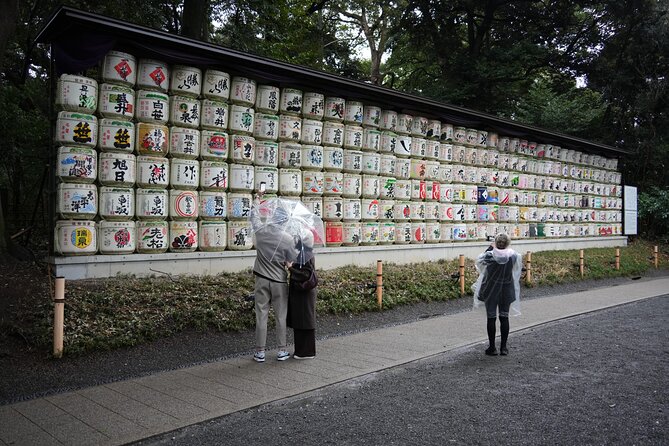
- Meiji Shrine’s calm walk: a guided stop in a forested setting that feels like a break from Tokyo traffic.
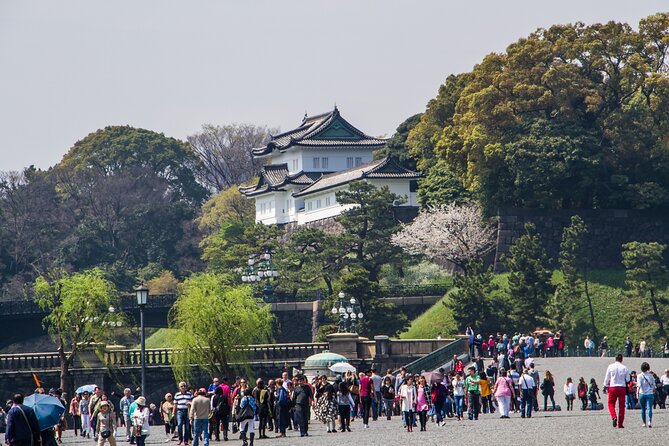
- Imperial Palace exterior photos: quick but scenic views and photo time around the palace grounds.
- Asakusa + Senso-ji timing: a structured visit with lunch option and free time to roam.
- Skytree only works with your tickets: plan ahead so you can actually go up to the observation deck.
Shibuya Crossing and the Hachiko start: quick orientation, fast momentum
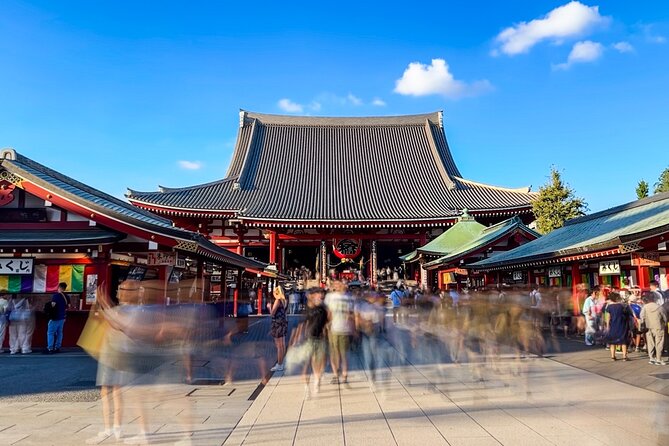
The day kicks off at Hachiko Square, right by the famous Hachiko statue. It’s an easy landmark to find, which matters because Tokyo can eat your time if you’re still figuring out where you are. From there, you’ll ride local transit and get dropped into the Shibuya area at a good time to get your bearings fast.
Shibuya Crossing is one of those places where the photos never fully explain the chaos. Standing near the intersection (and watching people flow in every direction) gives you a real sense of scale—Tokyo’s “systems at work” vibe. The tour also includes a scenic drive segment, which can help if you’d rather save your legs for the moments where you actually stop.
A practical note: this portion is not about one calm view. It’s about getting your eyes adjusted to Tokyo. Wear comfortable shoes and plan to move.
You can also read our reviews of more tours and experiences in Tokyo.



Meiji Shrine: the “city pause” stop you’ll remember
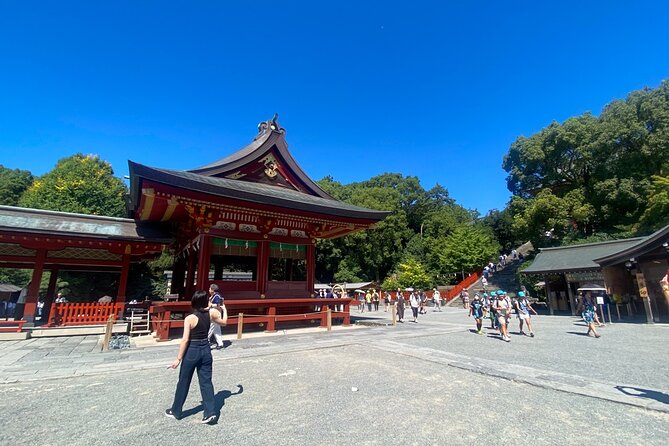
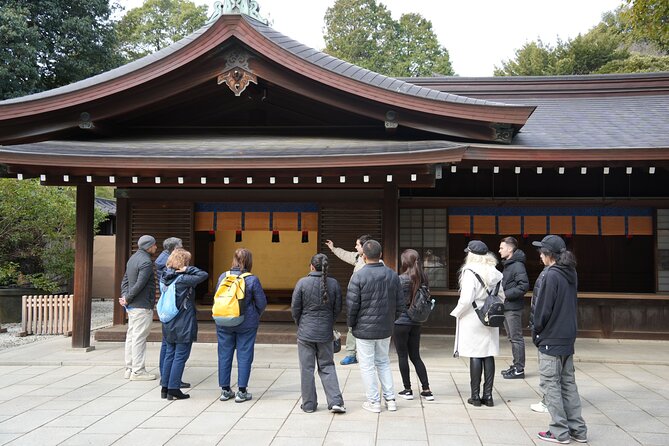
Then the tour turns the volume down. Meiji Shrine is guided time in a peaceful, forest-like setting right in the middle of the city. You’ll get more than a walk-by photo. The guided portion helps you understand what you’re seeing as you move through the shrine approach.
What I like about this stop is the feeling of separation. Tokyo is loud and fast just outside the grounds, and then—step in—you’re inside something quieter and more intentional. It’s also a great cultural reset after Shibuya’s high-energy streets.
Time here is long enough for a real stroll. You’ll likely notice how the space is organized for slow movement: the path, the temple area, and the moments where you naturally stop for photos.
If you’re the type who enjoys learning basic Shinto etiquette (handy when you’re unsure what’s appropriate), this is the stop where the guide’s direction tends to pay off most.
Imperial Palace: photos, structure, and a surprisingly calm change of pace
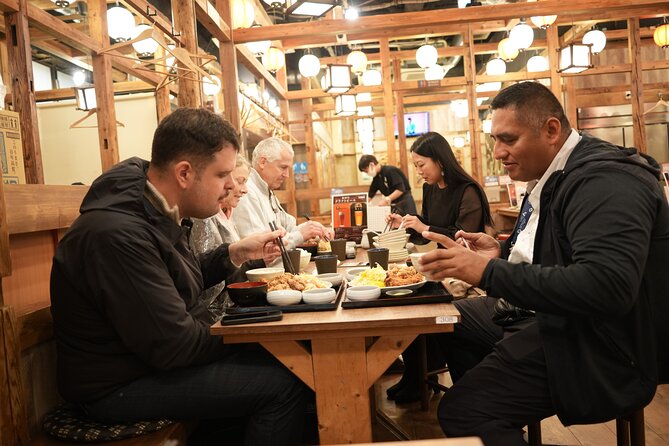
After Meiji, the day shifts into the Imperial Palace zone via tram/train routing. This part of the tour is shorter and focused—think exterior views and guided orientation rather than a long inside-the-grounds wander.
That’s not a flaw. It’s actually useful. The Imperial Palace area is big, and without a plan you can end up walking in circles while missing the best photo angles. With a guide, you can hit the key exterior shots and get a quick sense of the palace setting and surrounding gardens without blowing your day.
You should expect this to feel like a “checkpoint stop.” You’ll get enough time for photos, and then you’ll move on. If your goal is to spend an entire afternoon here, you’ll probably want extra independent time later. But for a full highlights day, this works.
Akihabara transit: tech-and-pop energy without the overload
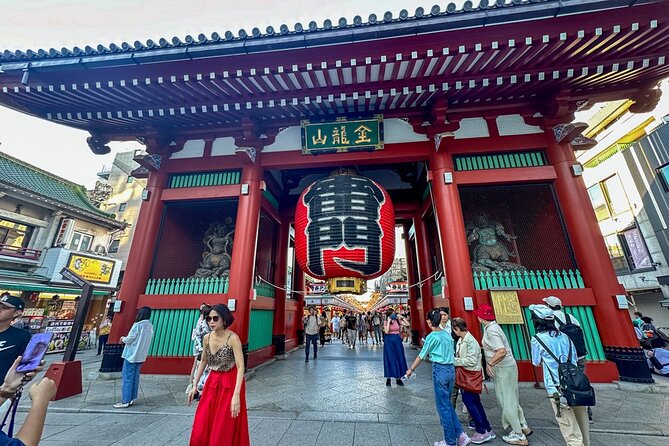
Akihabara shows up as a scenic drive segment, which is a very Tokyo solution. It gives you the vibe—tech, pop culture, bright storefronts—without asking you to shop for hours in crowds.
If you’re a fan of electronics, anime-adjacent streets, or just the theater of Tokyo storefront design, this is still worth having on your day. You’ll get the “aha” of why Akihabara is such a magnet, and then the tour pulls you onward so you don’t burn energy you’ll need later.
This is also one of those sections where a bilingual guide can help with quick context: why the area feels the way it does, and what kind of shopping streets you’ll recognize when you return on your own.
Asakusa and Senso-ji: the classic temple streets plus your free-roam time
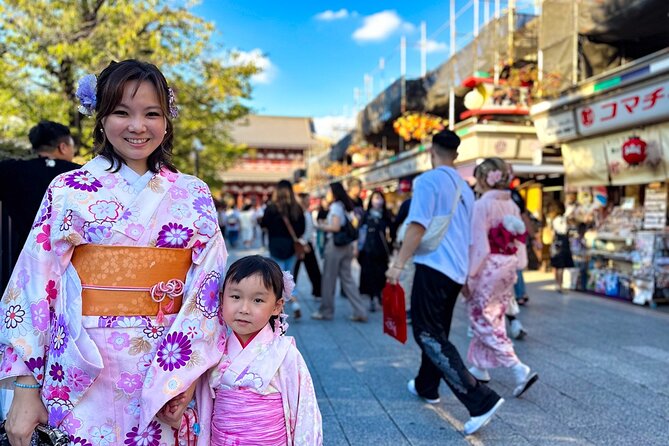
Asakusa is where old Tokyo puts on its best clothes. The main event is Senso-ji Temple, Tokyo’s well-known Buddhist temple, paired with free time to explore the area. If you choose the lunch option, you’ll eat at a traditional Japanese restaurant before your time to roam.
What makes Asakusa work on a 7-hour tour is the mix: you get guided entry into what matters at the temple, plus time to wander the approaches and temple neighborhood streets at your own speed. That free time is key. It’s where you’ll find snacks, souvenirs, and the small scene-stealers that you can’t pre-plan.
One thing to consider: this stop can feel busy in a way that’s hard to slow down. If you have a strict interest in Senso-ji and want to go beyond the main temple area, you’ll want to manage your expectations for time. The overall tour is designed as a highlights circuit, not a deep dive into every corner of Asakusa.
If you like flexibility, that free-roam block is your chance to decide how “temple-focused” versus “shopping/snacking-focused” you want the day to be.






Lunch option: good value, but time is real
The lunch is optional, and it’s included if you select it. In practice, scheduled meals can feel efficient. That’s usually a plus when you’re touring, because you avoid hunting for food with a group and you don’t end up eating too late.
Still, plan for a guided lunch rhythm. If you’re the type who wants a long sit-down meal, you may find the timing brisk. Bring that preference into your decision before you choose the lunch add-on.
Tokyo Skytree: panoramic payoff, ticket planning required
At the end, you go to Tokyo Skytree for observation deck views. This is the part of the tour that rewards you for finishing strong. From up high, Tokyo looks like a puzzle of rails, rooftops, and pockets of green—especially helpful if your trip has been heavy on street-level walking.
Here’s the big practical point: you can only enter Skytree if you previously purchased tickets. The tour includes entrance to Tokyo SkyTree only if you select the option, but the important caveat remains—you must have the right tickets ahead of time. If you don’t, the climb can become a missed moment.
So do this before the day starts: confirm your entry plan, and don’t count on day-of luck. Skytree is popular, and the whole point of the day is to make sure this final view actually happens.
Also expect your timing to matter. Skytree observation decks are best when you’re ready to stand still, look around, and enjoy. If you rush, you lose the value.
The tour lists drop-offs near Tokyo Skytree and also Asakusa, so your finish location may depend on how the operator runs the day and which option you picked. Either way, you’ll be done after Skytree (or near the area) rather than returning to a central meeting point.
Price and value: $69 buys logistics, not endless time
At $69 per person for a 7-hour circuit, this tour is priced like a “high-efficiency highlights” product. You’re not paying for an all-day slow stroll. You’re paying for:
- guided interpretation in key places
- train/tram tickets between major stops
- optional lunch structure
- an optional Skytree entry component (with the ticket planning caveat)
That can be a great deal if you’re short on time and want to see Tokyo’s greatest hits in one shot. It’s especially good if you don’t want to figure out the routing between Shibuya, Meiji, the Imperial Palace area, Akihabara vicinity, and Asakusa.
Where the value can feel weaker is if you’re the kind of traveler who gets frustrated when a stop ends. There’s at least one pacing criticism that pops up with tours like this: not enough time to fully enjoy a single highlight, especially Senso-ji/Asakusa street time. On a 7-hour day, something has to give.
My advice: choose this tour if you want structure and photos plus key cultural context. If you want to linger, eat your way through every street, and explore without group timing, you’ll probably be happier doing fewer stops on your own with a longer time budget.
Group pace and how to use it to your advantage
One reason this tour works well for many people is its rhythm: ride, stop, short guided context, then move on. That means you can cover a lot of ground without feeling lost.
To make it better for you:
- Ask your bilingual guide questions early. This is where you can get the most useful context for the day.
- Save your biggest shopping urges for the free-roam block in Asakusa.
- Keep your camera accessible. You’ll be taking exterior and street-level photos throughout, including the Imperial Palace views and final Skytree panoramas.
Also, check comfort and mobility. The tour is not suitable for wheelchair users, so the walking and transit flow can be demanding.
Who should book this Full Tokyo highlights route
This tour is a strong match if:
- you want a guided overview of Tokyo’s top neighborhoods in a single day
- you like seeing major sights quickly and learning just enough to make the photos mean something
- you don’t want to plan train routes between multiple distant areas
- you want options for lunch and Skytree, so you can tailor the day
It’s less ideal if:
- you want long, unstructured time at one major attraction
- you hate scheduled meals or timed group movement
- you’re expecting a deep, slow historical tour of every site
Should you book it?
If your Tokyo schedule is tight and you want Shibuya’s scale, Meiji’s calm, and Skytree’s views in one day, this is a practical way to do it. Just treat it like a highlights sampler: you’ll see a lot, learn key context, and take great photos, but you won’t have unlimited time in each place.
My biggest “book it if” checklist:
- You’re comfortable with a guided pace and shorter stop windows.
- You’ll pre-plan your Skytree entry, since you need tickets to go up.
- You’re choosing lunch because you want convenience, not because you’re seeking a slow, long meal.
If those fit your style, this $69, 7-hour route is a smart use of time.
FAQ
Where do I meet the guide?
Meet your guide next to the Hachiko Statue, at Hachiko Square.
How long is the tour?
The tour duration is 7 hours.
What’s included in the price?
Train tickets for transfers between itinerary points are included, plus a bilingual guide in Spanish and English. Lunch is included only if you choose the lunch option. Tokyo Skytree entrance is included only if you choose that option.
Is lunch included?
Lunch is included if you select the lunch option. Drinks are not included.
Is there a Skytree ticket included?
Entrance to Tokyo SkyTree is included if you choose the Skytree option, but you can only enter if you previously purchased tickets. Plan ahead.
What language is the guide?
The live guide is available in English and Spanish.
What should I bring?
Bring comfortable shoes, a hat, camera, sunscreen, and water.
Is the tour wheelchair accessible?
No. It’s not suitable for wheelchair users.