REVIEW · TOKYO
Flavors of Japan Food Tour in Tokyo
Book on Viator →Operated by Arigato Japan KK · Bookable on Viator
Japan tastes better when someone points the way. This walking tour in Nihonbashi is built around learning what you’re eating and why Japanese flavors work so well, from watch-and-learn sweets to savory lunch. I especially love the wagashi focus, because you’re seeing sweets being made and not just checking off another dessert bite.
The included Washoku lunch choices make the price feel more real, since you’re comparing different Japanese staples in one sitting. One consideration: this is a tight, stop-heavy format, so if you want long restaurant pauses or minimal walking, you may feel a bit rushed.
In This Review
- Key highlights you’ll actually care about
- A wagashi-and-Washoku day in Nihonbashi
- Where you meet and how the tour flows
- The money question: what $209 gets you
- The wagashi portion: sweets with structure and meaning
- Dashi, tea, and the savory backbone you’ll remember
- The regional-food route: from shop stops to shrines
- The lunch: your main meal and the lesson at the table
- Depachika after lunch: browsing with a plan
- Who this tour suits best (and who might want something else)
- Booking timing and what to expect on the ground
- A balanced verdict: why this tour is worth your time
- Should you book Flavors of Japan in Tokyo?
- FAQ
- How long is the Flavors of Japan Food Tour in Tokyo?
- Where do I meet the guide for the tour?
- Is lunch included, and can I choose what I eat?
- What tastings are included during the walking portion?
- How many people are in the group?
- Is this tour suitable for vegetarians or vegans?
- Is alcohol included, and are there any age limits?
- What if the weather is bad?
Key highlights you’ll actually care about
- Watch wagashi come together and understand what makes it Japanese, not just sweet
- Nihonbashi day-shopping energy with shrines, department store streets, and food corridors
- Dashi, pickles, tempura, and regional snacks so you taste across Japan’s flavor map
- Lunch is part of the lesson, with a sit-down Washoku meal and time to connect dots
- Small group size (max 10) keeps questions easy and pacing manageable
A wagashi-and-Washoku day in Nihonbashi
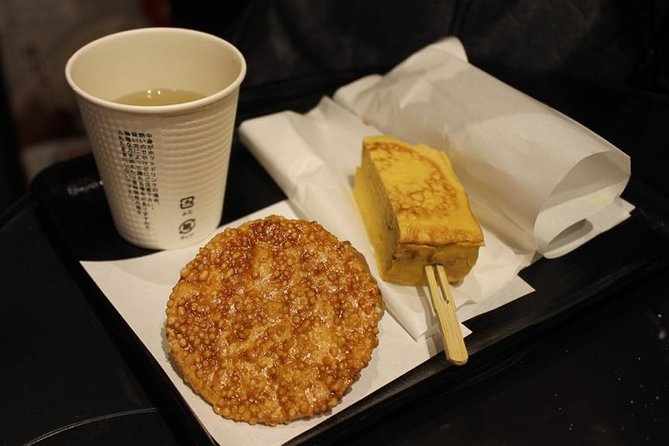
If you want Tokyo food without getting lost in menus, this tour is a smart shortcut. You meet in the Nihonbashi area, start walking with your local guide, and move through nine shops that represent different regions and food traditions. You’ll be tasting along the way, then finishing with a Washoku lunch that ties the whole experience together.
I like that the theme isn’t only Japanese sweets. Sure, you get wagashi and green tea, but you also get the salty backbone of Japanese cuisine: dashi, regional snacks, pickles, and seafood and egg dishes.
The biggest win is that you leave with a clearer sense of how Japanese flavors are built. That matters because Tokyo restaurants can be intimidating at first, and a menu-reading brain helps you order with confidence later.
You can also read our reviews of more food & drink experiences in Tokyo



Where you meet and how the tour flows
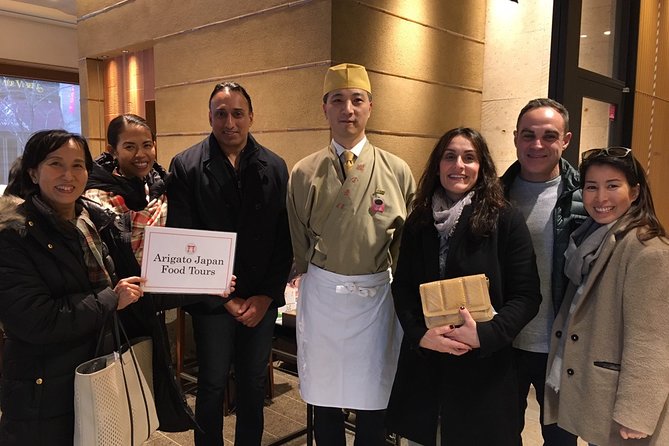
You’ll start at Starbucks Coffee – Nihonbashi Suruga Building, listed at the Suruga Building address on the 1F. Your start time is shown as 10:30am, even though meeting is described around 10am at Coredo Muromachi between Muromachi 1 and Muromachi 2. In practice, arrive a little early so you don’t stress over the exact handoff point.
The tour runs about 3 hours and is designed as a walking circuit. You’ll visit shops and food spots across the Nihonbashi shopping district, including major complexes like COREDO Muromachi and a department store area (Nihonbashi Takashimaya). You’ll also pass through cultural stops like Fukutoku Shrine and Suitengu Shrine, which helps the route feel more like Tokyo than a food-courier hop.
After your lunch, you’ll head into Depachika, Tokyo’s famous underground department store food halls. Your guide will point you in the right direction for after-lunch snacks, and then you’re free to browse on your own.
The money question: what $209 gets you
At $209 per person for roughly three hours, this isn’t a budget snack crawl. But it does include a lot more than a single tasting plate.
Here’s what you’re paying for, in plain terms:
- Regional tastings at 7 food stops (plus additional bites across the route)
- One included drink
- A full Washoku lunch with choices that you select when booking
- A guide who connects flavors to ingredients and regional traditions
Also, this is a small group tour (maximum 10 travelers), which usually improves the experience. You’re more likely to get questions answered and less likely to get herded like a line item.
If you like food tours, but you hate the feeling of paying for “maybe three bites,” this one is built around enough food to learn. You’re still walking, so you won’t be stuffed for hours—but you’ll taste broadly enough to understand what you like.
The wagashi portion: sweets with structure and meaning
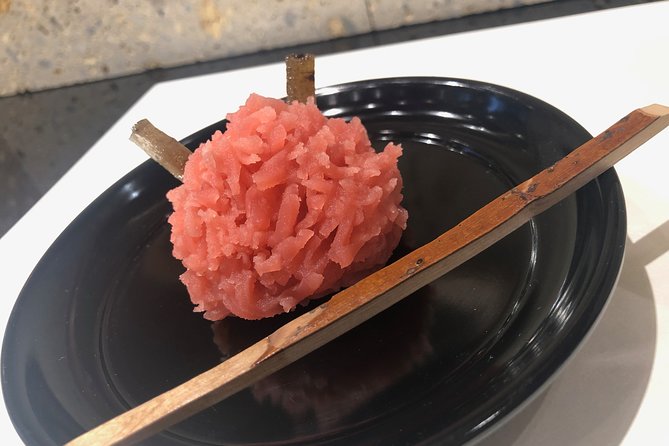
The wagashi segment is the centerpiece. You’ll learn the art of Japanese sweets and see how they’re made, then taste your way through different styles and ingredient-driven flavors. Wagashi in Japan isn’t just dessert for sugar lovers; it’s often about texture, shape, seasonal cues, and careful use of ingredients.
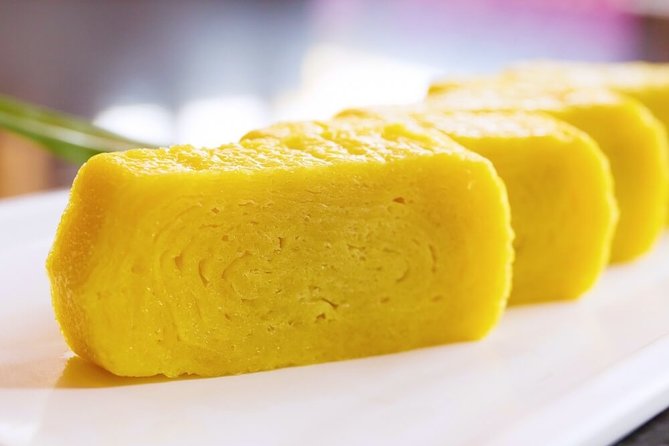
You’re also not limited to one kind of sweet experience. In addition to wagashi, you’ll sample things like satsuma imo (fried sweet potatoes), tsukemono (pickled vegetables), tamagoyaki (egg roll), and artistic wagashi desserts. That spread is useful because it shows how “sweet” and “savory” sit side-by-side in Japanese meals.
My practical advice: pace your bites here. Wagashi can be delicate, so it’s worth taking your time to notice flavors like matcha and the gentle sweetness patterns that tend to show up in Japanese sweets.
Dashi, tea, and the savory backbone you’ll remember
If you come to Tokyo expecting only raw fish and sushi, this tour quietly corrects that. You’ll sample dashi, which is the soup stock that gives so many Japanese dishes their depth. Once you taste dashi in a guided way, it’s easier later to recognize flavors that feel umami-rich without tasting like heavy sauce.
Green tea is part of the story too. You’ll taste green teas along the route, which helps connect sweets to tea culture, and savory dishes to the kind of clean palate-resetting people expect in Japanese dining.
And because you’re tasting multiple categories, you get a better sense of balance:
- Pickles and tsukemono: sour, salty, crunchy
- Dashi-based flavors: savory, warm depth
- Tea and sweets: gentle sweetness and aroma
- Seafood and egg dishes: texture and fat that changes how sweetness lands
This is the kind of learning that helps you order later without guessing.
You can also read our reviews of more tours and experiences in Tokyo


The regional-food route: from shop stops to shrines
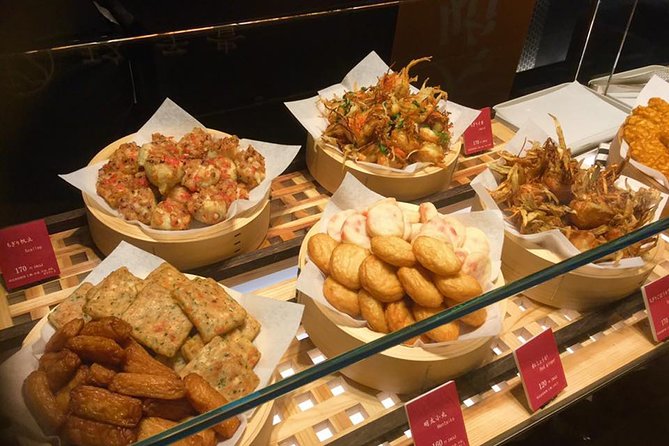
Your walking circuit is designed to mix food and place. You’ll pass through areas like Nihonbashi Bridge and spend time in shopping corridors rather than only in one “tourist market” bubble.
Along the way, you can expect tastings tied to regions and traditions. The tour highlights mention items like:
- Fish cakes from Kagoshima
- Eel sushi
- Regional snacks
- Tsukemono and dashi
- Plus additional sweets, snacks, and beverages tied to the route
Even when you’re not full-on eating every stop, the tasting rhythm matters. It’s structured so you can compare flavors without needing to sit down repeatedly. That makes it good for visitors who want to keep moving in Tokyo but still eat well.
The shrine stops (Fukutoku Shrine and Suitengu Shrine) add a nice change of pace. They also help the day feel grounded in local Tokyo, not only department store food marketing.
The lunch: your main meal and the lesson at the table
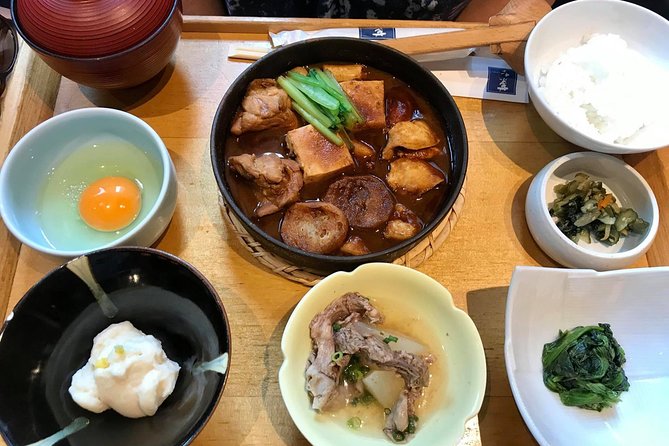
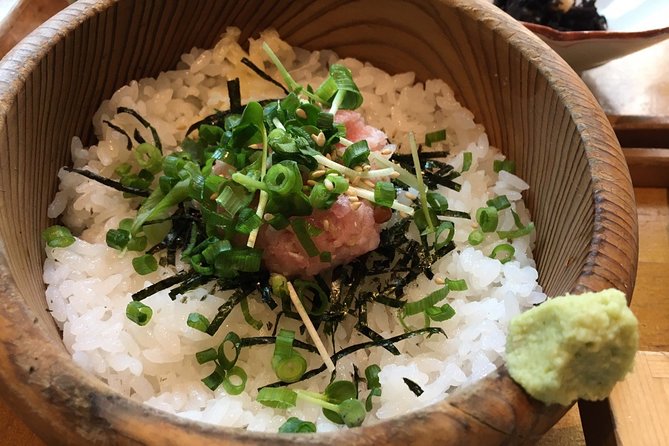
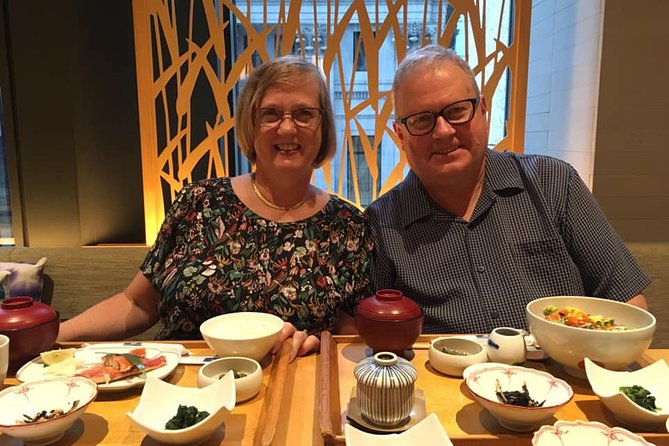
Lunch is a major part of this tour, and you’re not stuck with one option. When you book, you choose between sets like:
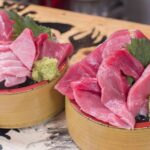
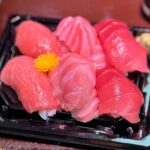
- Soba, tempura, and sashimi sets
- Grilled fish
- Chicken
- Sukiyaki
That’s important because it changes what you learn about Japanese cuisine. Soba can teach buckwheat flavor and noodle texture. Tempura shows how batter and frying technique affect everything. Sashimi gives you a direct read on freshness and subtle seasonality. Suikiyaki gives you a sweet-salty sauce experience that contrasts with lighter broth-based foods.
During and after the lunch, you’ll discuss what you learned from the tastings. That built-in reflection time is what turns a collection of bites into something you can actually use.
Practical tip: if you’re unsure what to pick, choose based on what you most want to understand first. If your goal is classic Tokyo comfort food, go for one set that includes familiar elements like soba or tempura. If you want something more regional and rich, sukiyaki is a strong option.
Depachika after lunch: browsing with a plan
After lunch, you head into Depachika, the underground market area known for packed, packaged, and giftable foods. Your guide points you toward the best direction for after-lunch snacks, and then you explore independently.
This is a good system because Depachika can be overwhelming. You’ll see a lot of snack choices that look great but are hard to evaluate without context. With your guide’s nudge, you’re more likely to buy something you actually enjoy rather than something you bought just because it looked pretty.
Also, since the tour is only about 3 hours, Depachika time acts like a bonus tail. It keeps the experience from feeling like you ran through everything too fast at the start.
Who this tour suits best (and who might want something else)
This works especially well if you:
- Want a guided intro to Japanese flavor categories
- Like food tours but want a structured plan, not random stops
- Want enough tastings to understand preferences, not just sample one sweet thing
- Plan to keep eating in Japan afterward and want menu confidence
It may feel less ideal if you:
- Prefer slow, sit-down meals with minimal walking
- Don’t like tasting menus that move quickly between different items
- Get overwhelmed easily when you’re offered many small bites in succession
Family notes are also part of the fit. It’s described as family-friendly and pescetarian, vegan, and vegetarian friendly, and children must be accompanied by an adult. For kids aged 10 and above, passport information copy is required.
Booking timing and what to expect on the ground
This tour is commonly booked around 29 days in advance, so if you’re traveling during busy periods, it’s smart to lock it in earlier rather than later.
You’ll receive a mobile ticket, and the tour runs in a small group. That matters in Tokyo, where crowded streets and queues can turn a calm food day into a stress day fast. Here, the group size helps you keep momentum.
One more note: it’s listed as good for rainy days, but it also says it requires good weather. The practical takeaway is that light rain is likely manageable, but if weather turns bad, the operator may offer another date or a full refund.
A balanced verdict: why this tour is worth your time
I like this tour because it doesn’t treat Japanese food like a single big attraction. Instead, it walks you through themes you’ll recognize later: sweets and tea, pickles and stock, egg and seafood, then a full meal that brings it all together.
The best version of this experience is when the guide helps you connect the dots so you can order smarter after the tour. The rating is very strong, and the guide-focused comments in the feedback point to the same idea: people feel more comfortable with Japanese menus and feel like they ate well, not just sampled.
If you’re coming to Tokyo for the first time and want one food experience that does both learning and eating, this is a solid pick—especially because it mixes food with real Tokyo streets and shopping culture around Nihonbashi.
Should you book Flavors of Japan in Tokyo?
Book it if you want a high-structure food tour that teaches you how Japanese flavors work, not only where to eat. The wagashi-and-dashi combination is a smart way to understand Japanese cuisine from both the sweet and savory sides. Add in the Depachika browsing after lunch, and you get a complete food arc in a short time.
Skip it if you want a long gourmet meal, heavy off-the-beaten-path touring, or minimal walking. At this price point, you’ll want to feel like you’re getting both tastings and guidance, and this tour is built for exactly that.
FAQ
How long is the Flavors of Japan Food Tour in Tokyo?
The tour is listed as about 3 hours.
Where do I meet the guide for the tour?
You meet at Starbucks Coffee – Nihonbashi Suruga Building, located at the Suruga Building address on the 1F. The end point is in the Nihonbashi area.
Is lunch included, and can I choose what I eat?
Yes. Lunch is included, and you choose your lunch option during booking (soba/tempura/sashimi set, grilled fish, chicken, or sukiyaki).
What tastings are included during the walking portion?
The included food tastings include items such as wagashi, satsuma imo, tsukemono, dashi, tamagoyaki, fish cakes from Kagoshima, eel sushi, regional snacks, egg roll, and green teas.
How many people are in the group?
The tour has a maximum group size of 10 travelers.
Is this tour suitable for vegetarians or vegans?
It’s listed as pescetarian, vegan, and vegetarian friendly.
Is alcohol included, and are there any age limits?
One drink is included. The minimum drinking age is 21 years.
What if the weather is bad?
It requires good weather, but it is also noted as good for rainy days. If it’s canceled due to poor weather, you’ll be offered a different date or a full refund.