REVIEW · TOKYO
Tokyo Small Group Tour with Guide
Book on Viator →Operated by Tourist Japan · Bookable on Viator
Tokyo can feel huge on day one. This small-group guide route helps you get your bearings quickly while hitting the big icons you’d otherwise hunt for. I like that the tour is built around practical walking order and clear commentary, not just photo stops. I also like that the sights you want to see are mostly admission-free, so your money goes toward the guide and the route. The one catch is the walking: it’s a serious day, with a moderate fitness level required.
What makes this work well is the structure. You start near the Imperial Palace area, then move through historic Asakusa and modern Tokyo districts (Harajuku and Shibuya), finishing where Shibuya Crossing is in full action. Guides such as Mary, Coral, Suzana, Daniel, and Tomas come up again and again in the feedback for being friendly and for sharing context about culture and everyday customs, which is exactly what helps Tokyo click.
In This Review
- Key things to know before you go
- A 7–8 Hour Tokyo Starter Pack With a Real Guide
- Start at Kokyo Gaien and Set Your Day Up Right
- Imperial Palace East Gardens: Nijubashi Bridge Views and Classic Tokyo Order
- Asakusa and Senso-ji: Nakamise-dori Street Life and Japan’s Oldest Buddhist Site
- Harajuku Station: Colorful Street Energy Without Getting Lost
- Shibuya Crossing: The Photo Stop That Ends the Day
- Meiji Jingu Shrine: A Major Shinto Stop in the Middle of the City
- Why the Guide Quality Matters More Than You Think
- Price and Value: What $99 Really Covers
- Walking Level: The Part You Should Plan For
- Who This Tour Fits Best (and Who Should Consider Something Else)
- Should You Book This Tokyo Small Group Tour?
- FAQ
- How long is the Tokyo Small Group Tour with Guide?
- How many people are in the group?
- Where do I meet the guide, and where does the tour end?
- What time does the tour start?
- Is there an admission cost for the main stops?
- How much walking should I expect?
- Does the tour include the guide and a ticket?
- What if the weather is bad or I need to cancel?
Key things to know before you go
- Max 15 people for a more personal pace than big-bus tours
- Free-entry highlights like the Imperial Palace East Gardens, Senso-ji, and Meiji Jingu
- A timed flow across Asakusa, Harajuku, and Shibuya so you’re not stuck guessing what to do next
- Shibuya Crossing in action with the tour ending at Shibuya Station
- Strong walking focus: bring comfortable shoes and expect lots of steps
- Mobile ticket for easier day-of logistics
A 7–8 Hour Tokyo Starter Pack With a Real Guide
This tour is designed as an efficient Tokyo introduction. For $99, you’re really paying for three things: a guide to explain what you’re seeing, a sensible route that strings together major neighborhoods, and group size small enough (15 max) that you’re not just squeezed along in a crowd.
The value jumps out when you look at what’s included on the ground. Many of the major stops are free to enter, which means you’re not spending your limited Japan hours in ticket lines. Instead, you spend your time looking, asking questions, and getting the background that makes landmarks feel less like postcards.
The other big win is how the guide changes your experience. Feedback highlights guides like Mary and Coral for explaining customs, beliefs, and culture in ways that help you understand what’s going on beyond the surface. If you’ve ever walked through a shrine gate or temple street and felt like you were missing the point, this format is the fix.
You can also read our reviews of more guided tours in Tokyo
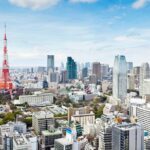
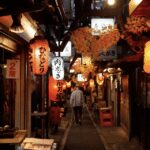
Start at Kokyo Gaien and Set Your Day Up Right
You meet at Starbucks Coffee on Kokyo Gaien Wadakura Fountain Park (3-1 Kōkyogaien, Chiyoda City) at 9:00 am. The exact meeting spot matters here because you’re starting the day with a walk through central Tokyo, not a bus ride and a quick stop.
You’ll also have a mobile ticket, which makes it easier to check in and keeps the day moving. And since the tour is near public transportation, you’re not locked into a complicated plan if you’re already based in Tokyo. The tour ends at Shibuya Station, so you can roll into dinner or a next activity without retracing your steps.
If you’re the type who likes to know the plan ahead of time, this one gives you a clear sequence. It’s especially helpful on a first visit when Tokyo’s neighborhoods can feel disconnected.
Imperial Palace East Gardens: Nijubashi Bridge Views and Classic Tokyo Order
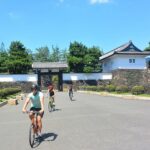
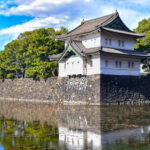
The tour’s first major stop is the East Gardens of the Imperial Palace, also tied to the Edo Castle ruin area. You’ll spend about an hour here, with admission listed as free.
This part of the day works because it’s a reset. You go from busy Tokyo streets into a structured, historically grounded site where the views from Nijubashi Bridge are a highlight. That’s one of those landmarks that looks better when you understand what you’re seeing and why it matters.
Practical note: this stop is scheduled to be efficient. You’ll have time to appreciate the space, but it’s not a long sit-down break. Bring your walking energy. If you get tired early, it’s harder to enjoy the rest of the day’s contrast between old and new Tokyo.
Asakusa and Senso-ji: Nakamise-dori Street Life and Japan’s Oldest Buddhist Site
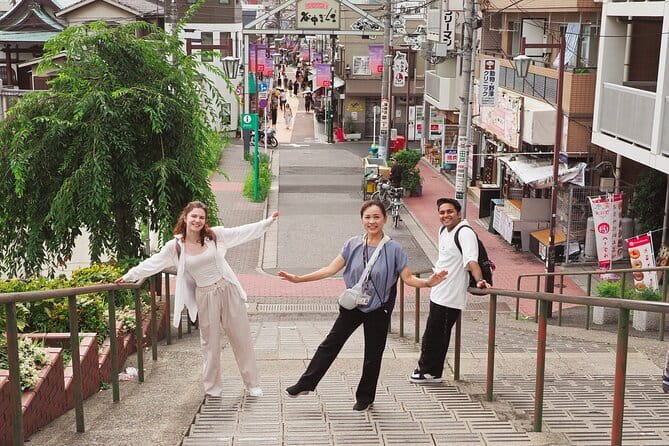
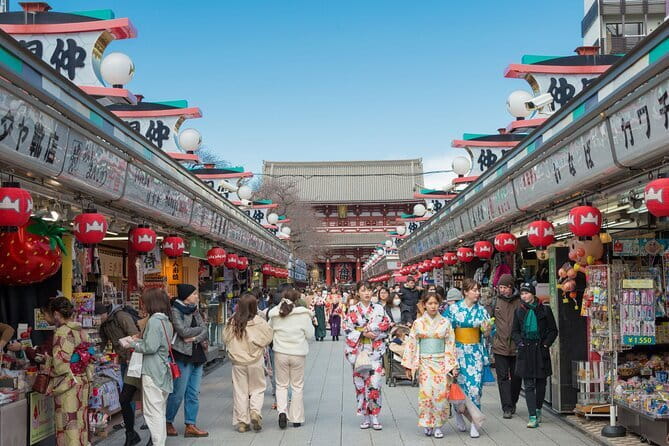
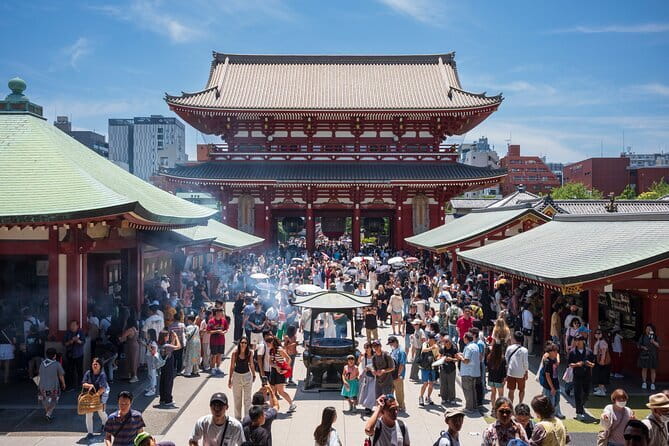
Next you head to Asakusa for about 3 hours. This is where the tour leans into Tokyo’s older layers. You’ll walk down Nakamise-dori Street and explore Senso-ji, described as Tokyo’s oldest Buddhist site, with admission also listed as free.
Nakamise-dori is the kind of street you can wander for hours, but on a guided route it becomes more than window-shopping. The guide’s job is to point out what’s meaningful, how people behave around the temple area, and what you’re seeing as you move from shop street into the temple grounds. This is where the “culture and customs” style of explanation comes through most clearly in the feedback.
One drawback to keep in mind: this is one of Tokyo’s signature areas. That means crowds are normal. If you want calm and quiet, this isn’t the right section to expect it. But if you want to feel the pulse of old Tokyo, this stop delivers, especially when you have a guide translating what you’re looking at.
Harajuku Station: Colorful Street Energy Without Getting Lost
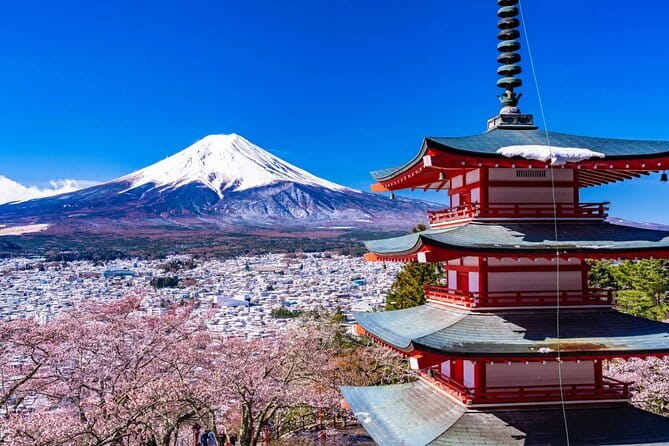
From Asakusa you shift to Harajuku Station for about 1 hour 30 minutes. The tour focuses on the Harajuku district, with admission not required for the walking portion.
Harajuku is a good choice after Asakusa because the contrast helps you understand Tokyo as a whole. Old temple streets are one kind of sensory experience; fashion-focused neighborhoods are another. With a guide, you’re less likely to waste time wandering into the wrong corners or doubling back because you didn’t realize which side of the district to target.
The best part here is flexibility. Even though your time is limited, you can still slow down at photo moments and take in the vibe while your guide keeps the route efficient. If your goal is to get a snapshot of Tokyo’s styles and energy, this timing works.






Shibuya Crossing: The Photo Stop That Ends the Day
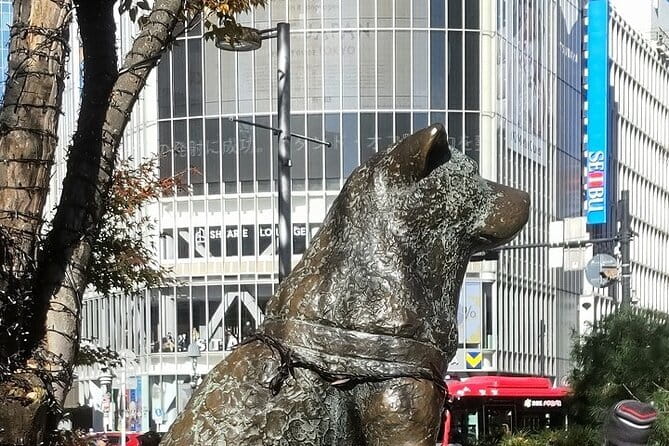
Shibuya Crossing is brief on the schedule (about 30 minutes), but it’s treated as a capstone. You see the famous crossing in the commercial area of Shibuya, and the tour ends at Shibuya Station after watching the crossing in action.
This is a smart way to do Shibuya. If you come only for a quick look, you miss the real point, which is how the crossing works as a system—people moving, signals changing, and the whole square becoming a choreography.
Because this is the final stop, you don’t have to worry about squeezing travel back to your hotel immediately. You can either linger for photos or go straight to dinner, shopping, or transit connections right after.
Meiji Jingu Shrine: A Major Shinto Stop in the Middle of the City
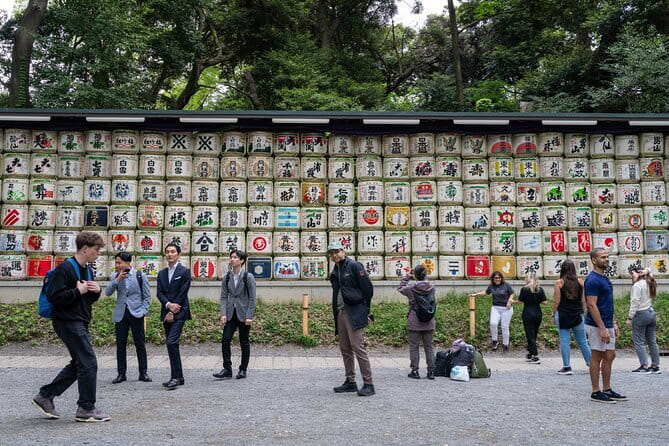
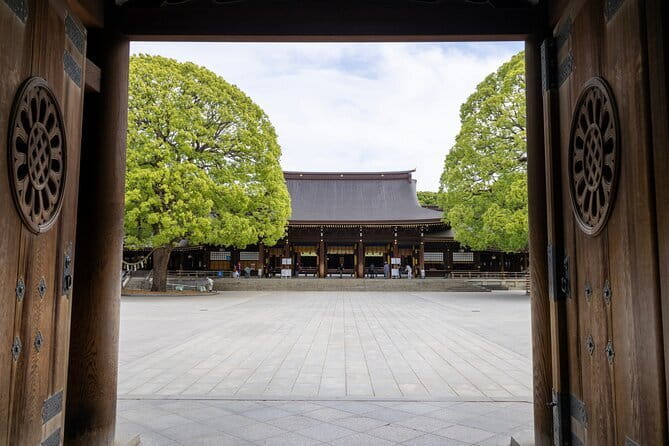
The tour’s final scheduled sightseeing stop is Meiji Jingu Shrine for about 1 hour 30 minutes. It’s described as the most famous Shinto shrine, and admission is listed as free.
This is the “Tokyo has layers” moment. After Asakusa and Harajuku, you’re finishing with one of the city’s most prominent spiritual sites. A guided visit helps here because you’re not just walking through a shrine experience without context. The guide can frame what makes the place significant and help you understand proper attention and general customs you might notice around shrine grounds.
The pacing also matters. You’re not ending too early, so the day feels complete, but you’re not so late that everyone is completely cooked. Still, it’s a lot of walking overall, so keep your energy for this stop as well.
Why the Guide Quality Matters More Than You Think

The strongest praise in the feedback isn’t about perfect weather or an extra attraction. It’s about people. Guides like Mary are highlighted for being warm and for explaining background in a way that helps you understand Japanese culture and history. Coral is praised for knowledge and engagement, with a focus on local insights. Suzana is mentioned for giving a deep, well-organized look at central Tokyo from different perspectives, including how the city functions.
Daniel and Tomas come up too, with Tomas specifically noted for good explanations. One review even stressed just how much walking there was, along with the guide’s ability to keep the experience engaging anyway.
So here’s the lesson for you: if you’re choosing between a guided route and self-guided roaming, Tokyo is a place where the explanation can turn the day from “I saw things” into “I finally got it.” That’s where this tour tends to deliver.
Price and Value: What $99 Really Covers
At $99 per person for a 7 to 8 hour guided walk, you’re not paying for museum admission. You’re paying for logistics, commentary, and time you don’t have to spend planning.
The itinerary’s key stops are listed as free-entry: Imperial Palace East Gardens, Senso-ji, and Meiji Jingu all show free admission. That’s a big deal. In a city where attractions can add up quickly, keeping admissions low lets you focus on the guided experience itself.
Included in the price is a hand-picked expert tour guide. Not included is personal travel insurance, which you should arrange separately if you want coverage beyond the tour’s scope.
If you’re on a first trip and you want a high-confidence day, this is the sort of value you look for: minimal hard costs at the major stops, plus a route that keeps your day efficient.
Walking Level: The Part You Should Plan For
This is a walking tour with a moderate physical fitness level recommendation, and comfortable shoes are a must. One review mentioned over 20,000 steps, which is a useful reality check.
That doesn’t mean it’s a fitness challenge like a hike. It means Tokyo wears your legs down if you do it all on your own. With a guide, you keep moving efficiently and you don’t lose time in dead ends. But you still have to handle the physical side of the day.
My practical advice:
- Wear shoes that you already trust. Break-in shoes before you come to Tokyo.
- Bring something light for weather changes.
- If you’re prone to fatigue, plan a slower evening after you finish at Shibuya.
Who This Tour Fits Best (and Who Should Consider Something Else)
This tour is ideal if you’re visiting Tokyo for the first time and want a guided “greatest hits” day that covers both classic and modern Tokyo. It’s also a good match if you like photo stops but don’t want to turn your day into a string of disconnected snapshots.
It’s less ideal if you hate long walks or you’re traveling with limited mobility. While the tour is near public transportation, the route itself is still designed to be walked. And because it’s built as an introduction, it’s not aiming for a slow, contemplative pace.
If you’re the kind of person who loves learning small cultural cues—how to think about shrines and temple areas, why landmarks are arranged the way they are—this is the sweet spot.
Should You Book This Tokyo Small Group Tour?
If your goal is to get oriented fast, learn what you’re looking at, and cover Imperial Palace gardens, Asakusa and Senso-ji, Harajuku, Shibuya Crossing, and Meiji Jingu in one day, I think this is a solid booking choice. The combination of a small group (15 max), a guide-focused experience, and mostly free admission stops makes it good value for first-timers.
Book it if you’re ready for a walking day and want your Tokyo day to feel guided instead of improvised. Skip it only if you know you need minimal walking or you’d rather spend the day exploring fewer areas at a slower pace.
FAQ
How long is the Tokyo Small Group Tour with Guide?
The tour is listed as about 7 to 8 hours.
How many people are in the group?
There is a maximum of 15 travelers.
Where do I meet the guide, and where does the tour end?
You meet at Starbucks Coffee – Kokyo Gaien Wadakura Fountain Park (3-1 Kōkyogaien, Chiyoda City, Tokyo). The tour ends at Shibuya Station (2 Chome-24, Shibuya, Tokyo), after watching Shibuya Crossing in action.
What time does the tour start?
The start time is 9:00 am.
Is there an admission cost for the main stops?
The tour lists admission as free for the East Gardens of the Imperial Palace, Senso-ji (Asakusa), and Meiji Jingu Shrine.
How much walking should I expect?
It’s a walking tour with moderate physical fitness recommended, and comfortable walking shoes are advised. One review specifically mentioned over 20,000 steps.
Does the tour include the guide and a ticket?
Yes, it includes a hand-picked expert tour guide, and it uses a mobile ticket.
What if the weather is bad or I need to cancel?
The experience requires good weather. If it’s canceled due to poor weather, you’ll be offered a different date or a full refund. Free cancellation is available up to 24 hours in advance for a full refund.