REVIEW · TOKYO
Tokyo: Manga Drawing Workshop Guided by Pro Manga Artist
Book on GetYourGuide →Operated by Manga Do · Bookable on GetYourGuide
Want to draw manga in Tokyo? This small-group workshop in Shibuya pairs you with a pro manga artist and an English/Japanese interpreter so you can make a real manga-style panel without needing skills first.
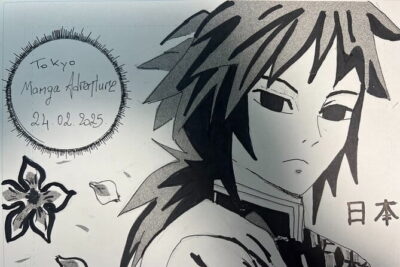
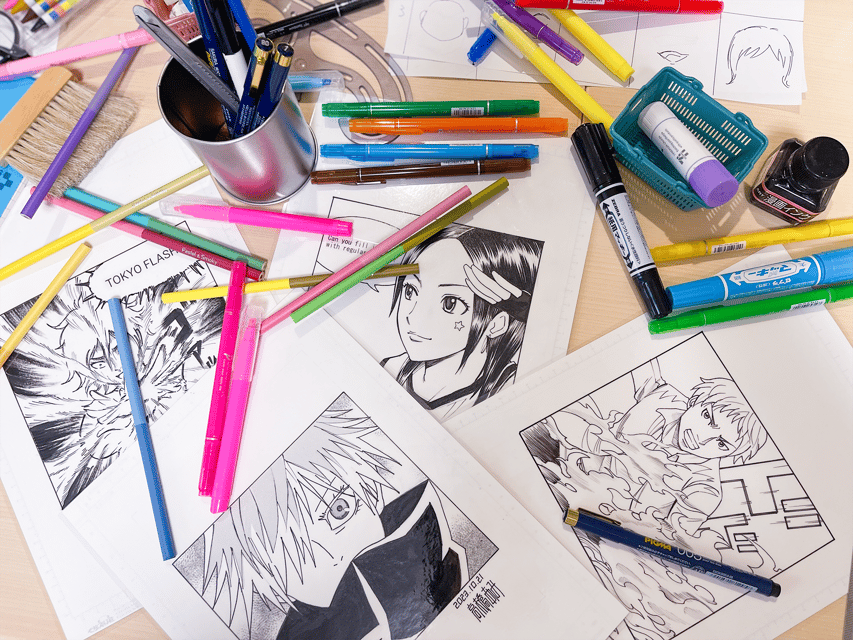
I love that the class walks you through the actual workflow, step by step, including inking and screen tones. I also love the payoff: you leave with a take-home manga keepsake that’s finished (and in many sessions, laminated).
One thing to consider is that the structure can feel a little slow at the start, and some sessions emphasize following the instructor’s draft closely, so total freedom to invent from zero may vary by class and teacher.
In This Review
- Key things to know before you go
- Shibuya’s Pro Manga Workshop: What You’re Actually Buying
- The $129 Value: Pro Time, Materials, and a Finished Keepsake
- How the 150 Minutes Usually Unfold
- What You Can Draw: Characters, Poses, and the Manga Look
- Meet the Team: Mangaka Instructors and Interpreters Who Make It Work
- Location on Shibuya 3-chome: Finding the TR Building on Time
- Who This Workshop Fits Best (and Who Should Reconsider)
- Should You Book It?
- FAQ
- How long is the manga drawing workshop?
- What’s the price per person?
- Do I need previous drawing experience?
- What’s included in the price?
- Is food and drinks included?
- Where do I meet for the workshop?
Key things to know before you go
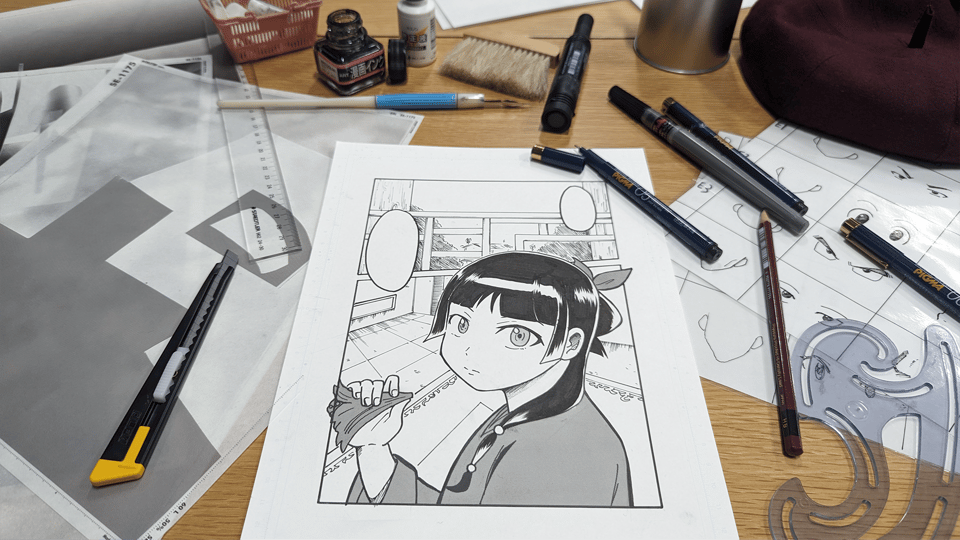
- A pro mangaka guides your process from first idea to finished panel, not just “watch and trace”
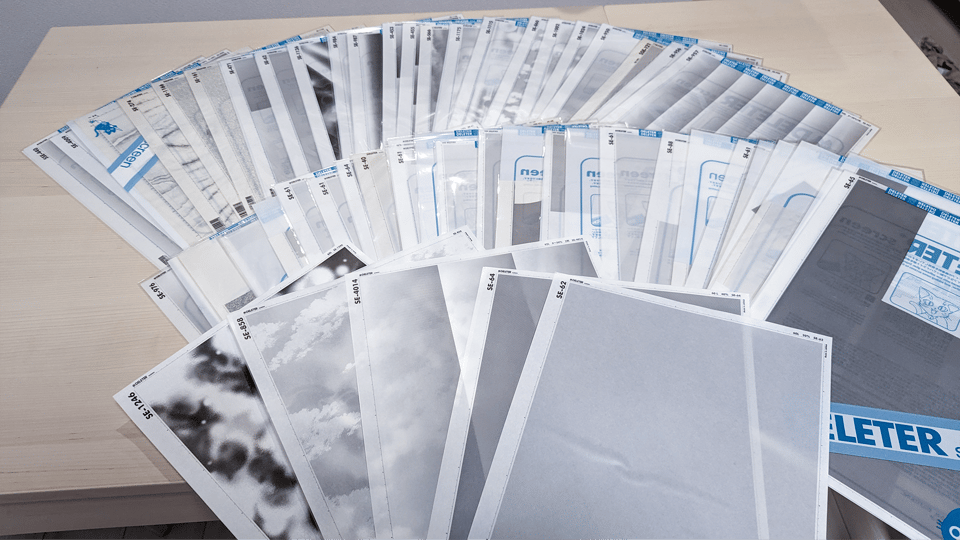
- Screen tones and solid blacks are part of the real manga look, explained clearly
- Small group size (max 8) keeps the attention on you and your questions
- Bilingual support (English/Japanese) helps beginners feel calm and confident
- You keep your finished artwork, often laminated for durability
- Shibuya 3-chome meeting point can be tricky to spot, especially on busy days
Shibuya’s Pro Manga Workshop: What You’re Actually Buying
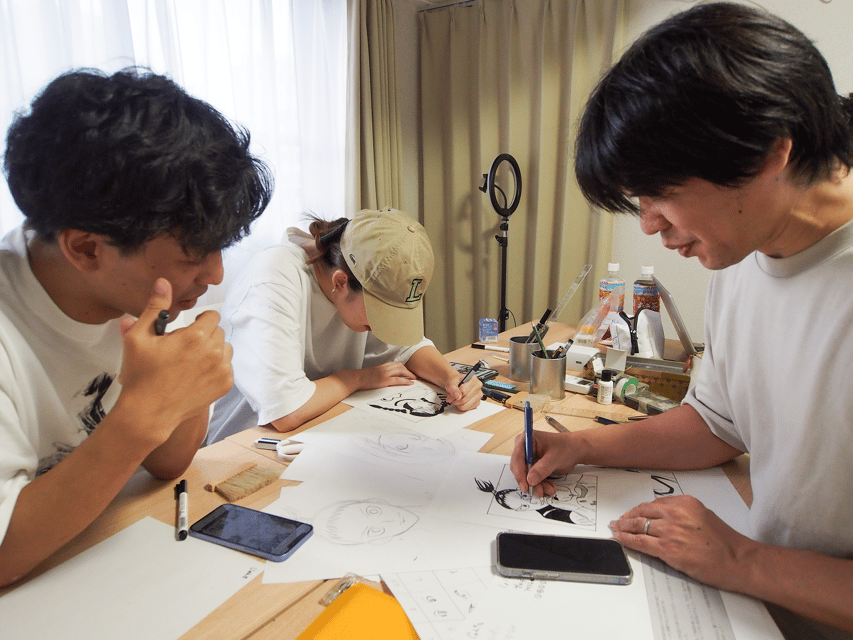
This is one of those Tokyo activities that sounds like a souvenir, then turns into real creative skill—fast. For $129 per person and 150 minutes, you’re not just learning how to hold a pen. You’re learning how manga gets made: the chain of choices that turns a rough idea into the finished, high-contrast look you recognize from series like One Piece or Naruto.
The workshop’s biggest value is how structured it is for non-artists. A lot of “learn to draw” experiences give you instructions and hope you figure it out. Here, you’re supported by a manga artist with 20+ years of experience and an interpreter, so the technical steps are translated and paced for the group.
You’re also buying something intangible that the reviews make obvious: permission to play. People come in nervous about drawing. They leave feeling proud because they’ve produced something that looks like manga panel work, not a sketch that never quite lands.
You can also read our reviews of more guided tours in Tokyo


The $129 Value: Pro Time, Materials, and a Finished Keepsake
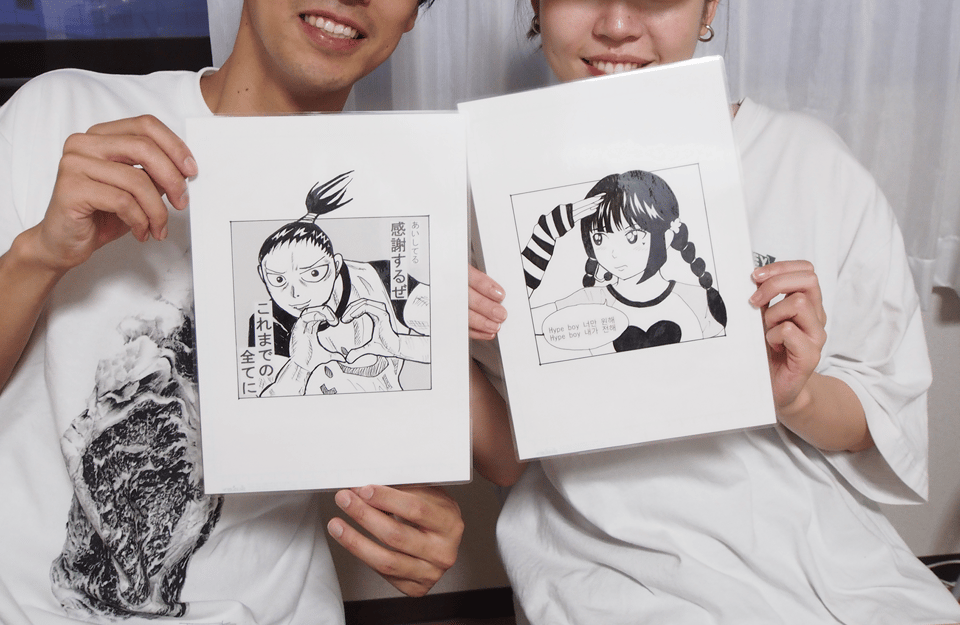
Let’s break down the value in plain terms. You pay $129 for a 150-minute guided session. Included are the professional manga instructor, an interpreter, and the manga drawing materials. Food and drinks aren’t included, and there’s no pickup—so budget for a snack before or after.
So what makes it worth the price?
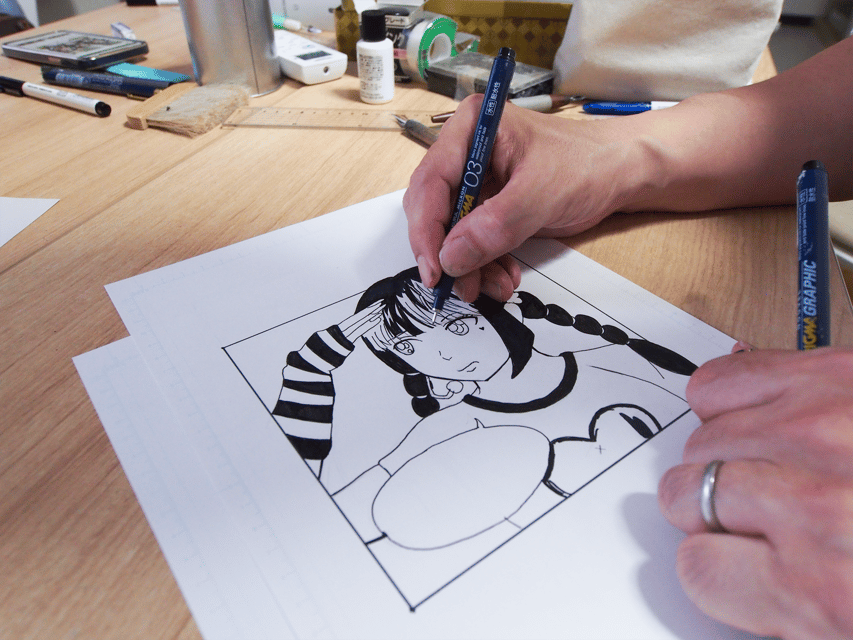
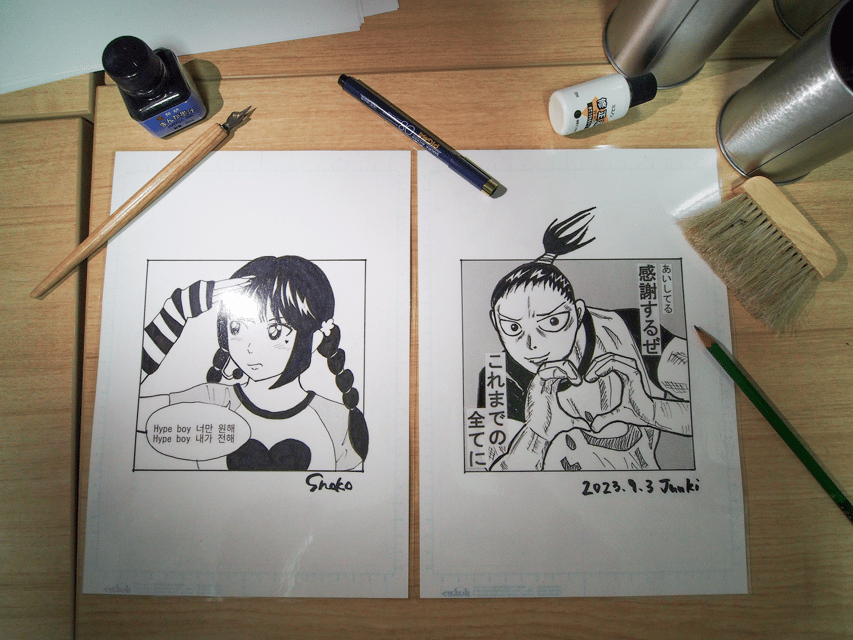
- Your time is with a working artist, not a general teacher. Manga isn’t one trick; it’s a process. You get guided through that process: ideation, rough sketching, drafting, inking, filling solid blacks, applying screen tones, and adding speech bubbles.
- You get the tools needed for the manga look. Screen tones and inking tools change everything. Several reviews specifically call out how interesting it was to use screen tones and how much they learned from seeing the proper setup.
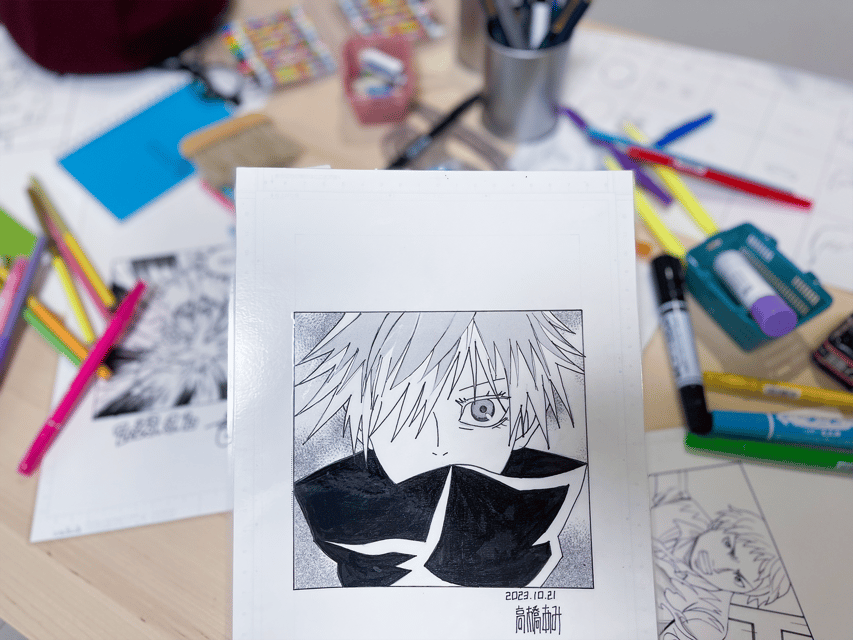
- You leave with an actual, finished panel. Multiple reviews mention laminated art. Even if the exact finishing step varies by session, the core promise stays: you take home a one-of-a-kind result you made in the room.
In practical terms, this is a good “Tokyo memory” purchase for people who want something visual they can hang on a wall. It beats buying yet another small object that doesn’t make you smile later.
How the 150 Minutes Usually Unfold
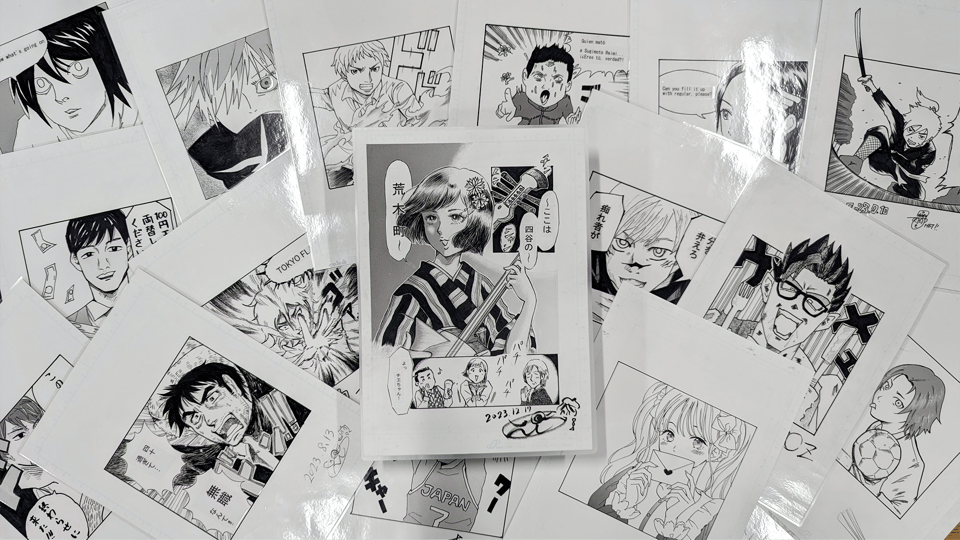
You’ll move through a real manga workflow. The pacing is guided, but you’re still doing the drawing—step by step—so you’re not passive the whole time.
A typical flow looks like this:
1) Choose your idea
You can work from a set of examples, or you might bring your own character/photo idea. Reviews mention you can pick characters and even a pose concept. If you’re a complete beginner, don’t overthink it—simplicity wins.
2) A rough sketch gets established
The instructor will create a first rough outline for your chosen concept. In many sessions, you then help refine it—either by adding your own lines or adjusting details so it feels like your version.
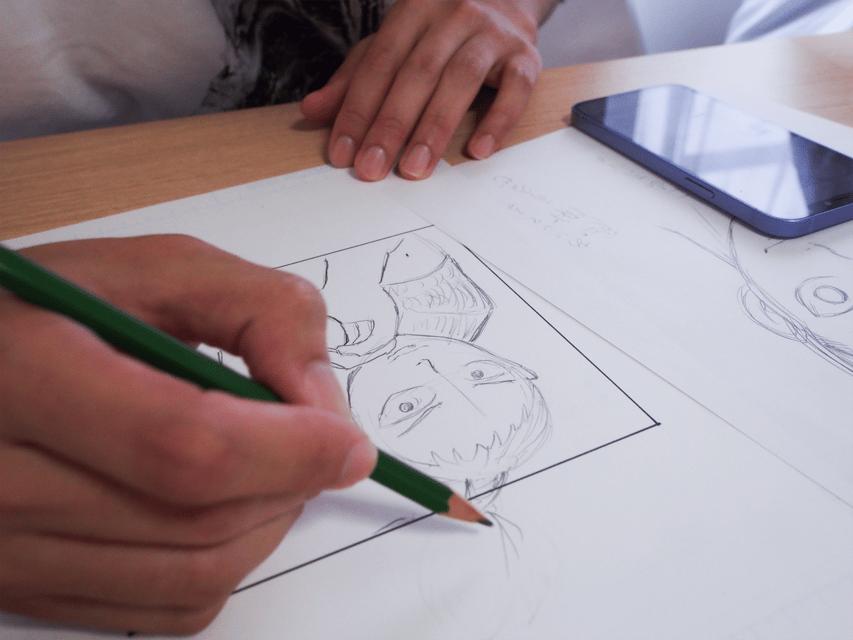
3) Drafting and pencil refinement
You’ll go over the sketch and make it cleaner. This is where the fear factor drops for a lot of people. Several reviews highlight that the instructor is patient enough to guide different ages and skill levels.
4) Inking
This is where your panel starts looking like manga. Inking is not just tracing—it’s deciding where the line weight matters and how to build a readable silhouette quickly.
5) Solid blacks and backgrounds
After pencil marks are handled, the instructor uses techniques to create the bold black areas that define manga contrast. One review described using a brush for black backgrounds.
6) Screen tones
You apply screen tones to create shadows and texture. This is often the “wow” moment. People who thought they couldn’t draw at all frequently end up surprised by how screen tones instantly make the panel look finished.
7) Speech bubbles
You add the final storytelling details. This matters more than it sounds. Speech bubbles turn your drawing from an image into a moment.
8) Finish and take-home
Many reviews mention the drawing being laminated so you can keep it as a durable keepsake.
The key for you: you’re not expected to invent a whole style from scratch. You’re expected to follow a professional process and learn why each step exists.
What You Can Draw: Characters, Poses, and the Manga Look
This workshop is built for fan creativity. You can show up with a fandom idea, but you don’t have to copy an existing character perfectly. Your goal is to produce a manga-style panel that looks right in silhouette, line work, and tone.
Here’s what tends to work best:
- Pick a character or a subject with clear shapes (faces, pets, simple outfits, recognizable silhouettes).
- Choose a pose you can describe easily—something you can commit to without endless revisions.
- Expect guidance on screen tone placement. Even skilled artists learn this part from scratch.
One useful detail from the reviews: some sessions involve seeing the instructor create a manga-style version of a reference image first, and then your work focuses on adapting or tracing that draft with support. That’s not necessarily bad—it can be a confidence booster for beginners—but it does mean the final panel might not be 100 percent freehand invention. If you’re hoping for total originality from minute one, ask what level of customization you’ll have when you book.
On the flip side, many people do highlight that they were able to mess around with their own characters and make tweaks. The best-case sessions feel collaborative, not robotic.
Meet the Team: Mangaka Instructors and Interpreters Who Make It Work
The workshop lives or dies on communication. Luckily, it has a built-in solution: an interpreter plus a mangaka.
You may work with different instructors depending on the date. Reviews mention names like:
- Shige Mathumori
- Rokkaku-sensei
- Kousei-sensei
- Hiroshi
- Kamaya Katsuki
You may also meet interpreters such as:
- Machi
- Madoka
- Ai
- Hanae
Regardless of the specific name, the pattern is the same: patience and clarity. Multiple reviews call out the instructor’s ability to guide participants with very different drawing levels, including complete beginners. And interpreters are repeatedly praised for making translations feel natural and keeping the atmosphere comfortable.
If you’re worried about language, you’re not going to stand alone with a sketchbook. You’ll have a real human bridge to explain steps like screen tone technique, when to ink certain lines, and how to think about panel readability.
You can also read our reviews of more tours and experiences in Tokyo



Location on Shibuya 3-chome: Finding the TR Building on Time
Meeting point is 6F, Shibuya 3-chome TR Building, 3-8-11 Shibuya, Shibuya-ku, Tokyo. The building is described as black and relatively thin, which matters because Shibuya can be visually noisy and building signs can be easy to miss.
My practical advice:
- Arrive early. One review mentions confusion finding the location due to a busy scene at Shibuya crossing.
- Use the exact address and floor number. The workshop is on the 6th floor, not street level.
- If you’re turning up with friends, don’t wait at the curb for a long regroup. You’ll waste the best part of your workshop time just figuring out where to go.
Also note: there’s wheelchair accessibility listed, and the group is limited to 8 participants, so you should expect a real studio-style setup rather than a giant class room.
Who This Workshop Fits Best (and Who Should Reconsider)
This class is ideal if you want Tokyo culture that’s hands-on and personal. You’ll get more out of it if any of the following are true:
- You love manga and anime and want to understand the craft behind the style.
- You want a beginner-friendly creative activity that still results in something good-looking.
- You’re looking for a wall-worthy souvenir you can frame.
- You’re traveling as a couple, family, or even solo and want a calmer group size.
It’s also a strong choice if you like structured learning. The workshop doesn’t rely on you guessing what “looks right.” You get the process.
When to reconsider:
- If you want a class that feels like pure freeform art class, you might find some sessions more guided than you expect.
- If you hate waiting for instructions to begin, note that at least one review mentioned the start felt slow before the drawing really got going.
Should You Book It?
I think you should book this workshop if you want a real manga panel experience, not just a quick photo-op. The combination of a pro instructor, a translator, and materials included makes it one of the better value creative activities in Tokyo for first-timers.
Book it especially if you:
- want to learn the why behind the manga look (inking, solid blacks, screen tones, speech bubbles),
- want to leave with something you made—ideally laminated—that you’ll still appreciate weeks later,
- need help with language so the experience stays fun, not stressful.
If you’re the type who needs maximum freedom to invent everything from scratch, I’d treat the workshop as a guided manga-production session rather than a blank-canvas drawing jam—and plan your expectations accordingly.
FAQ
How long is the manga drawing workshop?
The workshop duration is 150 minutes.
What’s the price per person?
It costs $129 per person.
Do I need previous drawing experience?
No. The workshop is designed for beginners, and you’ll be guided step by step with support from the manga artist and interpreter.
What’s included in the price?
The price includes a professional manga artist instructor, an interpreter, and manga drawing materials.
Is food and drinks included?
No. Food and drinks are not included.
Where do I meet for the workshop?
You meet at 6F, Shibuya 3-chome TR Building, 3-8-11 Shibuya, Shibuya-ku, Tokyo.