REVIEW · TOKYO
Tokyo: Samurai Kendo Practice Experience
Book on GetYourGuide →Operated by Park for us Co.,Ltd · Bookable on GetYourGuide
One sentence can change how you see sword fights. In this Tokyo session at 誠道館, you’ll practice real kendo in full gear, with a patient sensei pushing you through basic strikes and game-like bouts. I love how it mixes traditional etiquette with hands-on sparring, and I also like that the group stays small, so you’re not lost in a crowd. The only real drawback to consider is that the instructor style can feel strict, and the helmet hits can surprise first-timers.
What you get is not movie violence. It’s training that’s very specific about form, timing, and safety—starting with bowing and footwork, then moving into strikes like men, kote, and do. Just plan to arrive on time, because the full program timing can run a bit long or short depending on how the class flows.
In This Review
- Quick hits: what makes this Tokyo kendo practice special
- What this really is: kendo training, not just a sword demo
- Where you meet 誠道館 near JR Uguisudani
- Your gear: wearing armor changes everything
- Glasses and safety: plan for your eyes
- The practice flow: etiquette, footwork, then striking games
- Step 1: you learn the basics fast
- Step 2: controlled counters and quick adaptations
- Step 3: light spar and playful engagement
- Photos and talk time
- The sensei and instructors: strict energy with real patience
- How intense is this workout, really?
- Value check: is $116 worth 2 hours of kendo armor training?
- Who this suits best (and who should think twice)
- Quick FAQ for your kendo day in Tokyo
- FAQ
- How long is the kendo practice session?
- Where do I meet for the session?
- What’s included in the price?
- Is food included?
- Do I get hotel pickup?
- What languages are used during instruction?
- Is this experience okay for beginners?
- What should I wear or bring?
- Is there free cancellation?
- Should you book this Tokyo samurai kendo practice?
Quick hits: what makes this Tokyo kendo practice special
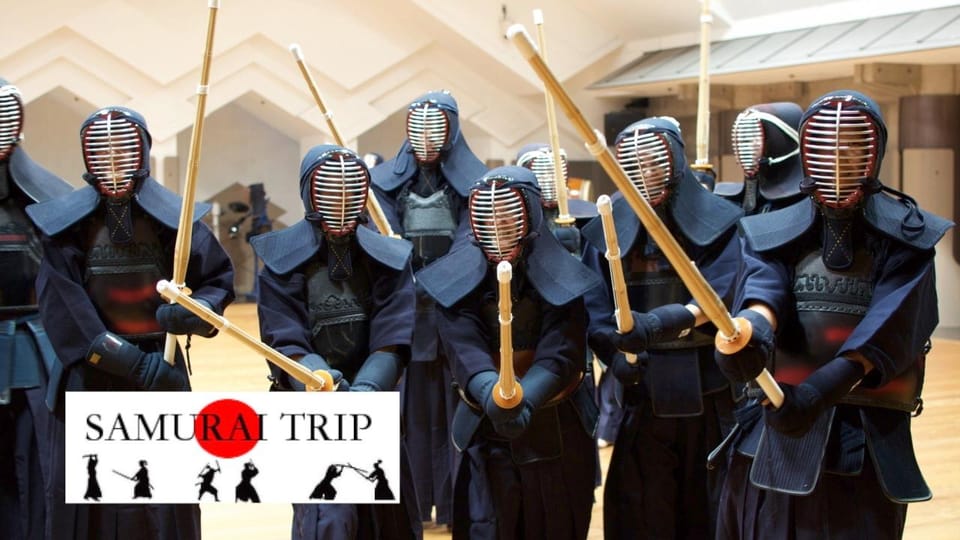
- Full kendo armor rental so you feel what the sport is really like
- A small group (up to 6) that makes beginner guidance practical
- You learn basic striking techniques like men, kote, and do, then apply them
- Training includes light spar and playful drills (some groups even use balloon-style games)
- The dojo vibe centers on etiquette and calm discipline, not chaos
- You get a towel and mineral water to take the edge off after you sweat
What this really is: kendo training, not just a sword demo
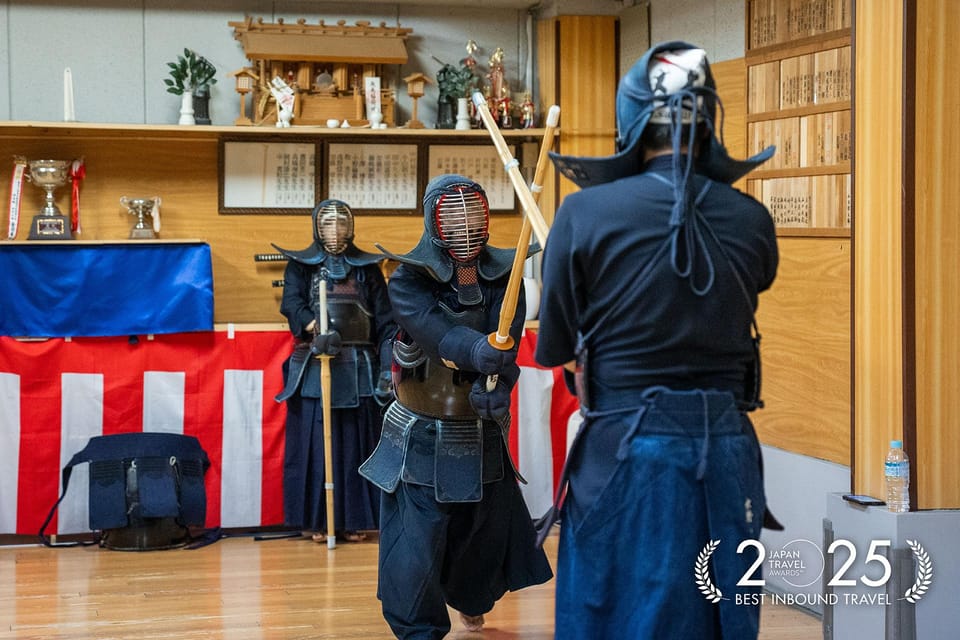
“Kendo” often gets simplified as sword fighting, but your first lesson starts with something quieter: how to behave in a dojo. Expect etiquette before action—bows, attention, and a focus on control. That matters because kendo is designed to be training you can repeat safely, not a one-off performance.
You’ll also notice how “samurai” gets used in marketing. Kendo is modern, but it draws on older sword principles and a serious mindset around distance, timing, and respect. The result is a session that feels authentic even if you’ve never held a bamboo sword before.
You can also read our reviews of more tours and experiences in Tokyo.



Where you meet 誠道館 near JR Uguisudani
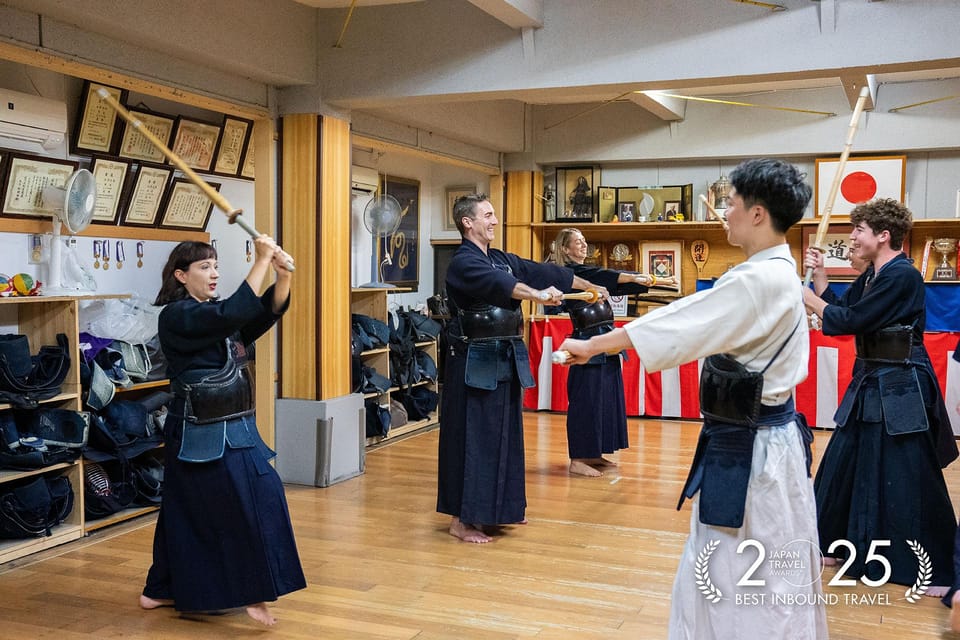
Your meeting point is at 4-7-2 Higashinippori, Arakawa-ku, Tokyo, marked 誠道館. It’s about a 10–12 minute walk from JR Uguisudani Station North Exit. For me, the best travel advice here is simple: give yourself extra time, because the dojo can be a bit tricky to spot at first (it runs out of a house setting).
Once you find it, things get easier fast. You’ll be checked in, fitted for equipment, and brought into the rhythm of the class. Still, I’d rather you show up early and breathe than rush and feel awkward before you even step onto the practice floor.
Your gear: wearing armor changes everything
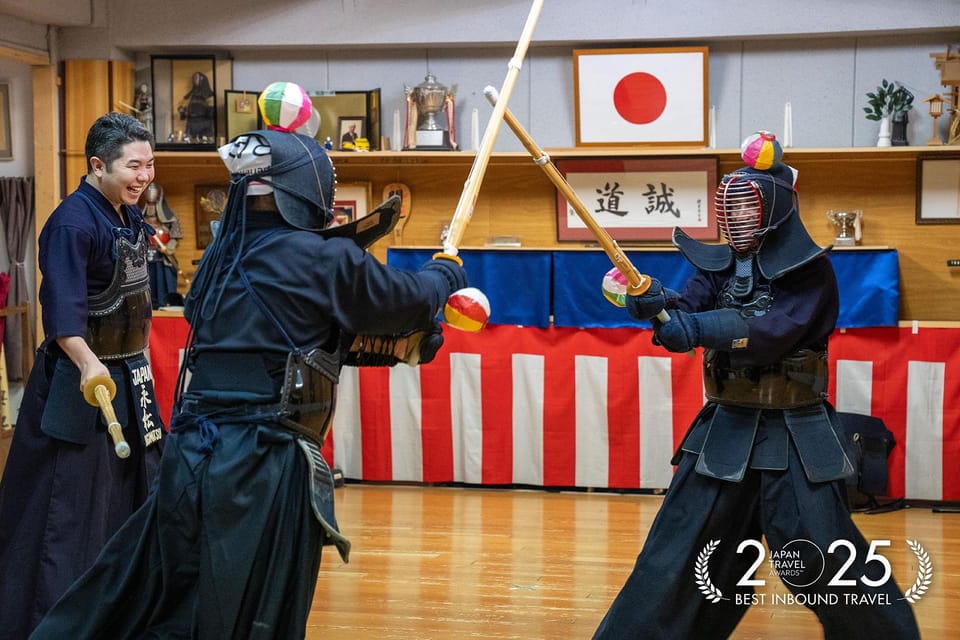
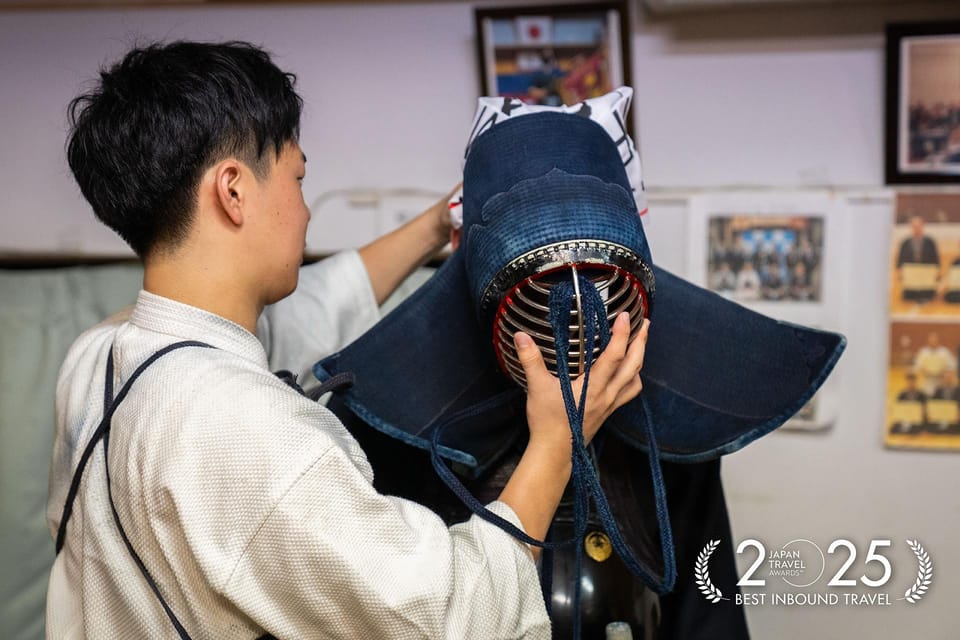
This experience includes rental of kendo armor and equipment, plus mineral water and a Japanese hand towel. The gear is the big reason kendo feels real so quickly. When you put on the men (helmet) and body protection, your perception of distance and speed shifts immediately. You also realize the sport is physical in a very specific way—quick footwork, controlled strikes, and constant posture checks.
A practical tip: bring loose exercise clothing for underneath. Not because it’s romantic, but because you might not be guaranteed a perfect kendo-gear size, and the class may ask you to use your own clothes if needed. Also, you’ll sweat. One strong theme from the experience is to show up ready for a workout and possibly fresh clothes afterward.
Glasses and safety: plan for your eyes
If you wear glasses, it’s not advisable during head armor. The guidance is to bring contact lenses instead, and to avoid spectacles because of the difficulty of wearing the head protector and the possibility of damage. This is one of those details that can turn a smooth experience into a frustrating one, so don’t ignore it.
The practice flow: etiquette, footwork, then striking games
The session is structured for beginners but still feels like training. Even first-timers are guided as if you’re stepping into a real match, with a focus on what to do, what not to do, and how to keep your timing consistent.






Step 1: you learn the basics fast
Expect a clear introduction to the rules and the motion mechanics. Several people mention working on three main striking targets:
- men (helmet)
- kote (wrist/forearm area)
- do (torso)
You’re not just mimicking slow movements. You’ll build into drills that teach accuracy and spacing, the two things that make kendo look effortless only after you suffer through the early lessons.
Step 2: controlled counters and quick adaptations
After basics, you may learn some counter techniques. That’s where the session gets more “action than expected,” because suddenly you’re reacting, not repeating. It also helps you understand why kendo rewards calm focus—your body has to respond quickly, but without panic.
Step 3: light spar and playful engagement
You’ll get practice that feels competitive but stays training-safe. Many accounts describe light sparring and friendly games that still teach real patterns. One review even mentioned balloon-style fighting rounds, which sounds silly until you realize it’s a clever way to get rhythm and timing without the fear factor.
Photos and talk time
There’s usually time to pause, talk, and take pictures. People appreciated the chance to ask questions and connect with the instructors. That social part isn’t fluff—it’s how you leave with context, not just muscle memory.
The sensei and instructors: strict energy with real patience
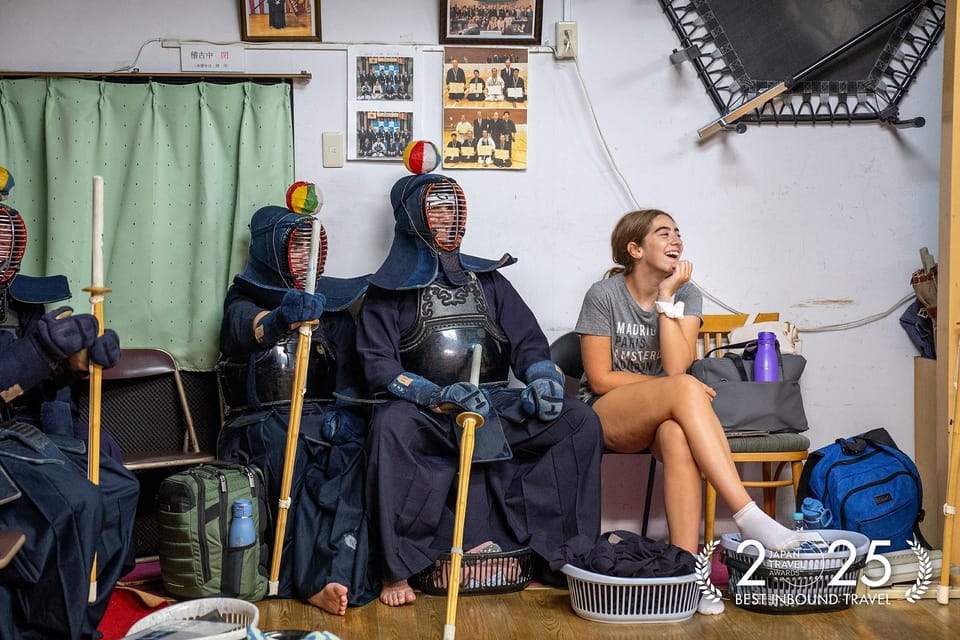
The instructors run the dojo like a training hall: disciplined, direct, and focused on safety. Multiple accounts mention a sensei who is strict yet playful, keeping students disciplined while still making it fun. Others describe instructors as patient with true beginners, especially when you’re figuring out footwork and where to aim.
You may hear names like Nagamatsu-sensei and Kenshi-san. Reviews credit them (and colleagues) with patient teaching and clear guidance. The overall vibe is that you’re expected to listen and try, not float through.
One caution: a few people felt strikes—especially to the helmet—could feel a bit rough for family members or first-time participants. If you’re sensitive to that, keep your expectations aligned with sparring training. This is a hands-on sport class, not a gentle ride-along.
How intense is this workout, really?
It’s physical. You’ll get a real workout from the combination of armored movement and repeated forward-and-back striking drills. People called it harder than it looks, mainly because speed and accuracy are trained together.
At the same time, it’s approachable. The teaching is designed so beginners can get results within two hours. That’s a big part of the value: you’re not signing up for a long-term course; you’re signing up for a first taste that actually makes sense.
If you enjoy learning a new skill quickly—plus the mental side of martial arts—you’ll likely leave energized and a little obsessed. Several reviews describe feeling respect for kendo after seeing how experts train and how much discipline goes into it.
Value check: is $116 worth 2 hours of kendo armor training?
At $116 per person for about 2 hours, the price makes sense when you break it down:
- You get a professional instructor (not a volunteer-style experience)
- You’re provided rental armor and equipment
- You also receive small perks like mineral water and a hand towel
The main reason this can feel like good value is the small-group format (limited to 6). With a bigger group, beginners often struggle to get corrected. Here, you get enough attention to adjust and actually improve during the session.
Where it might not feel like a win is if you’re hoping for a primarily cultural show without much physical effort. This is hands-on training. You’ll participate.
Who this suits best (and who should think twice)
You’ll probably love this if you:
- want an authentic, hands-on martial arts experience in Tokyo
- are curious about Japanese etiquette and discipline
- can handle basic physical activity in full gear
- like small-group learning with direct instructor feedback
It can also work for families. Some reviews describe the session as family-friendly and even include pre-teens participating. Still, the suit-and-strike factor means it’s not ideal for everyone.
You should think twice if:
- you wear glasses and don’t want to switch to contact lenses
- you’re concerned about the feel of helmet hits during training
- you’re looking for a low-intensity, observational experience
- you have fit concerns—one review specifically noted the activity isn’t for plus-size people
Quick FAQ for your kendo day in Tokyo
FAQ
How long is the kendo practice session?
The experience is listed as 2 hours, though the exact program timing can vary a bit depending on conditions.
Where do I meet for the session?
Meet at 4-7-2 Higashinippori, Arakawa-ku, Tokyo, marked 誠道館. It’s about a 10–12 minute walk from JR Uguisudani Station north exit.
What’s included in the price?
Included are a professional guide/instructor, rental of kendo armor and equipment, mineral water, and a Japanese hand towel.
Is food included?
No, food is not included.
Do I get hotel pickup?
No, hotel pickup is not included.
What languages are used during instruction?
Instruction is conducted in English and Japanese only.
Is this experience okay for beginners?
Yes. It’s described as being suitable even for beginners, with instructors guiding you through safe training.
What should I wear or bring?
Wear or bring loose fitted exercise clothing. If you wear glasses, it’s not advisable to wear them with the head protector, so contact lenses are recommended.
Is there free cancellation?
Yes. You can cancel up to 24 hours in advance for a full refund.
Should you book this Tokyo samurai kendo practice?
I’d book it if you want the real deal: gear on, targets learned, and a controlled bout that teaches how kendo actually works. The small group size and the hands-on structure are the two big reasons this feels worth your time, not just another Tokyo activity photo-op.
Skip it or reconsider if you’re sensitive to strict instruction or you’re not comfortable with the feel of helmet contact during training. And if you wear glasses, plan for contact lenses ahead of time.
If you’re excited to learn a new sport with rules, etiquette, and real physical practice, this is one of the most memorable ways to spend two hours in Tokyo.