REVIEW · TOKYO
Tokyo Manga Drawing Experience Pro Artist Workshop & MangaHistory
Book on Viator →Operated by JAPAN TRIP GUIDE · Bookable on Viator
Pencils to ink in three hours. I like how the class is run as small-group pro teaching instead of a lecture, and I also love that you leave with take-home manga art you made yourself. You get hands-on steps, from planning a character to finishing details like shading.
One thing to consider: this is a drawing workshop first, not a city sightseeing tour. If your goal is photos at famous spots or a passive cultural show, you might feel a little restless here.
In This Review
- Quick take: what makes this Tokyo manga class worth your time
- A 3-hour Tokyo manga workshop: what you do, step by step
- Meeting at Lawson in Hiroo: easy check-in area, central enough
- Manga history and pro tool basics: context that helps your drawing click
- From pencil sketch to ink to shading: the traditional flow
- Choosing a character or making your own story idea
- Why the small-group size feels like real value
- Price and what you actually get for $100
- What’s included, what to bring, and how to prep fast
- The take-home souvenir: your finished manga piece
- Should you book this Tokyo manga drawing experience?
- FAQ
- How long is the Tokyo Manga Drawing Experience?
- Do I need any drawing experience to join?
- How many people are in the group?
- What’s included in the price?
- What times are available?
- Where do I meet for the workshop?
- Is transportation included?
- Does it end at the meeting point?
Quick take: what makes this Tokyo manga class worth your time
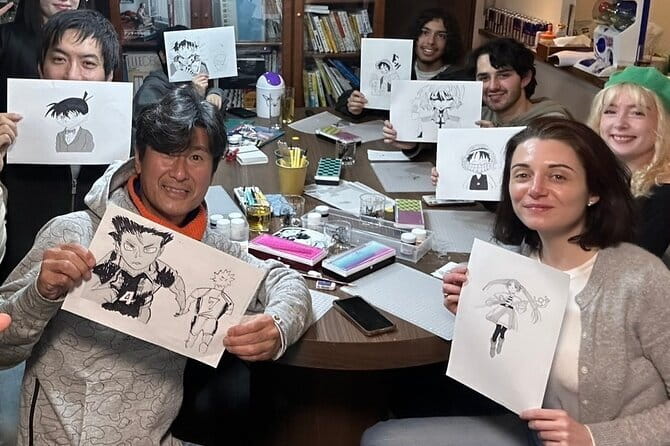
- Up to 6 people means you’re not stuck waiting your turn
- No experience needed with all tools and materials provided
- Manga history + practical technique so the art has context
- Traditional steps: sketch, ink, then shading/depth
- Choose your own character or make your own idea
A 3-hour Tokyo manga workshop: what you do, step by step
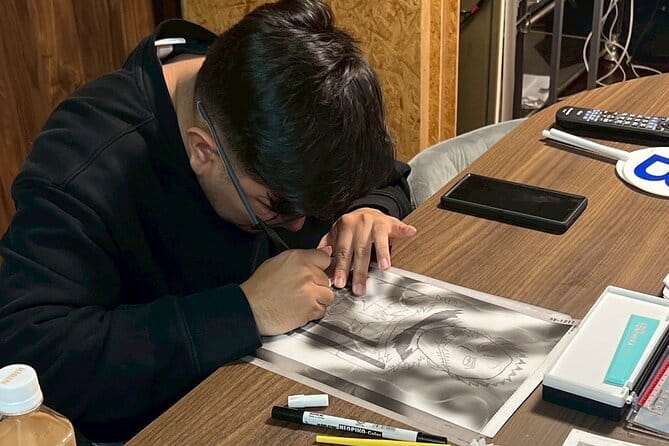
This is a hands-on session where you actually make a manga page (or a finished manga-style drawing) instead of just watching. The rhythm is simple: start with story/character planning, then move through the classic stages of manga production until your piece is done.
You’ll begin by figuring out what you want to draw. That can be a character you already love, or something original. Either way, you’re guided to turn your idea into a clear composition so your final drawing looks intentional, not random.
Then the pro artist walks you through the “how” behind the look. That includes expressions and poses—the little choices that make manga feel lively and readable.
Finally, you finish with the steps that separate a sketch from a finished piece. Think inking and then shading/depth, the part that gives your character weight and form.
You can also read our reviews of more tours and experiences in Tokyo



Meeting at Lawson in Hiroo: easy check-in area, central enough
The workshop starts and ends back at the meeting point, at Lawson (1-chōme-16-3 Hiroo, Shibuya, Tokyo 150-0012). That matters because you’re not stuck figuring out a pickup time for some far-flung studio.
It’s also near public transportation, which is a big plus in Tokyo. You can plan your day around the class time without building in extra travel stress.
Because there’s a mobile ticket, you’ll handle check-in using your phone. If you’re the type who hates last-minute paperwork, that’s a small comfort.
Manga history and pro tool basics: context that helps your drawing click
One of the best parts of this class is that it doesn’t treat manga as just a style to copy. You get an overview of manga history and famous artists and works, then you connect that story to what you’re doing with your pencil.
This is especially useful if you’re a beginner. When you understand what manga is trying to communicate—emotion, motion, readable storytelling—you can make smarter choices about where to place features and how to exaggerate expressions.
You’ll also learn how to use the tools properly. The workshop covers the practical side: how to handle the drawing materials and how to follow the steps the pros use to keep lines clean and consistent.
From the tone of the instruction, you get the sense that questions are welcome. If you’re unsure about proportions or what to do next, you’ll have a real chance to get unstuck.
From pencil sketch to ink to shading: the traditional flow
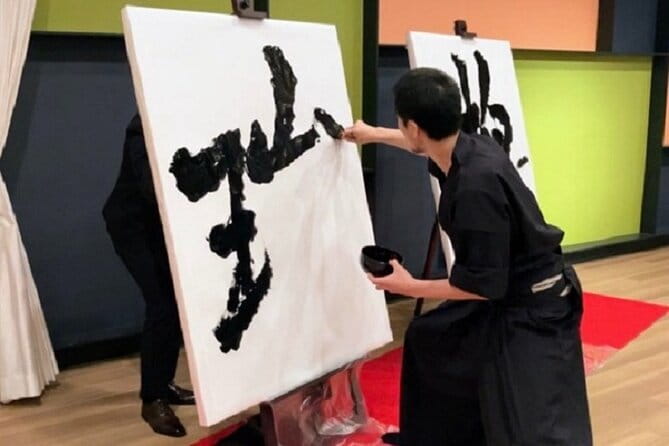
The class follows the standard manga creation steps, but it’s taught in a way that works for beginners. You start with pencil sketching to map out your pose, face, and overall composition.
Next comes inking. This is where many people get stuck on their own—either the lines look shaky or the page feels unfinished. In class, you’ll get guidance on the traditional inking step so your drawing starts looking more like manga and less like a practice sheet.
After inking, you add shading and depth. This step is what turns a flat character into someone you can almost feel in 3D. You learn the approach for shading so it doesn’t look random, and it supports the expression and pose you picked earlier.
All through the process, the pro stays close enough to correct issues early. That’s the difference between fixing mistakes after the fact versus preventing them while you still have momentum.
Choosing a character or making your own story idea
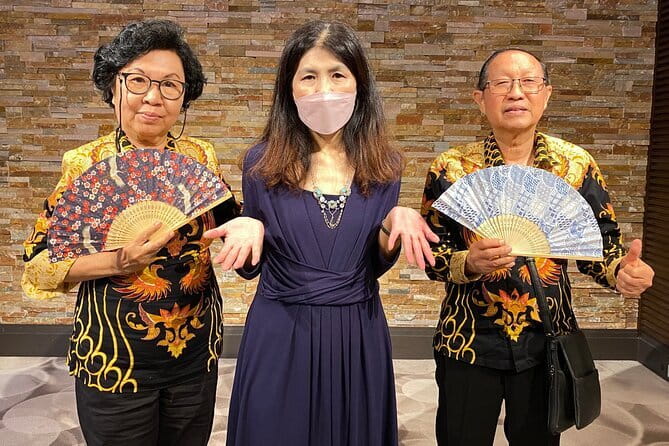
You don’t have to draw someone complicated. You can pick a character or create your own original piece. The class helps you develop your idea into something you can actually finish in three hours.
A big practical win here is that you’re guided on composition, expressions, and poses. Those are the three things that make manga feel readable—especially if you’re trying to capture a strong emotion fast.
If you’re bringing a specific character, you’ll get support shaping the look in your own way. If you’re going original, you’ll get help forming a concept that’s clear enough to draw confidently.
This flexible format is why the workshop works for many skill levels. You can show up with fandom-ready inspiration or with a blank page, and you still leave with something completed.






Why the small-group size feels like real value
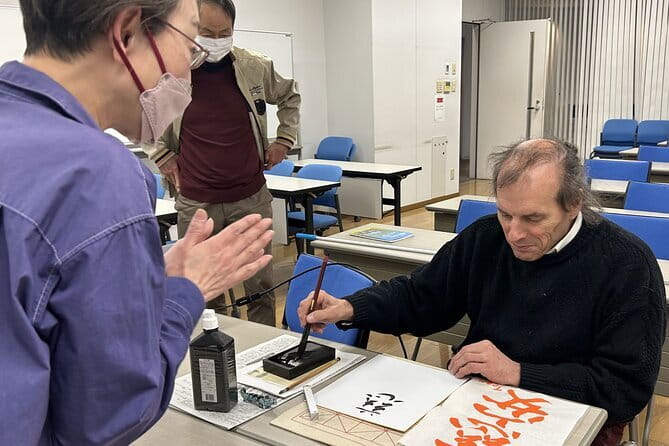
The group size is capped at 6 travelers, which makes a noticeable difference. You’re not just buying time and materials—you’re buying access to personal attention as you draw.
In a larger class, you can end up waiting for feedback while your sketch time keeps moving. Here, you get more time with the instructor’s eye, which helps you progress through sketching, inking, and shading without losing confidence.
Even if you’re nervous at the start, the pace is designed so you can follow along. The tools are provided, and the instruction is step-by-step, so you can focus on drawing instead of prepping supplies.
And because the workshop is small, the atmosphere tends to feel friendly. That’s the kind of setting where it’s easier to ask questions about techniques, tool use, or how to improve a specific part of your character.
Price and what you actually get for $100

The price is $100 per person for about 3 hours, and that can feel reasonable once you look at what’s included. You get tools and materials, plus drinks and snacks, so you’re not quietly adding extra costs for art supplies.
More importantly, you’re paying for instruction by a professional manga artist and close help during the process. In Tokyo, a lot of experiences charge more for less hands-on time, so this workshop is good value if you want to take home something you personally created.
Also, the workshop has timing options—morning, afternoon, or evening classes. That flexibility matters for value too. You can pick a slot that fits your day instead of building your whole itinerary around one rigid plan.
If you’re an avid fan of manga art and you want a hands-on souvenir, this feels like money well spent. If your main goal is social time or sightseeing, you might prefer something else.
What’s included, what to bring, and how to prep fast
Included is straightforward: tools/materials, plus drinks and snacks. You don’t need to bring art gear, which is a relief when you’re traveling light.
What you should bring is your plan. Decide in advance whether you’ll draw a specific character or go original. If you can bring a couple of reference ideas (even just in your phone), you can get started quickly once the class begins.
Comfort also matters. Drawing can take concentration, so wear something you can sit in comfortably for a couple hours. And if you’re sensitive to mistakes, give yourself permission to learn in real time—this workshop is built for beginners.
Transportation isn’t included, so plan your own route. Since the meeting place is near public transport, this is usually easy to manage without a private taxi.
The take-home souvenir: your finished manga piece
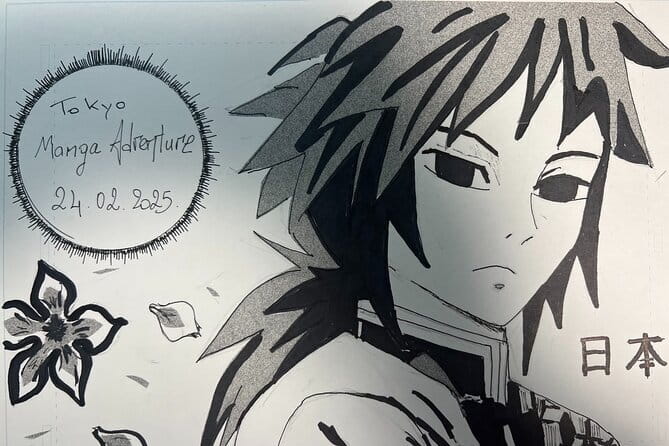
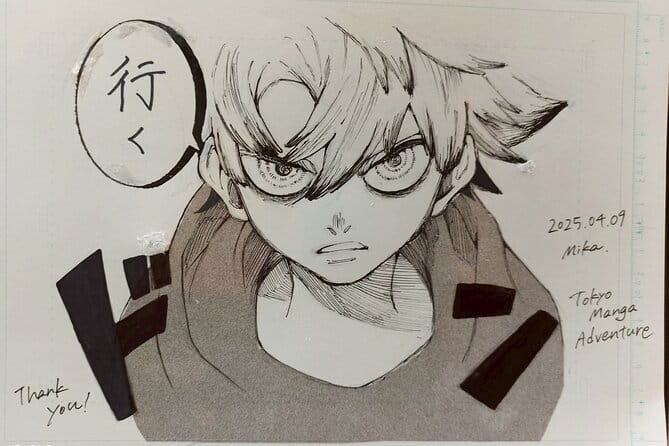
At the end, you bring your completed artwork home. That’s the main reason this class works as a souvenir. You’re not buying a postcard version of manga culture. You created something in the style, using the steps, guided by a pro.
Your finished piece becomes a reminder you can actually use—frame it, store it carefully, or gift it to a fellow manga fan. Even if your first draft isn’t perfect, the value is that you’ll understand what you did and why it looks manga-styled.
You’ll also have the confidence of knowing the process: planning, sketching, inking, then shading for depth. That knowledge sticks, and it makes future drawing attempts feel less random.
Should you book this Tokyo manga drawing experience?
Book it if you want a hands-on cultural experience that doesn’t require talent or prior training. The small-group format, step-by-step approach, and the focus on real manga techniques make this a smart choice for beginners and fans alike.
Skip it if you want a sightseeing tour or you’re hoping for a passive activity. This workshop is all about your drawing time, not watching other people do the work.
If you can, book early. On average it’s booked about 28 days in advance, and with limited group size, popular times can fill.
You’ll get the most out of it when you show up curious, ready to ask questions, and open to learning manga-style composition and expressions in a practical way.
FAQ
How long is the Tokyo Manga Drawing Experience?
The workshop lasts about 3 hours.
Do I need any drawing experience to join?
No. The class is designed for beginners, and all instructions and tools are provided.
How many people are in the group?
The workshop has a maximum of 6 travelers.
What’s included in the price?
Tools and materials are provided, and the experience includes drinks and snacks.
What times are available?
You can choose from morning, afternoon, or evening classes.
Where do I meet for the workshop?
The meeting point is at Lawson, 1-chōme-16-3 Hiroo, Shibuya, Tokyo 150-0012, Japan.
Is transportation included?
No private transportation is included, so you’ll need to get there on your own.
Does it end at the meeting point?
Yes, the activity ends back at the meeting point.