REVIEW · TOKYO
Old Town Tokyo Food Tour
Book on Viator →Operated by Arigato Japan KK · Bookable on Viator
Yanaka feels like Tokyo’s slow exhale. This Old Town Tokyo Food Tour takes you through Yanaka’s historic lanes, temple stops, and local snack culture in a small group. I love the way the tour stitches food and place together, and I also like that you get a proper lunch plus a wagashi and tea experience, not just a few bites. One thing to plan for: you’ll be walking for about 3.5 hours, so comfy shoes and a moderate pace matter.
A major reason this works is the focus: you’re in one neighborhood—Yanaka (Yanesen)—and the guiding stays local and practical. You’ll sample street food style tastes at multiple stops, then settle into a teishoku meal with regional specialties from Kyushu. The possible drawback is simple: at $231 per person, you’re paying for a guided, included-food experience. If you mostly want independent wandering with zero structure, this may feel a bit “planned.”
In This Review
- Key highlights I’d circle on your shortlist
- Yanaka at walking speed: why this old-town area feels special
- Coffee Room Renoir Nippori Yanaka: the easy start and quick orientation
- Temples and stairways: Tennō-ji, Kyōōji Temple, and Yūyake Dandan
- Yanaka Ginza and the snack-and-story shop stops
- Cemetery Park and Okakura Tenshin Memorial Park: quiet views between bites
- Wagashi and tea: the cultural stop that makes it feel more than food
- Kyushu teishoku lunch: a real meal, not just a snack
- How the route stays affordable in practice (even if the sticker price is high)
- Who should book this tour—and who might want a different plan
- Should you book Old Town Tokyo Food Tour?
- FAQ
- How long is the Old Town Tokyo Food Tour?
- What’s included in the tour price?
- Where does the tour start, and what time does it begin?
- Is this tour family-friendly?
- Can you accommodate vegan, vegetarian, or gluten-free diets?
- What happens if weather is poor or I need to cancel?
Key highlights I’d circle on your shortlist
- Small group (max 10) with a local English-speaking guide, so you’re not stuck behind anyone
- 6 food stops plus lunch, so the price isn’t just “a guide walking with you”
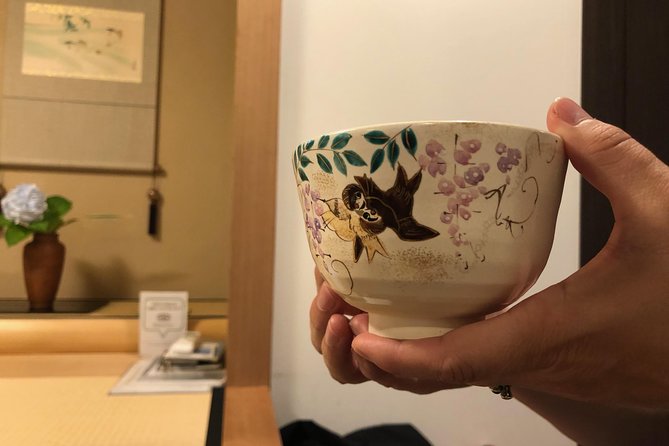
- Wagashi and tea experience, giving you a cultural moment between the snacks
- Yanaka old-town route through temples and quiet parks tied to Tokyo’s older neighborhoods
- Teishoku lunch featuring Kyushu specialties, so it’s not only local Tokyo food
- Diet-friendly approach (vegan/vegetarian/pescetarian/gluten-free friendly)
Yanaka at walking speed: why this old-town area feels special
Yanaka is one of those districts where Tokyo doesn’t feel like a single image. It’s shaped by older street layouts, older temple presences, and smaller neighborhood rhythms that are easy to miss when you only chase the big-name sights.
What I like about this tour is that it’s built around how Yanaka is experienced. You start with a neighborhood café-style meet-up, then shift into a walking route that mixes practical photo moments with food breaks. You get architecture and street texture, but you also get a reason to keep moving—each stop feeds into the next.
This isn’t a tour that tries to cram every famous landmark into a tight timeline. Instead, it keeps you in the same “world,” with pauses for wagashi/tea, a full lunch, and multiple snack stops. That pacing makes the neighborhood feel more human.
You can also read our reviews of more food & drink experiences in Tokyo



Coffee Room Renoir Nippori Yanaka: the easy start and quick orientation
Your morning begins at Coffee Room Renoir Nippori Yanaka at 10:30 am. The guide meets you there and you’re off. Even if you’re arriving from elsewhere, meeting in a clear, named spot like this helps you get your bearings fast.
The value of starting with coffee here is that it sets the tone: this is a food tour, not just a sightseeing walk. You’re not expected to sprint. You’re also not stuck guessing when the first tasting happens—the tour is structured so you build momentum from the beginning.
From a practical standpoint, I’d treat the first stop as your mental warm-up. Use it to check your energy level, refill water if you need it, and decide how hungry you’ll be for lunch later. With 6 food stops total, you’ll want to pace your appetite.
Temples and stairways: Tennō-ji, Kyōōji Temple, and Yūyake Dandan
After you get rolling, the route threads through key old-town settings, including Tennō-ji and Kyōōji Temple, plus Yūyake Dandan. Even without a “shopping cart list” of what to see, these stops do something important: they anchor the food experience in the neighborhood’s longer rhythm.
Here’s what tends to make temple-area walks worth your time:
- The atmosphere changes as you move from street-level shops into temple grounds and back out again.
- You get a sense of continuity—how these spaces remain part of everyday neighborhood life.
- The guide can connect what you’re tasting and the architecture you’re passing, so the walk feels connected rather than random.
Tennō-ji and Kyōōji Temple are the kind of stops where you’ll likely appreciate the calm and detail: paths, gates, and the way the grounds create a buffer from the surrounding city. Yūyake Dandan is different in feel—more street and slope energy. It’s the sort of place where old Tokyo looks visibly “older,” which is exactly the contrast you want on a food tour. You’re eating, yes, but you’re also learning how this part of Tokyo looks and moves.
One planning note: temple and stair/slope sections are part of the overall walking time. This tour rates you as moderate physical fitness, so bring shoes you can trust on uneven pavement and steps.
Yanaka Ginza and the snack-and-story shop stops
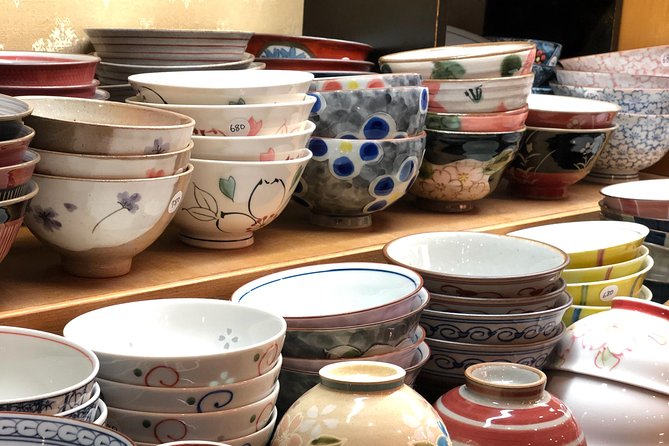
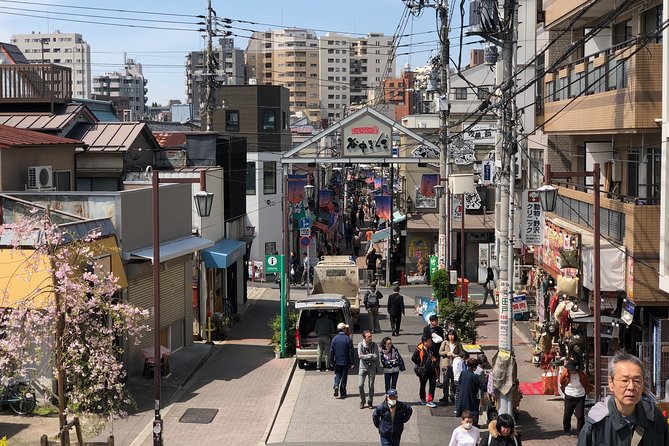
Then you’ll move into Yanaka Ginza, a classic small-shopping street with history and the kind of storefronts that feel made for wandering. This is where your tour leans hard into the “food tour” part of the deal.
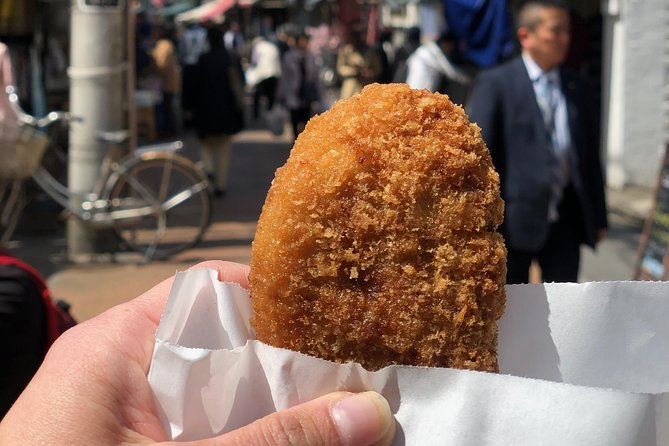
Yanaka Ginza works well on foot because it’s built for slow strolling. You’ll get time to visit small shops with history, and you’ll be able to taste local specialties during the walk. Since the tour includes dishes and drinks at 6 food stops, Yanaka Ginza is likely one of your bigger tasting stretches—meaning you should expect to nibble steadily rather than saving everything for lunch.
What I think makes this section especially worthwhile is that “old-town shopping street” isn’t just about buying souvenirs. The tour gives you a guided reason to stop, sample, and ask questions, so you’re not just eating without context.
Also, this is your moment to think about shopping time. The tour includes shopping time, and Yanaka Ginza is an ideal place to use it—especially for smaller items that won’t feel like dead weight in your bag.
Cemetery Park and Okakura Tenshin Memorial Park: quiet views between bites
Later, the route takes you to Yanaka Cemetery Park and Okakura Tenshin Memorial Park. This is a key shift in tone. You go from snack streets into calmer, open spaces.
I like this balance. A food tour can easily become all “taste, taste, taste” with no reset. These parks give you a mental pause so you can actually notice the neighborhood layout, the walk’s longer sight lines, and the sense of space that’s harder to feel in busy shopping streets.
If you like photography, this is a good area to slow down. If you like culture, it’s where you can feel Tokyo’s relationship with older memorial spaces and how they fit into daily neighborhood life. And if you’re just hungry, you still benefit—because taking a short breath before lunch or after snack stops helps you enjoy the flavors instead of eating on autopilot.
You can also read our reviews of more tours and experiences in Tokyo



Wagashi and tea: the cultural stop that makes it feel more than food
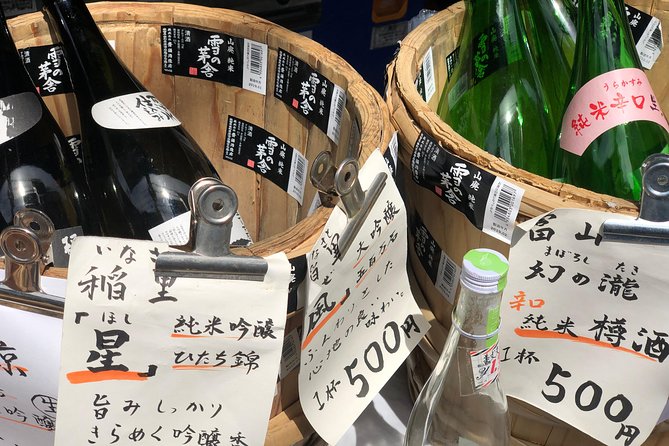
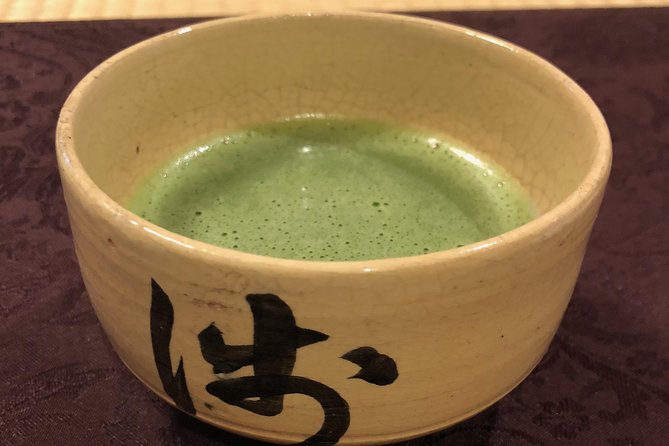
A highlight here is the wagashi and tea experience, included in the tour. This is one of those add-ons that often turns a “walking food tasting” into a “walk, taste, and learn.”
From what’s been praised, the tea ceremony is a core moment. In feedback, guides—such as Sandra, who’s specifically mentioned for doing a fantastic tea ceremony—are credited with keeping it engaging and well explained. That matters, because tea ceremonies can either feel like a scripted show or like an experience you understand. With a good guide, you get more than the ritual—you get the context for why the sweets, the timing, and the pacing matter.
If you’re considering how this fits into the day: expect the sweets element to complement your other tastes. It won’t replace the lunch, but it adds a different texture and sweetness profile. It’s also an excellent “sit-down” break in the middle of the walk.
Kyushu teishoku lunch: a real meal, not just a snack
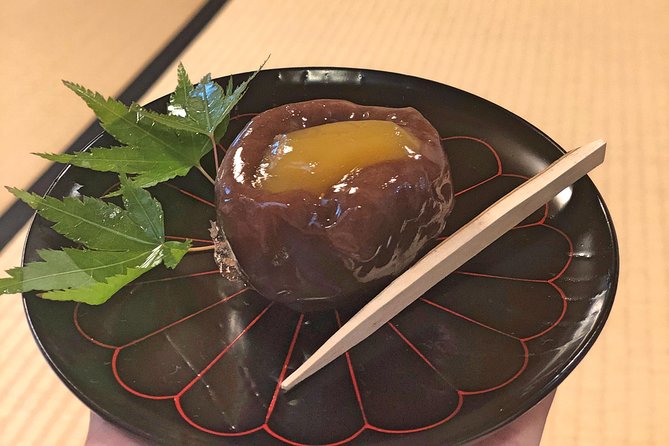
You’ll also enjoy a teishoku lunch in a restaurant, and the tour notes that the meal features regional specialties from Kyushu Island. That’s a smart choice for a Tokyo neighborhood tour: it widens your food perspective without leaving the theme of Japanese regional variety.
Teishoku-style meals generally help you reset your appetite in a good way: structured portions, multiple components, and a served meal that feels like an actual lunch. With six food stops plus street snacks, the lunch is what keeps you from turning the day into constant nibbling.
What’s especially valuable is that the lunch is included. That means you can focus on the experience rather than calculating whether you should pay extra later. It also makes the tour easier to compare against cheaper options: here, you’re paying for meals and guided tastings built into the schedule.
Dietary notes: the tour is listed as vegan, vegetarian, pescetarian, gluten-free friendly. You’ll still want to mention your needs at booking, but it’s a comfort to know the program is prepared to handle adjustments rather than forcing you to skip the food portion.
How the route stays affordable in practice (even if the sticker price is high)
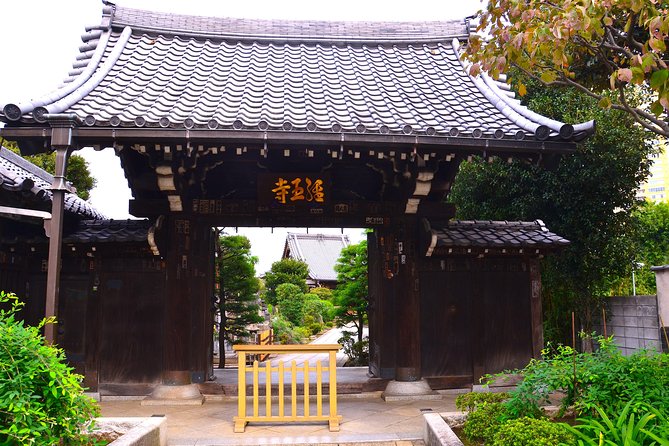
At $231 per person, this isn’t a “cheap eats” DIY route. But the pricing looks more reasonable when you look at what’s included:
- Local English-speaking guide
- Dishes and drinks at 6 food stops
- Lunch in a restaurant
- Wagashi and tea experience
- Shopping time
That’s the key: you’re paying for food moments plus guidance that helps you understand what you’re tasting and why the neighborhood matters. If you were to recreate this on your own, you’d spend time finding places, guessing what to order, and figuring out how to structure a day in one small area without wasting half your time in transit.
Not included are things you should budget for: transportation costs, hotel pickup/drop-off, and any additional drinks or food beyond what’s scheduled. So the “real cost” for you depends on how you’re getting around Tokyo, and how snack-heavy you like to be outside the provided stops.
Group size is also part of the value equation. With a maximum of 10 travelers, the guide can keep things organized at food stops without turning the day into a slow-moving crowd.
Who should book this tour—and who might want a different plan
This tour is a strong fit if you want:
- an old-town Tokyo walk that’s anchored in one neighborhood
- guided tastings and an included lunch (so you aren’t constantly deciding where to eat)
- a mix of street snacks, temple-area scenery, and calmer park breaks
- a cultural moment through tea and wagashi
It may be less ideal if you:
- prefer to design your own food schedule with no group structure
- are looking for purely big-ticket sights with minimal walking
- dislike any walking on uneven streets and steps (the tour calls for moderate physical fitness)
Because it’s family-friendly and includes kid rules (children must be accompanied; extra documentation is mentioned for kids 10+), it can work for mixed ages, as long as the group pace is comfortable for everyone.
Should you book Old Town Tokyo Food Tour?
I’d book this if you like the idea of eating your way through Yanaka instead of just sightseeing it. The combination of temple-and-park atmosphere, guided snack stops, an included Kyushu teishoku lunch, and the wagashi and tea ceremony makes the day feel full without turning into chaos.
Before you commit, check two things: your comfort with walking for about 3 hours 30 minutes, and your food needs (vegan/vegetarian/pescetarian/gluten-free options are supported). If that lines up, this is a high-value way to experience one of Tokyo’s older neighborhoods with less guesswork and more context.
If you’re the type who enjoys small streets, quiet corners, and meals that feel like you actually sat down to eat—this tour fits your style.
FAQ
How long is the Old Town Tokyo Food Tour?
It lasts about 3 hours 30 minutes.
What’s included in the tour price?
The tour includes a wagashi and tea experience, dishes and drinks at 6 food stops, lunch in a restaurant, and shopping time, plus a local English-speaking guide.
Where does the tour start, and what time does it begin?
It starts at Coffee Room Renoir Nippori Yanaka in Yanaka (Taito City) and begins at 10:30 am.
Is this tour family-friendly?
Yes. It’s described as family-friendly, and children must be accompanied by an adult. The tour also notes that for kids 10 and above, a copy of passport information is required.
Can you accommodate vegan, vegetarian, or gluten-free diets?
The tour is listed as vegan, vegetarian, pescetarian, and gluten-free friendly.
What happens if weather is poor or I need to cancel?
The tour requires good weather. If it’s canceled due to poor weather, you’ll be offered a different date or a full refund. You can also cancel for a full refund up to 24 hours before the experience start time.