REVIEW · TOKYO
Samurai Guide Sho’s Mt. Takao Hike, Temple & Onsen from Shinjuku
Book on Viator →Operated by Discover Western Tokyo · Bookable on Viator
Samurai training starts in Shinjuku. This Tokyo day trip turns rail chaos into an orderly plan, with Samurai Guide Sho steering your Suica rides and transfers before you climb Mt. Takao like you mean it.
I love the calm small-group feel (max 5) and the way Sho keeps things moving without rushing, adjusting the pace as conditions change. I also love the summit payoff routine: a shot at Mt. Fuji views, Yakuo-in Temple time, then a relaxing onsen finish.
One catch to plan for: the tour price is not the whole budget. You’ll still pay train fare, lift, and onsen admission on the ground, and the hot spring is age-restricted.
In This Review
- Key things I’d circle before you go
- Suica Penguin meets Samurai Sho: starting in Shinjuku without stress
- The “iron horse” ride to Takaosanguchi: smooth transfers you can actually feel
- Mt. Takao waterfall training route: what the hike feels like
- A quick reality check on difficulty
- Ōmiharashidai viewpoint: the Mt. Fuji moment you might get
- Yakuo-in Yuki-ji Temple: more than a photo stop
- Chairlift descent vs walking down: keeping your energy for the onsen
- TAKAO36SAUNA tattoo-friendly onsen: the payoff you can control
- Alcohol and age rules
- Food, mountain snacks, and craft beer after you earn them
- Value and cost: what you’re really paying for
- Timing that works for real life: back in Shinjuku around 5 pm
- Weather and crowd changes: how the plan adapts
- What to bring (and what you can leave home)
- Who should book this Mt. Takao day trip
- Should you book Samurai Guide Sho’s Mt. Takao hike?
- FAQ
- Where do we meet, and what time does the tour start?
- Do I need hiking gear for Mt. Takao?
- What costs are not included in the $117.27 price?
- Is the hot spring tattoo-friendly, and do I have to bathe?
- How does the tour handle Mt. Fuji views?
- What happens if there’s heavy rain or heavy crowds?
Key things I’d circle before you go
- Suica + Shinjuku maze help: Sho handles ticketing, transfers, and even delay rerouting.
- A real training-style climb: about 1.5 hours uphill on the monk training route with a waterfall.
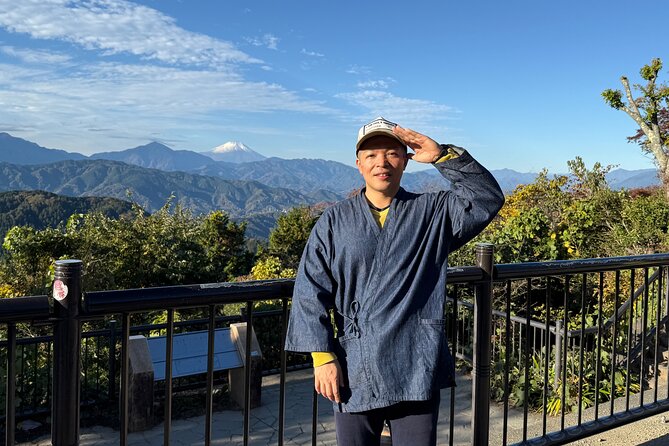
- Mt. Fuji is a weather bonus: you might see it from Ōmiharashidai on clear days.
- Yakuo-in Temple with prayer guidance: learn simple etiquette and snack on dango and matcha ice cream.
- TAKAO36SAUNA onsen for tattoos: plus 2 towels included, and craft beer for age 20+.
- Return to Shinjuku by ~5:00 pm: built for an evening in the city.
Suica Penguin meets Samurai Sho: starting in Shinjuku without stress
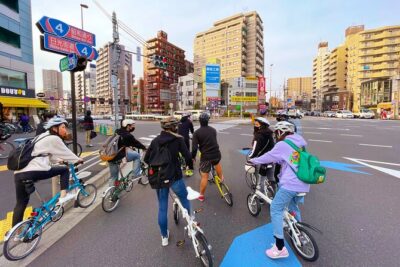
This tour starts at the Suica Penguin statue area in Shinjuku (New South Gate side), right around 9:30 am. If Shinjuku makes you feel like you need a map and a snack just to stand still, you’re in the right place. Sho begins by getting everyone oriented at the meeting point, then moves you toward the correct station exits and train steps.
What makes this part valuable is not just convenience. Shinjuku is a maze, and small timing mistakes can cascade fast. With a rail professional handling where to walk and which train to take, you get to spend your energy on the day instead of fighting crowds at platform level.
And yes, the Suica Penguin meeting point is a fun little Tokyo wink. It’s easy to spot, and it gives you a concrete “we’re here” moment before the city swallows you.
You can also read our reviews of more guided tours in Tokyo
The “iron horse” ride to Takaosanguchi: smooth transfers you can actually feel
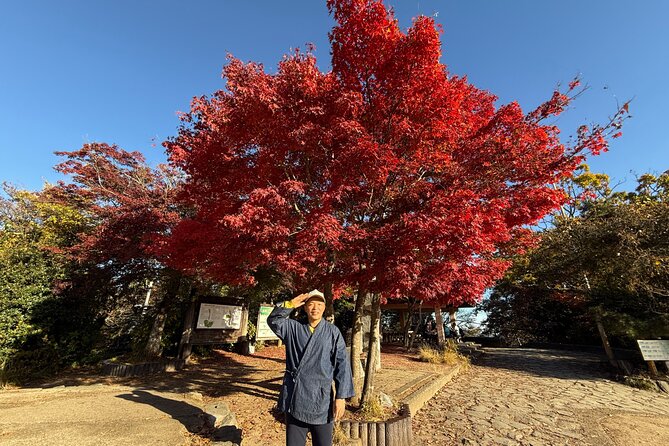
From Shinjuku, you ride the train toward Takaosanguchi Station for about an hour to reach the Mt. Takao side of town. The tour is designed around rail timing, so Sho helps with ticketing and using Suica in the real world, not just theory.
Two practical benefits matter here:
- Route adjustments if trains are delayed or suspended. Sho provides instant rerouting so you don’t get stuck waiting with a dead-end platform.
- Transfers done for you. You’re not decoding platform numbers while juggling a daypack and a growing sense of urgency.
Plan on paying the train fare separately (round-trip Shinjuku ⇄ Takaosanguchi is listed at ¥1,000). But because Sho is doing the navigation work, that cost feels like a small price for peace of mind.
Mt. Takao waterfall training route: what the hike feels like
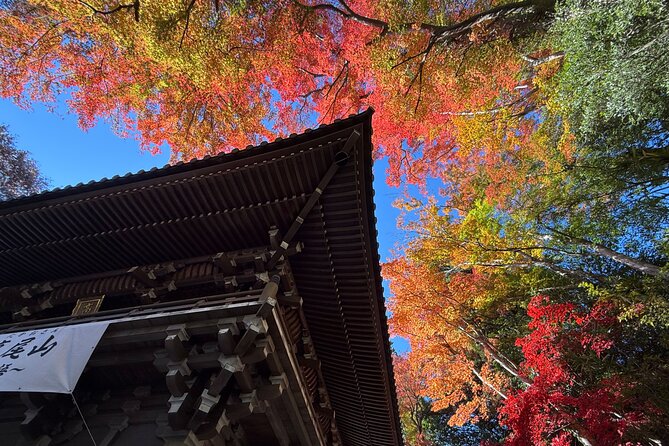
The main action begins at the mountain trail entrance. You’ll do about 1.5 hours of uphill hiking on a course that follows a path historically used for monk training, with a waterfall training path vibe along the way.
This isn’t pitched as a “gear required” expedition. The tour specifically says you don’t need hiking gear—sneakers are fine. Still, treat it like a real climb. Expect steady uphill effort, and wear comfortable shoes you’ve already broken in.
What I like about this approach is the pacing style. Sho is not just walking in front; they manage the pace with the group’s condition in mind, and they’ll adjust routes when crowds pick up. That matters on Mt. Takao because the experience changes depending on how busy the trails are that day.
A quick reality check on difficulty
The tour is aimed at people with moderate physical fitness. If you’re comfortable walking for long stretches and handling an uphill climb without needing breaks every five minutes, you’ll be fine. If you’re very mobility-limited, you might find the uphill section challenging, even though the group size is small.
Ōmiharashidai viewpoint: the Mt. Fuji moment you might get
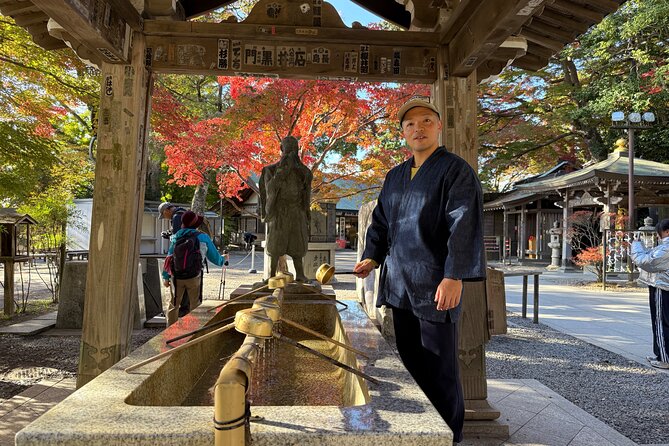
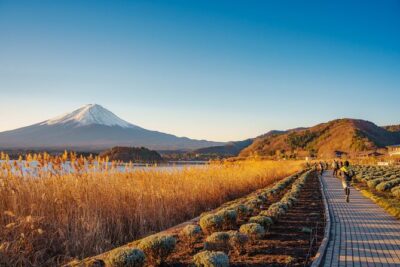
After the climb, you reach Ōmiharashidai Viewpoint. This is where the day can deliver a postcard reward: if conditions are clear, you may see Mt. Fuji from the summit area.
Even when Fuji isn’t visible, the viewpoint time is still worth it. You get about 30 minutes to take in the mountain air, and you’ll also get a local snack while the wind does what wind does.
This is the part I think many people underestimate. The summit pause turns the hike into a memory-making window, not just sweat and stairs. But it’s also weather-dependent, so don’t build your whole day around a single view.
You can also read our reviews of more hiking tours in Tokyo
Yakuo-in Yuki-ji Temple: more than a photo stop
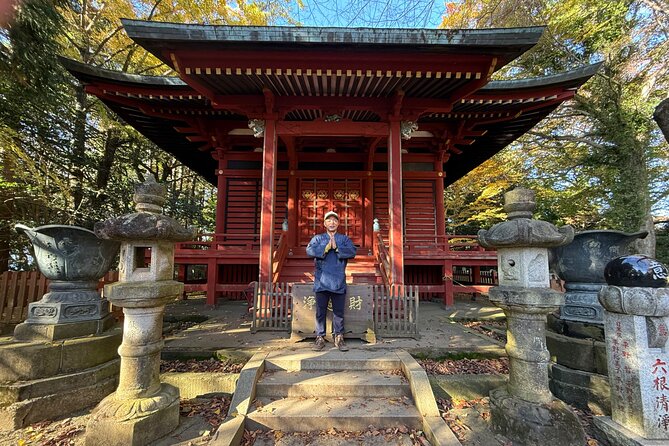
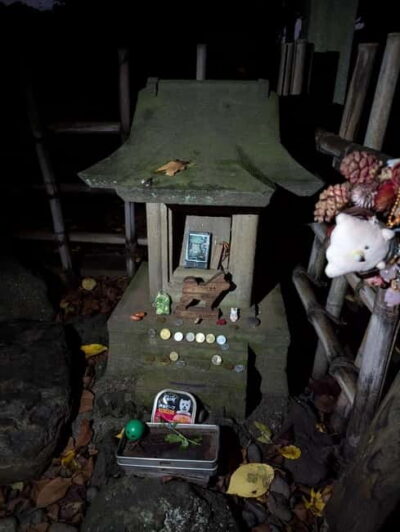
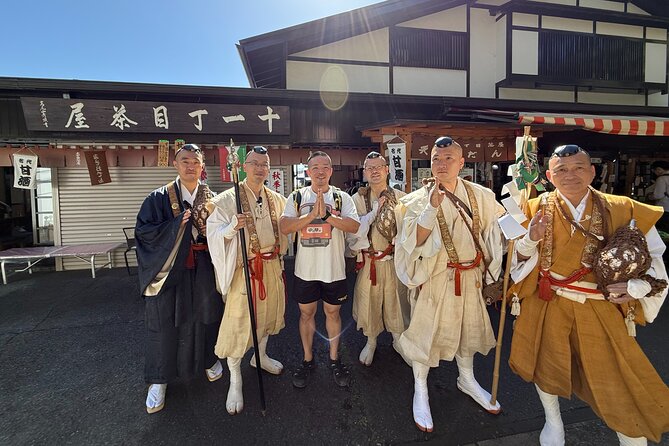
You then head to Takaosan Yakuo-in Yuki-ji Temple, with around 30 minutes on site. This is where Sho’s role shifts from trail guide to cultural guide—explaining temple customs and helping you follow the flow of prayer.
What you can expect here:
- A guided moment of gratitude/prayer etiquette
- Time to experience the temple atmosphere without feeling rushed
- Temple-area sweets like dango and matcha ice cream
A small but useful tip: the tour notes that some shops inside the Yakuo-in Temple grounds may accept cash only. So bring some yen. It’s a classic Tokyo detail that can save you from a disappointing snack moment.
Chairlift descent vs walking down: keeping your energy for the onsen
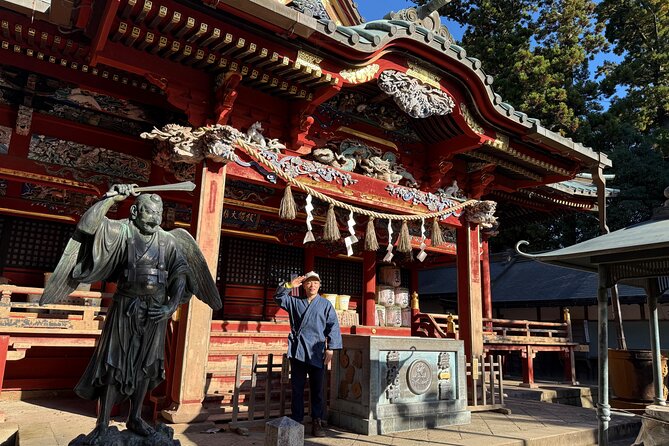
Next comes the descent. Normally, you take a chairlift down (listed at ¥490 for the lift fee, and it’s not included). The ride is about 20 minutes.
But Mt. Takao has crowd rhythms, and the tour accounts for that. If the chairlift is crowded, the descent may switch to about a 30-minute walk instead. In busy seasons—autumn leaves or cherry blossom time—the plan can change further, with a relaxed walk down via Trail No. 1 for about 30–40 minutes.
That flexibility is exactly what you want. You get the benefit of the lift when it works, and you don’t get trapped waiting when it doesn’t.
TAKAO36SAUNA tattoo-friendly onsen: the payoff you can control
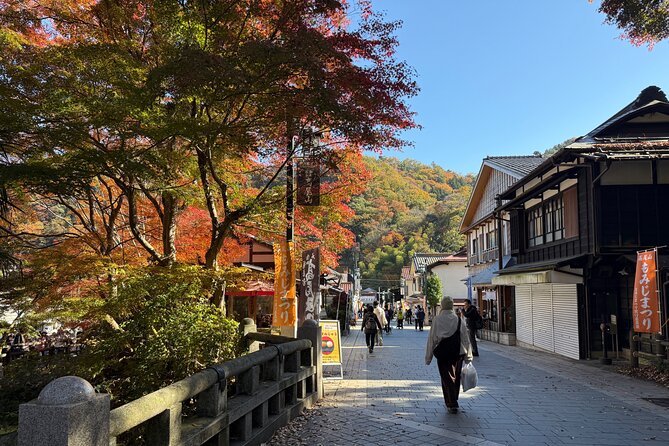
After the mountain, you head to TAKAO36SAUNA for a tattoo-friendly hot spring experience. You’ll have about 1.5 hours here, including time for the bath and the post-hike reward meal.
Two big facts make this onsen stop stand out in practical ways:
- Towels are included (2 towels). The tour also emphasizes you don’t need to bring towels or extra onsen essentials. That’s one less thing to carry from Shinjuku.
- Tattoo policy is handled. The hot spring is described as tattoo-friendly. That’s huge if you’ve ever had to skip baths in Japan due to ink.
The tour also notes the hot spring is optional. If you don’t want to bathe, you can relax or enjoy meals at the facility.
Alcohol and age rules
Craft beer is part of the reward, but there’s a clear limit: craft beer is only available for age 20+. If you’re under 20, you’ll still get the onsen and meals, but don’t plan on beer.
And one more age-based point: the hot spring visit follows 18+ eligibility due to hot spring policies. If you’re traveling with younger people, this tour may not fit.
Food, mountain snacks, and craft beer after you earn them
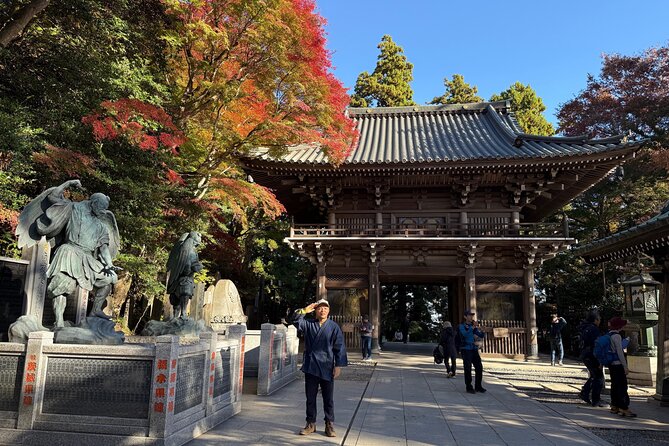
Food is baked into the flow so you’re not wandering around hungry at the mercy of whatever restaurant line looks shortest.
On the mountain, you’ll have:
- A snack at the Ōmiharashidai viewpoint (timed to the summit pause)
- Temple-area sweets like dango and matcha ice cream
- Local dishes after the hike, plus draft craft beer as part of the reward
The tour notes that either the hot spring or dining portion can be where you’ll receive the beer and dishes, depending on conditions. Either way, the logic is consistent: eat after the climb, then cool down properly.
For budgeting, plan on personal food and drink expenses that aren’t specifically covered by the tour. The tour price includes the guide and support, but drinks and extra purchases beyond the described reward are still on you.
Value and cost: what you’re really paying for
At $117.27 per person, this isn’t a “cheap and cheerful” Mt. Takao hike. But you’re not just buying access to a trail. You’re paying for:
- Railway pro navigation through Shinjuku’s maze
- Ticket and Suica support
- Delay support and rerouting
- Mt. Takao route guidance designed to reduce crowded-trail pain
- On-mountain help with food spots and hot spring etiquette
Then you still pay separate on-the-ground costs:
- Train fare: ¥1,000 round trip
- Chairlift: ¥490 (if used)
- Onsen admission: ¥1,800
That means the true day-trip cost depends on whether you take the chairlift and whether you treat the onsen as the main destination. Still, in my book, paying for someone to handle Shinjuku logistics is often worth it—especially if you’re traveling with limited Japanese or you want the day to feel smooth instead of stressful.
Also, maximum group size is 5 travelers, which helps explain why the guidance feels personal instead of scripted.
Timing that works for real life: back in Shinjuku around 5 pm
The tour runs 7 to 8 hours and ends back at the meeting point in Shinjuku around 5:00 pm. That’s important. It means you can plan an actual evening—dinner, a neighborhood stroll, or a second Tokyo stop—without feeling like the day disappears into a late return.
The schedule also starts with a reservation window: bookings are confirmed up to 7:00 am on the day. That can be a plus if you’re flexible and want your plan to respond to weather.
Weather and crowd changes: how the plan adapts
Mt. Takao is a weather-and-crowds magnet. This tour is realistic about that and gives you fallback options.
- Light rain: the tour still runs, though some mountain food facilities might close.
- Severe weather: hiking is canceled, and the itinerary shifts to a round-trip cable car ride, Yakuo-in Temple, and time at a nature-focused museum, plus the hot spring (if it’s open). The museum might also be closed depending on conditions.
- Crowds: if chairlift queues are brutal, the descent changes from chairlift to walking. During peak beauty seasons, you may walk down via Trail No. 1 at a relaxed pace.
This is the kind of structure that prevents the day from falling apart. You’re not stuck waiting with no plan. You get choices that keep you moving safely.
What to bring (and what you can leave home)
The tour emphasizes you don’t need hiking gear, and sneakers are okay. Still, bring practical basics:
- Comfortable shoes
- Drinking water and light snacks (recommended)
- Rain gear if rain is possible
- A change of clothes after the hot spring is recommended
Because the onsen provides two towels, you can pack lighter than most onsen days.
If you plan to buy temple snacks or small charm items at Yakuo-in, bring some cash, since some shops may accept cash only.
Who should book this Mt. Takao day trip
This tour is a great fit if you want:
- A guided Mt. Takao hike from Shinjuku without worrying about station navigation
- A slower, training-style climb where pace is managed for the group
- Temple time that includes practical prayer etiquette, not just a stop-and-snap
- A tattoo-friendly onsen finish with craft beer as a bonus
It might not be the best match if you:
- Hate uphill walking at all (there is an uphill segment)
- Need a fully guaranteed chairlift descent (it can switch to walking)
- Are traveling with someone under 18 for the hot spring part
Should you book Samurai Guide Sho’s Mt. Takao hike?
If you’re the kind of traveler who values a day that runs clean—from Shinjuku station to a relaxed onsen—then I’d book it. The strongest reason is Sho’s rail-and-route handling: you get a smooth start, flexible trail decisions, and a confident return.
I’d also book it if Mt. Takao appeals to you but the idea of navigating Shinjuku on your own makes you nervous. This is exactly the kind of Tokyo day trip where guidance turns effort into enjoyment.
Just budget for the on-the-ground costs (train, lift, onsen), and you’ll be set for a satisfying mix of mountain, temple culture, and hot-spring recovery.
FAQ
Where do we meet, and what time does the tour start?
You meet at the Suica Penguin statue near Shinjuku Station (5 Chome-24 Sendagaya, Shibuya, Tokyo). The tour starts at 9:30 am.
Do I need hiking gear for Mt. Takao?
No special hiking gear is required. The tour recommends comfortable shoes, and it specifically notes that sneakers are fine.
What costs are not included in the $117.27 price?
The tour price does not include the train fare (Shinjuku ⇄ Takaosanguchi round trip, listed as ¥1,000), the chairlift fee (listed as ¥490), or the onsen admission (listed as ¥1,800). Personal food and drink expenses are also not included.
Is the hot spring tattoo-friendly, and do I have to bathe?
Yes, the tour uses a tattoo-friendly hot spring. Entering the hot spring is optional; if you don’t bathe, you can relax or enjoy meals at the facility.
How does the tour handle Mt. Fuji views?
Mt. Fuji is only a possibility: if the weather is clear, you may see it from the summit viewpoint (Ōmiharashidai).
What happens if there’s heavy rain or heavy crowds?
For light rain, the tour operates, but some food facilities may close. For severe weather, hiking is canceled and the plan shifts to a round-trip cable car ride, a visit to Yakuo-in Temple, and time at a nature-focused museum, plus the hot spring. For heavy crowds, the chairlift descent can switch to a walking descent, including the possibility of walking down via Trail No. 1 during peak seasons.