REVIEW · TOKYO
Tokyo: Food Tour in Ueno with 10+ Tastings of Japanese Classics
Book on Viator →Operated by Secret Food Tours · Bookable on Viator
Ueno tastes better with a guide. In just 3.5 hours, you’ll sample Japanese classics like sushi, gyoza, and yakitori while a local English-speaking guide explains the neighborhood as you walk. I also like that the route can be adjusted to your tastes, so you’re not stuck doing the same checklist as everyone else; the main drawback is a fair amount of walking, plus the menu and order can change with weather and what’s available.
The plan pairs food with Ueno sights, from an indoor-outdoor market to the area under elevated train tracks (that under-the-girders vibe). You’ll also get a breather in Ueno Park and then visit both a Shinto shrine tied to Tokugawa Ieyasu and a Buddhist prayer center with calm grounds. On top of that, guides such as Harumi, Natsumi, Yumi, and Mari are repeatedly praised for staying upbeat and adding real context.
At $142 per person, this isn’t a cheap snack stop. But you’re getting 10+ tastings plus a draft beer, two kinds of tea, matcha ice cream, seasonal fruit, and even a secret dish—so a guide plus multiple servings is what you’re paying for. (This is also one of those tours that tends to sell ahead of time, with an average booking window around 46 days.)
In This Review
- Key Points You’ll Feel on the Walk
- Ueno in 3.5 Hours: Fast Food + Real Neighborhood Context
- Price and What’s Included: Are You Actually Getting Value?
- Meeting at Ueno Station and What the Pacing Feels Like
- Stop 1: Indoor-Outdoor Market Energy (Food, Gifts, and Quick Sightlines)
- Stop 2: Under the Elevated Tracks, or the Under-the-Girders Area
- Stop 3: Ueno Park Break (Cherry Blossoms, Even When It’s Not Spring)
- Stop 4: The Tokugawa Ieyasu Shinto Shrine Built in 1627
- Stop 5: Buddhist Worship Center with Tranquil Grounds
- The Tastings: What You Can Expect to Eat and Drink
- Your Guide Matters: How to Get the Most Out of a Small Group
- Weather and Menu Changes: Why That’s Not a Dealbreaker
- Should You Book This Ueno Food Tour?
- FAQ
- FAQ
- How long is the Tokyo Ueno food tour?
- Where does the tour start and end?
- What’s included in the tastings?
- Is there alcohol on the tour?
- Are there tea options for non-beer drinkers?
- Will the itinerary or menu always be the same?
- Does the tour accommodate dietary requirements?
- How big is the group?
- Is hotel pickup included?
- Do I need good weather to join?
Key Points You’ll Feel on the Walk
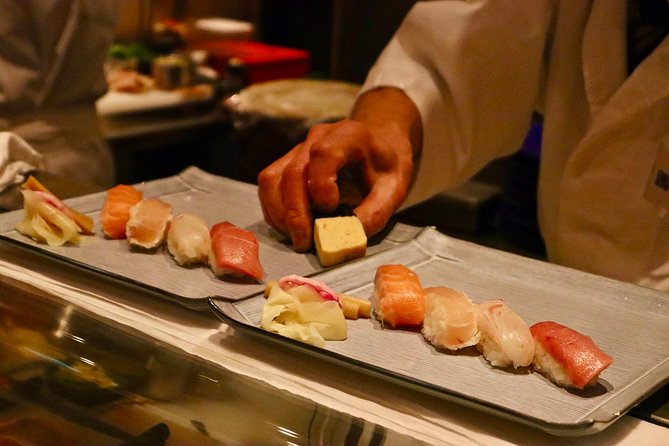
- 10+ tastings in a tight 3.5-hour route, including sushi, gyoza, yakitori, and matcha ice cream
- Ueno Park and two sacred sites: a Tokugawa-linked Shinto shrine and a Buddhist prayer center
- Small group size (max 15), which makes it easier to ask questions and swap quick tips
- Guide-led English help that handles the language barrier at food counters and markets
- Menu flexibility based on what’s available, with weather capable of changing the plan
Ueno in 3.5 Hours: Fast Food + Real Neighborhood Context
Ueno is one of Tokyo’s easiest districts to enjoy on foot. You get markets and everyday streets, and then you get the contrast of parks and temples without hopping across town for hours.
This tour is built for people who want a quick win: food first, then culture layered on top. I like that you’re not just tasting bites—you’re walking through places with purpose, like the under-the-tracks area locals know for its practical, working-city feel. And since the stops can be tailored to your tastes, you’re more likely to leave satisfied than stuffed on things you didn’t care about.
One more thing: this is rated extremely well, with a 4.9 average score and a 99% recommendation rate. That doesn’t mean every bite will be perfect for every palette, but it usually points to guide quality and smooth pacing.
You can also read our reviews of more food & drink experiences in Tokyo



Price and What’s Included: Are You Actually Getting Value?
Let’s talk money in plain terms. At $142 for about 3 hours 30 minutes, you’re paying for three things:
- A guided experience in a food-heavy area where language can slow you down
- Multiple tastings (10+), not just one or two snacks
- Drinks and desserts that would cost extra if you ordered them yourself
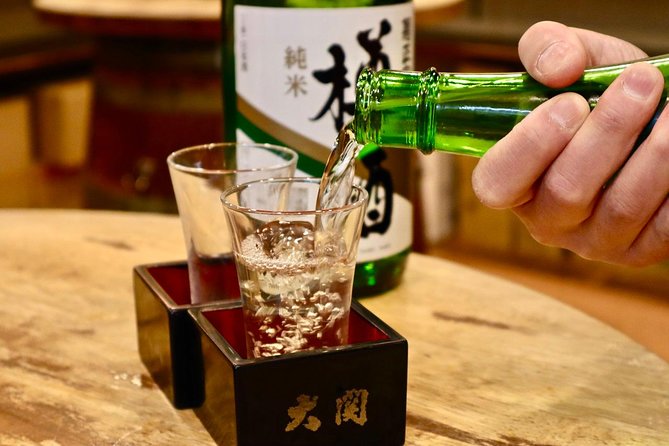
The included food list is the core of the value: fresh Japanese sushi, crispy gyoza, yakitori, seasonal fruit, and a traditional matcha ice cream. Then you also get two different types of tea, one draft beer, water, and a delicious secret dish you won’t see coming.
If you’ve only got a short window in Tokyo, that bundle matters. If you have a week and you love DIY restaurant-hunting, you might feel less thrilled by the price. That’s the trade-off: you’re buying convenience, ordering help, and access to spots you may not find on your own.
Meeting at Ueno Station and What the Pacing Feels Like
You’ll meet at Ueno Station (7 Chome-1, Taito City) and the tour ends back at the same spot. There’s no hotel pickup, so you’ll want to use public transit and plan to arrive a few minutes early.
This is a walk-forward style tour. It’s not a sit-down parade, and the info clearly says there’s a fair amount of walking. If you’re the type who hates long strolls in the middle of a meal, this part matters. If you’re okay with a brisk neighborhood pace, it’s a good match.
Also note: the menu and route can shift due to availability and weather. That’s normal for food tours in markets, but it’s worth keeping in mind when you’re planning the rest of your day.
Stop 1: Indoor-Outdoor Market Energy (Food, Gifts, and Quick Sightlines)
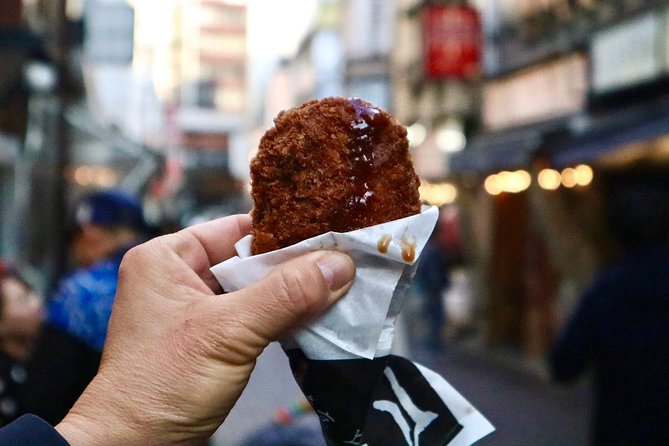
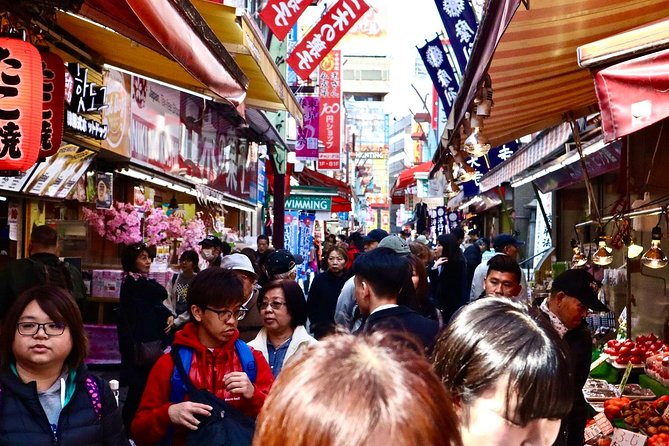
Your first stop is a popular indoor-outdoor market packed with shops selling everything from food and gifts to apparel. This is where the tour sets its tone: lots of choices, tight corners, and that Tokyo habit of grabbing something fast and excellent.
Why this stop is smart: markets give you the most variety in the shortest time. Even before the tastings start stacking up, you’ll see how daily life and commerce blend together. And because your guide is English-speaking, you’ll spend less time decoding signage and more time actually eating.
Potential drawback: markets can be busy. If you’re easily overwhelmed by crowds or narrow pathways, take it slowly and keep your expectations flexible.
Stop 2: Under the Elevated Tracks, or the Under-the-Girders Area
Next comes the area under elevated train tracks—often described with the Japanese phrase for under the girders. It’s a distinct kind of Tokyo street scene: more everyday than tourist, more functional than polished.
This is one of those stops that works as a cultural “bridge.” The guide can connect how food fits the rhythm of the neighborhood—quick meals, easy access, and the kind of shops locals rely on. It also gives you a contrast to the market area before you shift into parks and shrines.
Practical note: this kind of street segment is usually about walking and looking, not about lingering. Wear comfortable shoes and keep moving.
You can also read our reviews of more tours and experiences in Tokyo



Stop 3: Ueno Park Break (Cherry Blossoms, Even When It’s Not Spring)
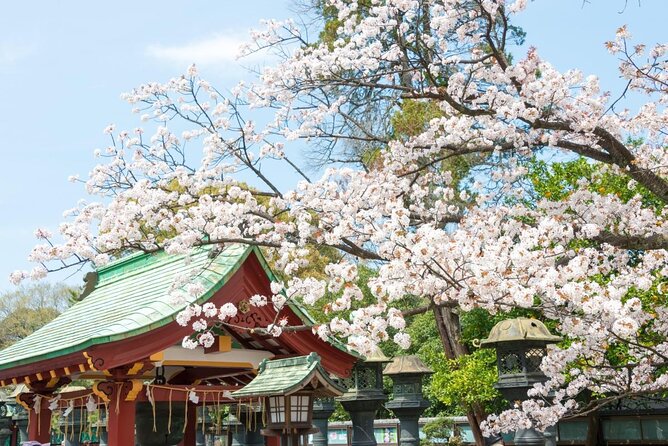
Then you’ll head to Ueno Park, a spacious public park in the Taitō area. In spring, it’s famous for cherry blossoms and hanami, but even outside peak season, it’s a useful reset. You go from crowds and storefronts into open space and calmer pacing.
Why this stop matters for a food tour: it keeps your appetite from turning into a total food coma. After multiple tastings, a park pause helps digestion and it gives your photos a breather too—without losing the cultural thread of Ueno.
If you’re visiting during blossom season, you may be reminded why people travel specifically for Ueno. If you aren’t, you still get the structure: food, then nature, then religious sites.
Stop 4: The Tokugawa Ieyasu Shinto Shrine Built in 1627

One of the most meaningful stops is a Shinto shrine dedicated in 1627 to remember Tokugawa Ieyasu, the founder of the Tokugawa Shogunate. This is not a quick “look and leave” kind of site. It’s a memory place, tied to a key chapter of Japan’s past.
For me, pairing a food tour with a shrine visit is a solid idea because it reminds you that Japanese culture isn’t only about what’s on the plate. Food, festivals, and seasonal rhythms connect back to places like this.
What to watch: shrines are active spiritual spaces. Keep your voice down and follow basic site etiquette. The guide will help you understand what you’re seeing.
Stop 5: Buddhist Worship Center with Tranquil Grounds
After the Shinto stop, you’ll visit a Buddhist worship and prayer center in revered surroundings, with tranquil landscaping. Even if you’re not a history buff, you’ll likely feel the change in mood. This stop slows the pace and lets the experience breathe after the busier street segments.
This part also balances the tour. The market and under-the-girders area are about daily life and practical eating. The religious sites are about reverence and reflection. Together, they make Ueno feel like a real place, not just a food stop.
The Tastings: What You Can Expect to Eat and Drink
The tour is built around 10+ tastings of Japanese classics, and the included list gives you a clear sense of what lands in your hand. Here’s what’s on the menu set (with some flexibility based on availability):
- Fresh Japanese sushi
- Crispy gyoza, a local favorite
- Yakitori, perfectly grilled Japanese skewered chicken
- Seasonal fresh fruits
- Matcha ice cream, traditional and creamy
- A secret dish (not disclosed until the day)
- Two different types of tea
- One draft beer, plus water
How this helps you: you’re not betting on one restaurant or one style of cooking. You get a mix of textures (crisp gyoza), flavors (grilled yakitori), and cool-down sweetness (matcha ice cream). Add tea and beer, and it becomes a full mini meal course-by-course.
Also, pay attention to your comfort level. This is the kind of tour where people tend to feel full by mid-route. If you want the best experience, skip a heavy breakfast and save room for the tastings.
Your Guide Matters: How to Get the Most Out of a Small Group
This tour has a maximum of 15 travelers. That’s big enough for energy, small enough for conversation. When the group stays small, it’s easier to ask questions about what you’re eating and why it’s paired with the area you’re in.
You’ll be with a local English-speaking guide, and that language support is part of the value. Food is easiest when you understand what it is and how to order it. The guide also tailors the itinerary according to your tastes, which is especially useful if you’re selective.
Based on the guide names you may see for this experience—Harumi, Natsumi, Yumi, and Mari—I’d expect a mix of upbeat storytelling plus practical tips for where to eat after the tour. If you care about food history or how dishes differ by region, this tour is set up to answer that sort of curiosity.
One caution: a single review note complains about not getting much food origin detail and mentions an issue with language fluency. That sounds like an exception, but it’s still a reason to go in with curiosity and ask direct questions if something isn’t clear.
Weather and Menu Changes: Why That’s Not a Dealbreaker
You should know this tour is weather-dependent. If conditions are poor, you’ll be offered a different date or a full refund. Also, the itinerary and menu can change due to availability and other circumstances.
To me, that’s not a red flag—it’s how food tours survive reality. Markets run on what’s fresh and what a shop can accommodate that day. The core promise remains: you’re guided through Ueno with multiple tastings and a culture-linked route.
If you’re visiting on a tight schedule, you’ll feel better if you book with some flexibility in your day plan.
Should You Book This Ueno Food Tour?
Book it if you want:
- A fast introduction to Ueno with food plus park and temple stops
- Multiple tastings (10+), including sushi, gyoza, yakitori, matcha ice cream, and drinks
- English support that helps you navigate markets without stress
- A small-group experience where conversation stays possible
Consider skipping or switching tours if:
- You hate walking and long stretches between stops
- You’re the type who prefers full DIY eating every day and is already set on your own restaurant plan
- You want deep explanations of every dish’s components and origin, because the tour’s focus is broader than that for most people
If you’re a first-timer in Japan or you only have limited time in Tokyo, this is an efficient way to eat well and learn where the food culture shows up in real neighborhoods.
FAQ
FAQ
How long is the Tokyo Ueno food tour?
It’s about 3 hours 30 minutes.
Where does the tour start and end?
You meet at Ueno Station (7 Chome-1, Taito City) and the tour ends back at the same meeting point.
What’s included in the tastings?
You’ll get fresh Japanese sushi, crispy gyoza, yakitori, seasonal fruits, matcha ice cream, two types of tea, one draft beer, water, and a secret dish. The tour is described as offering 10+ tastings.
Is there alcohol on the tour?
Yes. One draft beer is included.
Are there tea options for non-beer drinkers?
Yes. Two different types of tea are included.
Will the itinerary or menu always be the same?
No. The itinerary and menu can change based on locations’ availability, weather, and other circumstances.
Does the tour accommodate dietary requirements?
You should contact the provider in advance for dietary requirements so they can cater as best as possible.
How big is the group?
The maximum group size is 15 travelers.
Is hotel pickup included?
No. Hotel pickup and drop-off aren’t included.
Do I need good weather to join?
Yes. The experience requires good weather. If it’s canceled due to poor weather, you’ll be offered a different date or a full refund.