REVIEW · TOKYO
Tokyo: Dark Side of Tokyo Shinjuku Red Light Walking Tour
Book on GetYourGuide →Operated by Localized Walking & Food Tours · Bookable on GetYourGuide
Neon meets explanation on Shinjuku’s after-dark streets. You’ll follow your guide through Kabukicho and nearby LGBTQ nightlife areas, where the city’s neon grid is matched with straight talk about how Japanese nightlife works. It’s the kind of tour that makes the lights feel less random and more like a story.
I especially like the way the guide connects street scenes to real-world culture, with personable storytelling from guides like Gray and Loc. You’ll also get practical food and drink recommendations for after the walk, so you leave with places to try instead of just photos. One thing to plan for: the Shinjuku Station meeting point is easy to miss, and the tour notes you should not be late.
In This Review
- Key Highlights You’ll Care About
- Tokyo’s Nightlife, Without Guesswork: Why Shinjuku Works for a First Trip
- The 2-Hour Walk Plan: How the Timing Keeps You Oriented
- Starting at Shinjuku’s East Side: Your First 10 Minutes Matter
- Omoide Yokocho (Memory Lane): Small Lanes, Big Night Energy
- Kabukicho After Dark: The Neon Economy and the District’s Changing Face
- Golden Gai: Tiny Bars, Closer Conversations, Clearer Context
- Hanazono Shrine: A Quiet Pause Inside the Noise
- 2 Chome and the Finish: Getting Your Next Step Right
- Price and Value: What $29 Gets You in Shinjuku Time
- Safety, Rules, and Who This Tour Suits Best
- Should You Book This Tokyo Shinjuku Night Tour?
- FAQ
- How long is the Tokyo Shinjuku Red Light Walking Tour?
- How much does the tour cost?
- Where does the tour start?
- What stops are included on the walk?
- What languages are the tours offered in?
- Is alcohol or drugs allowed?
- Is the tour suitable for children?
- Is free cancellation available?
Key Highlights You’ll Care About
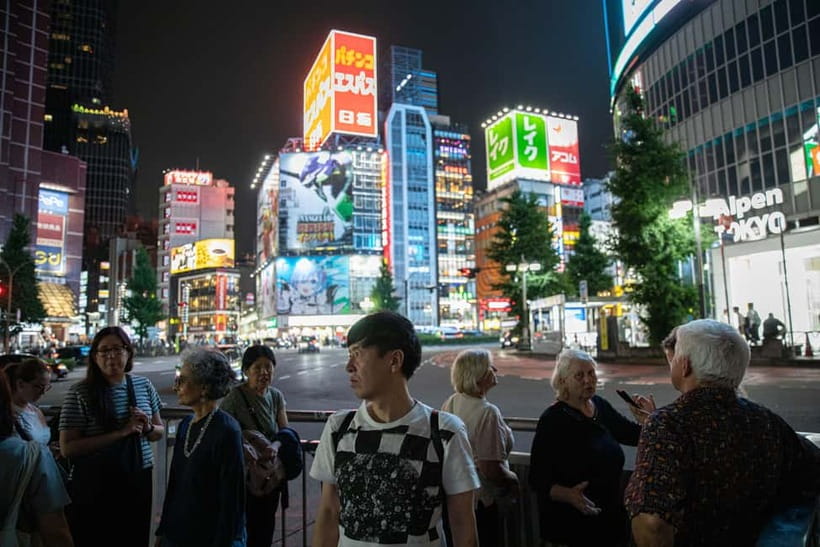
- Kabukicho after dark: long alley walks plus big-city sights from surrounding entertainment complexes
- Omoide Yokocho: tiny, narrow lanes that make it easy to understand why people hunt out this area
- Golden Gai: small-bar culture explained in a way that helps you know what you’re looking at
- Hanazono Shrine: a quick quiet pause that resets your eyes inside the neon
- Street-smart guidance: you’re not left to figure out nightlife neighborhoods alone
- Food tips built in: your guide points you toward what to eat and where to go next
Tokyo’s Nightlife, Without Guesswork: Why Shinjuku Works for a First Trip
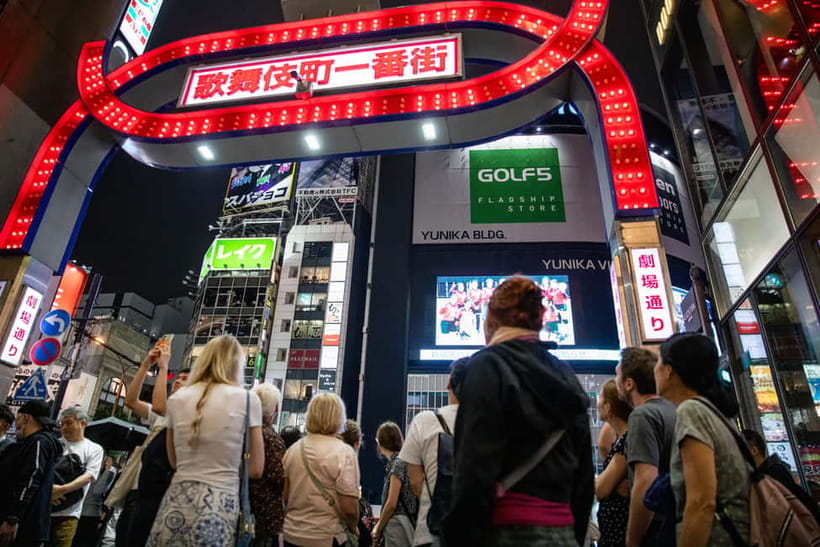
Shinjuku is one of those places where Tokyo looks like a movie set—signs everywhere, people flowing every direction, and the air humming with sound. What makes this tour useful is that it doesn’t treat Shinjuku like one big blur. Instead, you move district to district with context, so you start to notice patterns: where people go to drink, where they go to snack, and how nightlife districts evolved.
I also like that the tour frames the area honestly. Kabukicho is often discussed as a red-light zone in popular culture, but on this walk you get the bigger picture—how it changed over time into a broader entertainment destination. That helps you keep your bearings even when the streets feel chaotic.
Finally, the tone is practical. Many guides on these tours are described as funny, friendly, and willing to answer questions, which matters because Shinjuku’s rules are mostly social rather than written. When you understand what you’re seeing, the whole night gets easier.
You can also read our reviews of more walking tours in Tokyo


The 2-Hour Walk Plan: How the Timing Keeps You Oriented
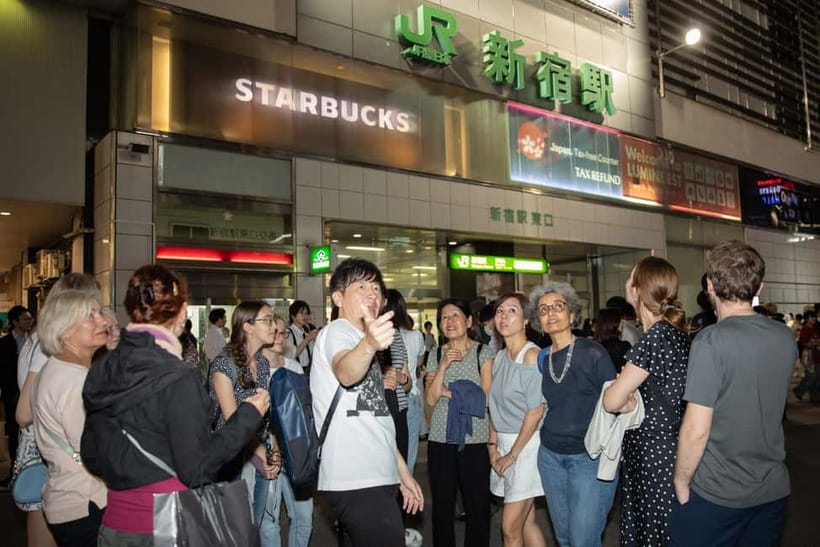
The tour runs about 2 hours, with guided stops that balance photo time and actual explanations. You’ll start at one of two meeting points—either the Shinjuku Tourist Information Center near the station area, or the Shinjuku Station East Exit Police Box. From there, there’s a short orientation to help you settle in before you hit the tighter streets.
You then travel through a sequence of well-known nightlife areas and a shrine stop, finishing back in the Golden Gai / 3 Chome area. The whole structure is built for momentum: you cover enough ground to understand Shinjuku’s layout, without dragging you so long that you burn out in the middle of the night.
One practical note: this is a walking experience in a dense neighborhood. Even if you’re comfortable moving in crowds, it helps to wear shoes that can handle continuous walking on city pavement and narrow paths.
Starting at Shinjuku’s East Side: Your First 10 Minutes Matter
Your first move is meeting your guide at the Shinjuku Station East Exit Police Box option (or the tourist information center, depending on your booking). Shinjuku Station is massive, so this is where the tour’s warning matters: don’t be late. Getting there early isn’t just “good manners”—it’s how you avoid stress before the walk even starts.
That short guided start (around 10 minutes) is more valuable than it sounds. Before you enter the tighter nightlife lanes, you get a quick sense of where you are and what you’re about to see. If you’ve never done Tokyo night walking, this helps you avoid the common mistake: treating every street as equally confusing.
Also, the guide language options are English and Spanish, so you should be able to follow the explanations clearly. Many people like tours most when they can ask questions without worry, and the format here supports that.
Omoide Yokocho (Memory Lane): Small Lanes, Big Night Energy
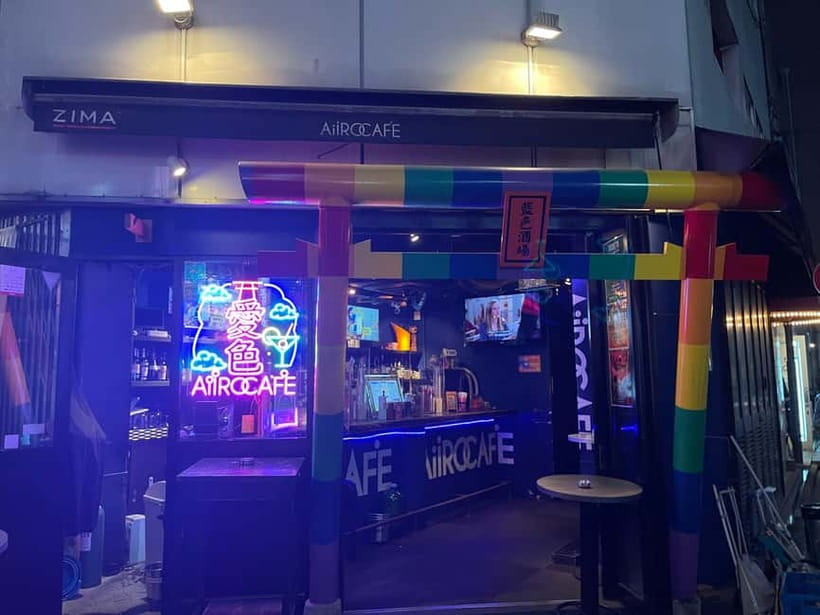
Next you’ll spend about 20 minutes in Omoide Yokocho, a lane-style area that feels purpose-built for atmosphere. It’s not about wide streets and big views—it’s about the texture of nightlife: tiny spaces, close-by conversations, and the way people move in and out for quick bites and drinks.
What I like about Omoide Yokocho on this kind of tour is that it teaches you how to read the district. You’re not just looking at old-school nostalgia branding. You’re learning why these lanes matter in Japanese nightlife culture, and why food and drinks are such a central part of the experience—not a side quest.
You also tend to get practical suggestions around what to eat afterward. The tour emphasizes Japanese nightlife culture and gives recommendations, and Omoide Yokocho is the perfect place to start because it’s strongly tied to that “stop for a quick meal” rhythm.
Kabukicho After Dark: The Neon Economy and the District’s Changing Face
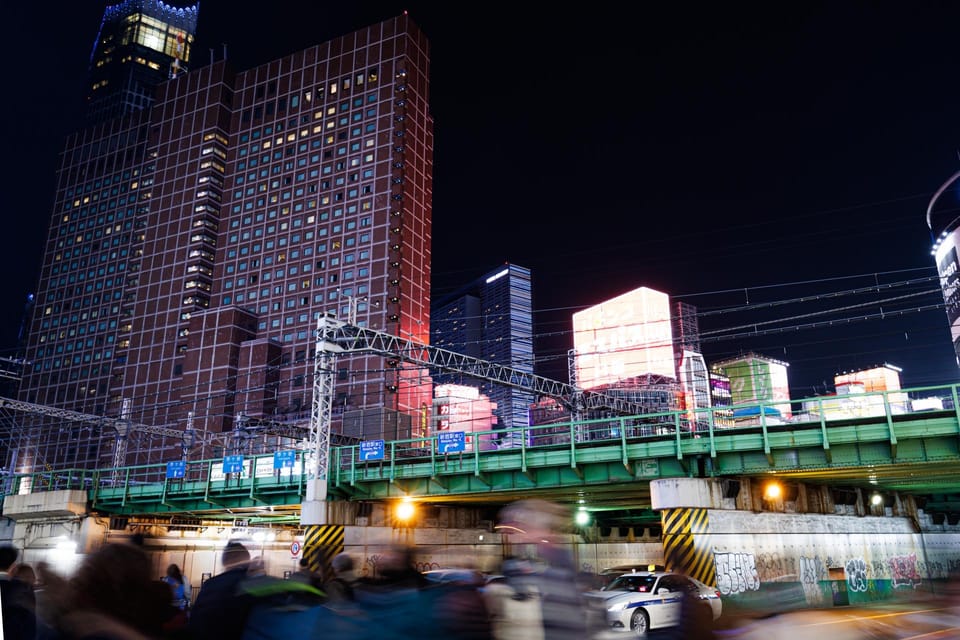
The biggest chunk of walking is in Kabukicho, about 40 minutes. This is the heart of Shinjuku’s entertainment scene, and it shows. You’ll pass a dense mix of bars, izakayas, and entertainment venues, plus the surrounding skyscraper energy that keeps the area feeling like a city within a city.
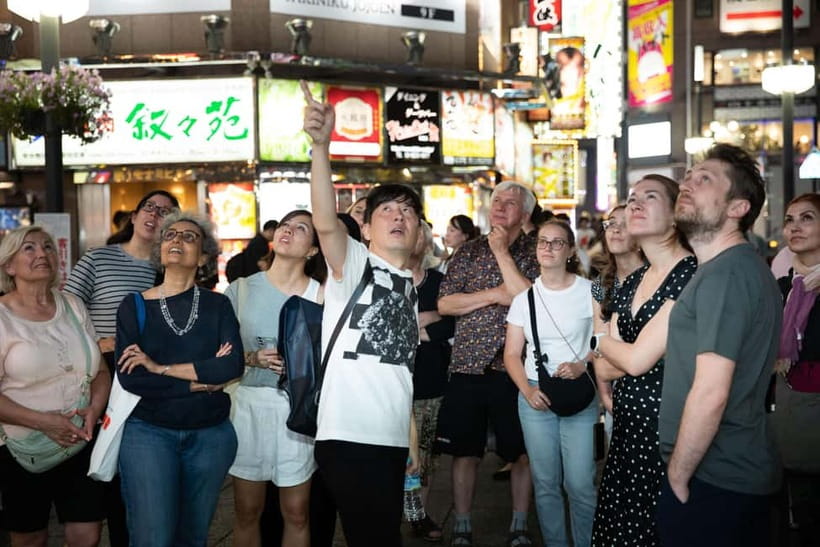
Here’s what makes the guided approach pay off: Kabukicho can feel overwhelming on your own. With a guide, you can spot what the neighborhood is trying to do. It’s not one single vibe; it’s layers—different kinds of venues, different kinds of crowds, and different reasons people come here at night.
A key theme you’ll hear is Kabukicho’s evolution—from roots as a red-light district into a broader entertainment destination. That framing changes how you interpret the streets. Instead of viewing it only through stereotypes, you start seeing the social shift and why today’s Kabukicho works the way it does.
Also, the tour highlights the look of the area at night: neon signage, narrow alleyways, and the “traditional plus contemporary” mix of Japan. If you like street photography, this is where you’ll probably spend extra moments looking up at buildings and down at the details of the lane entrances.




Golden Gai: Tiny Bars, Closer Conversations, Clearer Context
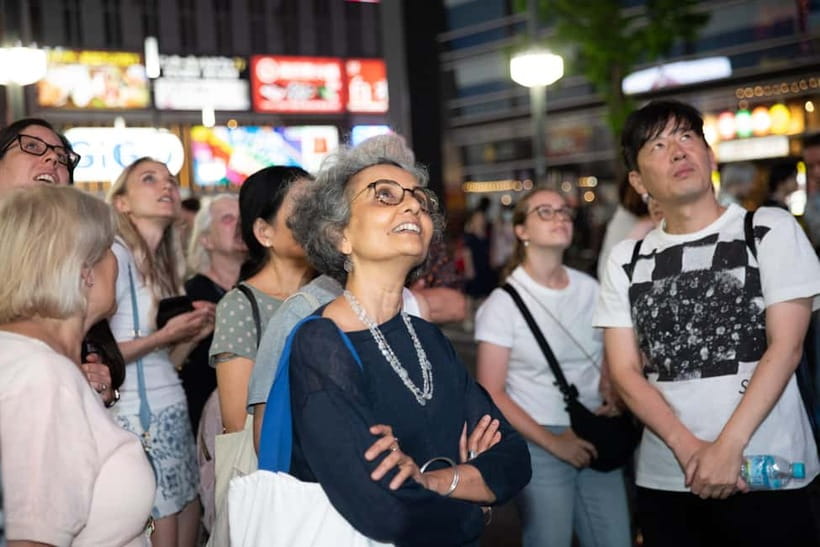
After Kabukicho, you’ll shift toward Golden Gai for around 20 minutes. Golden Gai is famous for its small-bar maze feel, where the experience often depends on proximity—close doors, compact spaces, and a sense that you’re stepping into something specific rather than just walking into any venue.
On this tour, Golden Gai isn’t treated as a photo stop. You get context for what the area represents and how it fits into Shinjuku’s nightlife. The guide’s stories help you understand why people seek it out, and why it can feel like a different world compared with the louder streets nearby.
One more benefit: Golden Gai works as a “reset” stop. You go from wide, flashy Kabukicho energy to smaller-scale nightlife culture. That contrast helps you remember the districts clearly when you’re planning what to do next.
Hanazono Shrine: A Quiet Pause Inside the Noise
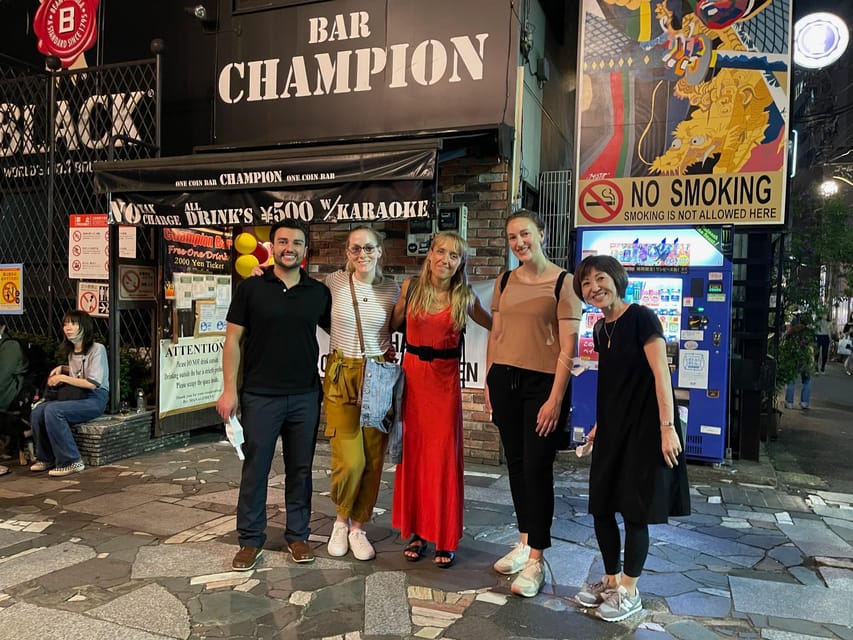
You’ll also visit Hanazono Shrine for about 20 minutes. This stop matters because it gives your eyes and brain a break from neon and crowds. Even if you don’t think of shrines as part of a nightlife plan, this one helps you understand Tokyo’s rhythm: sacred spaces and street life can exist side by side.
What I like about including a shrine visit is that it gives the walk balance. You’re learning about nightlife culture, but you’re also reminded that Tokyo isn’t only after-dark entertainment. The stop can feel like a breath of calm right in the middle of a district that otherwise runs fast and loud.
If you want photos, this is often a good moment for them too, but you’ll get more out of it if you slow down and actually look at the details. The guide will likely connect what you’re seeing to cultural context.
2 Chome and the Finish: Getting Your Next Step Right
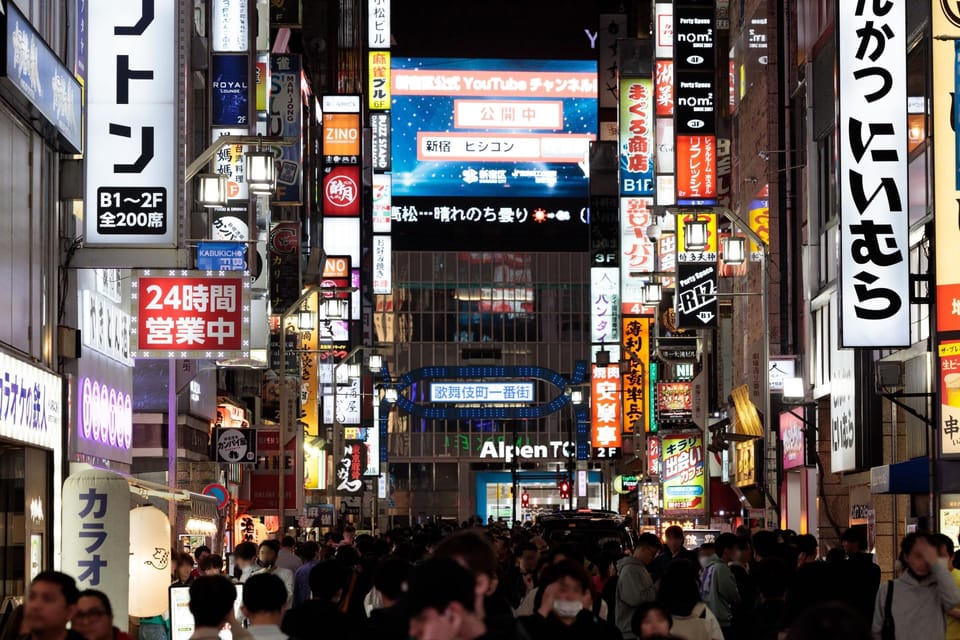
The final stretch includes 2 Chome for about 20 minutes. This part of the walk is about helping you understand how the nightlife neighborhoods continue and how the district boundaries feel on the ground.
You’ll finish with drop-off locations that include Shinjuku Golden-Gai and 3 Chome. That finish point isn’t random—it’s close to areas you may want to return to later. If you want to turn the tour into a plan for the rest of your night, this is exactly the kind of ending that makes sense.
And this is where your guide’s food and drink recommendations become extra useful. The tour doesn’t mean your evening ends at the final stop; it’s built to help you continue confidently. You’re leaving with a short list of places you can aim for without wandering in circles.
Price and Value: What $29 Gets You in Shinjuku Time
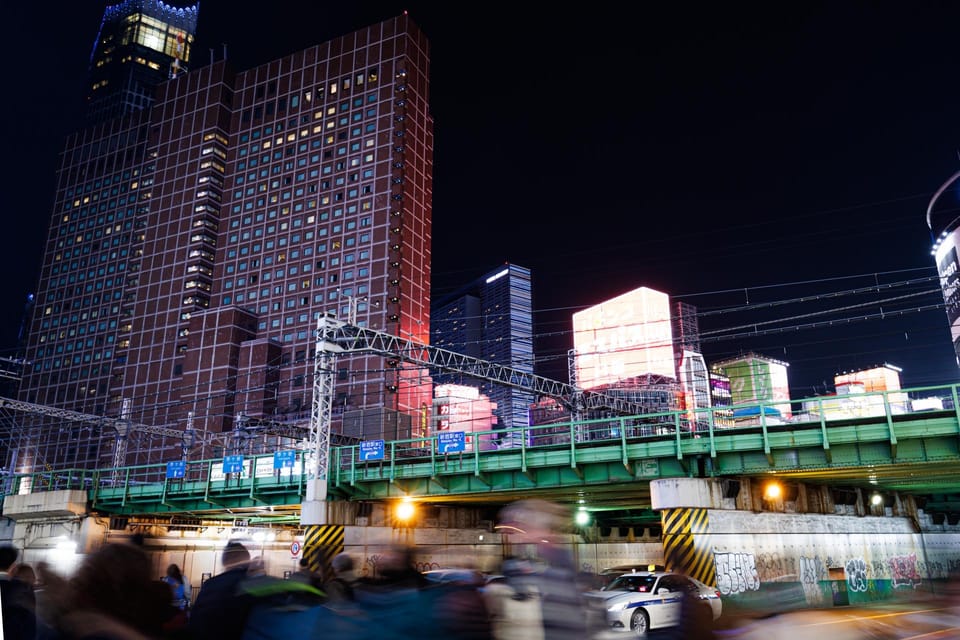
At $29 per person for about 2 hours, this tour is priced like a “smart orientation” experience rather than a fancy, multi-course program. That’s not a flaw; it’s the point. For many first-time visitors, the real value is having someone point you to the right pockets of the city and explain what you’re seeing as you go.
You also get:
- a live guide (English or Spanish)
- a focused route through major nightlife areas like Omoide Yokocho, Kabukicho, and Golden Gai
- guidance on Japanese nightlife culture and practical recommendations
If you compare that to the cost of getting lost, wasting time, or guessing wrong on where to eat, the value becomes clearer. Especially in Shinjuku, where the visual noise is intense, a guided walk can save you hours of trial and error.
Safety, Rules, and Who This Tour Suits Best
This tour comes with clear boundaries: no alcohol and drugs are allowed. That’s a meaningful rule for comfort and pacing. You’re there to learn and walk, not to blur the experience by mixing in drinking during the guided portion.
It also isn’t suitable for children under 18. That aligns with the tour theme and the type of nightlife districts you’ll pass through.
On safety and comfort: many people mention feeling at ease when walking with a guide through areas that can look intimidating from the sidewalk. You still need normal street sense—stay with your group, don’t drift off, and keep your eyes up—but guidance is part of the design.
Best fit? This is a great choice if you:
- want to see Shinjuku’s nightlife districts quickly and clearly
- like cultural explanations tied to real street scenes
- prefer a plan when exploring Japan at night
- want a fun first-night base for returning on your own later
Should You Book This Tokyo Shinjuku Night Tour?
If you’re looking for a fast, structured way to understand Shinjuku’s after-dark neighborhoods, I’d book it. The route hits the major districts people talk about—Kabukicho, Omoide Yokocho, and Golden Gai—but the value is in the context and the practical food/drink guidance you can use afterward.
Skip it if you hate crowds, dislike walking, or want a calmer, quieter Tokyo experience. Also be ready for the one real hassle: finding the meeting point in a huge station area, and then arriving on time.
Overall, at $29 for 2 hours with a live guide and a route built for orientation, it’s a solid starting move for your Tokyo night.
FAQ
How long is the Tokyo Shinjuku Red Light Walking Tour?
The tour lasts about 2 hours.
How much does the tour cost?
The price is $29 per person.
Where does the tour start?
Your meeting point can vary based on the option you booked, including the Shinjuku Tourist Information Center or the Shinjuku Station East Exit Police Box.
What stops are included on the walk?
The tour includes visits to Omoide Yokocho, Kabukicho, Golden Gai, Hanazono Shrine, and 2 Chome.
What languages are the tours offered in?
The guide provides the tour in Spanish and English.
Is alcohol or drugs allowed?
No. Alcohol and drugs are not allowed.
Is the tour suitable for children?
It’s not suitable for children under 18.
Is free cancellation available?
Yes, you can cancel up to 24 hours in advance for a full refund.