REVIEW · TOKYO
Tokyo: Chopstick-Making Workshop
Book on GetYourGuide →Operated by Traveling Tokyo · Bookable on GetYourGuide
Wood turns into something personal fast. In this Tokyo chopstick-making workshop in Shinjuku, you pick from different woods, shape them by hand, and leave with a souvenir that feels warm and real. I especially love the choice part (wood type and chopstick length are yours to decide) and the finish part (sanding plus natural oil makes them comfortable to hold and nice to look at). One small drawback: the meeting spot is inside a building on the 10th floor, and a few people said finding the entrance wasn’t instantly obvious.
For a low cost, you get a full, hands-on process instead of a quick photo stop. Expect an English-speaking staff member to guide you through each step, and the vibe is calm enough that it works well as a breather during busy days in Tokyo. If you’re short on time, the 1-hour format is ideal, but you’ll want to arrive a few minutes early so you don’t feel rushed.
In This Review
- Key Things to Know Before You Carve
- Entering Shinjuku West Square Building, 10F
- Choosing Your Wood and Chopstick Length
- The Carving Stage: A Hand Plane You Can Actually Control
- Sanding, Smoothing, and Oiling the Finish
- Engraving Your Name in English or Japanese
- The People Make It Work: English Support That’s Actually Useful
- Price and Value: Why $6 Can Feel Like a Steal
- Timing, Location, and Getting There Without Stress
- Who This Workshop Suits Best
- Should You Book This Tokyo Chopstick Workshop?
- FAQ
- Where is the meeting point?
- How long does the chopstick-making workshop take?
- How much does it cost?
- Is the workshop suitable for beginners?
- Is there an English-speaking guide?
- Is engraving available, and what languages can be used?
- What’s included in the price?
- Are meals included?
- Can I get a refund if plans change?
Key Things to Know Before You Carve
- You start with real wood options. Choose based on color and grain, and some wood types may cost extra beyond the basic set.
- Hand plane carving is the main moment. You shape the chopsticks in a way that’s tactile and oddly satisfying.
- Sanding and natural oil finish the job. The workshop doesn’t stop at carving; it focuses on comfort and a polished feel.
- You can personalize with engraving. Add your name in English or Japanese (and you’ll see real variety in what people choose).
- English support is built in. Instructors like Masa, Koji, Mimi, and Lucy are repeatedly praised for being patient and clear.
- It’s beginner-friendly and wheelchair accessible. You don’t need prior skills to leave with a set you’re proud of.
Entering Shinjuku West Square Building, 10F
The workshop meets at Shinjuku West Square Building 10F. If you’re navigating Shinjuku, this is a good detail to take seriously: you’re not just finding a street corner, you’re finding a building floor. The GPS coordinates are 35.6959774, 139.6984349, which is handy when you’re using navigation on your phone.
What I like about this setup is that it keeps the workshop simple and focused. You’re not commuting all over town, and you’re not trying to fit it around long travel legs. The tradeoff is straightforward: if you’re arriving late, you may end up doing that frantic building-hunt thing that kills the relaxed mood.
You can also read our reviews of more tours and experiences in Tokyo


Choosing Your Wood and Chopstick Length
This class isn’t only about carving. The earlier part matters, because it shapes the souvenir you’ll take home.
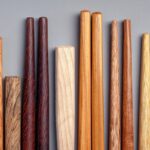
First, you select the wood from a variety of kinds. The workshop emphasizes natural character: each wood has its own color and grain, and your choice affects how your chopsticks look even after oil. People also mention unusual tones—one person specifically called out a purple option—so don’t assume it’s just the typical light bamboo look.
Then you choose the chopstick length. That might sound small, but it’s actually one of the best ways to make the final pair feel like your chopsticks. If you have shorter hands, you’ll likely prefer shorter chopsticks. If you eat at a wider range of tables and dishes, a longer length can feel more natural.
One more value note: some woods may have an additional cost. In plain terms, you can start with the included options, then decide later if you want to upgrade your material.
The Carving Stage: A Hand Plane You Can Actually Control
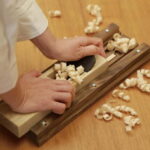
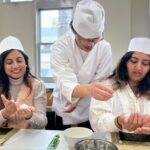
Once you’ve made your selections, the process starts. Your chopsticks begin as a wood piece placed on a stand. Then you use a hand plane to carve them into shape.
This is where the workshop feels different from most activities in Tokyo. It’s not just watching tools; you’re physically creating the form. And because it’s hands-on, it helps the experience “click” quickly. Even if you’re new to woodworking, the staff can guide you through each move.
A strong theme in the feedback is that instructors are patient. Names you’ll hear again and again include Koji, Masa, Mimi, Shu, Jen, Ken, Tom, Fu, and Yuki. What that tells me: this isn’t a sit-and-suffer class. You should expect help throughout the steps if you’re unsure.
Also, this part has a calming feel. Multiple people describe it as therapeutic or meditative. Even if you’re the type who gets restless on tours, carving a simple object by hand can settle your brain.
Sanding, Smoothing, and Oiling the Finish
Carving sets the shape. Sanding sets the comfort.
After the chopsticks are carved, you smooth the surface and edges with sandpaper. This matters more than it sounds. Sharp edges don’t just look bad—they feel bad, too. By the time sanding is done, you’ll notice the difference every time you pick up the wood.
Then comes the protective step: a coat of natural oil. That oil does two jobs. It enhances the finish so the grain looks richer, and it helps protect the wood so your souvenir doesn’t look tired after you get home.
If you care about owning a chopstick set you’d actually use (not just display), this finishing phase is a big reason the workshop earns such a high rating. It turns your rough work into something you can hold comfortably.
Engraving Your Name in English or Japanese
This is the moment that makes the souvenir feel truly one-of-a-kind.
After carving and finishing, you can have your name engraved. The option is available in English or Japanese, and people choose different styles depending on what they want to bring home—some go simple with a name, while others personalize to make it more meaningful.
One practical detail from a review: engraving may use a laser rather than a traditional knife-style tool. That’s not a downside; it often means the process is cleaner and faster, especially for detailed characters. If you choose a lighter wood, there may be more contrast for engraving.
If you’re traveling with friends or family, engraving is also the easiest way to tell each finished set apart at the end of class.






The People Make It Work: English Support That’s Actually Useful
Many Tokyo experiences claim they have English support. This one’s different because the staff consistently get called out for helping step-by-step.
Instructors named in feedback include Masa, Koji, Lucy, Mimi, Shu, Jen, Tom, Ken, Fu, Arma, and Karen. And the repeated praise is for clear instructions, patience, and a friendly tone. That matters because hand tools can be intimidating the first time. If you feel lost, the whole experience turns stressful fast. Here, the staff seems built to keep you moving without rushing you.
It’s also a friendly place to talk. Several reviews mention engaging conversation, and at least one person said the workshop staff offered food and place recommendations in addition to teaching. You’ll leave with your chopsticks and a few ideas for what to do next.
Price and Value: Why $6 Can Feel Like a Steal
The listed price is $6 per person, for a full 1-hour hands-on workshop. On its own, that’s a bargain-level number for a take-home item.
But the better way to think about the value is what’s included. You’re not just paying for a souvenir—you’re paying for:
- wood selection
- carving and shaping with tools
- sanding and smoothing
- natural oil application
That’s a real set of materials and real labor, and it’s hard to beat when you’re traveling. Even people who mention upgrades (extra wood types) still frame it as affordable. The workshop gives you a strong base experience without forcing you into extras.
My rule of thumb: if you want one activity that feels personal and practical, this one makes sense. If you only want a quick photo moment, you’ll probably find it slower than you expected.
Timing, Location, and Getting There Without Stress
This is a 1-hour activity, so it fits well as a morning reset, a mid-day break, or an early evening plan.
Transportation to the venue isn’t included, so you’ll need to handle getting yourself there. That said, Shinjuku is a practical hub for most itineraries. The bigger issue isn’t distance; it’s floor-finding inside the building. If you’re easy with directions, you’ll be fine. If you hate searching, give yourself extra time and double-check the meeting instructions before you go.
One interesting detail from feedback: some people said the workshop area included both tourists and Japanese participants. That can be a plus if you like mixing with locals rather than feeling like you’re in a bubble.
Who This Workshop Suits Best
I’d put this workshop in the sweet spot for:
- beginners who want a hands-on skill without previous experience
- people who like making souvenirs they’ll actually use
- couples, families, or solo travelers looking for a calm activity in the middle of a packed Tokyo plan
- anyone who enjoys tactile work—carving, sanding, and finishing
It’s also described as suitable for beginners, and it’s wheelchair accessible. That’s a meaningful point because some “craft” activities are physically demanding. Here, the structure is tool-based and guided, not a vague art class where you figure things out alone.
The only person I’d caution: if you’re in a hurry and hate being seated for the duration, you might feel impatient. Still, the hour passes quickly when you’re working with your hands.
Should You Book This Tokyo Chopstick Workshop?
Yes, I think you should book it if you want one affordable, authentic-feeling craft experience with a clear outcome: your chopsticks, finished and personalized.
Book it now if:
- you like taking home something useful
- you want the satisfaction of carving and finishing
- you want English guidance without feeling lost
Consider skipping if:
- you’re only looking for a fast stop or pure sightseeing
- you strongly dislike using tools at all
- you have zero patience for finding a building floor in a large train hub
If you’re on the fence, treat it like this: for the price, you’re buying time with real craft steps—wood selection, hand shaping, sanding, oil, and optional engraving. That’s a lot of Tokyo memory packed into one hour.
FAQ
Where is the meeting point?
The workshop meets at Shinjuku West Square Building 10F (Honshu, Japan). The coordinates are 35.6959774, 139.6984349.
How long does the chopstick-making workshop take?
The experience lasts about 1 hour.
How much does it cost?
It’s listed at $6 per person.
Is the workshop suitable for beginners?
Yes. It’s suitable for beginners, and English-speaking staff are available to assist.
Is there an English-speaking guide?
Yes. The live tour guide and staff support are in English.
Is engraving available, and what languages can be used?
You can have your name engraved in English or Japanese as an optional touch.
What’s included in the price?
Included are wood selection, carving and shaping your chopsticks, sanding and smoothing, and applying natural oil.
Are meals included?
No. Meals are not included.
Can I get a refund if plans change?
Yes. You can cancel up to 24 hours in advance for a full refund.